
Spicy Miso Ramen
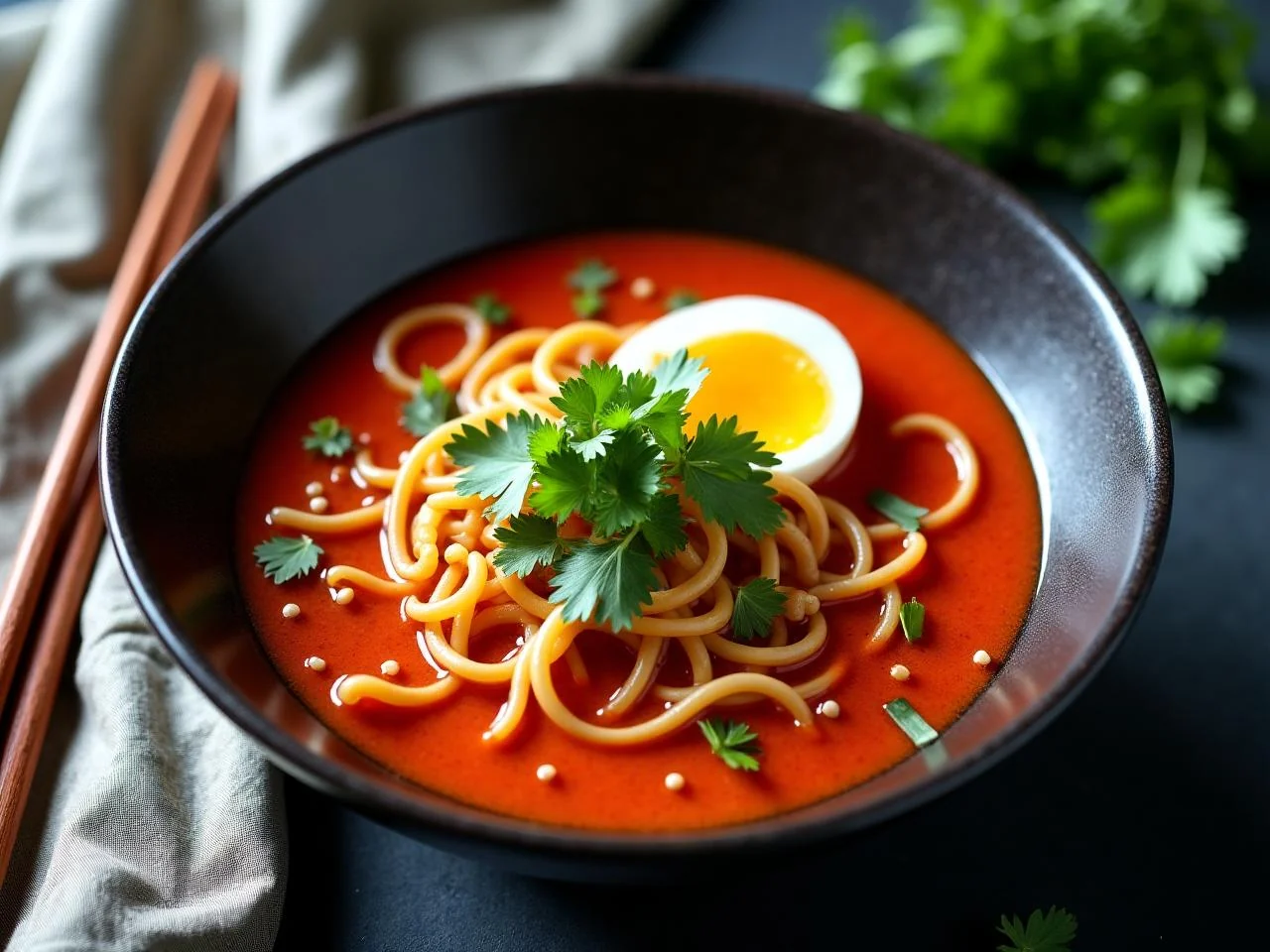
I still remember my first bowl of spicy miso ramen from a small restaurant in Tokyo. The combination of the rich, savory broth, the springy noodles, and the soft-boiled egg was love at first bite. Since then, I've been on a mission to recreate that perfect bowl at home. After countless trials and errors, I'm excited to share my recipe for spicy miso ramen that's not only delicious but also easy to make in under an hour.
What makes this recipe special is the balance of flavors in the broth, which is achieved by using a combination of chicken and pork bones, along with some aromatics like ginger and garlic. The addition of miso paste gives the broth a depth of umami flavor that's hard to resist. And let's not forget the toppings - a soft-boiled egg, some sliced pork, and a sprinkle of green onions add texture and freshness to the dish.
This recipe is perfect for anyone who loves Asian food and wants to try their hand at making a delicious and comforting bowl of noodles at home. It's also a great option for a quick weeknight dinner or a special occasion. So, let's get started and make a steaming bowl of spicy miso ramen that's sure to become a favorite!
One of the best things about this recipe is that it's highly customizable. You can add your favorite toppings, such as sliced beef or boiled vegetables, to make it your own. And, if you're feeling adventurous, you can even try making your own noodles from scratch. The possibilities are endless, and I'm excited to see how you'll make this recipe your own.
In this recipe, I'll guide you through every step of the process, from making the broth to assembling the final dish. I'll also share some tips and tricks that I've learned along the way to help you achieve the best results. So, let's get cooking and make a delicious bowl of spicy miso ramen that's sure to become a new favorite!
Why You’ll Love This Recipe
- This recipe is easy to make and can be prepared in under an hour
- It's a comforting and delicious bowl of noodles that's perfect for any day
- The recipe is highly customizable, so you can add your favorite toppings and make it your own
- It's a great option for a quick weeknight dinner or a special occasion
- The broth is rich and savory, with a depth of umami flavor that's hard to resist
- The addition of spicy elements like gochujang and red pepper flakes adds a layer of heat to the dish
- The soft-boiled egg and green onions add a creamy and fresh element to the dish
Why This Recipe Works
The key to a great bowl of spicy miso ramen is in the broth. By using a combination of chicken and pork bones, we create a rich and savory broth that's full of depth and umami flavor. The addition of aromatics like ginger and garlic adds a layer of complexity to the broth, while the miso paste provides a salty, savory flavor that ties everything together.
Another important aspect of this recipe is the cooking technique. By cooking the noodles separately and then adding them to the hot broth, we can ensure that they're cooked perfectly and retain their texture. And, by using a soft-boiled egg as a topping, we add a creamy and rich element to the dish that complements the broth and noodles perfectly.
The balance of flavors in this recipe is also important. By using a combination of soy sauce, sake, and sugar, we create a broth that's both savory and slightly sweet. The addition of spicy elements like gochujang and red pepper flakes adds a layer of heat to the dish, while the green onions and sesame seeds provide a fresh and nutty flavor.
Overall, this recipe works because it's a perfect balance of flavors and textures. The rich and savory broth, the springy noodles, and the soft-boiled egg all come together to create a dish that's both comforting and delicious. And, with a few simple tweaks, you can make this recipe your own and enjoy it again and again.
Ingredients You’ll Need
To make this recipe, you'll need a few ingredients that might be new to you, such as miso paste and gochujang. But don't worry, these ingredients are easy to find in most Asian grocery stores or online. You'll also need some basic ingredients like chicken and pork bones, ginger, and garlic. And, of course, you'll need some noodles and toppings to complete the dish.
When shopping for ingredients, be sure to look for high-quality items that will add depth and flavor to your broth. For example, use fresh ginger and garlic instead of dried or powdered versions, and choose a good-quality miso paste that's made with fermented soybeans.
- 2 lbs (1 kg) chicken and pork bonesYou can use a combination of chicken and pork bones, or just one or the other. Look for bones that are meaty and have a lot of marrow, as these will add the most flavor to your broth
- 2 inches (5 cm) fresh ginger, slicedFresh ginger is essential for adding depth and warmth to your broth. Look for ginger that's firm and has a spicy aroma
- 3 cloves garlic, mincedLike ginger, garlic is a fundamental ingredient in many Asian dishes. Use fresh garlic for the best flavor
- 1/4 cup (60 ml) soy sauceSoy sauce is a salty, savory condiment that adds depth and umami flavor to your broth. Look for a high-quality soy sauce that's made with fermented soybeans
- 1/4 cup (60 ml) sakeSake is a Japanese rice wine that adds a subtle sweetness and depth to your broth. You can substitute with dry white wine if you can't find sake
- 2 tbsp (30 ml) miso pasteMiso paste is a fermented soybean paste that adds a rich, savory flavor to your broth. Look for a high-quality miso paste that's made with fermented soybeans
- 2 tbsp (30 ml) gochujangGochujang is a Korean chili paste that adds a spicy, savory flavor to your broth. Use it sparingly, as it's quite potent
- 1 tsp (5 ml) sugarA small amount of sugar helps balance the flavors in your broth and adds a touch of sweetness
- 1/2 tsp (2 ml) ground white pepperWhite pepper is a mild, spicy condiment that adds depth and warmth to your broth
- 1/2 tsp (2 ml) saltSalt enhances the flavors in your broth and helps bring out the umami flavor of the miso paste
- 4 cups (1 L) waterUse fresh, cold water to make your broth. You can also use a combination of water and dashi broth for added depth and flavor
- 1 lb (450 g) ramen noodlesLook for fresh or dried ramen noodles that are made with wheat flour and have a chewy texture
- 2 eggsSoft-boiled eggs are a classic topping for ramen. Use fresh eggs for the best flavor and texture
- 1/4 cup (15 g) sliced green onionsGreen onions add a fresh, oniony flavor to your dish. Use thinly sliced green onions for the best flavor and texture
- 1 tsp (5 ml) sesame oilSesame oil is a nutty, aromatic oil that adds depth and warmth to your dish. Use it sparingly, as it's quite potent
- 1 tsp (5 g) sesame seedsSesame seeds add a nutty flavor and crunchy texture to your dish. Use them sparingly, as they can be quite potent
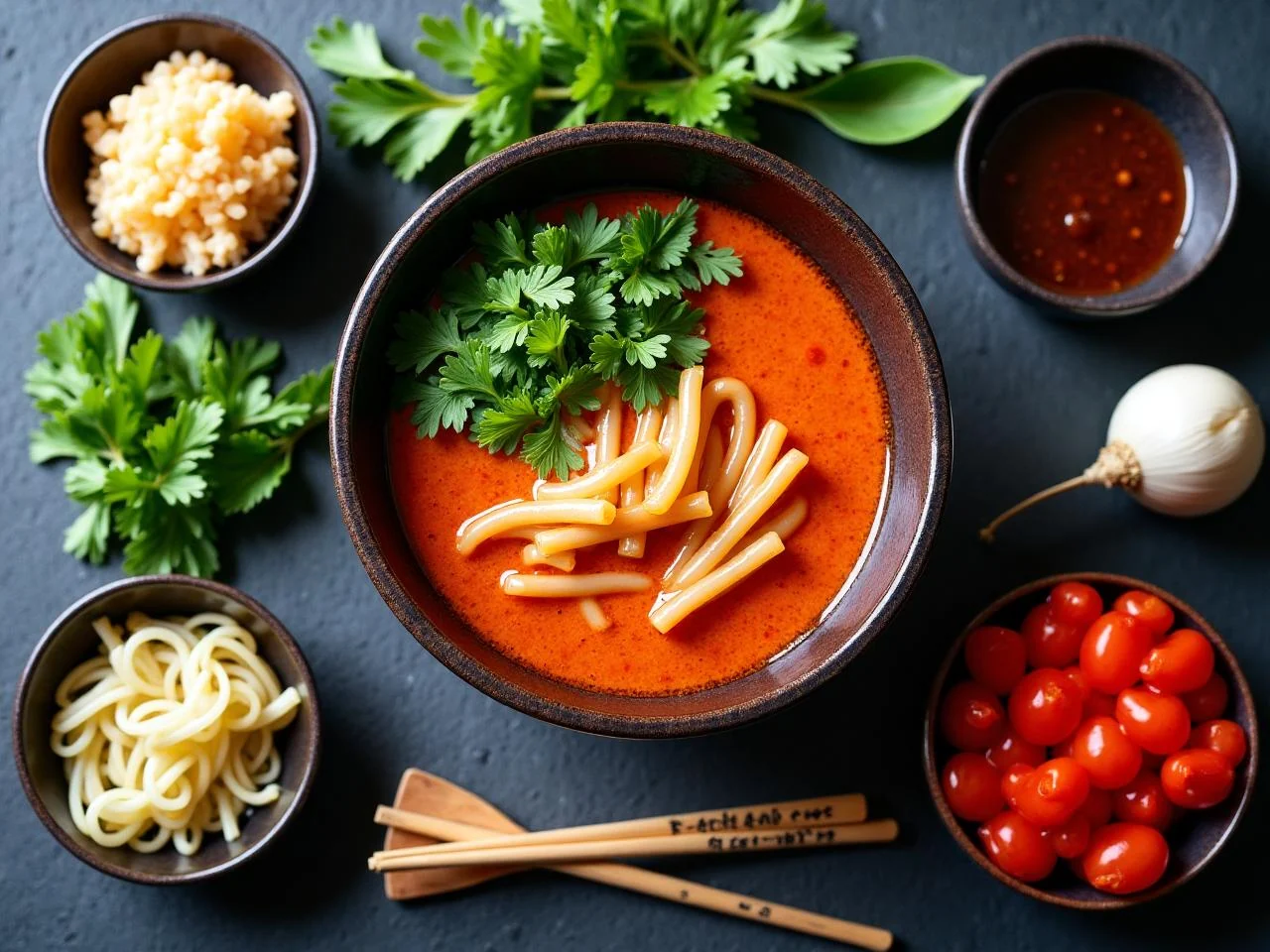
Equipment You’ll Need
How to Make Spicy Miso Ramen
- 1In a large heavy pot or Dutch oven, combine the chicken and pork bones, ginger, and garlic. Pour in the water and bring to a boil over high heat, then reduce the heat to low and simmer for at least 4 hours, or overnight
- 2After the broth has simmered for 4 hours, strain it through a fine-mesh strainer into a clean pot, discarding the solids. Skim off any fat that rises to the surface and add the soy sauce, sake, miso paste, gochujang, sugar, white pepper, and salt. Whisk until the miso paste is dissolved, then bring the broth to a simmer over medium heat
- 3While the broth is simmering, cook the ramen noodles according to the package instructions. Drain and set aside
- 4In a small saucepan, bring some water to a boil. Reduce the heat to a simmer and carefully add the eggs. Cook for 6-7 minutes, or until the whites are set and the yolks are still slightly runny. Remove the eggs from the water with a slotted spoon and transfer them to a bowl of ice water to stop the cooking
- 5To assemble the ramen, place some noodles in a bowl, then add slices of pork or chicken if desired. Ladle the hot broth over the top, then add a soft-boiled egg, some sliced green onions, and a sprinkle of sesame seeds
- 6Drizzle the sesame oil over the top of the ramen and serve immediately
- 7If you want to add some extra flavor to your ramen, you can add some sliced mushrooms, bean sprouts, or pickled ginger on top
- 8To make the dish more substantial, you can add some sliced pork or chicken to the bowl
- 9You can also customize the toppings to your liking, so feel free to get creative and add your favorite ingredients
- 10To make the broth ahead of time, you can simmer it for 4 hours, then let it cool and refrigerate or freeze it for later use
- 11To reheat the broth, simply bring it to a simmer over medium heat, whisking occasionally, until it's hot and steaming
- 12You can also make the soft-boiled eggs ahead of time and store them in the refrigerator for up to a day
- 13To cook the ramen noodles ahead of time, you can cook them according to the package instructions, then rinse them with cold water and store them in the refrigerator for up to a day
Expert Tips
- Use high-quality ingredients, such as fresh ginger and garlic, to add depth and flavor to your broth
- Don't overcook the noodles, as they can become mushy and unappetizing
- Use a variety of toppings to add texture and flavor to your dish
- Experiment with different types of protein, such as chicken or beef, to add variety to your dish
- Don't be afraid to customize the recipe to your liking, and add your favorite ingredients to make it your own
- Use a thermometer to ensure that the broth is at a safe temperature, especially if you're serving it to a large group of people
- Consider making a large batch of broth and freezing it for later use, as it's a great way to have a quick and easy meal on hand
- Don't over-season the broth, as it can become too salty and overpowering
Common Mistakes to Avoid
- Not simmering the broth for long enough, which can result in a weak and flavorless broth
- Overcooking the noodles, which can make them mushy and unappetizing
- Not using high-quality ingredients, such as fresh ginger and garlic, which can result in a lackluster broth
- Not customizing the recipe to your liking, which can result in a dish that's not very interesting or flavorful
- Not using a thermometer to ensure that the broth is at a safe temperature, which can result in foodborne illness
- Not storing the broth and noodles properly, which can result in spoilage and foodborne illness
Variations and Substitutions
- Adding sliced mushrooms or bean sprouts to the broth for added flavor and texture
- Using different types of protein, such as chicken or beef, to add variety to the dish
- Adding pickled ginger or green onions to the broth for added flavor and texture
- Using different types of noodles, such as soba or udon, to add variety to the dish
- Adding a spicy kick to the broth by using more gochujang or adding red pepper flakes
- Using a combination of chicken and pork bones to make a richer and more flavorful broth
- Adding some sesame oil and soy sauce to the noodles for added flavor
What to Serve With Spicy Miso Ramen
This spicy miso ramen is a delicious and comforting bowl of noodles that's perfect for any day. You can serve it as a main course, or as a side dish to complement your favorite Asian-inspired dishes. Some other dishes that pair well with this ramen include stir-fried vegetables, grilled meats, and steamed dumplings.
If you want to make the dish more substantial, you can add some sliced pork or chicken to the bowl. You can also customize the toppings to your liking, so feel free to get creative and add your favorite ingredients. Some other toppings that pair well with this ramen include sliced green onions, bean sprouts, and pickled ginger.
Make-Ahead, Storage, Freezing and Reheating
To store the broth, let it cool to room temperature, then refrigerate or freeze it for later use. The broth can be stored in the refrigerator for up to 3 days, or frozen for up to 3 months. To reheat the broth, simply bring it to a simmer over medium heat, whisking occasionally, until it's hot and steaming.
To store the noodles, cook them according to the package instructions, then rinse them with cold water and store them in the refrigerator for up to a day. You can also freeze the cooked noodles for up to 2 months, and reheat them by soaking them in hot water or broth.
To store the soft-boiled eggs, place them in a bowl of ice water to stop the cooking, then refrigerate them for up to a day. You can also freeze the cooked eggs for up to 2 months, and reheat them by soaking them in hot water or broth.
When reheating the ramen, be careful not to overheat the broth, as it can become too hot and cause the noodles to become mushy. You can also add some fresh toppings, such as sliced green onions or bean sprouts, to the bowl to add texture and flavor to the dish.
Frequently Asked Questions
What type of noodles should I use for this recipe?
You can use fresh or dried ramen noodles for this recipe. Look for noodles that are made with wheat flour and have a chewy texture.
Can I customize the toppings to my liking?
Yes, you can customize the toppings to your liking. Some other toppings that pair well with this ramen include sliced green onions, bean sprouts, and pickled ginger.
How long can I store the broth in the refrigerator?
The broth can be stored in the refrigerator for up to 3 days. Let it cool to room temperature before refrigerating, and reheat it to a simmer over medium heat before serving.
Can I freeze the cooked noodles?
Yes, you can freeze the cooked noodles for up to 2 months. Simply cook the noodles according to the package instructions, then rinse them with cold water and store them in airtight containers or freezer bags.
How do I reheat the ramen without drying out the noodles?
To reheat the ramen without drying out the noodles, simply soak the noodles in hot water or broth for a few minutes. You can also add some fresh toppings, such as sliced green onions or bean sprouts, to the bowl to add texture and flavor to the dish.
Can I make the broth ahead of time?
Yes, you can make the broth ahead of time. Simply simmer the broth for 4 hours, then let it cool and refrigerate or freeze it for later use.
What type of protein can I use in this recipe?
You can use sliced pork or chicken in this recipe. Simply cook the protein according to your preference, then add it to the bowl with the noodles and broth.
Can I add other ingredients to the broth for added flavor?
Yes, you can add other ingredients to the broth for added flavor. Some other ingredients that pair well with this broth include sliced mushrooms, bean sprouts, and pickled ginger.
How do I prevent the noodles from becoming mushy?
To prevent the noodles from becoming mushy, be sure to cook them according to the package instructions and not overcook them. You can also rinse the noodles with cold water after cooking to stop the cooking process and help them retain their texture.
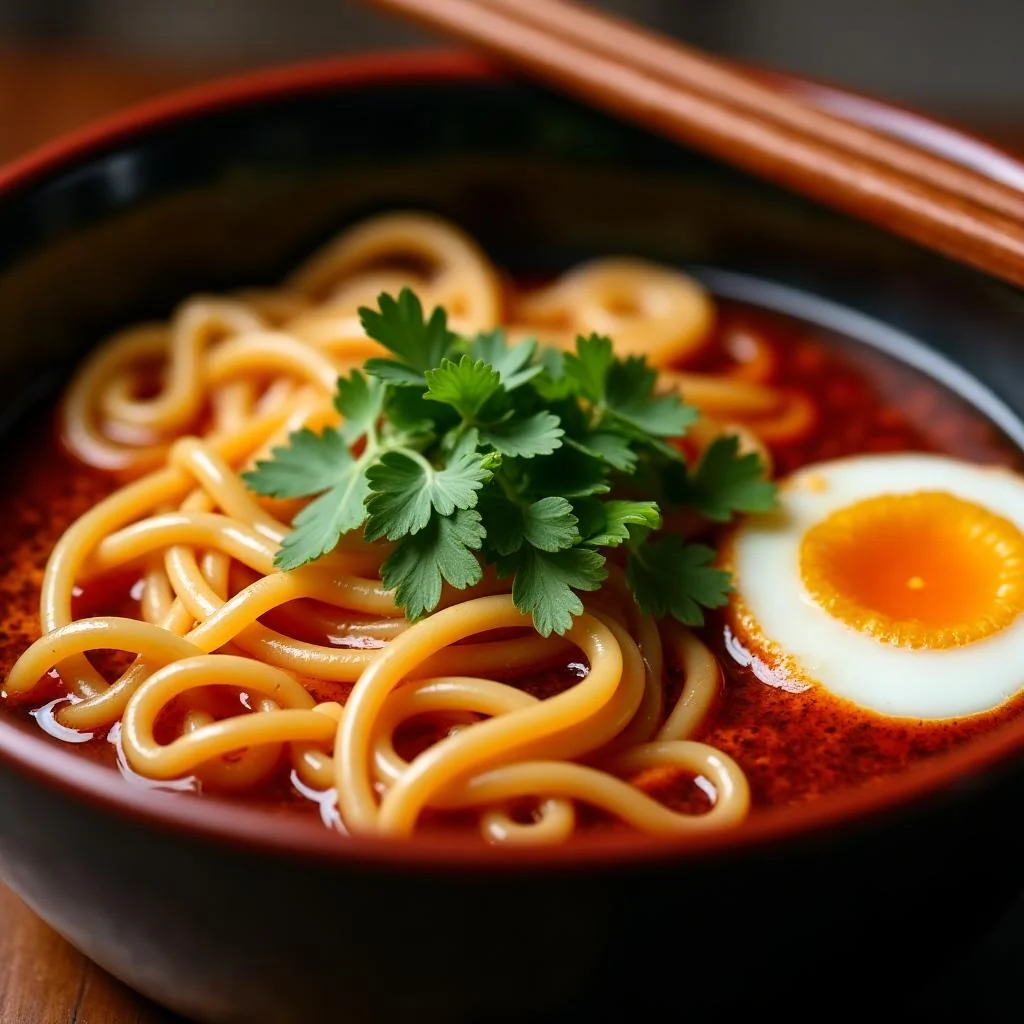
Ingredients
- 2 lbs (1 kg) chicken and pork bones
- 2 inches (5 cm) fresh ginger, sliced
- 3 cloves garlic, minced
- 1/4 cup (60 ml) soy sauce
- 1/4 cup (60 ml) sake
- 2 tbsp (30 ml) miso paste
- 2 tbsp (30 ml) gochujang
- 1 tsp (5 ml) sugar
- 1/2 tsp (2 ml) ground white pepper
- 1/2 tsp (2 ml) salt
- 4 cups (1 L) water
- 1 lb (450 g) ramen noodles
- 2 eggs
- 1/4 cup (15 g) sliced green onions
- 1 tsp (5 ml) sesame oil
- 1 tsp (5 g) sesame seeds
Instructions
- In a large heavy pot or Dutch oven, combine the chicken and pork bones, ginger, and garlic. Pour in the water and bring to a boil over high heat, then reduce the heat to low and simmer for at least 4 hours, or overnight
- After the broth has simmered for 4 hours, strain it through a fine-mesh strainer into a clean pot, discarding the solids. Skim off any fat that rises to the surface and add the soy sauce, sake, miso paste, gochujang, sugar, white pepper, and salt. Whisk until the miso paste is dissolved, then bring the broth to a simmer over medium heat
- While the broth is simmering, cook the ramen noodles according to the package instructions. Drain and set aside
- In a small saucepan, bring some water to a boil. Reduce the heat to a simmer and carefully add the eggs. Cook for 6-7 minutes, or until the whites are set and the yolks are still slightly runny. Remove the eggs from the water with a slotted spoon and transfer them to a bowl of ice water to stop the cooking
- To assemble the ramen, place some noodles in a bowl, then add slices of pork or chicken if desired. Ladle the hot broth over the top, then add a soft-boiled egg, some sliced green onions, and a sprinkle of sesame seeds
- Drizzle the sesame oil over the top of the ramen and serve immediately
- If you want to add some extra flavor to your ramen, you can add some sliced mushrooms, bean sprouts, or pickled ginger on top
- To make the dish more substantial, you can add some sliced pork or chicken to the bowl
- You can also customize the toppings to your liking, so feel free to get creative and add your favorite ingredients
- To make the broth ahead of time, you can simmer it for 4 hours, then let it cool and refrigerate or freeze it for later use
- To reheat the broth, simply bring it to a simmer over medium heat, whisking occasionally, until it's hot and steaming
- You can also make the soft-boiled eggs ahead of time and store them in the refrigerator for up to a day
- To cook the ramen noodles ahead of time, you can cook them according to the package instructions, then rinse them with cold water and store them in the refrigerator for up to a day