
Coconut Curry Noodle Soup
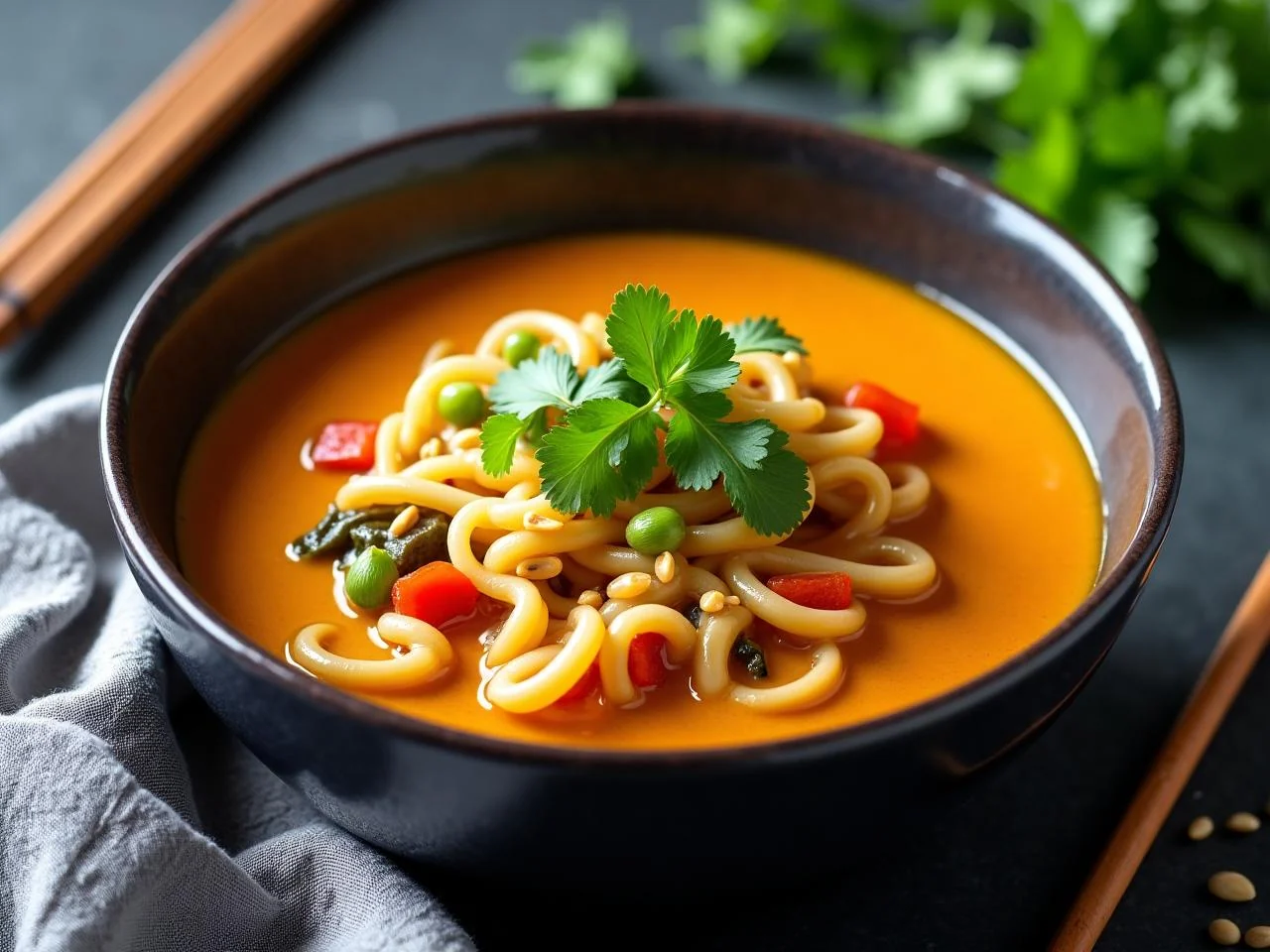
I'm obsessed with this Coconut Curry Noodle Soup - it's the perfect comfort food for a chilly evening. The combination of creamy coconut broth, spicy red curry, and fresh veggies, all tied together with silky rice noodles, is absolute perfection. And the best part? It's ready in just 35 minutes, making it a staple for cozy weeknight dinners.
I still remember the first time I had a similar soup at a Thai restaurant. The flavors just danced on my palate, and I was hooked. Since then, I've been on a mission to recreate that magic in my own kitchen. After countless trials and tweaks, I'm thrilled to share my version with you.
This recipe is special because it's both authentic and approachable. I've used traditional Asian ingredients like soy sauce, oyster sauce, and sesame oil, but I've also made sure that they're easy to find in most supermarkets. Whether you're a seasoned cook or a beginner, you'll love how this soup comes together with minimal fuss.
So, who is this recipe for? Honestly, anyone who loves a good, comforting bowl of noodles. It's perfect for a quick weeknight dinner, a casual gathering with friends, or even a special occasion. And the best part? You can easily customize it to your taste by adding your favorite protein or veggies.
As we dive into the recipe, I want to assure you that it's been thoroughly tested and refined to ensure that it works beautifully every time. I've included detailed steps, expert tips, and troubleshooting advice to help you overcome any common mistakes. So, let's get started and make this incredible Coconut Curry Noodle Soup together!
Why You’ll Love This Recipe
- This recipe is incredibly easy to make, with a prep time of just 10 minutes and a cook time of 25 minutes.
- The soup is perfect for a quick weeknight dinner, and can be ready in just 35 minutes from start to finish.
- It's a very family-friendly recipe, with a mild level of spiciness that can be adjusted to suit your taste.
- The ingredients are relatively budget-friendly, with most items being easily found in your local supermarket.
- You can make the soup ahead of time and refrigerate or freeze it for later, making it a great option for meal prep.
- The recipe is highly customizable, allowing you to add your favorite protein or veggies to make it your own.
- It's a crowd-pleasing dish that's perfect for casual gatherings or special occasions.
Why This Recipe Works
The key to this recipe's success lies in its balance of flavors and textures. By using a combination of coconut milk, red curry paste, and fish sauce, we create a rich and creamy broth that's both spicy and savory. The addition of fresh veggies like bell peppers, carrots, and snow peas adds a delightful crunch and pop of color.
Another crucial aspect is the use of aromatics like onion, garlic, and ginger. These ingredients form the foundation of the soup's flavor profile, and by sautéing them in oil, we bring out their natural sweetness and depth. The type of oil used also matters - in this case, we're using a neutral-tasting oil like canola or vegetable oil to prevent the flavors from becoming too overpowering.
Finally, the cooking technique itself plays a significant role. By cooking the noodles separately and then adding them to the soup, we prevent them from becoming mushy or overcooked. This also allows us to control the texture of the noodles, ensuring they retain their silky smoothness.
Throughout the recipe, you'll notice that we're building flavors in layers, starting with the aromatics, then the curry paste, and finally the coconut milk. This approach ensures that each component enhances the others, resulting in a harmonious and complex flavor profile.
Ingredients You’ll Need
Before we begin, let's take a look at the ingredients we'll be using. The key players in this recipe are the coconut milk, red curry paste, and fish sauce, which provide the rich and creamy flavor profile. We'll also be using a variety of aromatics like onion, garlic, and ginger, as well as some fresh veggies for added texture and flavor.
When shopping for these ingredients, be sure to look for full-fat coconut milk and high-quality red curry paste for the best flavor. You can usually find these items in the international or Asian food section of your supermarket.
- 2 tablespoons vegetable oilWe're using a neutral-tasting oil like canola or vegetable oil to prevent the flavors from becoming too overpowering. You can also use other neutral oils like grapeseed or peanut oil.
- 1 onion, dicedMake sure to dice the onion finely so that it cooks evenly and quickly. You can also use other types of onions like shallots or scallions if you prefer.
- 3 cloves garlic, mincedGarlic is a fundamental ingredient in many Asian dishes, and it adds a depth of flavor to our soup. Be sure to mince it finely to release its natural oils and flavor compounds.
- 2 inches ginger, gratedFresh ginger adds a warm and spicy flavor to our soup, and it's also great for digestion. Be sure to grate it finely to release its natural oils and flavor compounds.
- 2 tablespoons red curry pasteRed curry paste is a key ingredient in this recipe, providing a rich and creamy flavor profile. Look for high-quality curry paste that's made with fresh ingredients and doesn't contain any artificial preservatives or flavorings.
- 2 cups mixed veggies (bell peppers, carrots, snow peas)We're using a variety of colorful veggies to add texture and flavor to our soup. Feel free to customize the veggies to your liking, and be sure to slice or chop them into bite-sized pieces.
- 2 cups chicken or vegetable brothYou can use either chicken or vegetable broth as the base of our soup, depending on your dietary preferences. Look for low-sodium broth to control the salt content of our dish.
- 1 can (14 oz) full-fat coconut milkFull-fat coconut milk is essential for creating a rich and creamy flavor profile. Be sure to stir the can well before opening it, as the cream can separate from the liquid.
- 2 teaspoons fish sauceFish sauce adds a salty and umami flavor to our soup, and it's a common ingredient in many Asian dishes. Look for high-quality fish sauce that's made with fresh ingredients and doesn't contain any artificial preservatives or flavorings.
- 1 teaspoon soy sauceSoy sauce adds a salty and savory flavor to our soup, and it's a common ingredient in many Asian dishes. Look for low-sodium soy sauce to control the salt content of our dish.
- 1/2 teaspoon kosher saltWe're using kosher salt to season our soup, as it has a milder flavor than table salt. Be sure to taste and adjust the seasoning as needed, as the salt content can vary depending on the other ingredients.
- 1/4 teaspoon black pepperBlack pepper adds a subtle kick to our soup, and it's a common ingredient in many Asian dishes. Be sure to use freshly ground black pepper for the best flavor.
- 8 oz rice noodlesRice noodles are a staple in many Asian dishes, and they add a delicate and silky texture to our soup. Be sure to cook them according to the package instructions to prevent them from becoming mushy or overcooked.
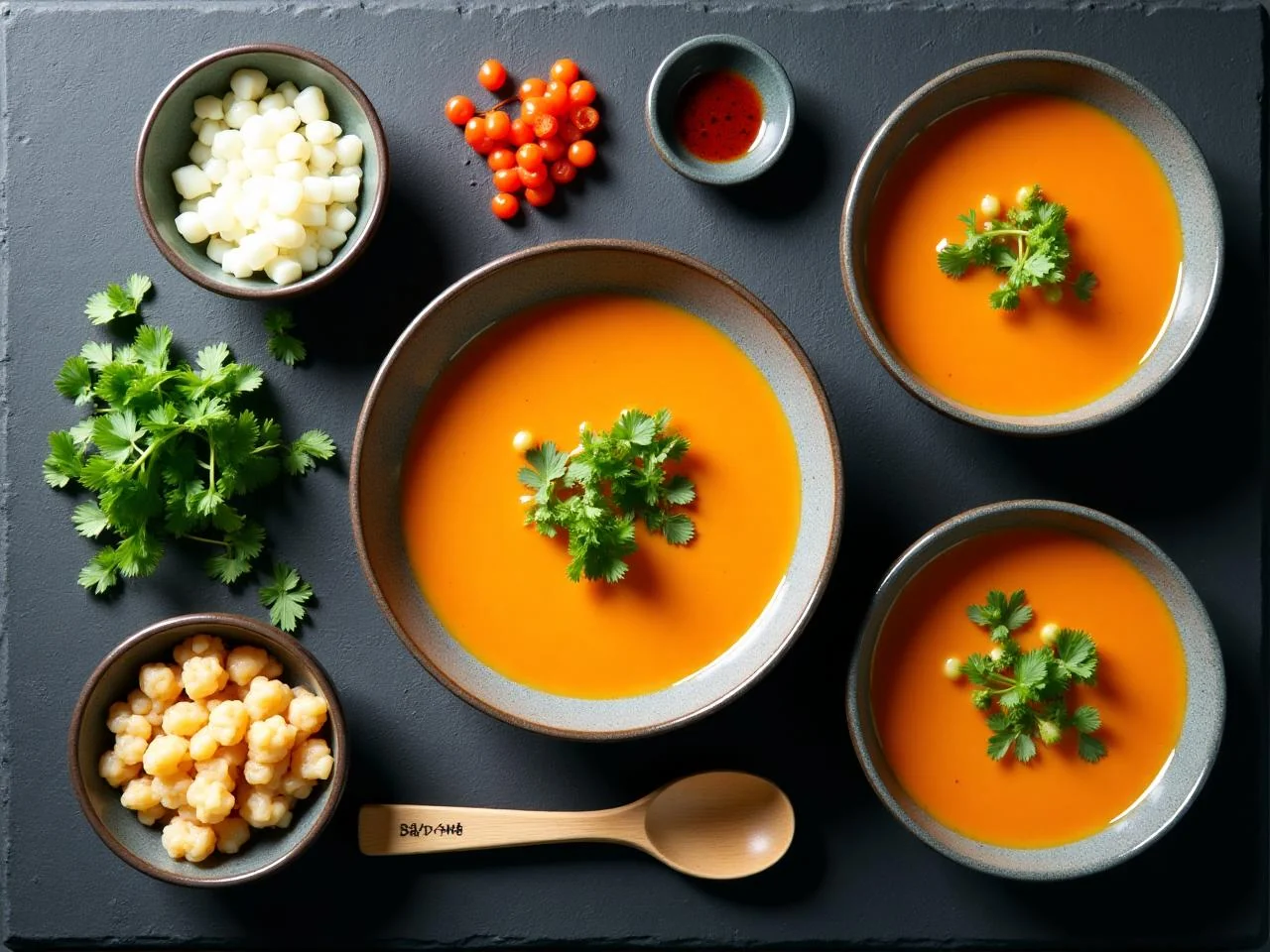
Equipment You’ll Need
How to Make Coconut Curry Noodle Soup
- 1Heat the oil in a large pot or Dutch oven over medium heat. Add the diced onion and cook until it's translucent and starting to caramelize, about 5-7 minutes.
- 2Add the minced garlic and grated ginger to the pot and cook for another minute, stirring constantly to prevent burning.
- 3Add the red curry paste to the pot and cook for 1-2 minutes, stirring constantly to prevent burning. The curry paste should be fragrant and slightly darkened.
- 4Add the mixed veggies to the pot and cook until they're tender-crisp, about 3-5 minutes. Be sure to stir frequently to prevent burning.
- 5Add the chicken or vegetable broth to the pot and bring the mixture to a boil. Reduce the heat to low and simmer for 10-15 minutes, or until the soup has reduced slightly and the flavors have melded together.
- 6Stir in the full-fat coconut milk and fish sauce, and cook for another 2-3 minutes, or until the soup has heated through and the flavors have melded together.
- 7Add the soy sauce, kosher salt, and black pepper to the pot, and stir to combine. Taste and adjust the seasoning as needed.
- 8Cook the rice noodles according to the package instructions and drain them in a colander or strainer.
- 9Add the cooked noodles to the pot and stir to combine. Cook for another minute, or until the noodles are well coated with the soup.
- 10Use an immersion blender or regular blender to puree the soup to your desired consistency, if desired. Be sure to blend in small batches to prevent the soup from splashing.
- 11Ladle the soup into bowls and serve immediately, garnished with fresh herbs or scallions if desired.
Expert Tips
- Be sure to use high-quality ingredients, including fresh veggies and aromatic spices, to get the best flavor out of your soup.
- Don't overcook the noodles, as they can become mushy and unappetizing. Cook them according to the package instructions and drain them promptly.
- If you prefer a creamier soup, you can add more coconut milk or use a mixture of coconut milk and heavy cream.
- To add protein to your soup, you can add cooked chicken, shrimp, or tofu. Be sure to cook the protein separately and add it to the soup towards the end of cooking time.
- To make the soup more substantial, you can add other ingredients like diced potatoes or sweet potatoes. Be sure to adjust the cooking time accordingly.
- If you're serving the soup at a later time, you can refrigerate or freeze it and reheat it when needed. Be sure to reheat the soup gently to prevent it from becoming too hot or boiling over.
- To prevent the soup from becoming too salty, be sure to taste and adjust the seasoning as needed. You can also use low-sodium broth and soy sauce to control the salt content of the dish.
- To add extra flavor to the soup, you can add other ingredients like lemongrass or galangal. Be sure to use them in moderation, as they can overpower the other flavors in the soup.
Common Mistakes to Avoid
- Overcooking the noodles, which can make them mushy and unappetizing.
- Not using high-quality ingredients, which can result in a bland or unappetizing soup.
- Not adjusting the seasoning, which can result in a soup that's too salty or too bland.
- Not cooking the soup long enough, which can result in a soup that's not heated through or flavorful.
- Adding too much coconut milk, which can make the soup too rich and creamy.
- Not blending the soup to the right consistency, which can result in a soup that's too chunky or too smooth.
Variations and Substitutions
- Add cooked chicken or shrimp to make the soup more substantial.
- Use different types of veggies, such as bell peppers or zucchini, to change up the flavor and texture.
- Add other ingredients, such as diced potatoes or sweet potatoes, to make the soup more filling.
- Use different types of noodles, such as rice vermicelli or egg noodles, to change up the texture.
- Add other spices or seasonings, such as cumin or coriander, to give the soup a different flavor profile.
- Use coconut cream instead of coconut milk for a richer and creamier soup.
- Add some heat to the soup by incorporating diced jalapenos or serrano peppers.
What to Serve With Coconut Curry Noodle Soup
This Coconut Curry Noodle Soup is perfect for serving on its own, garnished with fresh herbs or scallions. You can also serve it with some crusty bread or over rice for a more filling meal.
Some other options for serving the soup include adding some protein like cooked chicken or shrimp, or serving it with a side of steamed veggies. You can also add some crunchy elements like chopped nuts or crispy fried onions to give the soup some texture.
Make-Ahead, Storage, Freezing and Reheating
This soup can be refrigerated for up to 3 days or frozen for up to 2 months. Be sure to cool the soup to room temperature before refrigerating or freezing it, and reheat it gently when needed.
To reheat the soup, you can use the stovetop or microwave. Be sure to reheat it gently to prevent it from becoming too hot or boiling over.
When freezing the soup, be sure to use airtight containers or freezer bags to prevent freezer burn. You can also freeze the soup in individual portions for easy reheating.
When reheating the soup, you can add some water or coconut milk to thin it out if it's become too thick. You can also add some fresh herbs or spices to give it a fresh flavor.
Frequently Asked Questions
What type of noodles should I use for this recipe?
You can use rice noodles, which are a staple in many Asian dishes. They're delicate and silky, and they cook quickly. You can also use other types of noodles, such as rice vermicelli or egg noodles, if you prefer.
Can I use low-fat coconut milk instead of full-fat coconut milk?
While you can use low-fat coconut milk, it's not recommended. Full-fat coconut milk gives the soup a rich and creamy flavor that's essential to the dish. Low-fat coconut milk can make the soup too watery and bland.
How spicy is this soup?
The level of spiciness in this soup depends on the type of red curry paste you use. Some curry pastes can be quite spicy, while others are milder. You can adjust the level of spiciness to your taste by adding more or less curry paste.
Can I add other ingredients to the soup?
Yes, you can add other ingredients to the soup to make it more substantial or to change up the flavor. Some options include cooked chicken or shrimp, diced potatoes or sweet potatoes, or other spices or seasonings.
How do I store the soup?
You can refrigerate the soup for up to 3 days or freeze it for up to 2 months. Be sure to cool the soup to room temperature before refrigerating or freezing it, and reheat it gently when needed.
Can I make the soup ahead of time?
Yes, you can make the soup ahead of time and refrigerate or freeze it for later. This is a great option if you want to meal prep or if you're serving a large crowd.
How do I reheat the soup?
You can reheat the soup on the stovetop or in the microwave. Be sure to reheat it gently to prevent it from becoming too hot or boiling over.
Can I serve the soup at a dinner party?
Yes, this soup is perfect for serving at a dinner party. You can serve it as a main course or as a starter, and you can garnish it with fresh herbs or scallions for a pop of color.
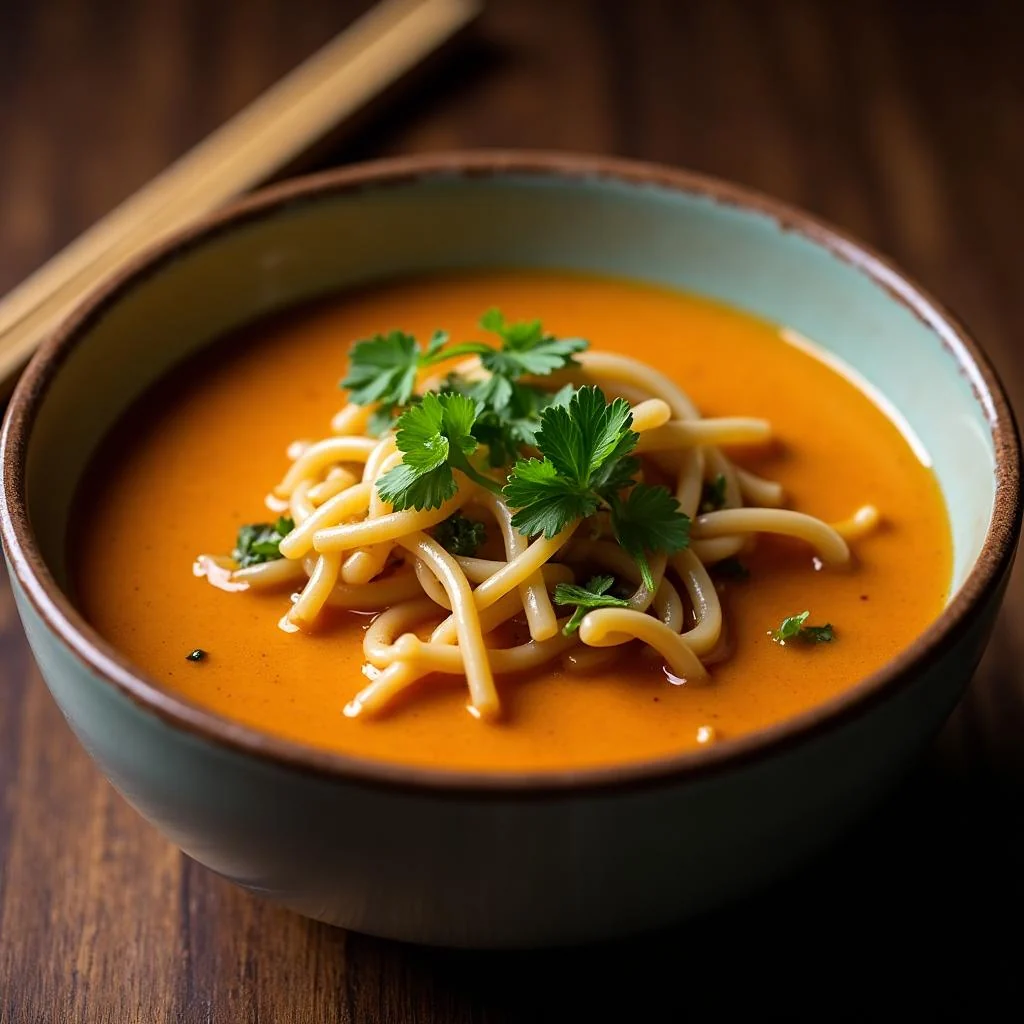
Ingredients
- 2 tablespoons vegetable oil
- 1 onion, diced
- 3 cloves garlic, minced
- 2 inches ginger, grated
- 2 tablespoons red curry paste
- 2 cups mixed veggies (bell peppers, carrots, snow peas)
- 2 cups chicken or vegetable broth
- 1 can (14 oz) full-fat coconut milk
- 2 teaspoons fish sauce
- 1 teaspoon soy sauce
- 1/2 teaspoon kosher salt
- 1/4 teaspoon black pepper
- 8 oz rice noodles
Instructions
- Heat the oil in a large pot or Dutch oven over medium heat. Add the diced onion and cook until it's translucent and starting to caramelize, about 5-7 minutes.
- Add the minced garlic and grated ginger to the pot and cook for another minute, stirring constantly to prevent burning.
- Add the red curry paste to the pot and cook for 1-2 minutes, stirring constantly to prevent burning. The curry paste should be fragrant and slightly darkened.
- Add the mixed veggies to the pot and cook until they're tender-crisp, about 3-5 minutes. Be sure to stir frequently to prevent burning.
- Add the chicken or vegetable broth to the pot and bring the mixture to a boil. Reduce the heat to low and simmer for 10-15 minutes, or until the soup has reduced slightly and the flavors have melded together.
- Stir in the full-fat coconut milk and fish sauce, and cook for another 2-3 minutes, or until the soup has heated through and the flavors have melded together.
- Add the soy sauce, kosher salt, and black pepper to the pot, and stir to combine. Taste and adjust the seasoning as needed.
- Cook the rice noodles according to the package instructions and drain them in a colander or strainer.
- Add the cooked noodles to the pot and stir to combine. Cook for another minute, or until the noodles are well coated with the soup.
- Use an immersion blender or regular blender to puree the soup to your desired consistency, if desired. Be sure to blend in small batches to prevent the soup from splashing.
- Ladle the soup into bowls and serve immediately, garnished with fresh herbs or scallions if desired.