
Pad Thai Noodles
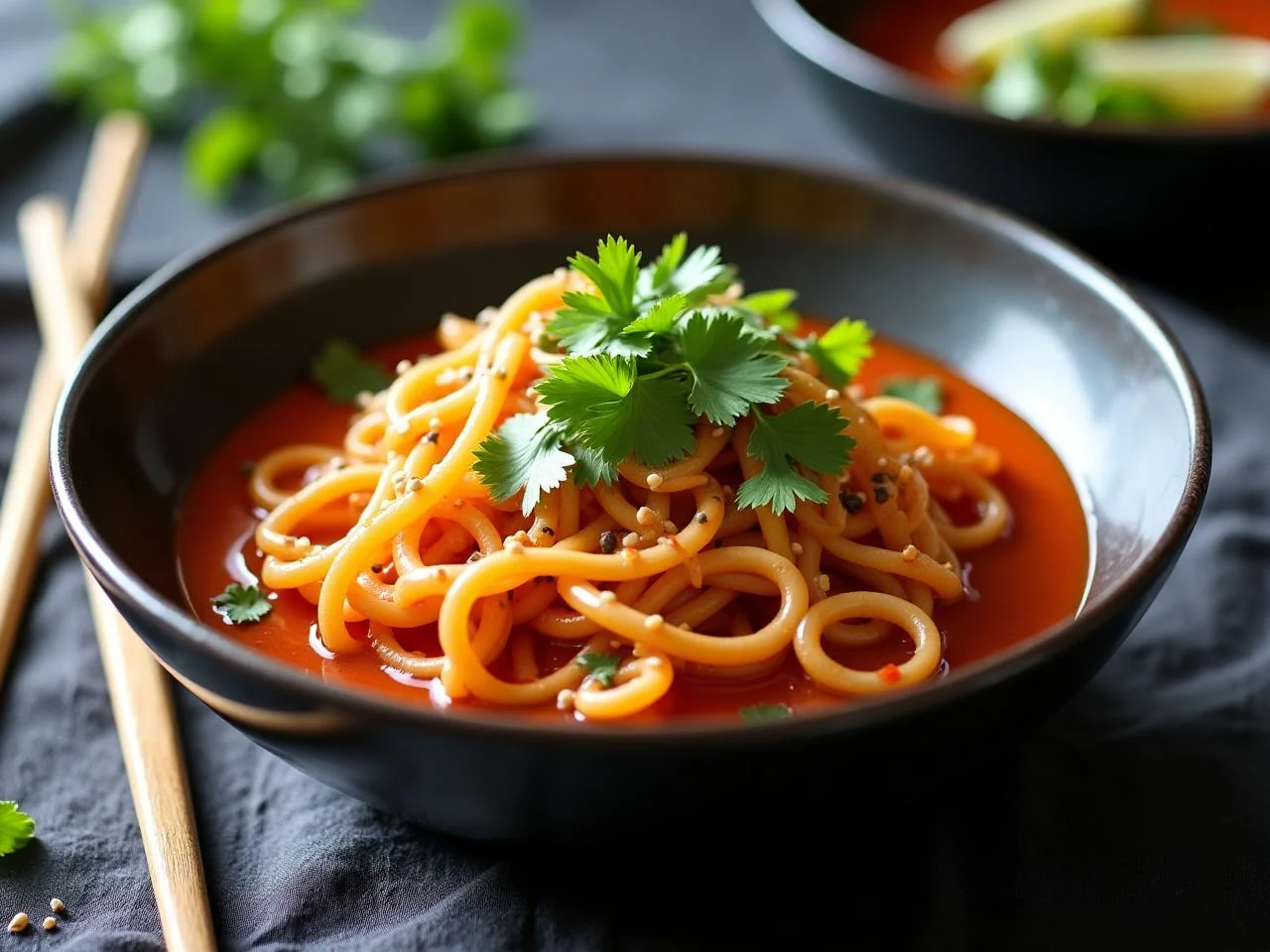
I still remember the first time I had Pad Thai Noodles from a street vendor in Thailand. The combination of sweet, sour, and savory flavors, along with the perfect balance of textures, left me wanting more. Since then, I've been on a mission to recreate that authentic taste in my own kitchen. After years of experimentation, I'm excited to share my recipe for Pad Thai Noodles that brings the bright, tangy flavors of a Thai street stall right to your kitchen.
This recipe is quick, satisfying, and perfect for a weeknight dinner. It's also a great way to get your family involved in cooking, as you can customize the ingredients to suit your taste preferences. Whether you're a beginner or an experienced cook, this recipe is sure to become a staple in your household.
One of the things that sets this recipe apart is the use of fresh and high-quality ingredients. From the fragrant rice noodles to the succulent shrimp, every component plays a crucial role in creating an authentic Pad Thai experience. I'll guide you through the process of selecting the best ingredients and preparing them for cooking.
In this recipe, we'll be using a combination of traditional Thai ingredients, such as tamarind paste, fish sauce, and palm sugar, to create a rich and complex sauce. We'll also be adding some modern twists, such as using vegetable oil instead of traditional lard, to make the dish more accessible to a wider range of cooks.
So, let's get started on this culinary journey and explore the world of Pad Thai Noodles together. With this recipe, you'll be able to create a dish that's not only delicious but also authentic and satisfying.
Why You’ll Love This Recipe
- This recipe is easy to make and requires minimal preparation time, making it perfect for a weeknight dinner.
- The dish is highly customizable, allowing you to add your favorite protein or vegetables to suit your taste preferences.
- Pad Thai Noodles is a family-friendly recipe that's sure to please both kids and adults.
- The recipe is budget-friendly and uses ingredients that are easily accessible at most supermarkets.
- You can make the sauce and prepare the ingredients ahead of time, making it a great option for meal prep.
- The dish is crowd-pleasing and perfect for serving at parties or gatherings.
- The recipe is relatively healthy, using brown rice noodles and a variety of vegetables to provide a balanced and nutritious meal.
Why This Recipe Works
The key to making great Pad Thai Noodles lies in the balance of flavors and textures. The sauce, made with a combination of tamarind paste, fish sauce, and palm sugar, provides a sweet, sour, and savory flavor profile that's characteristic of Thai cuisine. The use of rice noodles, which are cooked to a perfect texture, adds a delicate and slightly chewy element to the dish.
The cooking technique also plays a crucial role in creating a great Pad Thai experience. By cooking the ingredients in a hot wok or large skillet, we're able to achieve a nice caramelization on the noodles and the protein, which adds depth and complexity to the dish. The quick cooking time also helps to preserve the texture and flavor of the ingredients.
Another important aspect of this recipe is the use of layers of seasoning. By adding the seasoning ingredients in a specific order, we're able to build a balanced and harmonious flavor profile that's characteristic of Thai cuisine. This approach also allows us to adjust the seasoning to taste, which is essential for creating a dish that's tailored to your personal preferences.
Finally, the resting time after cooking is crucial for allowing the flavors to meld together and the noodles to absorb the sauce. This step may seem simple, but it's essential for creating a dish that's cohesive and satisfying.
Ingredients You’ll Need
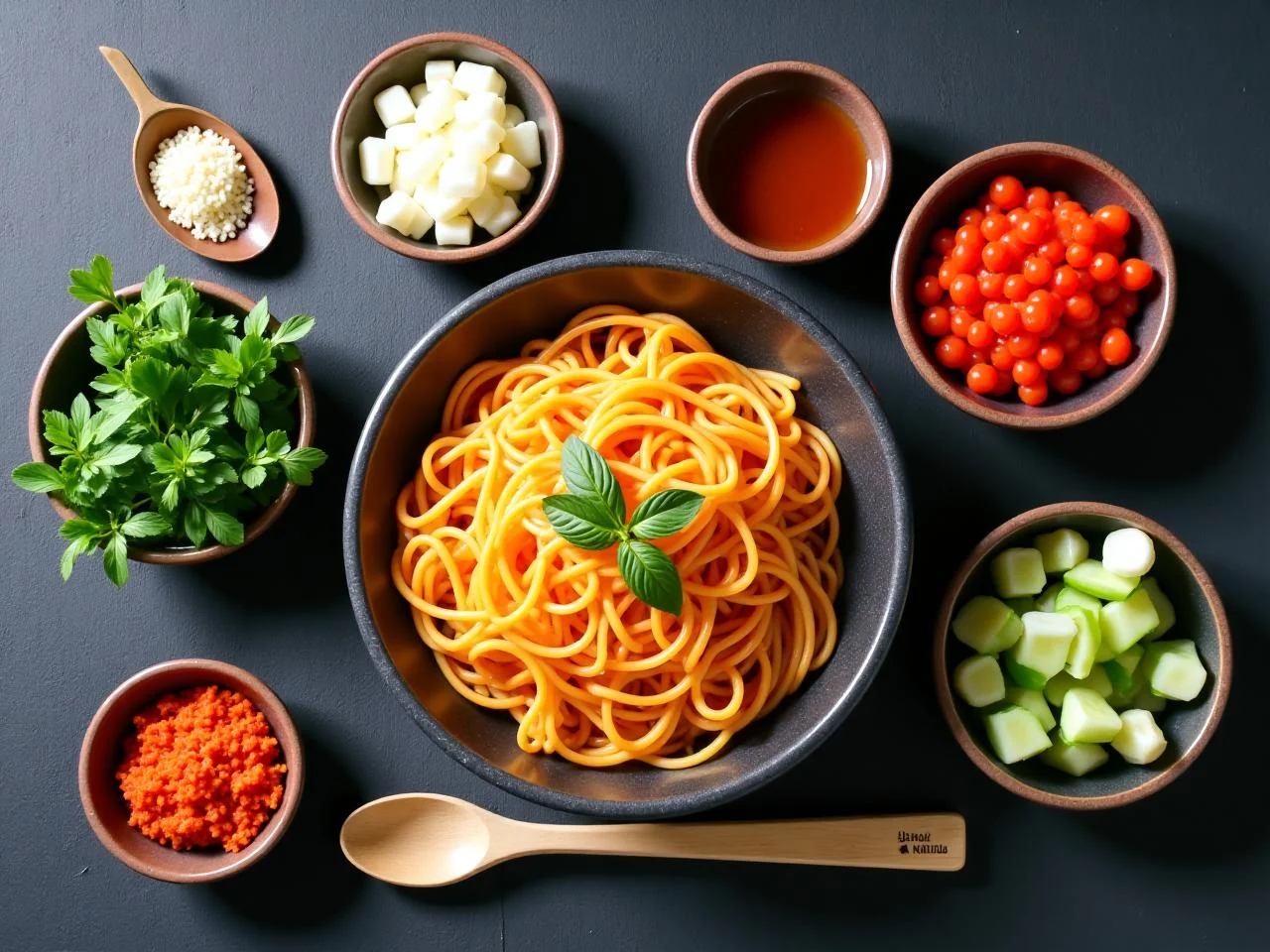
When it comes to making Pad Thai Noodles, the quality of the ingredients is crucial. Look for fresh and high-quality ingredients, such as fragrant rice noodles, succulent shrimp, and crunchy vegetables. You'll also need a variety of sauces and seasonings, including tamarind paste, fish sauce, and palm sugar, to create a rich and complex flavor profile.
One of the most important ingredients in this recipe is the rice noodles. Look for noodles that are made from brown rice and have a delicate texture. You can find rice noodles at most Asian markets or well-stocked supermarkets.
- 1 lb (450g) large shrimp, peeled and deveinedLook for succulent and fresh shrimp, and make sure to peel and devein them before using. You can also use chicken or tofu as a substitute if you prefer.
- 1/2 cup (120g) vegetable oilUse a neutral-tasting oil, such as canola or peanut oil, to prevent the dish from becoming too greasy. You can also use coconut oil for added flavor.
- 2 cloves garlic, mincedUse fresh garlic for the best flavor, and mince it finely to prevent it from burning during cooking. You can also use 1 teaspoon of garlic powder as a substitute.
- 1 tablespoon (15g) grated fresh gingerFresh ginger adds a nice warmth and depth to the dish, so make sure to use it instead of ground ginger. You can also use 1 teaspoon of ground ginger as a substitute.
- 1 cup (200g) mixed vegetables, such as bean sprouts, carrots, and green onionsUse a variety of colorful vegetables to add texture and flavor to the dish. You can also customize the vegetables to your liking, such as adding bell peppers or mushrooms.
- 1 cup (200g) cooked rice noodlesLook for brown rice noodles that have a delicate texture and a slightly nutty flavor. You can find rice noodles at most Asian markets or well-stocked supermarkets.
- 2 tablespoons (30g) tamarind pasteTamarind paste adds a sour and slightly sweet flavor to the dish, so make sure to use it instead of tamarind sauce. You can find tamarind paste at most Asian markets or well-stocked supermarkets.
- 2 tablespoons (30g) fish sauceFish sauce adds a salty and umami flavor to the dish, so make sure to use it instead of soy sauce. You can find fish sauce at most Asian markets or well-stocked supermarkets.
- 1 tablespoon (15g) palm sugarPalm sugar adds a rich and caramel-like flavor to the dish, so make sure to use it instead of brown sugar. You can find palm sugar at most Asian markets or well-stocked supermarkets.
- 1 teaspoon saltUse salt to balance the flavors in the dish and to bring out the natural sweetness of the ingredients. You can adjust the amount of salt to your taste.
- 1/4 teaspoon black pepperUse black pepper to add a nice warmth and depth to the dish. You can adjust the amount of black pepper to your taste.
- 2 tablespoons (30g) chopped fresh cilantroUse fresh cilantro to add a fresh and herbaceous flavor to the dish. You can also use basil or mint as a substitute.
- 2 tablespoons (30g) chopped scallionsUse scallions to add a nice crunch and flavor to the dish. You can also use green onions or shallots as a substitute.
Equipment You’ll Need
How to Make Pad Thai Noodles
- 1Start by cooking the rice noodles according to the package instructions. Typically, you'll want to soak the noodles in hot water for about 5-7 minutes, or until they're soft and pliable. Drain the noodles and set them aside.
- 2In a large bowl, whisk together the tamarind paste, fish sauce, palm sugar, salt, and black pepper. Add the minced garlic and grated ginger to the bowl and whisk until well combined.
- 3Heat 2 tablespoons of vegetable oil in a large skillet or wok over medium-high heat. Add the mixed vegetables and cook until they're tender-crisp, about 3-4 minutes.
- 4Add the cooked shrimp to the skillet and cook until they're pink and fully cooked, about 2-3 minutes per side.
- 5Add the cooked noodles to the skillet and stir to combine with the vegetables and shrimp. Cook for about 2 minutes, or until the noodles are well coated with the sauce.
- 6Pour the tamarind sauce into the skillet and stir to combine. Cook for about 1-2 minutes, or until the sauce has thickened and the noodles are well coated.
- 7Taste and adjust the seasoning as needed. You can add more salt, pepper, or fish sauce to taste.
- 8Transfer the noodles to a serving platter and garnish with chopped cilantro and scallions. Serve immediately and enjoy.
- 9To add some extra flavor and texture to the dish, you can also add some chopped peanuts or cashews on top of the noodles.
- 10If you want to make the dish more substantial, you can add some cooked chicken or beef to the noodles.
- 11To make the dish more spicy, you can add some sliced jalapenos or serrano peppers to the noodles.
- 12To make the dish more sour, you can add some freshly squeezed lime juice to the noodles.
- 13Finally, to make the dish more sweet, you can add some chopped fresh mango or pineapple to the noodles.
Expert Tips
- Use fresh and high-quality ingredients to ensure the best flavor and texture.
- Don't overcook the noodles, as they can become mushy and unappetizing.
- Adjust the amount of sauce to your taste, as some people prefer a stronger or weaker flavor.
- Add the sauce ingredients in a specific order to build a balanced and harmonious flavor profile.
- Use a variety of colorful vegetables to add texture and flavor to the dish.
- Don't be afraid to experiment and add your own favorite ingredients to the dish.
- Use a large skillet or wok to cook the noodles, as this will help to prevent them from becoming too crowded and sticking together.
- Stir-fry the ingredients quickly and constantly to prevent them from burning or becoming too dark.
Common Mistakes to Avoid
- Overcooking the noodles, which can make them mushy and unappetizing.
- Not using fresh and high-quality ingredients, which can result in a dish that lacks flavor and texture.
- Not adjusting the amount of sauce to your taste, which can result in a dish that's too salty or too sweet.
- Not cooking the ingredients quickly and constantly, which can result in a dish that's burnt or overcooked.
- Not using a large enough skillet or wok, which can result in a dish that's too crowded and sticky.
- Not garnishing the dish with fresh herbs and peanuts, which can result in a dish that lacks color and texture.
Variations and Substitutions
- Add some cooked chicken or beef to the noodles for added protein and flavor.
- Use different types of vegetables, such as bell peppers or mushrooms, to add texture and flavor to the dish.
- Add some chopped fresh herbs, such as basil or mint, to the dish for added flavor and aroma.
- Use different types of noodles, such as rice stick noodles or egg noodles, to change the texture and flavor of the dish.
- Add some spicy ingredients, such as sliced jalapenos or serrano peppers, to the dish for added heat.
- Use different types of sauce, such as peanut sauce or hoisin sauce, to change the flavor profile of the dish.
- Add some chopped nuts or seeds, such as peanuts or sesame seeds, to the dish for added crunch and texture.
What to Serve With Pad Thai Noodles
Pad Thai Noodles is a versatile dish that can be served in a variety of ways. You can serve it as a main course, accompanied by a side of steamed vegetables or a fresh salad. You can also serve it as a side dish, accompanied by a variety of other Thai dishes, such as tom yum soup or green curry.
One of the best ways to serve Pad Thai Noodles is with a variety of colorful garnishes, such as chopped cilantro, scallions, and peanuts. You can also add some sliced fresh mango or pineapple to the dish for added sweetness and flavor.
Make-Ahead, Storage, Freezing and Reheating
Pad Thai Noodles can be stored in the refrigerator for up to 3 days. To store the dish, simply place it in an airtight container and refrigerate it at a temperature of 40°F (4°C) or below.
To freeze the dish, simply place it in an airtight container or freezer bag and store it in the freezer at a temperature of 0°F (-18°C) or below. Frozen Pad Thai Noodles can be stored for up to 3 months.
To reheat the dish, simply place it in the microwave or on the stovetop and heat it until it's hot and steaming. You can also add some water or sauce to the dish to prevent it from becoming too dry.
One of the best ways to reheat Pad Thai Noodles is to stir-fry it in a wok or large skillet with some oil and garlic. This will help to restore the dish's texture and flavor, and add some extra aroma and flavor to the dish.
Frequently Asked Questions
What type of noodles should I use for Pad Thai?
You should use rice noodles, which are made from brown rice and have a delicate texture. You can find rice noodles at most Asian markets or well-stocked supermarkets.
How do I cook the noodles?
You should cook the noodles according to the package instructions. Typically, you'll want to soak the noodles in hot water for about 5-7 minutes, or until they're soft and pliable. Drain the noodles and set them aside.
What type of sauce should I use for Pad Thai?
You should use a tamarind-based sauce, which is made with tamarind paste, fish sauce, palm sugar, and other ingredients. You can find tamarind paste at most Asian markets or well-stocked supermarkets.
Can I customize the dish to my taste?
Yes, you can customize the dish to your taste by adding your favorite ingredients or adjusting the amount of sauce. You can also use different types of protein, such as chicken or tofu, or add some spicy ingredients, such as sliced jalapenos or serrano peppers.
How do I store and reheat the dish?
You can store the dish in the refrigerator for up to 3 days or freeze it for up to 3 months. To reheat the dish, simply place it in the microwave or on the stovetop and heat it until it's hot and steaming. You can also add some water or sauce to the dish to prevent it from becoming too dry.
Can I make the dish ahead of time?
Yes, you can make the dish ahead of time by cooking the noodles and preparing the sauce. Simply store the cooked noodles and sauce in separate containers and refrigerate or freeze them until you're ready to serve.
What are some common mistakes to avoid when making Pad Thai?
Some common mistakes to avoid when making Pad Thai include overcooking the noodles, not using fresh and high-quality ingredients, and not adjusting the amount of sauce to your taste. You should also be careful not to burn the ingredients or add too much oil to the dish.
Can I serve the dish as a main course or side dish?
You can serve the dish as a main course or side dish, depending on your preferences. It's a versatile dish that can be served in a variety of ways, so feel free to get creative and experiment with different serving options.
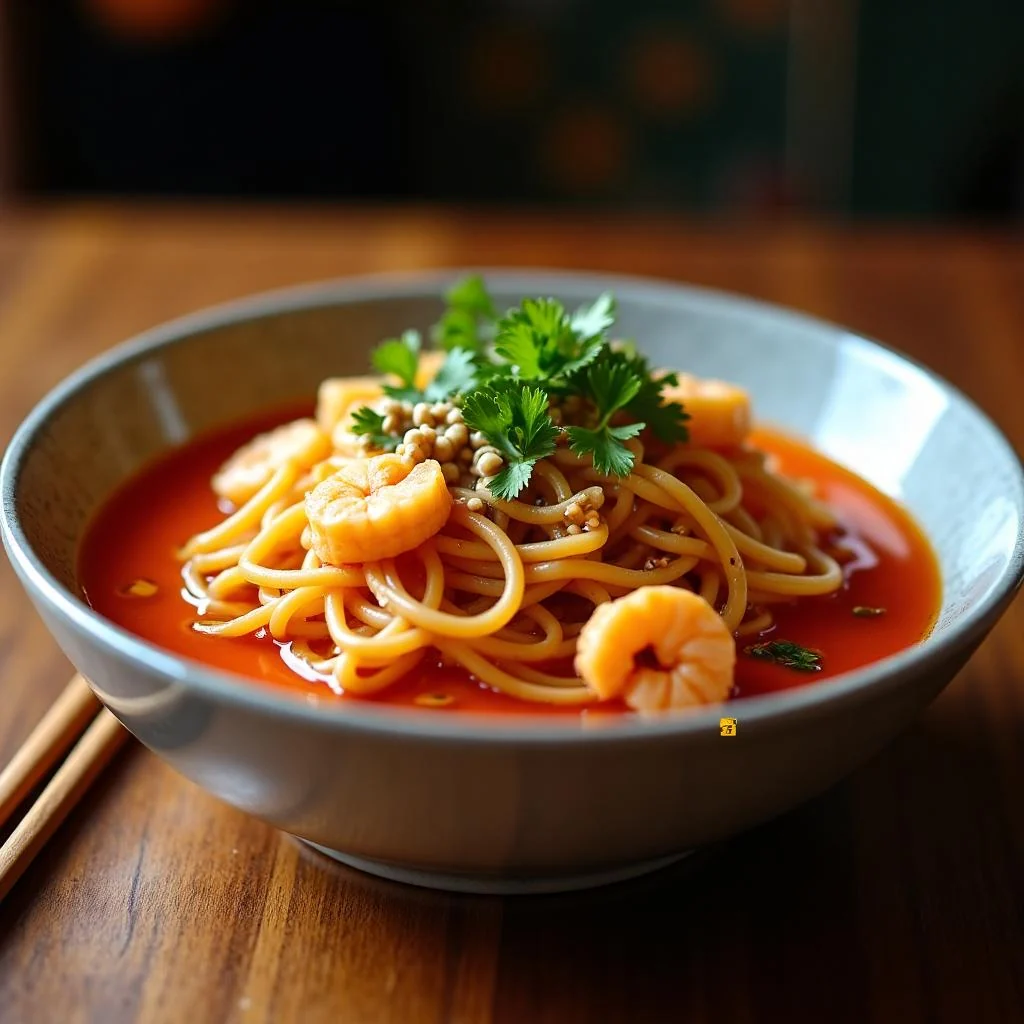
Ingredients
- 1 lb (450g) large shrimp, peeled and deveined
- 1/2 cup (120g) vegetable oil
- 2 cloves garlic, minced
- 1 tablespoon (15g) grated fresh ginger
- 1 cup (200g) mixed vegetables, such as bean sprouts, carrots, and green onions
- 1 cup (200g) cooked rice noodles
- 2 tablespoons (30g) tamarind paste
- 2 tablespoons (30g) fish sauce
- 1 tablespoon (15g) palm sugar
- 1 teaspoon salt
- 1/4 teaspoon black pepper
- 2 tablespoons (30g) chopped fresh cilantro
- 2 tablespoons (30g) chopped scallions
Instructions
- Start by cooking the rice noodles according to the package instructions. Typically, you'll want to soak the noodles in hot water for about 5-7 minutes, or until they're soft and pliable. Drain the noodles and set them aside.
- In a large bowl, whisk together the tamarind paste, fish sauce, palm sugar, salt, and black pepper. Add the minced garlic and grated ginger to the bowl and whisk until well combined.
- Heat 2 tablespoons of vegetable oil in a large skillet or wok over medium-high heat. Add the mixed vegetables and cook until they're tender-crisp, about 3-4 minutes.
- Add the cooked shrimp to the skillet and cook until they're pink and fully cooked, about 2-3 minutes per side.
- Add the cooked noodles to the skillet and stir to combine with the vegetables and shrimp. Cook for about 2 minutes, or until the noodles are well coated with the sauce.
- Pour the tamarind sauce into the skillet and stir to combine. Cook for about 1-2 minutes, or until the sauce has thickened and the noodles are well coated.
- Taste and adjust the seasoning as needed. You can add more salt, pepper, or fish sauce to taste.
- Transfer the noodles to a serving platter and garnish with chopped cilantro and scallions. Serve immediately and enjoy.
- To add some extra flavor and texture to the dish, you can also add some chopped peanuts or cashews on top of the noodles.
- If you want to make the dish more substantial, you can add some cooked chicken or beef to the noodles.
- To make the dish more spicy, you can add some sliced jalapenos or serrano peppers to the noodles.
- To make the dish more sour, you can add some freshly squeezed lime juice to the noodles.
- Finally, to make the dish more sweet, you can add some chopped fresh mango or pineapple to the noodles.