
Sweet and Sour Pork
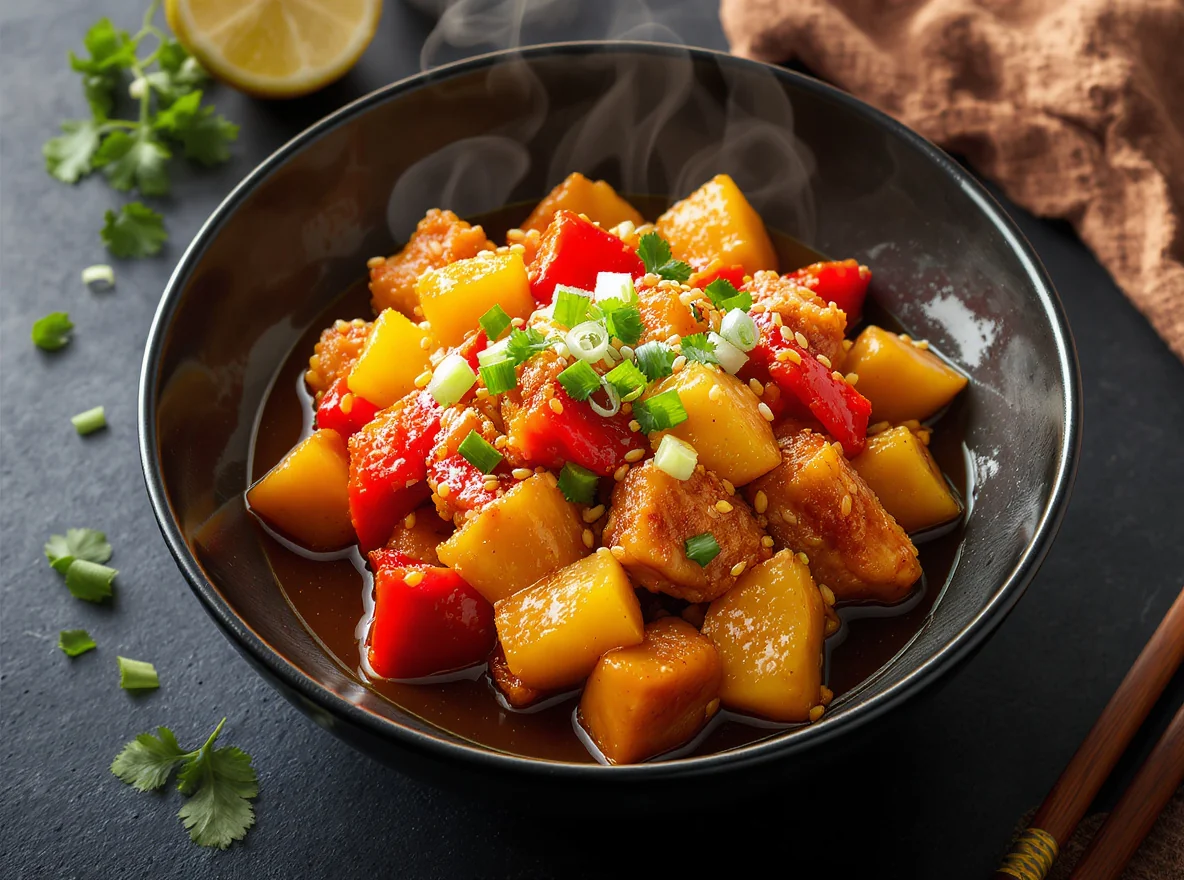
Sweet and sour pork is one of my favorite Chinese dishes to order at a restaurant, but I've always wanted to make it at home. After experimenting with different recipes and techniques, I've finally perfected a version that's even better than takeout. The key is to use a combination of crispy fried pork, fresh pineapple, and bell peppers, all tossed in a sweet and sour sauce that's both tangy and slightly sweet.
I love serving this dish at family gatherings and parties, as it's always a crowd-pleaser. The best part is that it's relatively easy to make, and can be prepared ahead of time to make it even more convenient. In this recipe, I'll walk you through the steps to make sweet and sour pork that's sure to become a staple in your household.
One of the things that sets this recipe apart is the use of a technique called velveting, which involves marinating the pork in a mixture of cornstarch, egg whites, and seasonings to give it a tender and silky texture. This step may seem optional, but trust me, it makes all the difference in the final dish.
Another important aspect of this recipe is the balance of flavors in the sweet and sour sauce. I've found that using a combination of ketchup, vinegar, and sugar gives the sauce a deep and complex flavor that's both sweet and tangy. You can adjust the amount of sugar to your taste, but be careful not to add too much, as it can quickly become overpowering.
Whether you're a seasoned cook or just starting out, this recipe is sure to become a favorite. It's perfect for a weeknight dinner or a special occasion, and can be served with a variety of sides, such as steamed vegetables or fried rice.
Why You’ll Love This Recipe
- This recipe is easy to make and requires minimal ingredients
- It's perfect for a weeknight dinner or a special occasion
- The dish is crowd-pleasing and can be served with a variety of sides
- The sweet and sour sauce is balanced and tangy, with a deep and complex flavor
- The velveting technique gives the pork a tender and silky texture
- The dish can be prepared ahead of time to make it even more convenient
Why This Recipe Works
The key to making great sweet and sour pork is to use a combination of high heat and quick cooking to give the pork a crispy exterior and a tender interior. This is achieved by using a hot wok or skillet and cooking the pork in small batches, so that it has a chance to develop a nice crust on the outside before it's overcooked.
Another important aspect of this recipe is the use of a balanced sauce that's both sweet and tangy. This is achieved by using a combination of ketchup, vinegar, and sugar, which gives the sauce a deep and complex flavor that's sure to please even the pickiest eaters.
The velveting technique used in this recipe is also important, as it helps to give the pork a tender and silky texture that's similar to what you'd find in a high-end Chinese restaurant. This is achieved by marinating the pork in a mixture of cornstarch, egg whites, and seasonings, which helps to break down the proteins in the meat and give it a smooth and even texture.
Finally, the use of fresh pineapple and bell peppers adds a burst of freshness and flavor to the dish, which helps to balance out the richness of the pork and the sauce. This is especially important in a dish like sweet and sour pork, where the flavors can quickly become overwhelming if they're not balanced properly.
Ingredients You’ll Need
To make this recipe, you'll need a variety of ingredients, including pork, pineapple, bell peppers, and a range of seasonings and sauces. The most important thing is to use high-quality ingredients that are fresh and flavorful, as this will make a big difference in the final dish.
When shopping for the ingredients, be sure to choose a pork that's lean and tender, such as pork loin or pork shoulder. You'll also want to select fresh pineapple and bell peppers that are firm and brightly colored, as these will add a burst of freshness and flavor to the dish.
- 1 lb (450g) pork loin or pork shoulder, cut into bite-sized piecesIt's essential to use a lean and tender cut of pork for this recipe, as it will help the pork to stay moist and flavorful during cooking. You can also use pork belly or pork ribs if you prefer a fattier cut.
- 1/2 cup (120g) cornstarchCornstarch is used to help thicken the sauce and give the pork a crispy coating. Make sure to use a high-quality cornstarch that's fresh and free of lumps.
- 2 egg whitesEgg whites are used to help velvet the pork and give it a tender and silky texture. Make sure to use fresh egg whites that are free of any visible imperfections or contaminants.
- 1/4 cup (60g) soy sauceSoy sauce is used to add depth and umami flavor to the dish. Make sure to use a high-quality soy sauce that's free of any additives or preservatives.
- 1/4 cup (60g) oyster sauce (optional)Oyster sauce is used to add a rich and savory flavor to the dish. If you don't have oyster sauce, you can omit it or substitute it with a combination of hoisin sauce and soy sauce.
- 1/4 cup (60g) ketchupKetchup is used to add a sweet and tangy flavor to the sauce. Make sure to use a high-quality ketchup that's free of any additives or preservatives.
- 1/4 cup (60g) vinegarVinegar is used to add a tangy and acidic flavor to the sauce. Make sure to use a high-quality vinegar that's free of any additives or preservatives.
- 2 tbsp (30g) sugarSugar is used to balance out the flavors in the sauce and add a touch of sweetness. Make sure to use a high-quality sugar that's free of any additives or preservatives.
- 2 tbsp (30g) vegetable oilVegetable oil is used to cook the pork and add a crispy texture to the dish. Make sure to use a high-quality vegetable oil that's free of any additives or preservatives.
- 1 tsp (5g) saltSalt is used to season the pork and add depth to the dish. Make sure to use a high-quality salt that's free of any additives or preservatives.
- 1/4 tsp (1.25g) black pepperBlack pepper is used to add a touch of spice and depth to the dish. Make sure to use a high-quality black pepper that's free of any additives or preservatives.
- 1 cup (120g) pineapple chunksPineapple is used to add a burst of freshness and flavor to the dish. Make sure to use fresh pineapple that's firm and brightly colored.
- 1 cup (120g) bell pepper chunksBell peppers are used to add a burst of freshness and flavor to the dish. Make sure to use fresh bell peppers that are firm and brightly colored.
- 2 cloves garlic, mincedGarlic is used to add depth and flavor to the dish. Make sure to use fresh garlic that's free of any visible imperfections or contaminants.
- 1 tsp (5g) grated gingerGinger is used to add depth and flavor to the dish. Make sure to use fresh ginger that's free of any visible imperfections or contaminants.
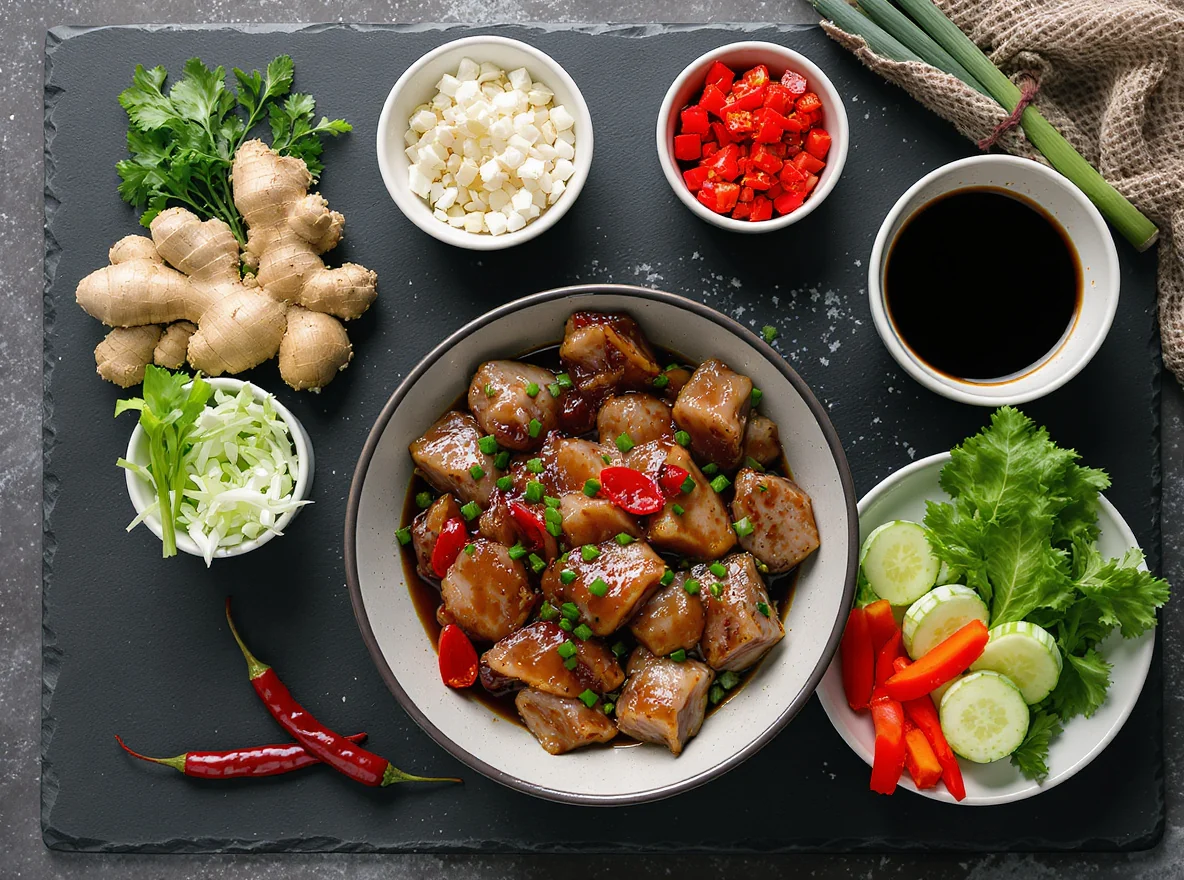
Equipment You’ll Need
How to Make Sweet and Sour Pork
- 1In a large bowl, whisk together the cornstarch, egg whites, and a pinch of salt. Add the pork pieces and toss to coat, making sure they are evenly covered with the cornstarch mixture. Let it marinate for at least 30 minutes, or up to 2 hours in the refrigerator.
- 2Heat 1 tablespoon of vegetable oil in a large skillet or wok over medium-high heat. When the oil is hot, add the pork pieces and cook until they are browned and crispy on all sides, about 5-7 minutes. Remove the pork from the skillet and set it aside on a plate.
- 3In the same skillet, add the remaining 1 tablespoon of vegetable oil. When the oil is hot, add the minced garlic and grated ginger and stir-fry until fragrant, about 30 seconds.
- 4Add the pineapple chunks and bell pepper chunks to the skillet and stir-fry until they are tender-crisp, about 3-4 minutes.
- 5In a small bowl, whisk together the soy sauce, oyster sauce (if using), ketchup, vinegar, and sugar. Pour the sauce into the skillet and bring it to a boil.
- 6Add the cooked pork back into the skillet and toss it with the sauce until the pork is evenly coated. Cook for an additional 2-3 minutes, until the sauce has thickened and the pork is heated through.
- 7Season the dish with salt and black pepper to taste.
- 8Transfer the sweet and sour pork to a serving platter and garnish with sliced scallions and sesame seeds (if using).
- 9Serve the dish immediately, with steamed rice or noodles on the side.
- 10To make the dish more substantial, you can add other ingredients such as carrots, snap peas, or baby corn to the stir-fry.
- 11To make the dish more spicy, you can add a few dashes of hot sauce or red pepper flakes to the sauce.
- 12To make the dish more sour, you can add a squeeze of fresh lemon juice or a splash of vinegar to the sauce.
- 13To make the dish more sweet, you can add a drizzle of honey or a sprinkle of sugar to the sauce.
Expert Tips
- Use a high-quality cornstarch that's fresh and free of lumps to help thicken the sauce and give the pork a crispy coating.
- Don't overcook the pork, as it can become tough and dry. Cook it until it's browned and crispy on the outside, and still juicy on the inside.
- Use a variety of colorful bell peppers to add a pop of color to the dish.
- Don't overcrowd the skillet, as this can cause the pork and vegetables to steam instead of sear. Cook them in batches if necessary.
- Use a wok or large skillet with a non-stick surface to prevent the pork and vegetables from sticking and to make cleanup easier.
- Add aromatics such as garlic and ginger to the skillet before adding the pork and vegetables to add depth and flavor to the dish.
- Use a combination of soy sauce, oyster sauce, and hoisin sauce to add a rich and savory flavor to the sauce.
- Don't be afraid to experiment with different ingredients and seasonings to make the dish your own.
Common Mistakes to Avoid
- Overcooking the pork, which can make it tough and dry.
- Not using enough cornstarch, which can result in a sauce that's too thin and watery.
- Not cooking the pork and vegetables in batches, which can cause them to steam instead of sear.
- Not using a high-quality soy sauce, which can result in a dish that's lacking in depth and flavor.
- Not balancing the flavors in the sauce, which can result in a dish that's too sweet, sour, or salty.
- Not garnishing the dish with fresh herbs or scallions, which can add a pop of color and freshness to the dish.
Variations and Substitutions
- Add other ingredients such as carrots, snap peas, or baby corn to the stir-fry to make the dish more substantial.
- Use different types of protein such as chicken, beef, or tofu to make the dish more versatile.
- Add a spicy kick to the dish by incorporating hot sauce or red pepper flakes into the sauce.
- Make the dish more sour by adding a splash of vinegar or a squeeze of fresh lemon juice to the sauce.
- Make the dish more sweet by adding a drizzle of honey or a sprinkle of sugar to the sauce.
- Use different types of vinegar such as apple cider vinegar or balsamic vinegar to add a unique flavor to the sauce.
- Add a splash of wine or sake to the sauce to add a depth of flavor and a touch of sophistication to the dish.
What to Serve With Sweet and Sour Pork
Sweet and sour pork is a versatile dish that can be served with a variety of sides, such as steamed rice, noodles, or vegetables. You can also serve it as a main course, accompanied by a simple green salad or a side of dumplings.
Some popular sides to serve with sweet and sour pork include:
Make-Ahead, Storage, Freezing and Reheating
To store sweet and sour pork, let it cool to room temperature and then refrigerate or freeze it. Refrigerated sweet and sour pork will keep for up to 3 days, while frozen sweet and sour pork will keep for up to 2 months.
To reheat sweet and sour pork, simply microwave it or reheat it in a wok or skillet with a little oil until it's hot and crispy. You can also add a splash of water or sauce to the dish to prevent it from drying out.
Some tips for storing and reheating sweet and sour pork include:
Make sure to store the dish in an airtight container to prevent it from drying out or absorbing odors from other foods in the refrigerator.
Reheat the dish in small batches to prevent it from becoming mushy or overcooked.
Add a splash of water or sauce to the dish to prevent it from drying out and to keep it moist and flavorful.
Frequently Asked Questions
What type of pork is best for sweet and sour pork?
The best type of pork for sweet and sour pork is a lean and tender cut, such as pork loin or pork shoulder. You can also use pork belly or pork ribs if you prefer a fattier cut.
Can I use frozen pineapple and bell peppers?
Yes, you can use frozen pineapple and bell peppers, but make sure to thaw them first and pat them dry with a paper towel to remove excess moisture.
Can I make sweet and sour pork ahead of time?
Yes, you can make sweet and sour pork ahead of time and refrigerate or freeze it for later use. Simply reheat it in a wok or skillet with a little oil until it's hot and crispy.
Can I customize the sauce to my taste?
Yes, you can customize the sauce to your taste by adding more or less of any ingredient. For example, you can add more sugar to make it sweeter, or more vinegar to make it more sour.
What are some common mistakes to avoid when making sweet and sour pork?
Some common mistakes to avoid when making sweet and sour pork include overcooking the pork, not using enough cornstarch, and not balancing the flavors in the sauce.
Can I serve sweet and sour pork as a main course?
Yes, you can serve sweet and sour pork as a main course, accompanied by a simple green salad or a side of dumplings.
Can I make sweet and sour pork in a slow cooker?
Yes, you can make sweet and sour pork in a slow cooker. Simply brown the pork and cook the vegetables in a skillet, then transfer everything to the slow cooker and cook on low for 2-3 hours.
Can I freeze sweet and sour pork?
Yes, you can freeze sweet and sour pork for up to 2 months. Simply let it cool to room temperature, then transfer it to an airtight container or freezer bag and store it in the freezer.
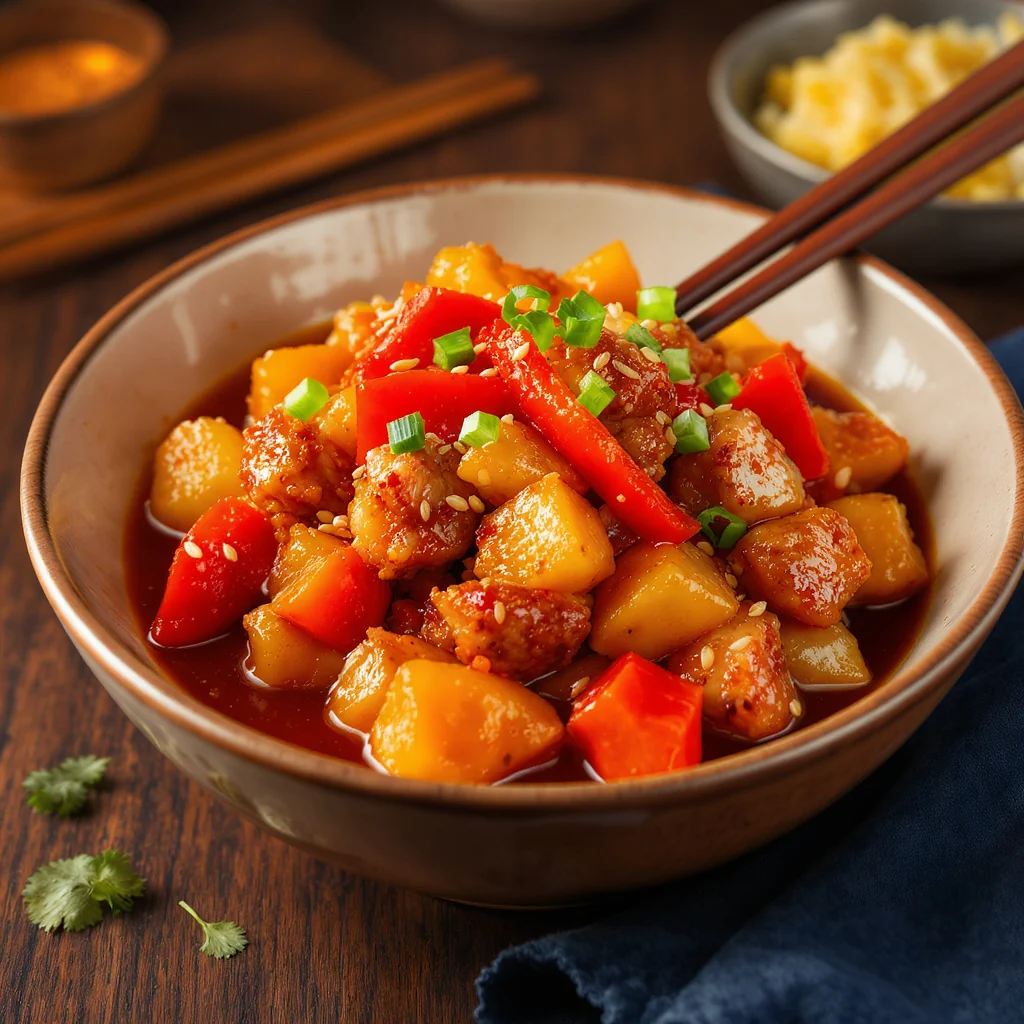
Ingredients
- 1 lb (450g) pork loin or pork shoulder, cut into bite-sized pieces
- 1/2 cup (120g) cornstarch
- 2 egg whites
- 1/4 cup (60g) soy sauce
- 1/4 cup (60g) oyster sauce (optional)
- 1/4 cup (60g) ketchup
- 1/4 cup (60g) vinegar
- 2 tbsp (30g) sugar
- 2 tbsp (30g) vegetable oil
- 1 tsp (5g) salt
- 1/4 tsp (1.25g) black pepper
- 1 cup (120g) pineapple chunks
- 1 cup (120g) bell pepper chunks
- 2 cloves garlic, minced
- 1 tsp (5g) grated ginger
Instructions
- In a large bowl, whisk together the cornstarch, egg whites, and a pinch of salt. Add the pork pieces and toss to coat, making sure they are evenly covered with the cornstarch mixture. Let it marinate for at least 30 minutes, or up to 2 hours in the refrigerator.
- Heat 1 tablespoon of vegetable oil in a large skillet or wok over medium-high heat. When the oil is hot, add the pork pieces and cook until they are browned and crispy on all sides, about 5-7 minutes. Remove the pork from the skillet and set it aside on a plate.
- In the same skillet, add the remaining 1 tablespoon of vegetable oil. When the oil is hot, add the minced garlic and grated ginger and stir-fry until fragrant, about 30 seconds.
- Add the pineapple chunks and bell pepper chunks to the skillet and stir-fry until they are tender-crisp, about 3-4 minutes.
- In a small bowl, whisk together the soy sauce, oyster sauce (if using), ketchup, vinegar, and sugar. Pour the sauce into the skillet and bring it to a boil.
- Add the cooked pork back into the skillet and toss it with the sauce until the pork is evenly coated. Cook for an additional 2-3 minutes, until the sauce has thickened and the pork is heated through.
- Season the dish with salt and black pepper to taste.
- Transfer the sweet and sour pork to a serving platter and garnish with sliced scallions and sesame seeds (if using).
- Serve the dish immediately, with steamed rice or noodles on the side.
- To make the dish more substantial, you can add other ingredients such as carrots, snap peas, or baby corn to the stir-fry.
- To make the dish more spicy, you can add a few dashes of hot sauce or red pepper flakes to the sauce.
- To make the dish more sour, you can add a squeeze of fresh lemon juice or a splash of vinegar to the sauce.
- To make the dish more sweet, you can add a drizzle of honey or a sprinkle of sugar to the sauce.