
Korean Beef Bulgogi Bowl
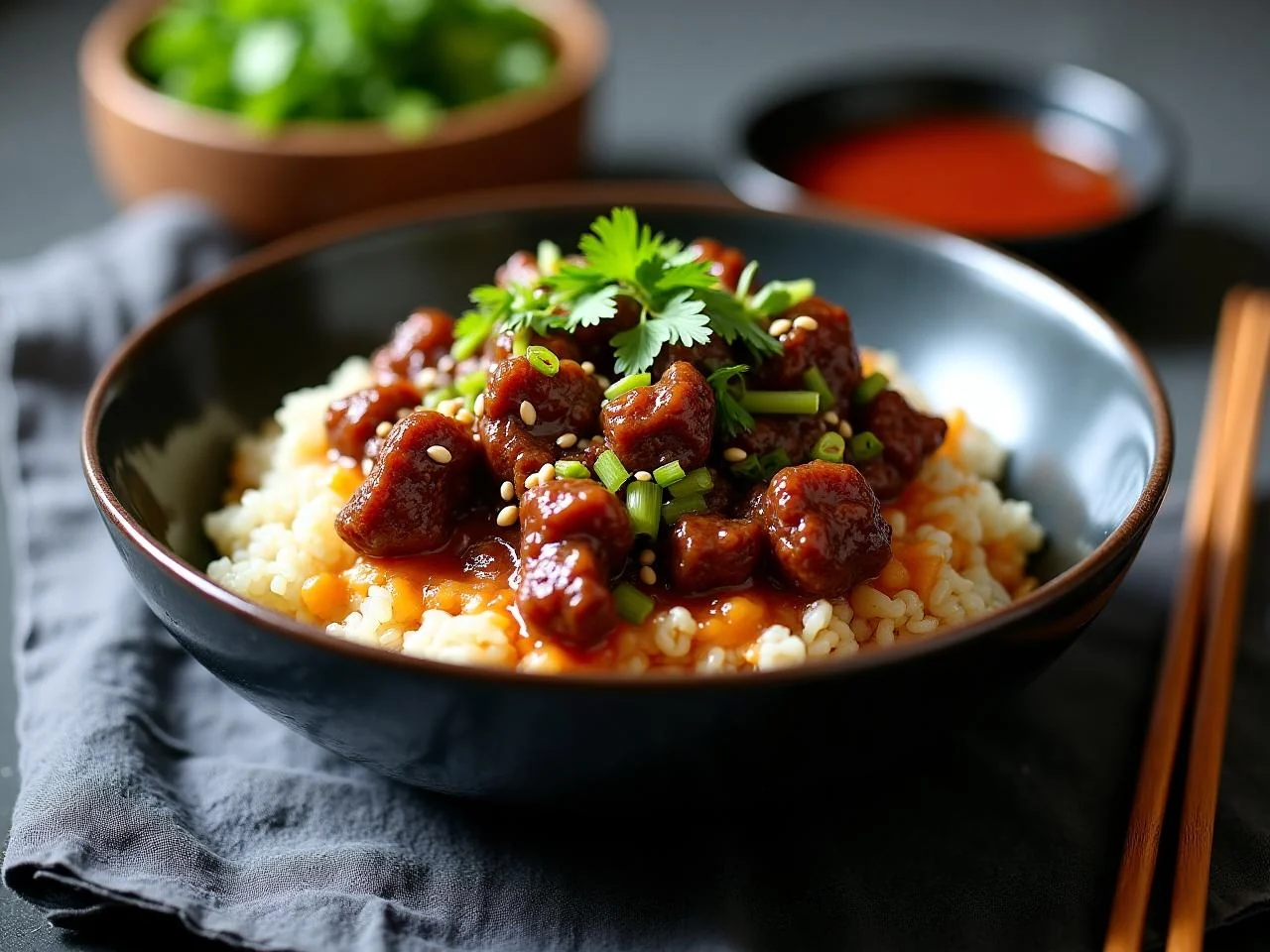
I still remember the first time I had a Korean Beef Bulgogi Bowl - the combination of tender beef, crunchy vegetables, and flavorful sauce over a bed of fluffy rice was love at first bite. Since then, I've been on a mission to perfect this dish at home, and I'm excited to share my recipe with you. This Korean Beef Bulgogi Bowl is a staple in my household, and I know it will become one in yours too.
The beauty of this recipe lies in its simplicity and versatility. With just a few ingredients and some basic cooking techniques, you can create a restaurant-quality dish that's sure to impress your family and friends. The best part? It's ready in under 30 minutes, making it perfect for a weeknight dinner.
In this recipe, we'll be using a combination of Asian-inspired ingredients like soy sauce, sesame oil, and Gochujang to give our beef a deep, savory flavor. We'll also be adding some crunchy texture with quick pickled cucumber and toasted sesame seeds. And of course, no Korean dish is complete without a bowl of fluffy rice to soak up all the juices.
Whether you're a seasoned cook or a beginner in the kitchen, this recipe is perfect for anyone looking to try their hand at Korean cuisine. So let's get started and make this delicious Korean Beef Bulgogi Bowl!
As we cook our way through this recipe, I'll be sharing some tips and tricks to help you achieve the perfect balance of flavors and textures. From the importance of marinating the beef to the technique of cooking the rice just right, we'll cover it all. By the end of this recipe, you'll be a pro at making Korean Beef Bulgogi Bowls and will be able to impress your friends and family with your culinary skills.
Why You’ll Love This Recipe
- This recipe is easy to make and requires minimal ingredients.
- It's perfect for a weeknight dinner, ready in under 30 minutes.
- The combination of flavors and textures is unique and exciting.
- It's a great way to introduce yourself to Korean cuisine.
- You can customize the recipe to suit your tastes and dietary preferences.
- It's a healthy and nutritious option, packed with protein and fiber.
- It's a budget-friendly option, using affordable ingredients.
Why This Recipe Works
The key to a great Korean Beef Bulgogi Bowl is in the marinade. By combining soy sauce, sesame oil, and Gochujang, we create a rich, savory sauce that tenderizes the beef and adds depth of flavor. The acidity in the soy sauce helps to break down the proteins in the meat, making it tender and juicy.
Another important aspect of this recipe is the cooking technique. By cooking the beef in a hot skillet with some oil, we achieve a nice sear on the outside while keeping the inside tender and juicy. This is thanks to the Maillard reaction, a chemical reaction that occurs when amino acids and reducing sugars are exposed to heat, resulting in a rich, caramelized crust.
Finally, the combination of textures in this dish is what really makes it special. The crunchy pickled cucumber and toasted sesame seeds add a nice contrast to the soft, fluffy rice and tender beef. This variety of textures keeps the dish interesting and engaging, making it a joy to eat.
By understanding the science behind this recipe, we can appreciate the complexity and beauty of Korean cuisine. From the balance of flavors to the combination of textures, every element of this dish is carefully considered to create a harmonious and delicious whole.
Ingredients You’ll Need
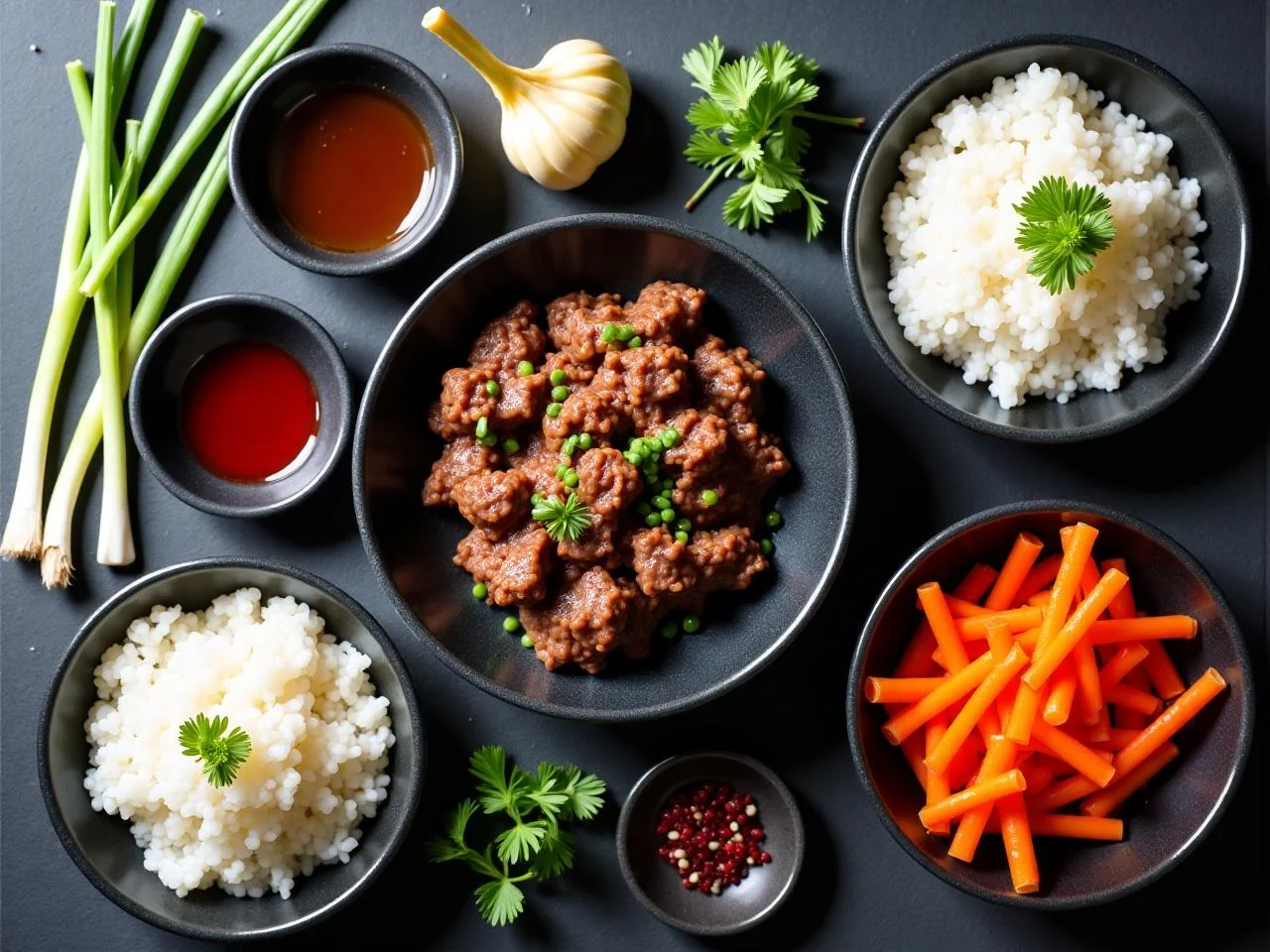
To make this Korean Beef Bulgogi Bowl, you'll need a few key ingredients. These include thinly sliced beef, soy sauce, sesame oil, Gochujang, and rice. You'll also need some vegetables like cucumber and scallions, as well as some toasted sesame seeds for garnish. Don't worry if you're not familiar with some of these ingredients - they're all easily accessible at most Asian markets or online.
When shopping for ingredients, be sure to choose high-quality options. Opt for thinly sliced beef that's suitable for stir-frying, and use a good-quality soy sauce that's low in sodium. You can also customize the recipe to suit your tastes and dietary preferences - for example, you can use gluten-free soy sauce or substitute the beef with chicken or tofu.
- 1 lb (450g) beef (ribeye or sirloin), thinly slicedChoose a high-quality beef that's suitable for stir-frying. You can also use other cuts of beef, such as flank steak or skirt steak, but ribeye or sirloin work best.
- 1/4 cup (60ml) soy sauceUse a low-sodium soy sauce to avoid over-salting the dish. You can also use gluten-free soy sauce if you have dietary restrictions.
- 2 tbsp (30ml) sesame oilSesame oil has a distinct nutty flavor that's essential to Korean cuisine. Use a high-quality sesame oil that's fresh and not rancid.
- 2 tbsp (30g) GochujangGochujang is a Korean chili paste that adds depth and heat to the dish. You can adjust the amount to suit your spice level.
- 2 cloves garlic, mincedGarlic is a fundamental ingredient in Korean cuisine, and it adds a pungent flavor to the dish. Use fresh garlic for the best flavor.
- 1 tsp (5g) grated gingerGinger adds a warm, spicy flavor to the dish. Use fresh ginger for the best flavor, and grate it just before using.
- 1 cup (200g) cooked white riceUse short-grain rice, such as Japanese or Korean rice, for the best results. You can also use brown rice or other varieties of rice, but short-grain rice works best.
- 1/2 cup (50g) sliced cucumberUse a thin-skinned cucumber, such as an English or hothouse cucumber, for the best results. Slice it just before using to prevent it from becoming soggy.
- 1/4 cup (30g) toasted sesame seedsToasted sesame seeds add a nutty flavor and crunchy texture to the dish. You can toast them in a dry pan or in the oven until fragrant and lightly browned.
- 2 scallions, thinly slicedScallions add a fresh, oniony flavor to the dish. Use them as a garnish, and slice them just before using to prevent them from becoming soggy.
- Salt and pepper to tasteUse salt and pepper to season the dish to taste. You can also use other seasonings, such as sugar or red pepper flakes, to customize the flavor to your taste.
Equipment You’ll Need
How to Make Korean Beef Bulgogi Bowl
- 1In a large bowl, whisk together soy sauce, sesame oil, Gochujang, garlic, and ginger to make the marinade.
- 2Add the sliced beef to the marinade and toss to coat. Cover the bowl with plastic wrap and refrigerate for at least 30 minutes or up to 2 hours.
- 3Cook the rice according to package instructions or using a rice cooker. Set aside.
- 4Heat 1 tablespoon of sesame oil in a large skillet or wok over medium-high heat. Remove the beef from the marinade, letting any excess liquid drip off. Add the beef to the skillet and cook for 3-4 minutes per side, or until cooked to your desired level of doneness.
- 5Transfer the cooked beef to a plate and set aside. In the same skillet, add the sliced cucumber and cook for 1-2 minutes, or until slightly tender. Season with salt and pepper to taste.
- 6To assemble the bowls, divide the cooked rice between four bowls. Slice the cooked beef into thin strips and place on top of the rice. Add the cooked cucumber and toasted sesame seeds.
- 7Garnish with thinly sliced scallions and serve immediately.
- 8Drizzle with additional soy sauce and sesame oil, if desired.
- 9Serve with additional kimchi or other Korean sides, if desired.
- 10Store any leftovers in an airtight container in the refrigerator for up to 3 days. Reheat in the microwave or on the stovetop until warmed through.
- 11To freeze, place the cooked beef and rice in an airtight container or freezer bag and store in the freezer for up to 2 months. Reheat in the microwave or on the stovetop until warmed through.
Expert Tips
- Use a high-quality soy sauce that's low in sodium to avoid over-salting the dish.
- Don't overcook the beef - it should be cooked to your desired level of doneness, but still juicy and tender.
- Use a variety of textures and colors to make the dish visually appealing.
- Customize the recipe to suit your tastes and dietary preferences.
- Use fresh and high-quality ingredients for the best flavor and texture.
- Don't be afraid to experiment and try new ingredients or seasonings.
- Use a thermometer to ensure the beef is cooked to a safe internal temperature.
- Let the dish rest for a few minutes before serving to allow the flavors to meld together.
Common Mistakes to Avoid
- Overcooking the beef, making it tough and dry.
- Not using enough marinade, resulting in a lack of flavor.
- Not cooking the rice properly, resulting in a mushy or undercooked texture.
- Not using fresh and high-quality ingredients, resulting in a lack of flavor and texture.
- Not customizing the recipe to suit your tastes and dietary preferences.
- Not letting the dish rest before serving, resulting in a lack of flavor and texture.
Variations and Substitutions
- Use chicken or tofu instead of beef for a vegetarian or vegan option.
- Add other vegetables, such as bell peppers or carrots, to the dish for added flavor and texture.
- Use different seasonings, such as sugar or red pepper flakes, to customize the flavor to your taste.
- Add kimchi or other Korean sides to the dish for added flavor and texture.
- Use a variety of colors and textures to make the dish visually appealing.
- Serve the dish with a fried egg or other protein for added richness and flavor.
- Use a different type of rice, such as brown rice or cauliflower rice, for a low-carb option.
What to Serve With Korean Beef Bulgogi Bowl
This Korean Beef Bulgogi Bowl is perfect for serving as a weeknight dinner or as a special occasion meal. You can customize the recipe to suit your tastes and dietary preferences, and add other Korean sides, such as kimchi or bibimbap, for added flavor and texture.
Some other ideas for serving this dish include adding a fried egg or other protein for added richness and flavor, or using a variety of colors and textures to make the dish visually appealing. You can also serve the dish with a side of steamed vegetables or a green salad for a healthy and balanced meal.
Make-Ahead, Storage, Freezing and Reheating
This Korean Beef Bulgogi Bowl can be stored in an airtight container in the refrigerator for up to 3 days. Reheat in the microwave or on the stovetop until warmed through.
To freeze, place the cooked beef and rice in an airtight container or freezer bag and store in the freezer for up to 2 months. Reheat in the microwave or on the stovetop until warmed through.
When reheating, be sure to heat the dish to an internal temperature of at least 165°F (74°C) to ensure food safety. You can also add a little water or broth to the dish if it becomes dry or thick during reheating.
In addition to refrigerating or freezing, you can also store the components of the dish separately. For example, you can store the cooked rice in an airtight container in the refrigerator for up to 3 days, or freeze it for up to 2 months. The cooked beef can be stored in an airtight container in the refrigerator for up to 3 days, or frozen for up to 2 months.
Frequently Asked Questions
What type of beef is best for this recipe?
Thinly sliced ribeye or sirloin work best for this recipe. You can also use other cuts of beef, such as flank steak or skirt steak, but ribeye or sirloin work best.
Can I use other types of protein instead of beef?
Yes, you can use chicken or tofu instead of beef for a vegetarian or vegan option. Simply marinate and cook the protein according to the recipe instructions.
How do I cook the rice properly?
Cook the rice according to package instructions or using a rice cooker. Use short-grain rice, such as Japanese or Korean rice, for the best results.
Can I customize the recipe to suit my tastes and dietary preferences?
Yes, you can customize the recipe to suit your tastes and dietary preferences. Use different seasonings, such as sugar or red pepper flakes, to customize the flavor to your taste. You can also add other vegetables, such as bell peppers or carrots, to the dish for added flavor and texture.
How do I store and reheat the dish?
Store the dish in an airtight container in the refrigerator for up to 3 days. Reheat in the microwave or on the stovetop until warmed through. You can also freeze the dish for up to 2 months and reheat in the microwave or on the stovetop until warmed through.
What are some other Korean sides I can serve with this dish?
Some other Korean sides you can serve with this dish include kimchi, bibimbap, and steamed vegetables. You can also serve the dish with a green salad or other healthy and balanced options.
Can I make this dish ahead of time?
Yes, you can make this dish ahead of time. Simply cook the beef and rice, and store them in separate airtight containers in the refrigerator for up to 3 days. Reheat in the microwave or on the stovetop until warmed through.
How do I prevent the dish from becoming dry or thick during reheating?
To prevent the dish from becoming dry or thick during reheating, add a little water or broth to the dish if it becomes dry or thick. You can also use a thermometer to ensure the dish is heated to an internal temperature of at least 165°F (74°C) to ensure food safety.
Ingredients
- 1 lb (450g) beef (ribeye or sirloin), thinly sliced
- 1/4 cup (60ml) soy sauce
- 2 tbsp (30ml) sesame oil
- 2 tbsp (30g) Gochujang
- 2 cloves garlic, minced
- 1 tsp (5g) grated ginger
- 1 cup (200g) cooked white rice
- 1/2 cup (50g) sliced cucumber
- 1/4 cup (30g) toasted sesame seeds
- 2 scallions, thinly sliced
- Salt and pepper to taste
Instructions
- In a large bowl, whisk together soy sauce, sesame oil, Gochujang, garlic, and ginger to make the marinade.
- Add the sliced beef to the marinade and toss to coat. Cover the bowl with plastic wrap and refrigerate for at least 30 minutes or up to 2 hours.
- Cook the rice according to package instructions or using a rice cooker. Set aside.
- Heat 1 tablespoon of sesame oil in a large skillet or wok over medium-high heat. Remove the beef from the marinade, letting any excess liquid drip off. Add the beef to the skillet and cook for 3-4 minutes per side, or until cooked to your desired level of doneness.
- Transfer the cooked beef to a plate and set aside. In the same skillet, add the sliced cucumber and cook for 1-2 minutes, or until slightly tender. Season with salt and pepper to taste.
- To assemble the bowls, divide the cooked rice between four bowls. Slice the cooked beef into thin strips and place on top of the rice. Add the cooked cucumber and toasted sesame seeds.
- Garnish with thinly sliced scallions and serve immediately.
- Drizzle with additional soy sauce and sesame oil, if desired.
- Serve with additional kimchi or other Korean sides, if desired.
- Store any leftovers in an airtight container in the refrigerator for up to 3 days. Reheat in the microwave or on the stovetop until warmed through.
- To freeze, place the cooked beef and rice in an airtight container or freezer bag and store in the freezer for up to 2 months. Reheat in the microwave or on the stovetop until warmed through.