It all started on a rainy Saturday when I tried to salvage yesterday’s dinner into a quick weeknight meal. The rice was cold, the veggies had lost their bite, and my pantry felt like a battlefield of forgotten sauces. I stared at the pot, thinking, “Why is this so bland?” Then, a flash of inspiration: soy sauce, sesame oil, garlic, and a dash of sugar. The kitchen was suddenly alive with the promise of a dish that could transform leftovers into something that felt like a restaurant‑grade plate. I was ready to test a new method that would make every grain of rice sing.
The moment the soy sauce hit the sizzling wok, the aroma hit me like a wave of umami that could have sworn I was in a dimly lit Asian market. The sound was a satisfying hiss, the heat a gentle, steady burn that coaxed the rice into a golden, slightly crisp texture. My eyes saw the grains separating, the veggies brightening, and the oil shimmering like liquid gold. I could almost taste the salty tang and the subtle sweetness that clung to each grain. The kitchen felt electric, the air thick with anticipation.
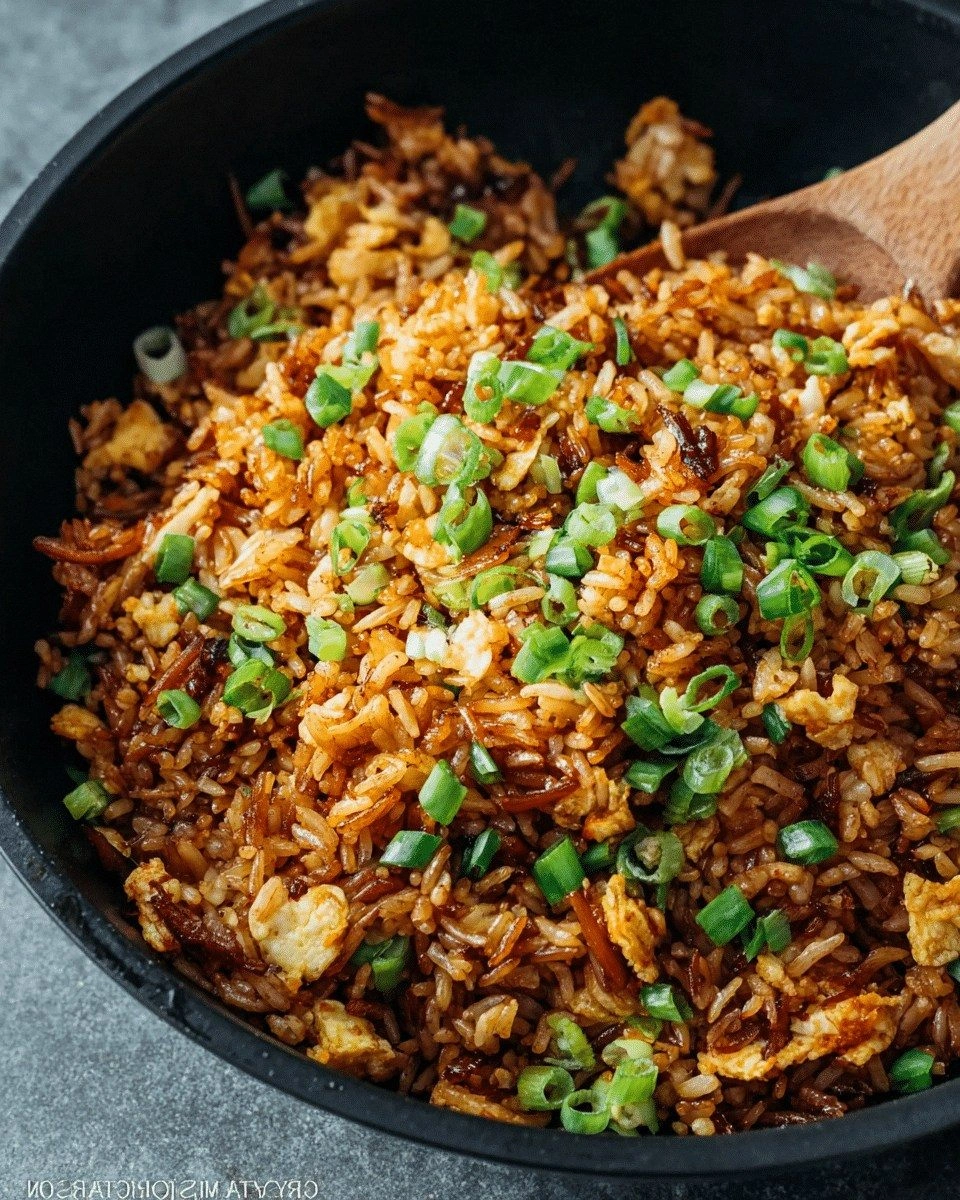
I’m not just talking about a recipe; I’m sharing a culinary revelation that turns a simple bowl of rice into an experience. This version of soy sauce fried rice is not only about flavor—it’s about technique, timing, and the little details that elevate the dish from ordinary to extraordinary. I’ve refined the method to keep the rice fluffy yet slightly caramelized, to lock in moisture with just the right amount of oil, and to balance the salty, sweet, and savory notes into a harmonious chorus. If you’ve ever settled for a mediocre fried rice, this is the game‑changer you’ve been waiting for.
So, grab your wok, your favorite soy sauce, and let’s dive into the process that will make you wonder how you ever cooked fried rice any other way. I’ll walk you through every single step, from prepping the rice to that final garnish that makes the dish look as good as it tastes. By the end, I dare you to taste this and not go back for seconds.
What Makes This Version Stand Out
- Flavor Depth: The combination of soy sauce, sesame oil, and a pinch of sugar creates a layered taste that feels both comforting and sophisticated. Each bite delivers a savory backbone with a gentle caramelized edge.
- Texture Contrast: The rice stays fluffy yet develops a subtle crust on the bottom, while the veggies stay crisp. This duality keeps every mouthful exciting.
- Ease of Prep: With day‑old rice, pre‑cut veggies, and a handful of pantry staples, you can have this dish on the table in 45 minutes. No elaborate marinating or long cooking times.
- Ingredient Flexibility: Whether you’re a vegetarian or a meat lover, the recipe adapts. Swap shrimp for tofu, or add diced chicken for protein‑heavy dinners.
- Make‑Ahead Friendly: The dish actually tastes better the next day because the flavors meld. It’s perfect for meal‑prep enthusiasts.
- Visual Appeal: The bright green of peas, the orange of carrots, and the glossy sheen of soy sauce make the plate pop, turning a humble bowl into Instagram‑ready food.
- Balanced Nutrition: With protein from eggs or shrimp, fiber from veggies, and healthy fats from sesame oil, it’s a balanced meal that satisfies without overindulging.
Inside the Ingredient List
The Flavor Base
The heart of this dish is the sauce that coats every grain. A generous splash of high‑quality soy sauce (or a blend of light and dark for depth) provides the savory backbone. Adding a teaspoon of sugar balances the saltiness, creating a subtle caramelization that lifts the flavor. Sesame oil, though used sparingly, offers a nutty aroma that elevates the entire dish. If you’re watching sodium, you can reduce the soy sauce slightly and compensate with a pinch of salt.
The Texture Crew
Day‑old rice is the secret weapon. Its moisture content allows it to fry without becoming mushy, and the slightly dry surface creates that coveted crispy edge. Fresh or frozen peas keep the dish bright and add a pop of color, while diced carrots bring natural sweetness and crunch. The beaten eggs, stirred in just before the rice finishes cooking, add protein and a silky texture that binds everything together. A splash of vegetable oil ensures the rice doesn’t stick, and the green onions finish the dish with a fresh, sharp note.
The Unexpected Star
A handful of minced garlic is essential; it infuses the oil with a warm, aromatic base. Small diced onion adds sweetness and depth. If you’re adventurous, a dash of chili flakes introduces a gentle heat that contrasts nicely with the soy’s saltiness. Optional proteins such as shrimp or diced chicken can be added for a heartier meal, but the dish remains stellar on its own.
The Final Flourish
The finishing touch is a drizzle of sesame oil and a sprinkle of sliced green onions. This step adds brightness and a subtle nutty flavor that ties all the components together. The final garnish also gives the dish a professional, restaurant‑style look, making it perfect for impressing guests or feeding the family after a long day.
Everything's prepped? Good. Let's get into the real action...
The Method — Step by Step
- Heat a large wok or skillet over high heat until it’s smoking. Add 2 tablespoons of sesame oil, letting it swirl around the pan. The oil should shimmer without smoking excessively—this is the first cue that the heat is right.
- Add the minced garlic and diced onion. Sauté for 30 seconds until fragrant. The aromatics should release their essential oils, filling the kitchen with a savory perfume that makes you crave the final dish.
- Introduce the diced carrots and frozen peas. Stir-fry for 2 minutes until the carrots soften just enough to keep their shape. This step ensures the veggies stay crisp and colorful, providing a textural counterpoint to the rice.
- Push the vegetables to one side of the wok. Pour in the beaten eggs on the empty side, letting them scramble into fluffy ribbons. Once cooked, mix the eggs with the vegetables, ensuring an even distribution.
- Add the day‑old rice, breaking up any clumps with your spatula. Spread the rice out evenly, letting it sit untouched for 30 seconds to develop a slight crust. This is the moment of truth; the rice should be sizzling and slightly toasted.
- Drizzle the soy sauce and sprinkle the sugar over the rice. Toss vigorously, making sure every grain is coated. The sauce should coat the rice like a glossy glaze, and the sugar will help create that caramelized finish.
- Season with 1 teaspoon of salt and 1/2 teaspoon of black pepper. Stir for another minute, allowing the flavors to meld. The rice should emit a warm, savory aroma and the edges should start pulling away from the wok.
- Add the optional protein—shrimp or diced chicken—if using. Cook for 2 minutes until the protein is heated through. The final touch is a splash of sesame oil, a sprinkle of green onions, and a dash of chili flakes if you like heat.
That’s it — you did it. But hold on, I’ve got a few more tricks that will take this to another level...
Insider Tricks for Flawless Results
The Temperature Rule Nobody Follows
Many cooks lower the heat midway, but this dish thrives on a consistent high temperature. Keep the wok hot throughout; this ensures the rice crisps without steaming. If the oil starts smoking, reduce the heat slightly, but never let it drop below medium‑high.
Why Your Nose Knows Best
Smell the rice as it cooks. A pleasant, toasted aroma means the rice is caramelizing properly. If you notice a metallic or burnt scent, the heat is too high—let the wok cool for a moment before resuming.
The 5-Minute Rest That Changes Everything
After you finish cooking, let the fried rice sit covered for 5 minutes. This brief rest allows the flavors to settle and the rice to steam slightly, making it fluffier and more cohesive.
The Secret of the Perfect Sauce Ratio
If you prefer a sweeter taste, add an extra teaspoon of sugar. For a more robust umami flavor, use a splash of oyster sauce alongside soy. Experimentation is key—taste as you go.
Avoiding Sticky Rice
Stir the rice gently rather than vigorously. Over‑stirring can break the grains and create a gluey texture. Use a wide spatula to spread the rice evenly, then let it sit to develop that desirable crust.
The Final Touch of Green
Add sliced green onions just before serving. Their bright flavor cuts through the richness of the sauce and gives the dish a fresh finish that balances the overall taste.
Creative Twists and Variations
This recipe is a playground. Here are some of my favorite ways to switch things up:
Coconut Curry Fried Rice
Swap the soy sauce for a splash of coconut milk and add a teaspoon of curry powder. The result is a creamy, fragrant dish that feels like a tropical escape.
Spicy Szechuan Stir‑Up
Add a tablespoon of Szechuan peppercorn paste and a pinch of chili oil. The numbing heat pairs perfectly with the savory base.
Mediterranean Medley
Replace the soy sauce with a light fish sauce, toss in sun‑dried tomatoes, olives, and a sprinkle of oregano. It’s a Mediterranean twist that surprises the palate.
Veggie‑Loaded Buddha Bowl
Add extra veggies—bell peppers, broccoli, and edamame—then serve over a bed of quinoa for a protein‑rich, colorful bowl.
Protein‑Packed Powerhouse
Swap the eggs for diced tofu or tempeh, marinating them in soy sauce before stir‑frying. This version is perfect for a hearty plant‑based meal.
Storing and Bringing It Back to Life
Fridge Storage
Store leftovers in an airtight container for up to 3 days. Keep the rice and veggies separate if possible; this prevents moisture from turning the rice soggy. When ready to reheat, sprinkle a splash of water to create steam and restore moisture.
Freezer Friendly
Freeze in a freezer‑safe container for up to 2 weeks. Thaw overnight in the fridge, then reheat in a skillet with a tablespoon of water or broth. The rice will regain its fluffy texture.
Best Reheating Method
Reheat over medium heat, stirring frequently, until steaming hot. Add a small splash of sesame oil or soy sauce to revive the flavor. If the rice feels dry, sprinkle a teaspoon of water and cover for a minute to create steam.