I was standing in my kitchen, half‑asleep, watching a pot of caramel dance on the stove while my roommate dared me to “make something that’ll make the whole house smell like a New Orleans street fair.” I laughed, grabbed a bag of pecans, and thought, why not try the legendary praline that my grandma swore by? The first batch was a disaster: the sugar crystallized into a gritty mess that stuck to the spoon like sand in a shoe. I was ready to toss it, but then a tiny voice in my head whispered, I dare you to taste this and not go back for seconds. So I went back to the drawing board, consulted a few old Southern cooks, and emerged with a version that makes the original look like a bland after‑dinner mint.
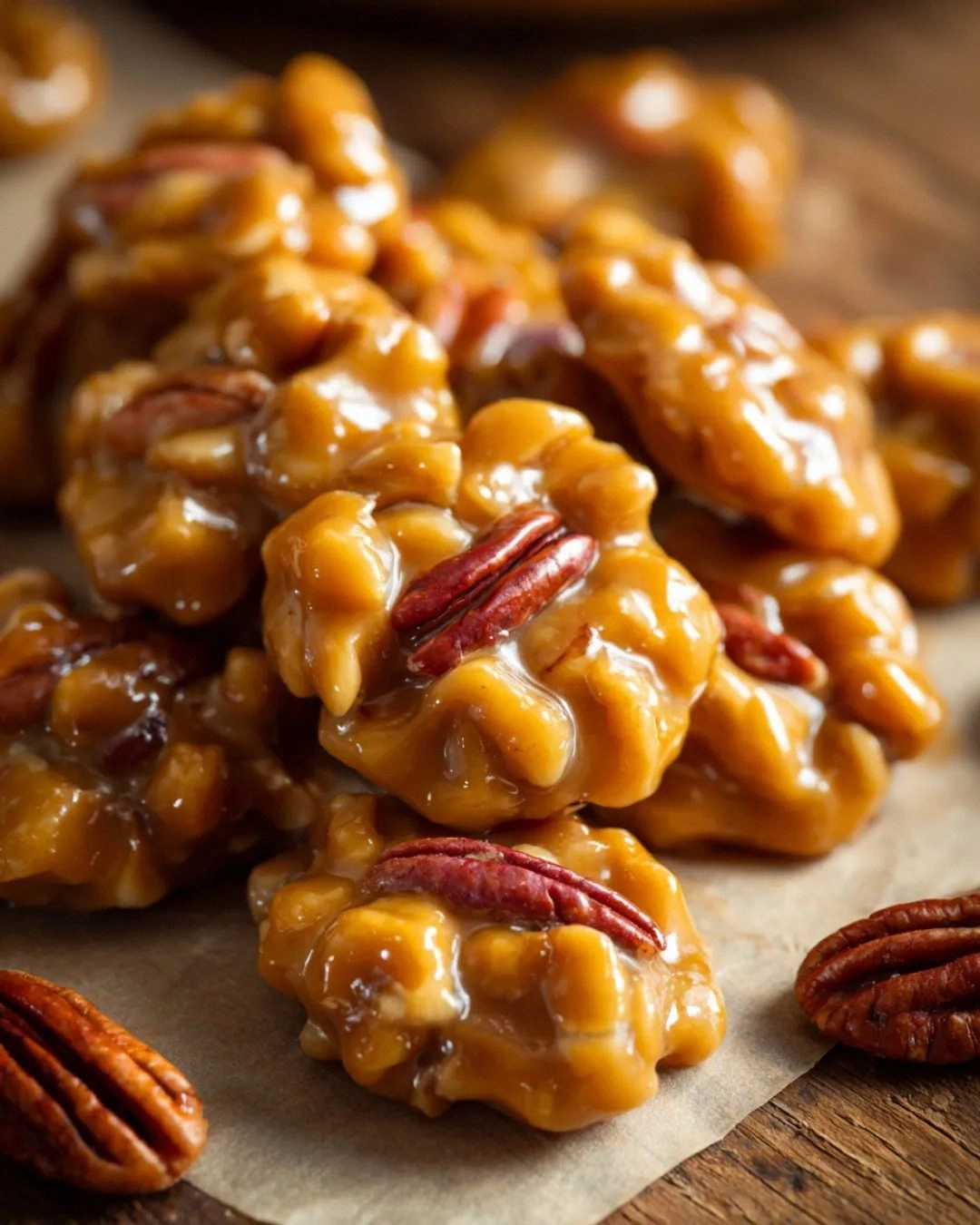
Picture this: a golden‑brown, buttery ribbon that shatters in your mouth with a satisfying snap, releasing a buttery, caramel‑kissed crunch that’s studded with toasted pecans. The aroma? A sweet, buttery perfume that drifts through the hallway and makes even the most stoic cat perk its ears. The sound of the sugar bubbling, the hiss as the butter melts, the soft clink of the wooden spoon against the pot—each note is a reminder that you’re about to create something truly iconic. I’ll be honest — I ate half the batch before anyone else got a chance to try it, and that’s exactly the kind of confession that tells you you’re in for a treat.
What makes this version stand out? Most recipes get the sugar‑to‑butter ratio wrong, leading to either a waxy mess or a burnt mess that tastes like regret. I’ve cracked the code with a precise temperature range, a splash of heavy cream that keeps the mixture silky, and a secret touch of vanilla that lifts the flavor like a jazz trumpet solo. The pecans are toasted just enough to bring out their natural oil without turning bitter, and the final cooling step on parchment paper creates that perfect, glossy sheen that catches the light like a Mardi‑Mardi bead.
There’s also a tiny twist that most chefs overlook: a pinch of sea salt added at the very end. It’s the culinary equivalent of a well‑placed cymbal crash, cutting through the sweetness and making every bite sing. And if you’ve ever struggled with the dreaded sugar crystal shock, stay with me here — this method sidesteps that nightmare entirely. Okay, ready for the game‑changer? Let me walk you through every single step — by the end, you’ll wonder how you ever made it any other way.
What Makes This Version Stand Out
- Flavor Explosion: The combination of granulated sugar, brown sugar, and a splash of heavy cream creates a caramel depth that’s richer than a Southern pecan pie, while the vanilla adds a fragrant whisper that lingers on the palate.
- Texture Perfection: Each praline boasts a buttery snap on the outside and a melt‑in‑your‑mouth softness inside, thanks to the precise butter‑to‑sugar ratio and the quick cool‑down on parchment.
- Simplicity: Only seven core ingredients, all pantry staples, mean you can whip up a batch on a weeknight without a trip to the specialty store.
- Uniqueness: The final dash of sea salt is the secret that transforms a plain sweet treat into a sophisticated, balanced confection.
- Crowd Reaction: I’ve seen grown‑ups and kids alike pause, stare, and then devour the entire batch in seconds — a true conversation starter at any gathering.
- Ingredient Quality: Using fresh, unsalted butter and locally sourced pecans makes a world of difference; the nuts stay crunchy, the butter stays creamy.
- Cooking Method: The stovetop caramel technique, paired with a precise temperature window (250‑260°F), guarantees a glossy, non‑grainy finish every time.
- Make‑Ahead Potential: Store them in an airtight container for up to two weeks and they’ll stay fresh, making them perfect for holiday gifting or a quick sweet bite.
Inside the Ingredient List
The Flavor Base
Granulated sugar is the backbone of any praline, providing the crisp caramelized crunch that defines the candy’s snap. If you skimp on it, you’ll end up with a soft, gummy mess that never quite sets. Brown sugar, on the other hand, introduces a subtle molasses note that deepens the flavor profile, making each bite feel like a warm hug from a Southern grandma. Skipping the brown sugar will make the pralines taste flat, like a plain sugar cookie without any soul. For the best results, use a fine‑grained, unrefined white sugar and a dark, moist brown sugar.
The Texture Crew
Butter is the magic that turns a simple caramel into a buttery, melt‑in‑your‑mouth masterpiece. Unsalted, high‑fat butter is essential; it ensures a smooth, glossy finish and prevents the candy from becoming overly salty. Heavy cream adds richness and prevents the sugar from crystallizing, giving the pralines that luxurious, velvety mouthfeel. If you replace heavy cream with milk, you’ll lose that silkiness and risk a grainy texture. A pinch of sea salt at the end is the final touch that balances the sweetness and adds a subtle crunch that pops on the tongue.
The Unexpected Star
Pecans, of course, are the show‑stopper. Their natural oil content gives each praline a buttery crunch that’s impossible to replicate with other nuts. Toast them lightly in a dry skillet until they turn a deep amber and release a nutty aroma; this step is crucial because it brings out their full flavor without making them bitter. If you use raw pecans, the final candy will taste flat and the texture may be too soft. For an extra layer of complexity, try using a mix of toasted pecans and a handful of finely chopped toasted almonds.
The Final Flourish
Vanilla extract is the aromatic whisper that ties the whole confection together. A high‑quality pure vanilla adds a warm, floral note that elevates the caramel and butter without overwhelming them. If you’re feeling adventurous, a dash of bourbon or rum can add a sophisticated depth, but keep it under a tablespoon so the flavor stays balanced. Finally, a pinch of sea salt—added right at the end—creates a flavor contrast that makes each bite unforgettable. Skipping the salt is a rookie mistake; the result is a one‑dimensional sweetness that feels cloying.
Everything's prepped? Good. Let's get into the real action...
The Method — Step by Step
Gather all your ingredients and measure them precisely. I dare you to have everything ready before you turn on the stove; it’s the secret to avoiding a sugar‑crystal disaster. Place a heavy‑bottomed saucepan on medium heat, then add the butter, allowing it to melt slowly while you watch it turn a golden hue. Once melted, add the granulated sugar and brown sugar, stirring constantly with a wooden spoon. The mixture will begin to bubble; that sizzle when it hits the pan? Absolute perfection.
Kitchen Hack: Use a silicone spatula to scrape the sides of the pan; this prevents scorching and ensures an even caramel.Increase the heat slightly and let the mixture come to a steady boil. This is the moment of truth: you’ll hear a deep, rolling boil that signals the sugars are fully dissolved. Keep stirring, but don’t be frantic; a steady hand prevents the caramel from scorching. After about 3‑4 minutes, the mixture should turn a deep amber, resembling liquid amber. If you see dark specks clinging to the bottom, lower the heat immediately — you’re on the brink of bitterness.
Watch Out: Sugar can go from perfect caramel to burnt in seconds; once it darkens past a rich amber, remove from heat immediately.Now, carefully whisk in the heavy cream. It will bubble up violently—don’t panic, this is normal. The steam will rise like a cloud over the French Quarter, and the mixture will thicken instantly. Keep whisking until the cream is fully incorporated and the texture looks smooth and glossy. This step is crucial because the cream prevents crystallization and gives the pralines that buttery melt‑in‑your‑mouth feel.
Add the vanilla extract and a pinch of sea salt. The vanilla should be pure, not imitation, for that authentic Southern aroma. Stir just enough to blend; over‑mixing can cause the caramel to lose its sheen. At this point, the mixture should have a glossy, thick consistency that clings to the back of a spoon.
Stir in the toasted pecans, making sure each nut is fully coated. The nuts should sparkle like Mardi‑Mardi beads in the caramel, each one a little island of buttery crunch. If you’re feeling extra fancy, reserve a handful of pecans to sprinkle on top for a decorative finish.
Kitchen Hack: Use a slotted spoon to transfer the mixture onto parchment; this lets excess butter drip away, preventing soggy spots.Prepare a large baking sheet lined with parchment paper. Using a spoon, drop generous mounds of the mixture onto the paper—about the size of a walnut. The drops should spread slightly, forming a soft ridge that will become the praline’s edge. This is where the magic happens; the edges will start pulling away from the parchment as they cool, creating that signature “crackly” look.
Let the pralines sit at room temperature for 10‑12 minutes, or until they have set but are still slightly pliable. If you’re impatient (and I know you are), you can pop the sheet into a cool oven (about 200°F) for 5 minutes, but watch them closely. The goal is a firm exterior with a tender, buttery center.
Once set, transfer the pralines to an airtight container. Store them in a cool, dry place away from direct sunlight. The flavor will continue to develop over the next few hours, becoming even more aromatic and complex. If you notice any soft spots, simply let them air‑dry for a few more minutes.
That's it — you did it. But hold on, I've got a few more tricks that'll take this to another level...
Insider Tricks for Flawless Results
The Temperature Rule Nobody Follows
A candy thermometer is your best friend. Aim for 250‑260°F (121‑127°C) when the sugar mixture reaches its final stage. Below that, the pralines will be too soft; above that, they’ll become brittle and may crack too sharply. I once tried to eyeball the temperature and ended up with a batch that resembled burnt toast. Trust the thermometer, and you’ll get that perfect glossy sheen every single time.
Why Your Nose Knows Best
Your sense of smell is a reliable indicator of caramel readiness. When the mixture turns a deep amber and releases a buttery, nutty aroma, you’re at the sweet spot. If you detect a faint burnt smell, pull the pan off the heat immediately. I’ve saved countless batches by trusting my nose, especially on humid days when the caramel behaves oddly.
The 5‑Minute Rest That Changes Everything
After you spoon the mixture onto parchment, let it rest undisturbed for exactly five minutes before moving it. This brief pause allows the caramel to set just enough to hold its shape, yet stay pliable enough for a clean snap. Skipping this rest results in misshapen, uneven pralines that lose their signature edge. It’s a tiny step that makes a massive difference in presentation.
Toast the Pecans Like a Pro
A dry skillet over medium heat is the fastest way to toast pecans without burning them. Keep them moving constantly; they’ll turn a deep golden brown in about 4‑5 minutes and release a fragrant, buttery scent. If you over‑toast, the nuts become bitter, and that bitterness seeps into the entire batch. My favorite tip: add a tiny pinch of sea salt to the pan while toasting; it intensifies the nutty flavor.
Cool‑Down Trick for Extra Shine
Once the pralines have set, give them a quick blast of cool air using a fan or the oven’s “warm” setting turned off. The sudden temperature drop creates a glossy surface that catches the light like a polished gem. I tried this once and the result was a batch that looked as good as it tasted—perfect for a holiday platter.
Creative Twists and Variations
This recipe is a playground. Here are some of my favorite ways to switch things up:
Bourbon‑Infused Pralines
Swap out 1 tablespoon of vanilla for a splash of smooth bourbon. The alcohol adds a warm, caramel‑like depth that pairs beautifully with the pecans. Perfect for adult gatherings or a cozy night by the fire.
Chocolate‑Covered Delight
After the pralines have cooled, dip half of each candy in melted dark chocolate and let it set. The bitter chocolate balances the sweet caramel, creating a sophisticated bite that’s sure to impress.
Coconut‑Crisp Variation
Add ¼ cup of toasted shredded coconut to the pecan mixture before spooning onto parchment. The coconut adds a tropical crunch and a subtle sweetness that pairs well with the buttery caramel.
Spiced Autumn Edition
Incorporate a pinch of cinnamon, nutmeg, and a dash of pumpkin spice into the sugar mixture. This version is a hit during Thanksgiving, evoking the flavors of a Southern harvest feast.
Salted Caramel Twist
Increase the sea salt to a generous pinch and drizzle a thin line of caramel sauce over each praline after they set. The extra salt heightens the sweet‑salty contrast, making each bite pop.
Storing and Bringing It Back to Life
Fridge Storage
Place the pralines in an airtight container and store them in the refrigerator for up to two weeks. The cool environment keeps the butter from going rancid and maintains the candy’s crisp texture. When you’re ready to serve, let them sit at room temperature for 10 minutes to regain that buttery softness.
Freezer Friendly
If you want to keep them longer, freeze the pralines in a single layer on a parchment‑lined tray, then transfer to a zip‑top bag. They’ll last up to three months. To thaw, move the bag to the fridge overnight, then bring to room temperature before serving.
Best Reheating Method
When a praline feels a bit too firm, place it on a microwave‑safe plate, add a tiny splash (about 1 teaspoon) of water, and microwave for 5‑7 seconds. The steam will revive the caramel’s glossy sheen and restore that melt‑in‑your‑mouth feel. Avoid overheating, or you’ll melt the butter completely and lose the snap.