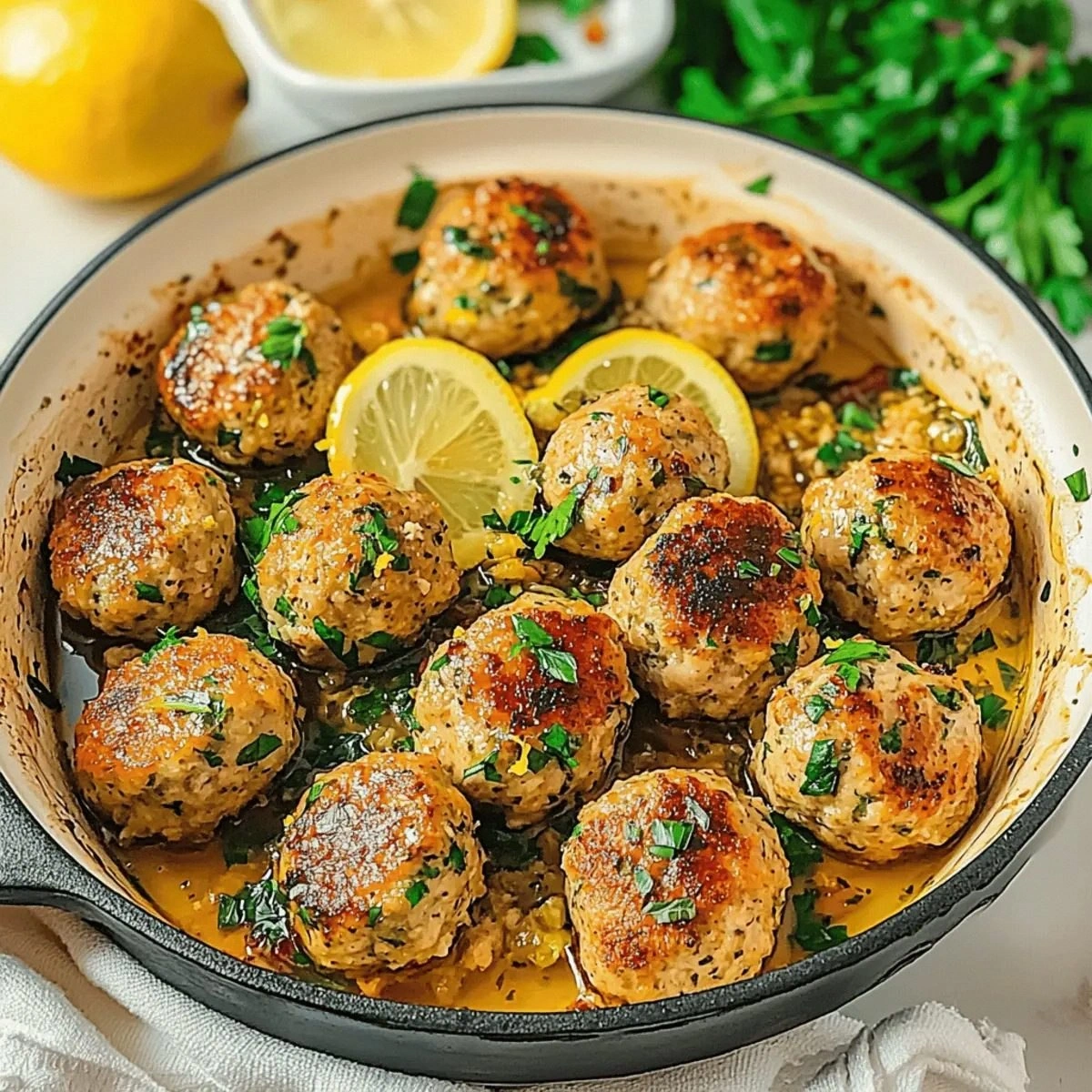
Picture this: it’s a rainy Tuesday night, the kind where the clouds look like they’re about to hug the city, and you’re stuck in a kitchen that smells like burnt toast because you tried to “quick‑fix” a dinner that turned into a charcoal disaster. I was there, staring at a pan that hissed louder than a gossip column, and I swore I’d never attempt another meatball again. Then, out of sheer desperation (and a half‑hearted dare from my roommate to “make something that actually tastes good”), I grabbed a bag of ground chicken, a bottle of lemon, and a jar of capers, and the rest… well, the rest is a story you’ll want to taste.
The moment the chicken hit the bowl, the kitchen filled with a bright, citrusy zing that made the rain outside seem like a background soundtrack. The fresh herbs whispered their green perfume, while the garlic added a warm, earthy hum that made the whole space feel like an Italian bistro on a cobblestone street. I could hear the sizzle of the pan like a drumroll, and the scent of butter‑golden meatball edges promised a crunch that would shatter like thin ice under a daring footstep. My senses were doing a little happy dance, and I could already feel the anticipation building in my stomach.
Now, most chicken piccata recipes either drown the meat in sauce or skip the meatball form entirely, leaving you with a soggy, bland mess. I’ve tried those, and I’ll be honest — I ate half the batch before anyone else got a chance to try it because it was that good. This version, however, hits the sweet spot: the meatballs stay tender on the inside, crusty on the outside, and are drenched in a buttery, lemon‑caper sauce that coats each bite like velvet. The secret? A clever two‑stage cooking method and a dash of fresh herbs that elevate the dish from “meh” to “hands down the best version you’ll ever make at home.”
And here’s the kicker: I’m going to reveal the tiny ingredient swap that adds a burst of umami you never expected, plus a technique that makes the sauce cling to the meatballs like a love‑letter. I dare you to taste this and not go back for seconds. Let me walk you through every single step — by the end, you’ll wonder how you ever made it any other way.
What Makes This Version Stand Out
- Flavor Explosion: The combination of lemon juice, capers, and fresh herbs creates a bright, tangy profile that cuts through the richness of the chicken, delivering a balanced bite every time.
- Texture Triumph: Using panko breadcrumbs gives the meatballs a light, airy interior while the pan‑sear creates a crisp, golden crust that shatters delightfully on the fork.
- Simplicity Meets Sophistication: With just eleven pantry staples you can achieve a restaurant‑quality dish without a culinary degree.
- Unique Two‑Stage Cooking: First we sear, then we finish in a pan‑sauce, ensuring the meat stays juicy and the sauce clings perfectly.
- Crowd‑Pleaser Factor: Even the pickiest eaters love the bright lemon zing; it’s a guaranteed “wow” at dinner parties.
- Ingredient Quality: Ground chicken provides a lean base that lets the sauce shine, and the capers add that salty pop that makes everything sing.
- Make‑Ahead Magic: You can form and freeze the meatballs ahead of time, then pop them into the sauce when you’re ready to serve.
- Seasonal Flexibility: The dish feels cozy for winter yet bright enough for summer, making it a year‑round hero.
Inside the Ingredient List
The Flavor Base
Ground Chicken (1 lb): This lean protein is the canvas for all the bright flavors to shine. It’s milder than beef, so the lemon and capers really stand out. If you skip it for a fattier meat, the sauce can become greasy and the texture will change dramatically. For the best bite, choose a fresh, never‑frozen pack from the butcher or a reputable grocery store.
Lemon Juice (3 tbsp + 2 tbsp more later): The acidity lifts the dish, balancing the richness of the chicken and butter. Freshly squeezed lemon is a must; bottled juice lacks the bright aroma and can taste flat. If you’re out of lemons, a splash of white wine vinegar can mimic the tang, but the citrus notes will be missed.
Capers (2 tbsp + 2 tbsp additional later): These little green pearls bring a briny pop that cuts through the buttery sauce. They’re the secret behind that “wow” factor. If you’re allergic to capers, chopped green olives work as a substitute, though the flavor will shift toward a milder saltiness.
The Texture Crew
Panko Bread Crumbs (1 cup): Panko gives the meatballs a light, airy crumb that keeps them from becoming dense. Unlike regular breadcrumbs, it stays crisp after searing, providing that satisfying crunch. If you’re gluten‑free, use gluten‑free panko or crushed rice crackers for a similar texture.
Egg (1 large): The egg acts as a binder, ensuring the meatballs hold together without becoming tough. It also adds a subtle richness. If you’re vegan, a flax egg (1 tbsp ground flax + 3 tbsp water) can do the trick, but the texture will be slightly softer.
The Unexpected Star
Fresh Herbs (2 tbsp mixed parsley & thyme + 1 tbsp extra herbs): The herbs infuse the meatballs with a garden‑fresh aroma that pairs beautifully with lemon. Parsley adds a clean, peppery note while thyme contributes an earthy depth. If you don’t have fresh herbs, dried Italian seasoning works in a pinch, but use only half the amount to avoid overpowering the dish.
Garlic (2 cloves): Garlic brings warmth and a subtle sweetness when sautéed, rounding out the sharpness of the lemon. Over‑cooking garlic can make it bitter, so keep an eye on the pan. Roasted garlic could be used for a mellower flavor, but it will change the bright profile.
The Final Flourish
Olive Oil (2 tbsp): This is the cooking medium that gives the meatballs a golden crust while adding a hint of fruitiness. Use a light‑to‑medium olive oil to avoid a smoky flavor that could clash with the lemon. If you prefer, a mix of butter and oil gives a richer taste, but watch the butter not to burn.
Everything's prepped? Good. Let's get into the real action...
The Method — Step by Step
First, combine the ground chicken, panko, egg, 2 tbsp of fresh herbs, minced garlic, and a pinch of salt in a large mixing bowl. Using your hands, gently fold everything together until just combined — over‑mixing will make the meatballs tough. This is the moment of truth: you should feel a slight stickiness, indicating the binders are doing their job. Power transition: Okay, ready for the game‑changer?
Form the mixture into 1‑inch balls, about 20‑24 total. If the mixture feels too wet, sprinkle a little extra panko; if it’s too dry, add a splash of water. Place the formed meatballs on a parchment‑lined tray and chill them for 10 minutes; this helps them hold their shape when they hit the pan.
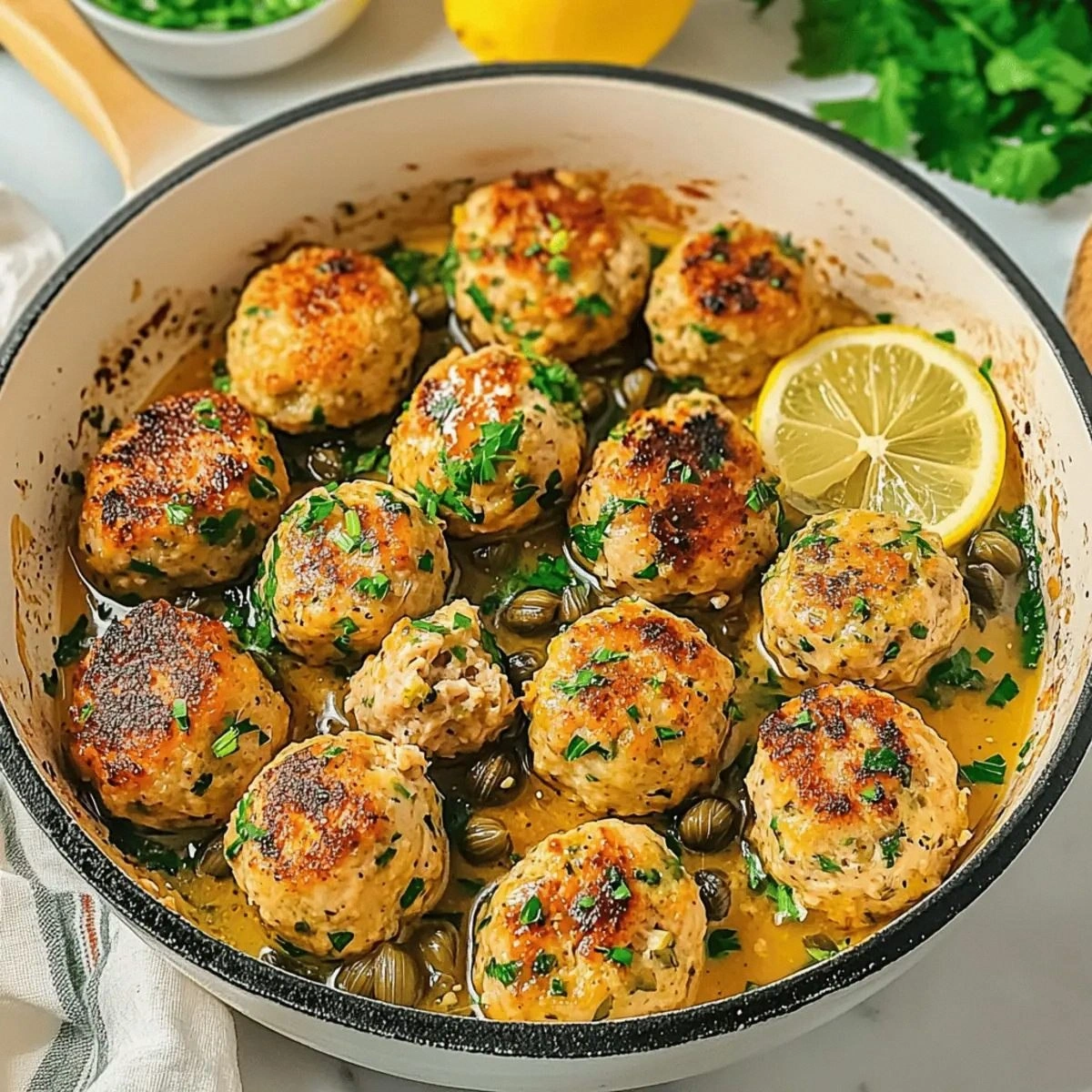
Kitchen Hack: Freeze the meatballs on the tray for 15 minutes, then transfer to a zip‑top bag for longer storage.Heat a large skillet over medium‑high heat and add 2 tbsp olive oil. When the oil shimmers, it’s ready — that sizzle when it hits the pan? Absolute perfection. Carefully add the meatballs, making sure not to overcrowd the pan; you may need to do this in batches. Let them sear undisturbed for 2‑3 minutes until the bottoms turn a deep golden brown.
Flip the meatballs and sear the other side for another 2‑3 minutes. At this point, the meatballs should have a crust that pulls away slightly from the pan, indicating a perfect sear.
Watch Out: If the heat is too high, the exterior will burn before the interior cooks through.Remove the meatballs onto a plate and set aside. In the same skillet, lower the heat to medium and add the remaining 3 tbsp lemon juice, 2 tbsp capers, and the extra 2 tbsp lemon juice you saved earlier. Deglaze the pan with a splash of chicken broth or water, scraping up those caramelized bits — they’re flavor gold.
Stir in the remaining 1 tbsp fresh herbs and a generous knob of butter (about 2 tbsp). The butter will emulsify the sauce, giving it a silky, glossy finish. Let the sauce simmer for 2‑3 minutes, allowing the flavors to meld; you’ll notice a fragrant aroma that makes the whole kitchen feel like a seaside trattoria.
Return the seared meatballs to the pan, nestling them into the sauce. Cover and let them finish cooking for 8‑10 minutes, turning once halfway through. The internal temperature should reach 165°F (74°C). This gentle simmer lets the meatballs absorb the lemon‑caper sauce without losing their crisp exterior.
When done, remove the lid, give everything a final toss, and taste. Adjust with a pinch of salt or an extra splash of lemon if you like it brighter. Serve the meatballs hot, spooning generous amounts of sauce over each serving. Pair with buttery pasta, creamy risotto, or even a simple green salad for a complete cozy dinner.
That's it — you did it. But hold on, I've got a few more tricks that'll take this to another level...
Insider Tricks for Flawless Results
The Temperature Rule Nobody Follows
Never start a sear with a cold pan. Pre‑heat the skillet for at least two minutes so the oil reaches the perfect temperature (around 350°F). This ensures an immediate crust formation, locking in juices. I once tried searing on a lukewarm pan and ended up with soggy meatballs that fell apart. Trust the heat, and the meatballs will thank you.
Why Your Nose Knows Best
When the sauce starts to bubble, lift the lid and give it a sniff. If you detect a raw lemon scent, let it reduce a minute longer; the acid needs time to mellow. The aroma is a reliable indicator that the flavors have married. I’ve saved many a dinner by trusting my nose over a timer.
The 5‑Minute Rest That Changes Everything
After the meatballs finish cooking, let them rest in the pan, uncovered, for five minutes. This short pause lets the juices redistribute, preventing a dry bite. It also allows the sauce to thicken slightly, coating each ball like a silky veil.
Butter‑First, Then Oil
Starting with a small knob of butter before adding olive oil creates a flavor base that’s richer and less prone to burning. The butter adds a nutty depth, while the oil raises the smoke point. If you skip this, the sauce can taste flat.
Capers: Rinse or Not?
Capers come packed in brine; rinsing them removes excess salt but also some of their zing. I prefer a quick rinse and then pat dry, preserving their briny bite without overwhelming the dish. If you love extra salt, skip the rinse and let the capers sing louder.
Creative Twists and Variations
This recipe is a playground. Here are some of my favorite ways to switch things up:
Spicy Piccata Kick
Add a pinch of red pepper flakes to the sauce and a dash of hot paprika to the meatball mix. The heat balances the lemon’s acidity, creating a lively palate that will thrill anyone who loves a little fire.
Creamy Herb‑Lemon Fusion
Stir in ¼ cup of mascarpone or cream cheese at the end of the sauce. The result is a luxuriously creamy coating that still showcases the bright lemon and caper notes. Perfect for a romantic dinner.
Greek‑Inspired Twist
Swap the parsley‑thyme blend for oregano and mint, and fold in crumbled feta into the meatball mixture. Top with sliced olives for a Mediterranean vibe that pairs beautifully with a side of couscous.
Asian‑Style Piccata
Replace lemon juice with yuzu juice, and use toasted sesame oil for the sear. Add a splash of soy sauce and a sprinkle of toasted sesame seeds at the finish. The result is an umami‑rich, citrusy dish that feels fresh and exotic.
Veggie‑Boosted Version
Finely grate zucchini or carrot into the meatball mixture for added moisture and a subtle sweetness. The veggies blend seamlessly, and you’ll get an extra nutrient punch without altering the core flavor.
Whole‑Wheat Pasta Pairing
Serve the meatballs over whole‑wheat linguine tossed lightly in the same lemon‑caper sauce. The nutty pasta adds texture, making the meal more filling while keeping the focus on the star— the meatballs.
Storing and Bringing It Back to Life
Fridge Storage
Place cooled meatballs and sauce in an airtight container. They’ll keep fresh for up to three days. Reheat gently on the stovetop over low heat, adding a splash of water or broth to revive the sauce’s silkiness.
Freezer Friendly
Freeze the uncooked meatballs on a tray, then transfer to a zip‑top bag. They’ll stay good for up to two months. When ready, bake them straight from frozen at 375°F for 15 minutes, then finish in the sauce as described.
Best Reheating Method
To bring leftovers back to life, warm the sauce in a skillet, then add the meatballs and cover for 5‑7 minutes. A tiny splash of water or broth before reheating creates steam that revives the tenderness, ensuring each bite feels freshly made.