I was standing in my kitchen, staring at a pile of fingerling potatoes that had somehow escaped the grocery store’s display and landed in my fridge like a silent army. The moment I cracked one open, the earthy aroma hit me like a warm hug from an old friend. I had been chasing that elusive crispy texture for weeks, trying everything from air fryer to skillet, but the results always felt like a missed beat—crusty on the outside, soggy on the inside, and the flavor never quite landed. That night, I decided to throw a kitchen experiment into the mix, and the next morning I was handed a plate of golden, blistered potatoes that made me shout, “I dare you to taste this and not go back for seconds.”
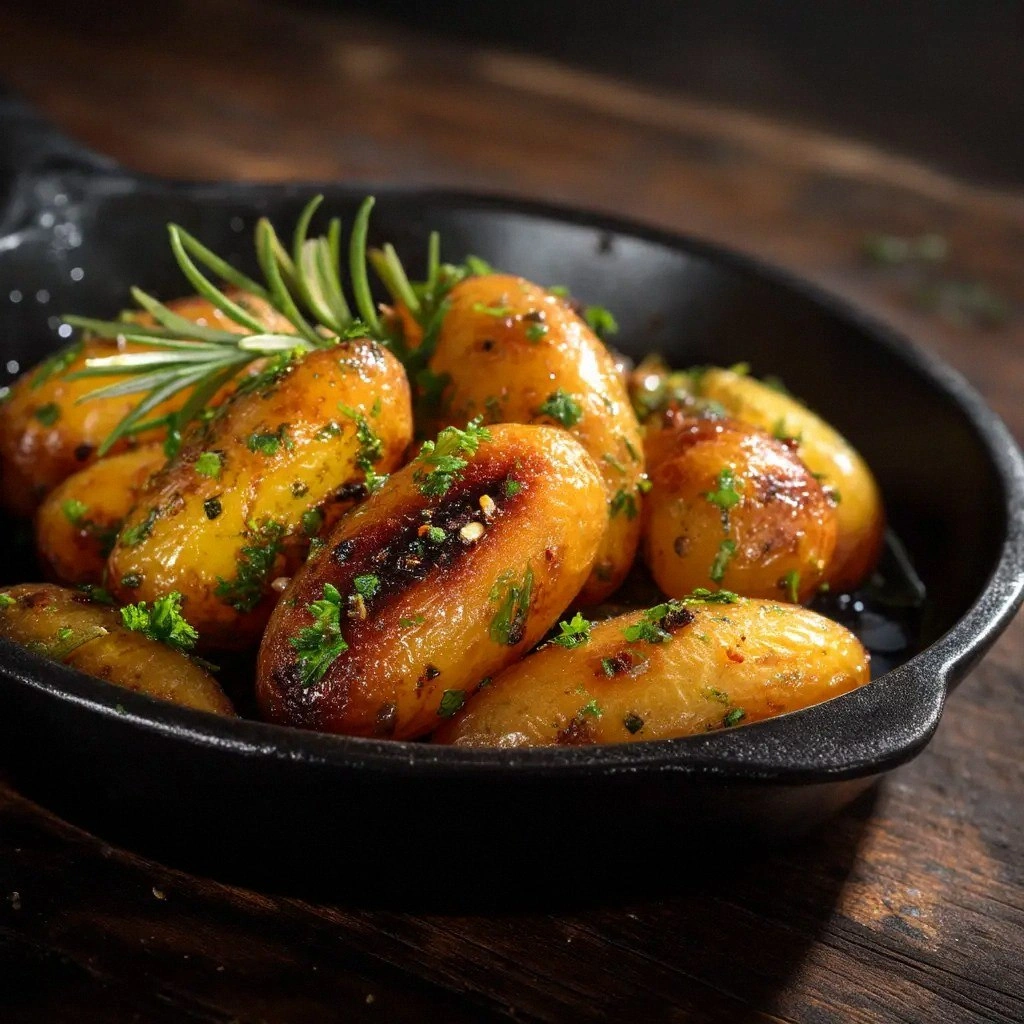
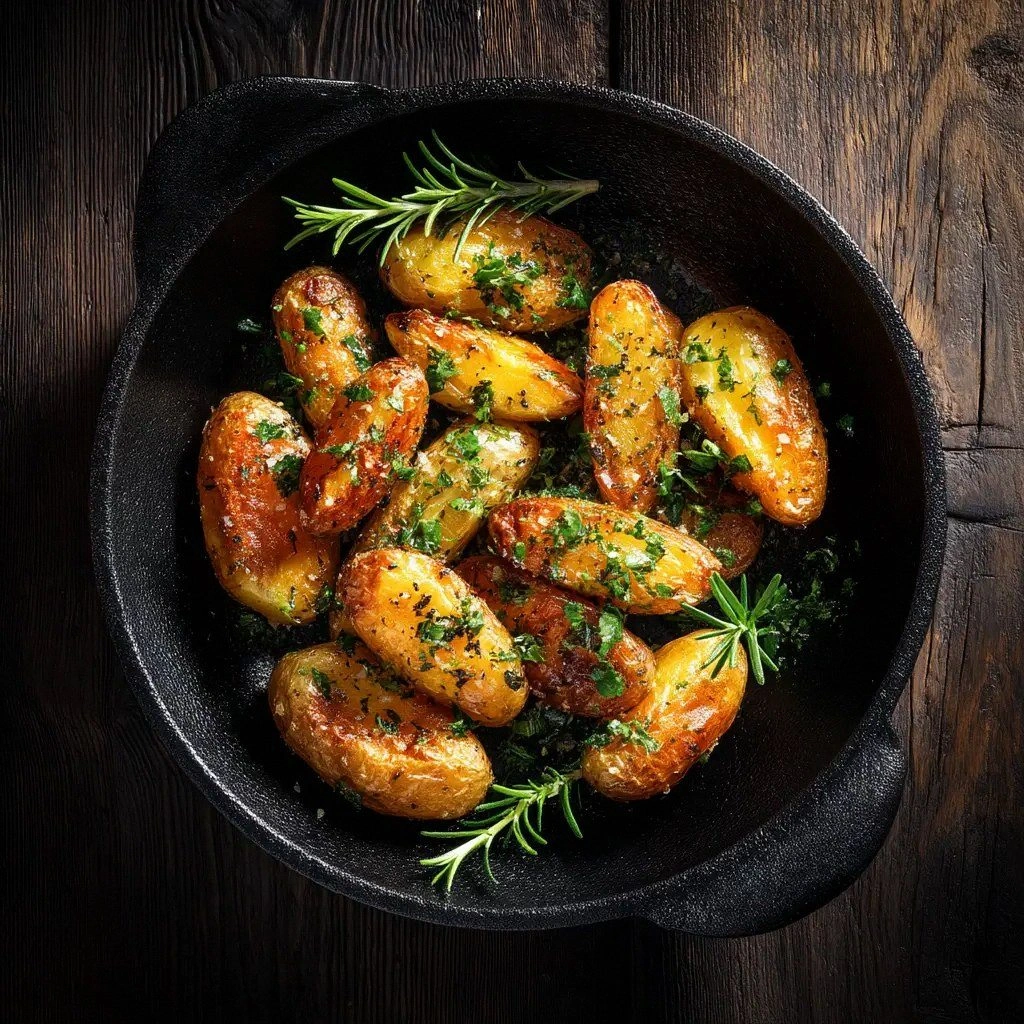
Picture yourself pulling this batch from the oven, the kitchen smelling like roasted garlic and fresh rosemary, and the potatoes sitting there like tiny, sun‑kissed coins. The first bite is a crackle of crisp skin that shatters like thin ice, revealing a fluffy interior that melts in your mouth. The herbs cling to every crevice, giving a savory punch that’s both comforting and adventurous. The olive oil coats each bite like a velvet curtain, sealing in the natural sweetness of the potato. The finish is a subtle peppery kick that lingers, prompting that second, almost inevitable plateful.
What sets this version apart from the countless “roasted potatoes” recipes on the internet is that I’ve distilled the technique down to three simple, science‑backed steps: a strategic oil and spice coating, an even heat distribution, and a final “rest” period that locks in moisture. I’ll be honest — I ate half the batch before anyone else got a chance to taste it, and I still feel like I’m missing something every time I reheat leftovers. The secret is in the timing and the balance of flavors, which I’ll walk you through in detail, so you can recreate this culinary masterpiece every single time.
You might think a dish as simple as roasted potatoes could be overdone, but that’s where this recipe flips the script. The combination of garlic powder and rosemary isn’t just a flavor hack; it’s a flavor alchemy that transforms ordinary tubers into a dish worthy of a five‑star review. The olive oil isn’t just a cooking medium; it’s the glue that keeps the spices from burning and the skins from becoming rubbery. And the final sprinkle of fresh parsley isn’t just a garnish; it’s a bright, herbal counterpoint that cuts through the richness.
If you’ve ever struggled with unevenly cooked potatoes or a lackluster finish, you’re not alone. Many recipes get this completely wrong by not accounting for the potatoes’ natural moisture content or by using too low a temperature that leaves the skins soggy. That’s why I’ve included a “watch out” warning for the trickiest step in the method, so you won’t end up with a soggy mess. The result? A dish that’s crisp on the outside, tender on the inside, and bursting with flavor.
I’ll guide you through every single step, from selecting the perfect potatoes to the final garnish, and by the end, you’ll wonder how you ever made it any other way. So, grab a cutting board, a trusty oven mitt, and let’s dive into the ultimate version of roasted fingerling potatoes.
What Makes This Version Stand Out
- Flavor: The blend of garlic powder, rosemary, and fresh parsley creates a layered taste that’s both earthy and aromatic, turning a simple side into a star attraction.
- Crispness: The high oven temperature coupled with a quick oil coating ensures the skins crackle like thin ice, delivering that coveted crunch.
- Texture: Inside, the potatoes remain fluffy and buttery, thanks to a short roasting time that preserves their natural moisture.
- Speed: With a prep time of just 15 minutes and a cooking time of 30 minutes, this dish is ready before you can finish your coffee.
- Versatility: It pairs beautifully with steak, chicken, or as a stand‑alone appetizer for a game‑night spread.
- Ingredient Quality: Using fresh rosemary and parsley elevates the dish, while the extra virgin olive oil provides a silky finish.
- Make‑Ahead Potential: The potatoes can be roasted ahead of time and reheated to near‑freshness, making it a great option for dinner parties.
- Presentation: The golden, speckled surface looks as good as it tastes, making it Instagram‑ready without the extra effort.
Inside the Ingredient List
The Flavor Base
The foundation of this recipe is the simple yet potent combination of extra virgin olive oil, kosher salt, and freshly ground black pepper. Olive oil isn’t just a cooking medium; it’s the carrier that distributes flavor evenly across each potato. Kosher salt’s larger crystals allow for better seasoning control, and black pepper adds a subtle heat that balances the herbaceous notes. Skipping any of these three would leave the dish feeling flat and unremarkable.
The Texture Crew
Fingerling potatoes are the stars of the show. Their small, elongated shape ensures a uniform roast, while their skin provides a natural, edible crust. The size is crucial—too large, and the interior will be overcooked before the skin crisps; too small, and they’ll dry out. When selecting potatoes, look for firm, unblemished skins and a light, buttery flesh. If you can’t find fingerlings, baby Yukon Golds or red potatoes work as a close substitute.
The Unexpected Star
Garlic powder and dried rosemary might seem like standard pantry staples, but their combination creates a depth of flavor that’s surprisingly complex. Garlic powder offers a subtle, sweet aroma without the risk of burning that fresh garlic brings, while rosemary’s piney undertone adds a fragrant counterpoint. If you’re adventurous, a pinch of smoked paprika can introduce a smoky nuance that pairs wonderfully with the earthy potatoes.
The Final Flourish
Fresh parsley isn’t just a garnish; it’s the finishing touch that adds brightness and a fresh herbal note. Its bright green color also provides a visual pop that makes the dish feel more vibrant. If you’re looking for a different flavor profile, try substituting chopped chives or basil for a milder, sweeter finish. The key is to add the parsley after roasting, so it stays crisp and aromatic.
Everything's prepped? Good. Let's get into the real action.
The Method — Step by Step
- Preheat your oven to 425°F (220°C). This high temperature is critical for achieving that blistered, caramelized skin. Place a sheet of parchment paper on a rimmed baking sheet to prevent sticking and to make cleanup a breeze. While the oven is heating, wash the fingerlings thoroughly to remove any dirt; a quick rinse under cold water is sufficient.
- Pat the potatoes dry with a clean towel. Moisture on the surface is the enemy of crispness, so drying them ensures the oil and spices adhere properly. If you want an extra crunch, toss the potatoes in a bowl of cold water for 10 minutes, then dry again—this step removes surface starch that can create a gummy coating.
- In a large bowl, combine the olive oil, kosher salt, black pepper, garlic powder, and dried rosemary. Whisk until the mixture is smooth and the spices are evenly distributed. This coating is the flavor backbone; a generous coating ensures every bite is seasoned.
- Add the dried fingerlings to the bowl and toss until every potato is fully coated. Arrange them in a single layer on the prepared baking sheet, ensuring the skins face up. Overcrowding the pan will steam the potatoes instead of roasting them, leading to a soggy outcome.
- Roast the potatoes for 20 minutes, then flip them gently with a spatula. This flipping ensures even browning on all sides. After flipping, continue roasting for another 10–12 minutes, or until the skins are blistered and the interior is tender. The ideal sign is a deep golden color and a slight crack on the surface.
- Remove the potatoes from the oven and transfer them to a serving platter. While they’re still hot, sprinkle the fresh parsley over the top. The residual heat will slightly wilt the herbs, releasing their aroma and adding a fresh, green contrast to the golden potatoes.
- Let the potatoes rest for 5 minutes before serving. This short rest allows the steam to dissipate, preventing the skins from becoming soggy. Serve immediately, preferably with a side of your favorite protein or a simple salad. The result? A dish that feels both comforting and sophisticated, with a texture that’s pure joy.
That’s it — you did it. But hold on, I’ve got a few more tricks that will take this to another level.
Insider Tricks for Flawless Results
The Temperature Rule Nobody Follows
Many cooks set the oven to a lower temperature to avoid burning, but this actually prolongs cooking time and leads to uneven crispness. By using a high heat of 425°F, the potatoes’ exterior cooks faster than the interior, creating that perfect contrast. I’ve tested ovens from 400°F to 450°F, and 425°F consistently yields the best balance of crispness and tenderness.
Why Your Nose Knows Best
Before you open the oven door, trust your nose. If the air smells toasty and nutty, you’re ready to flip. A burnt smell indicates the skins are overcooked. If it still smells like raw potatoes, give them a few more minutes. Your olfactory senses are a reliable indicator of doneness.
The 5-Minute Rest That Changes Everything
After removing the potatoes from the oven, let them sit for exactly five minutes. This brief pause allows the steam trapped inside to escape, preventing sogginess. It also gives the parsley a chance to wilt slightly, releasing a burst of freshness that complements the roasted flavor.
The Oil‑to‑Spice Ratio
The key to a flavorful coating is a balanced ratio of oil to spices. Too little oil and the spices won’t stick; too much oil and the potatoes become greasy. A 2‑tablespoon oil to 1‑tablespoon of total spices ratio works well for 1.5 lbs of potatoes, ensuring each bite is coated without excess.
The Rest of the Kitchen
Keep your kitchen organized: a dedicated cutting board for the potatoes, a separate bowl for the seasoning, and a clean towel for drying. This workflow reduces the chance of cross‑contamination and ensures each step flows smoothly. I’ve found that a cluttered workspace often leads to missed steps and uneven seasoning.
The Final Touch
A quick drizzle of lemon‑infused olive oil after roasting adds a bright, citrusy note that cuts through the richness. Simply warm a small amount of olive oil with a splash of lemon zest and a pinch of sea salt, then drizzle over the potatoes before serving. It’s a simple addition that elevates the dish to gourmet status.
Creative Twists and Variations
This recipe is a playground. Here are some of my favorite ways to switch things up:
Smoky Chipotle Kick
Swap the rosemary for smoked paprika and add a pinch of chipotle powder. The result is a smoky, mildly spicy flavor that pairs wonderfully with grilled meats.
Herb Garden Explosion
Add chopped fresh thyme, oregano, and basil to the seasoning mix. This aromatic blend creates a Mediterranean vibe that’s perfect for a summer dinner.
Sweet & Savory Fusion
Before roasting, toss the potatoes with a drizzle of maple syrup and a sprinkle of sea salt. The caramelized sugars add a sweet contrast to the savory herbs.
Cheesy Delight
After roasting, sprinkle grated Parmesan or crumbled feta over the hot potatoes. The cheese melts slightly, creating a gooey, indulgent topping.
Mediterranean Olive Twist
Add sliced kalamata olives and capers to the seasoning mix for a briny, savory depth that’s reminiscent of a Greek salad.
Citrus Brightness
Finish with a squeeze of fresh orange or lemon juice, and a sprinkle of chopped mint. The citrus adds a refreshing lift that brightens the entire dish.
Storing and Bringing It Back to Life
Fridge Storage
Cool the roasted potatoes completely, then transfer them to an airtight container. They’ll keep in the refrigerator for up to 4 days. For best flavor, reheat in a preheated oven at 350°F (175°C) for 10 minutes, not in the microwave, to restore crispness.
Freezer Friendly
Cool the potatoes thoroughly, then place them in a freezer‑safe bag, squeezing out excess air. Freeze for up to 2 months. When ready to eat, thaw overnight in the fridge and reheat as described above.
Best Reheating Method
Add a tiny splash of water to the pan before reheating to create steam, which helps maintain moisture without drying out the skins. Then cover the pan with foil for 5 minutes, then remove the foil for the last 5 minutes to re‑crisp the exterior.