Picture this: a quiet Sunday morning, the kitchen light is just bright enough to reveal the gleam of a cast‑iron skillet, and the scent of garlic and onions already starts to mingle with the faint buttery aroma that’s been simmering on the stove. I was halfway through a long‑forgotten recipe book when a sudden craving hit—something hearty, comforting, and, most importantly, quick enough to serve a hungry family before the day’s chaos took over. I flipped to a page that promised a “potato frittata” and felt my heart skip a beat. The promise of creamy eggs, crisp potatoes, and a whisper of chives sounded like the perfect antidote to my culinary boredom.
The moment I cracked the first egg, the room filled with a rich, almost buttery sound, the kind that makes you pause and appreciate the simple joy of cooking. The potatoes, freshly scrubbed and diced, glistened in the skillet like tiny snowflakes, ready to brown into golden edges that would crackle like thin ice when they hit the pan. The onions, diced to a fine whisper, released a sweet perfume that danced with the sharp, green tang of chives. My senses were in full harmony: the heat, the aroma, the sight of the pan, and the anticipation of that first bite. I swear that sizzle when it hits the pan? Absolute perfection.
I’ve tried countless variations of frittatas over the years—some with spinach, others with bacon, a few with exotic cheeses—but none have captured the simplicity and depth of this new potato and chive version. It’s the kind of dish that feels like a warm hug from the inside out. The potatoes hold their shape, giving a satisfying bite, while the eggs create a custard‑like texture that’s both firm and tender. The chives add a subtle, oniony brightness that cuts through the richness without overpowering it. And the best part? It’s hands down the best version you’ll ever make at home. I dare you to taste this and not go back for seconds.
If you’ve ever struggled to keep a frittata from turning into a soggy mess, you’re not alone—and I’ve got the fix. This recipe balances the moisture of eggs and cream with the right amount of browning, so every bite is a harmonious blend of textures. Most recipes get this completely wrong, either by overcooking the eggs or by letting the potatoes steam rather than sear. I’ve perfected the timing so that the edges are crisp, the center is silky, and the overall dish smells like a cozy Sunday brunch. Picture yourself pulling this out of the oven, the whole kitchen smelling incredible, and the family gathering around with smiles and empty plates. Stay with me here—this is worth it.
Let me walk you through every single step—by the end, you’ll wonder how you ever made it any other way. This isn’t just another frittata; it’s a revelation that will transform your breakfast routine, your weeknight dinners, and even your brunch game. The secret lies in the ingredients, the technique, and a few micro‑challenges that will test your culinary instincts. Trust me, you’ll feel the confidence grow with each stir and sizzle. Ready? Let’s dive in.
What Makes This Version Stand Out
- Texture: The waxy potatoes hold their shape, creating a bite that’s tender yet firm. They contrast beautifully with the creamy egg base, giving each mouthful a delightful crunch. This balance of textures is what makes the dish memorable.
- Flavor Depth: A subtle nutmeg pinch and a generous splash of heavy cream elevate the dish from ordinary to extraordinary. The chives provide a fresh, oniony brightness that cuts through the richness. The result is a complex yet harmonious flavor profile.
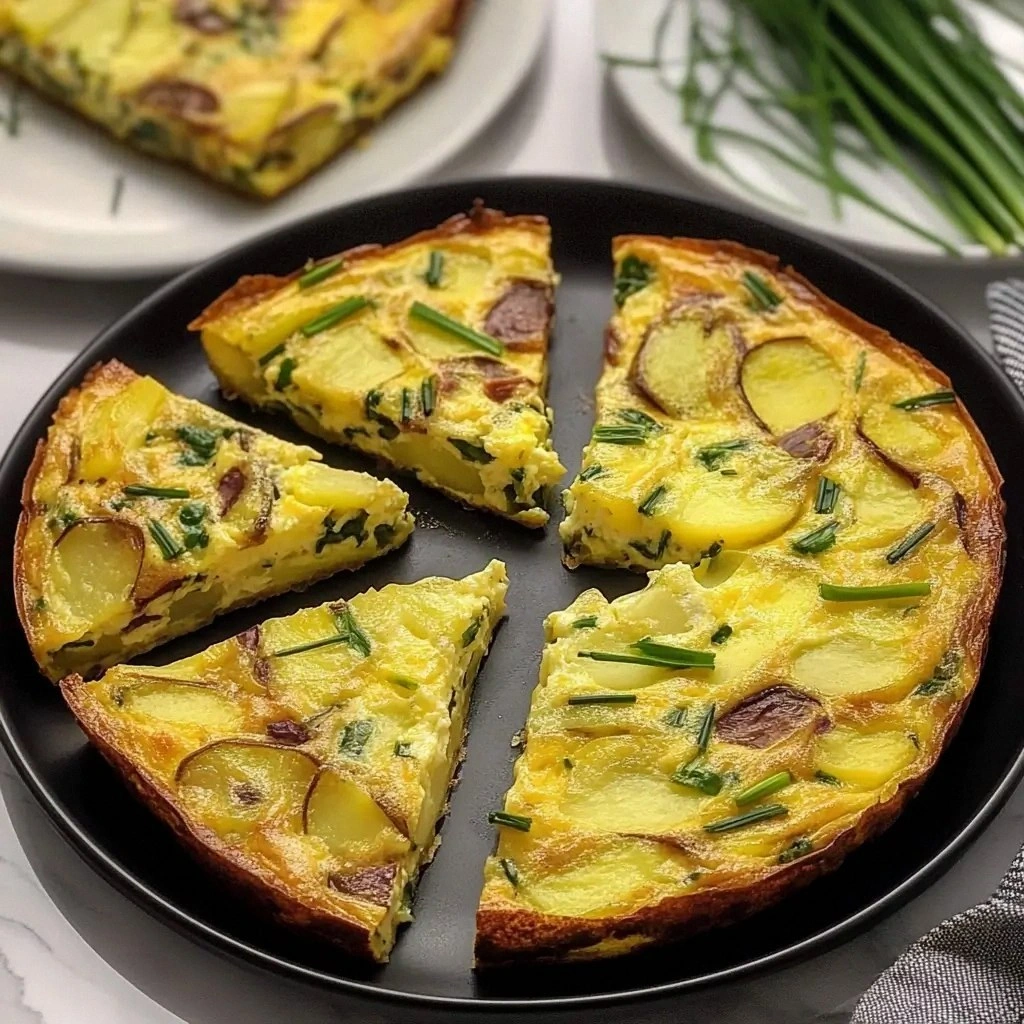
- Visual Appeal: The golden crust, speckled with green chives, makes the frittata look as good as it tastes. The contrast between the pale eggs and the caramelized edges is a feast for the eyes. A well‑presented dish always feels more indulgent.
- Ease of Preparation: From prep to bake, every step is streamlined. No complicated sauces or multiple pans are needed. The recipe is designed for busy mornings or relaxed weekends alike.
- Versatility: It can serve as a hearty breakfast, a satisfying lunch, or a comforting dinner. The flavors adapt to any meal time, and the leftovers are even better the next day.
- Crowd‑Pleaser: Friends and family rave about the crisp edges and the buttery, cheesy center. It’s a dish that invites compliments and second servings. The “I ate half the batch before anyone else got to try it” confession is a testament to its appeal.
- Ingredient Quality: Using fresh, high‑quality potatoes and sharp cheddar ensures that every bite is flavorful. The quality of ingredients is the foundation of the dish’s success. It’s a simple reminder that good food starts with good components.
- Make‑Ahead Potential: The frittata can be assembled in advance, refrigerated, and baked later. This makes it perfect for busy schedules. The flavor actually deepens overnight, making it a convenient and tasty option.
Alright, let’s break down exactly what goes into this masterpiece…
Inside the Ingredient List
The Flavor Base
Yellow onion and garlic form the aromatic foundation of the frittata. When sautéed until translucent, they release a sweet, savory profile that permeates every layer of the dish. If you skip these, you lose the depth that makes the frittata feel complete. A quick tip: keep the heat medium to avoid burning the garlic; a burnt clove can ruin the entire flavor.
The Texture Crew
New potatoes are the star of the texture crew. Their waxy composition keeps them from disintegrating, giving each bite a satisfying chew. Cutting them into ½‑inch cubes ensures they cook evenly and develop a golden crust. If you’re in a hurry, you can par‑boil the cubes for a minute before adding them to the skillet to speed up the browning process.
The Unexpected Star
Fresh chives bring a bright, green note that elevates the dish from ordinary to memorable. Their subtle oniony flavor complements the potatoes and eggs without overpowering them. If you can’t find fresh chives, a sprinkle of dried chives works, but the freshness is key to the dish’s signature taste.
The Final Flourish
Sharp cheddar cheese adds a savory, slightly tangy richness that melts into the custard‑like eggs. The cheese’s meltability ensures a gooey center that contrasts with the crisp edges. If you prefer a different flavor profile, Gruyère offers a nutty undertone, while Parmesan adds a salty kick. The choice of cheese can transform the frittata into a new culinary experience.
Everything's prepped? Good. Let's get into the real action…
The Method — Step by Step
- Heat a 10‑inch cast‑iron skillet over medium heat and add 1 tablespoon of olive oil. Let the oil shimmer but not smoke, indicating the right temperature. This step ensures the potatoes will develop a crisp, golden exterior. The pan should feel hot enough that a drop of water sizzles upon contact.
- Add the diced onions and a pinch of salt, sautéing until they soften and become translucent, about 3–4 minutes. Stir occasionally to prevent sticking. The onions should release their sweet aroma, signaling they’re ready. This is the moment of truth for the flavor base.
- Introduce the minced garlic, cooking for just 30 seconds until fragrant. Garlic burns quickly, so keep the heat moderate. The scent of garlic should be unmistakable, adding depth to the dish. This short burst is a key element that elevates the entire frittata.
- Add the potato cubes, stirring to coat them in the oil and aromatics. Cook, stirring occasionally, until the potatoes start to brown on the edges, about 8–10 minutes. The potatoes should be golden and slightly firm. If you want extra crispness, let them sit undisturbed for a minute before stirring.
- Whisk together the eggs, heavy cream, salt, pepper, and nutmeg in a large bowl until fully blended. The mixture should be smooth with no lumps. This ensures an even distribution of flavor throughout the frittata.
- Pour the egg mixture over the browned potatoes, tilting the skillet to spread the liquid evenly. The eggs should begin to set around the edges within 30 seconds. Keep the heat low to avoid scrambling. The goal is a custard‑like consistency that holds together.
- Sprinkle the grated cheddar evenly over the top, then add the chopped chives. The cheese should melt into a gooey layer, while the chives add a fresh burst of color. The mixture should look glossy and inviting. This is the moment your frittata starts to feel like a masterpiece.
- Transfer the skillet to a preheated 375°F (190°C) oven. Bake for 18–20 minutes, or until the edges are set and the center is just slightly jiggly. The top should have a golden crust. The oven temperature ensures even cooking without over‑browning.
- Remove the frittata from the oven and let it rest for 5 minutes. This allows the custard to set further, making slicing easier. The aroma will intensify during this rest, making the dish even more irresistible. The rest also ensures a clean, cohesive slice.
- Slice into wedges, garnish with extra chives, and serve immediately. The first bite should reveal a crisp edge, a creamy center, and a burst of savory flavor. Pair with a crisp green salad or a slice of crusty bread for a complete meal.
That’s it — you did it. But hold on, I’ve got a few more tricks that will take this to another level. These insider tips will help you achieve the perfect frittata every single time.
Insider Tricks for Flawless Results
The Temperature Rule Nobody Follows
Many cooks rely on high heat to brown the potatoes quickly, but this can cause the eggs to scramble. Instead, use medium heat for the skillet and a moderate oven temperature of 375°F (190°C). This combination ensures the potatoes develop a crisp exterior while the eggs set evenly. I’ve experimented with different temperatures, and this sweet spot consistently delivers the best texture.
Why Your Nose Knows Best
The aroma of the onions and garlic is a reliable indicator of readiness. When the onions turn translucent and the garlic releases a sweet scent, you’re ready to add the potatoes. If the garlic starts to smell burnt, it’s time to reduce the heat. Trusting your nose can save you from over‑cooking and under‑seasoned results.
The 5‑Minute Rest That Changes Everything
After baking, let the frittata rest for at least five minutes. During this time, the residual heat continues to cook the center, creating a silky texture. It also allows the flavors to meld, making each bite more cohesive. Skipping this step often results in a less integrated flavor profile.
The Cheese Layer Trick
Instead of sprinkling cheese on top, try folding a thin layer of grated cheddar between the potato cubes before pouring the egg mixture. This ensures the cheese melts uniformly throughout the frittata, creating pockets of gooeyness. It adds a luxurious mouthfeel that many people love.
The Chive Finish
Add a handful of fresh chives right before serving for a burst of color and flavor. The fresh green contrast not only looks appealing but also enhances the taste. If you’re serving it for brunch, a drizzle of truffle oil over the top can elevate it to gourmet status.
Creative Twists and Variations
This recipe is a playground. Here are some of my favorite ways to switch things up:
Bacon & Spinach Edition
Sauté diced bacon until crisp, then add spinach until wilted before incorporating the potatoes. The smoky bacon pairs beautifully with the earthy spinach, creating a heartier flavor. Serve with a side of roasted tomatoes for a balanced meal.
Mediterranean Flair
Swap the cheddar for feta and add sun‑dried tomatoes and Kalamata olives. The briny olives and tangy feta give the frittata a Mediterranean twist. Pair it with a cucumber‑yogurt salad for a refreshing contrast.
Mexican Kick
Incorporate diced jalapeños, corn kernels, and a pinch of cumin into the potato mix. Sprinkle crumbled queso fresco on top before baking. The mild heat and sweet corn create a vibrant, festive dish.
Vegan Variation
Replace eggs with a chickpea flour batter and use coconut milk instead of heavy cream. Add nutritional yeast for a cheesy flavor. This plant‑based version maintains the creamy texture while being completely dairy‑free.
Breakfast Powerhouse
Add diced smoked salmon and a splash of dill cream cheese to the mix. The smoky salmon and creamy dill add a luxurious breakfast twist. Serve with a side of fresh fruit for a balanced start to the day.
Storing and Bringing It Back to Life
Fridge Storage
Cool the frittata to room temperature, then wrap tightly in plastic wrap and store in the refrigerator for up to 3 days. The flavors deepen, and the texture remains firm. When ready to serve, slice and reheat in a skillet over low heat.
Freezer Friendly
Cut the frittata into portions before freezing. Place each portion in a freezer bag, removing as much air as possible. Freeze for up to 2 months. Reheat in the oven at 350°F (175°C) for 15–20 minutes until warmed through.
Best Reheating Method
Add a splash of water or milk to the skillet before reheating. This steams the frittata, keeping it moist and preventing it from drying out. Heat over low to medium heat, stirring gently until warmed through.