Picture this: you’re standing in a kitchen that smells like burnt lasagna because you tried to make a classic lasagna with gluten‑free noodles, and the result was a soggy mess that looked more like a casserole than a masterpiece. The frustration hits hard when the noodles stick together, the sauce overflows, and you’re left with a plate that feels like a soggy blanket. I’ve spent countless nights fighting that same battle, and every time I thought I’d finally cracked the code, something fell apart. Then, one late evening, a friend dared me to make a gluten‑free lasagna that would make even the most skeptical eaters swoon.
The moment the first layer of noodles hit the pan, the aroma of garlic and oregano rolled in, and my kitchen filled with a warm, comforting scent that made the whole house feel like a cozy Italian trattoria. The sizzle of the ground beef as it browned, the bubbling of marinara sauce thickening into a silky coat, and the gentle hiss of steam rising from the pot created a symphony that felt almost therapeutic. I could taste the caramelized onions and the subtle sweetness of tomato paste dancing on my tongue, while the sound of the skillet clicking against the stove reminded me that cooking is both science and art. The texture of the ricotta mixture, light as a cloud, promised a creamy interior that would contrast perfectly with the crisp, golden top.
What sets this version apart is not just the gluten‑free noodles but the meticulous layering of flavors, the balance between acidity and richness, and the use of high‑quality ingredients that elevate the dish to something that feels like a gourmet experience. It’s hands down the best version you’ll ever make at home because every component is chosen to complement the others, creating layers of depth that make each bite a revelation. The sauce is thick enough to cling to the noodles, yet silky enough to melt into the cheese, while the cheese blend offers a melt that’s both gooey and slightly caramelized on top. And the best part? It’s easier to make than you think, thanks to a few clever shortcuts that keep the process smooth and the results spectacular.
I dare you to taste this and not go back for seconds, because the flavors will linger on your palate long after the last bite. But let me walk you through every single step—by the end, you’ll wonder how you ever made it any other way. This recipe isn’t just a dish; it’s a culinary experience that will transform your kitchen into a place where gluten‑free meals feel as indulgent as the originals.
What Makes This Version Stand Out
- Flavor Depth: The combination of fresh oregano, basil, and a splash of tomato paste creates a sauce that’s robust yet balanced, avoiding the sharpness that can sometimes dominate canned marinara.
- Texture Perfection: Oven‑ready gluten‑free noodles give a silky bite that doesn’t clump, while the ricotta mixture adds a light, airy layer that melts into the mozzarella.
- Simplicity: No need to pre‑cook noodles or worry about soaking; the noodles are ready to layer straight from the box, saving time and reducing cleanup.
- Ingredient Quality: Using high‑quality ground beef and a reputable marinara brand ensures that every bite is packed with real, savory flavor.
- Crowd‑Pleaser: The classic taste of lasagna with a gluten‑free twist means it’s perfect for family dinners, potlucks, or when hosting friends who need a safe, delicious option.
- Make‑Ahead Friendly: Assemble the lasagna, cover tightly, and refrigerate or freeze; it reheats beautifully, making it ideal for busy weeknights.
- Balanced Nutrition: With a good mix of protein, calcium, and fiber from the veggies, this dish is a hearty yet healthy option that can be part of a balanced diet.
- Versatility: The recipe can be adapted for vegetarian or vegan versions, and the sauce can be swapped with pesto or a white béchamel for a different flavor profile.
Alright, let’s break down exactly what goes into this masterpiece…
Inside the Ingredient List
The Flavor Base
The foundation of any lasagna is its sauce, and this recipe starts with a high‑quality marinara that’s already seasoned with a touch of sweetness. The 48‑ounce jar is a generous amount that ensures every layer is coated with a rich, tomato‑rich sauce that won’t dry out. Adding two tablespoons of tomato paste deepens the umami profile, giving the sauce a velvety texture that clings to the noodles like velvet. A splash of broth can be added if the sauce feels too thick; this optional ¼‑cup of beef or vegetable broth helps maintain the right consistency without diluting the flavor.
The aromatics—one large onion finely chopped into 1.5 cups and 1.5 tablespoons of minced garlic—sauté until translucent, releasing a fragrant base that underpins the entire dish. The garlic’s 1.5 tablespoons are enough to give a punch without overwhelming the subtle sweetness of the tomatoes. A pinch of red pepper flakes (0.5 teaspoon) adds just enough heat to wake up the palate, while the oregano and basil (each 1.5 teaspoons) provide a classic Italian herbal note that makes the sauce feel authentic. A teaspoon of salt and half a teaspoon of black pepper balance the acidity of the tomatoes, ensuring the sauce tastes rounded and complete.
The Texture Crew
The noodles are the backbone of the dish, and using a box of gluten‑free lasagna noodles that are oven‑ready or no‑boil means you can skip the boiling step entirely. The 12‑ounce box gives you enough sheets for three full layers, which is the sweet spot for a 9×13‑inch baking dish. If you prefer a firmer bite, opt for a brand that’s labeled “no‑boil” and follow the package instructions for a 1‑minute soak before layering. The mozzarella, 16 ounces of shredded low‑moisture cheese, provides the gooey melt that creates that coveted golden top, while the grated Parmesan (0.5 cup for the filling and 0.25 cup for topping) adds a salty, nutty finish that crisps up beautifully.
The ricotta mixture is where the dish gets its light, airy interior. A 24‑ounce container of whole‑milk ricotta is blended with one large egg, which helps bind the mixture and prevents it from becoming watery. Adding 0.5 teaspoon of salt and 0.25 teaspoon of black pepper to the ricotta mixture ensures that the cheese layer is seasoned without overpowering the other flavors. Fresh parsley, 0.25 cup finely chopped, brings a fresh, herbal brightness that lifts the dish and adds a pop of color. The optional sugar (1 teaspoon) can be sprinkled into the sauce to balance acidity if your marinara is particularly tart.
The Unexpected Star
The olive oil (1 tablespoon) is a subtle but essential component that helps the onions caramelize and gives the sauce a silky sheen. While it might seem minor, using a high‑quality extra‑virgin olive oil can elevate the dish with a fruity, peppery note that complements the tomato base. If you’re watching calories, you can reduce the oil to ½ tablespoon, but be sure to adjust the sautéing time to prevent sticking. The optional red pepper flakes add a gentle kick that’s especially appealing if you enjoy a little heat; just remember that a little goes a long way.
The Final Flourish
The final touches—extra grated Parmesan for topping and a sprinkle of fresh parsley—are what transform a good lasagna into an unforgettable meal. The 0.25 cup of Parmesan on top creates a crisp, golden crust that contrasts beautifully with the creamy interior. A final dusting of chopped parsley adds a burst of color and a fresh, herbal aroma that signals the dish is ready to serve. If you’re feeling adventurous, a pinch of nutmeg in the ricotta mixture can add a warm, nutty undertone that pairs wonderfully with the tomato sauce.
The Method — Step by Step
- Heat a large skillet or Dutch oven over medium heat and add the tablespoon of olive oil. Once the oil shimmers, add the finely chopped onion and sauté until translucent and slightly caramelized, about 5 minutes. This step builds the aromatic base that will carry through the entire dish. I dare you to taste the onions now; they should be sweet and fragrant, not raw.
- Add the minced garlic to the onions and cook for another 30 seconds, just until the garlic becomes fragrant but not browned. The garlic’s aroma should fill the kitchen, signaling that the sauce is ready for the meat. This is the moment of truth—if the garlic is too raw, it will leave a harsh bite in the finished lasagna.
- Introduce the lean ground beef to the pan, breaking it up with a spoon. Cook until the meat is no longer pink, about 8 minutes, allowing the fat to render and the beef to develop a rich brown crust. While cooking, season with salt, black pepper, and optional red pepper flakes, stirring to combine. This step ensures the beef is flavorful and fully cooked before you layer it.
- Stir in the marinara sauce, tomato paste, oregano, basil, and optional sugar. Let the mixture simmer for 10 minutes, allowing the flavors to meld and the sauce to thicken. If the sauce feels too thick, add the optional ¼ cup broth to reach the desired consistency. The sauce should be silky and fragrant, ready to coat the noodles.
- In a medium bowl, combine the ricotta cheese, egg, 0.5 teaspoon salt, 0.25 teaspoon black pepper, and chopped parsley. Mix until smooth and well incorporated. This ricotta mixture should be creamy and airy, providing a light contrast to the rich meat sauce.
- Preheat your oven to 375°F (190°C). Lightly grease a 9×13 inch baking dish. This step ensures the lasagna won’t stick and will bake evenly.
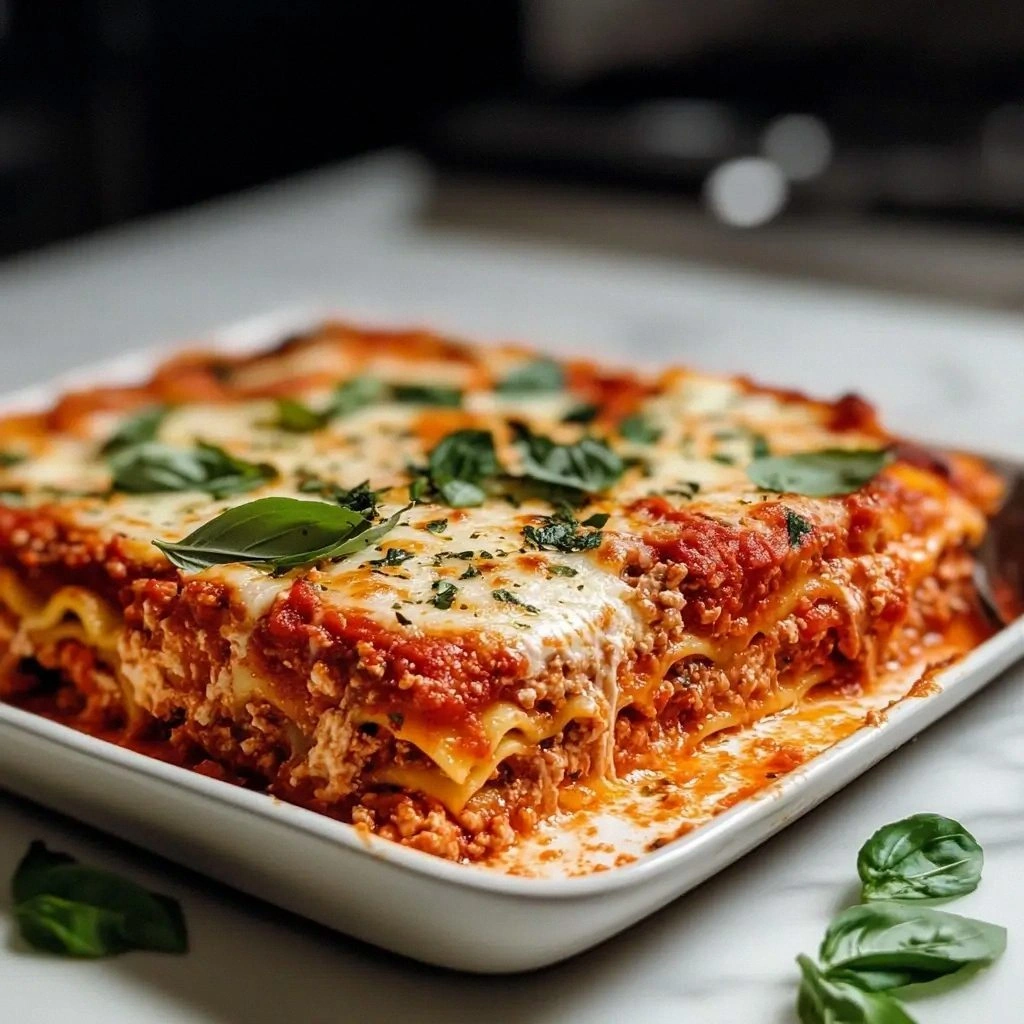
- Begin layering: spread a thin layer of sauce on the bottom of the dish, then arrange a single sheet of noodles over the sauce. Follow with a layer of the ricotta mixture, then a layer of the meat sauce, and sprinkle a handful of mozzarella and Parmesan. Repeat the layers two more times, finishing with a generous topping of mozzarella, Parmesan, and a sprinkle of parsley. The top layer should be golden and slightly crisp.
- Cover the baking dish tightly with aluminum foil to trap steam and prevent the top from burning. Bake for 30 minutes, then remove the foil and bake for an additional 10 minutes until the cheese is bubbly and lightly browned. Let the lasagna rest for 10 minutes before slicing to allow the layers to set and the flavors to meld.
That’s it—you did it. But hold on, I’ve got a few more tricks that will take this to another level. These insider tips will help you perfect the dish every time.
Insider Tricks for Flawless Results
The Temperature Rule Nobody Follows
Many cooks bake lasagna at a high temperature right from the start, but this can cause the top to brown too quickly while the interior remains undercooked. Instead, start at 375°F, cover, and let the steam do its work for 30 minutes. This low‑heat, covered approach ensures the noodles cook through gently, preventing a dry center. After uncovering, a brief high‑heat finish gives you the golden crust you crave.
Why Your Nose Knows Best
As the lasagna bakes, keep an eye (and nose) on the aroma. A fragrant, tomato‑rich smell that’s slightly sweet indicates that the sauce has thickened properly. If the smell is sharp or sour, it’s a sign that the sauce needs a touch more simmering or a pinch of sugar to balance the acidity. Trust your senses; they’re the best guide to a perfectly cooked lasagna.
The 5‑Minute Rest That Changes Everything
After baking, let the lasagna rest for at least 10 minutes before cutting. This rest period allows the layers to set, preventing the cheese from sliding off and the noodles from becoming mushy. The flavors also meld, creating a cohesive taste that’s more complex than the individual components. Think of it as the final seasoning that ties everything together.
Don’t Skimp on the Cheese
Cheese isn’t just a topping; it’s a flavor vehicle. Use a good quality mozzarella that melts well and a Parmesan that adds a sharp, nutty bite. If you prefer a more decadent dish, add a handful of shredded provolone or a sprinkle of gorgonzola to the layers for extra richness. The key is balance—too much cheese can overwhelm the sauce, but the right amount creates a luscious, satisfying bite.
Make‑Ahead Magic
Assemble the lasagna a day ahead, cover tightly, and refrigerate. When ready to serve, bake it at 375°F for 35 minutes, then finish with the final 10 minutes uncovered. If you’re freezing, wrap the assembled lasagna in foil and freeze for up to 3 months. Thaw overnight in the fridge and bake as directed. This method saves time on busy nights and ensures the dish stays flavorful.
Creative Twists and Variations
This recipe is a playground. Here are some of my favorite ways to switch things up:
Vegan Lasagna
Swap the ground beef for a plant‑based mince, use a vegan ricotta alternative, and replace the dairy cheeses with a blend of nutritional yeast and vegan mozzarella. The sauce remains the same, keeping the dish rich and comforting. This version is perfect for plant‑based diners who still crave the classic lasagna experience.
Spinach and Mushroom Layer
Sauté a cup of fresh spinach and half a cup of sliced mushrooms in olive oil, then fold them into the ricotta mixture. The earthy flavors of mushrooms complement the tomato sauce, while the spinach adds a pop of green. This variation brings a veggie‑forward twist that’s still hearty.
Spicy Arrabbiata
Increase the red pepper flakes to 1 teaspoon and add a splash of crushed red pepper to the sauce. The heat will cut through the richness of the cheese and add a fiery kick that’s sure to impress adventurous eaters. Serve with a side of crusty gluten‑free bread to soak up the extra sauce.
Herb‑Infused Ricotta
Add a handful of fresh basil, oregano, and thyme to the ricotta mixture. The herbs will infuse the cheese with bright, aromatic notes that elevate every bite. This subtle enhancement is perfect for those who love a fragrant, herbaceous flavor profile.
Mexican‑Inspired Lasagna
Replace the marinara with a salsa roja, add a layer of black beans, corn, and diced jalapeños, and top with shredded cheddar and a dollop of sour cream. This fusion dish brings a vibrant, Southwestern twist to the classic lasagna format.
Breakfast Lasagna
Use breakfast sausage instead of beef, add a layer of scrambled eggs, and top with shredded cheddar and a drizzle of maple syrup. Serve with a side of fresh fruit for a hearty, sweet‑savory breakfast that’s sure to wow.
Storing and Bringing It Back to Life
Fridge Storage
After baking, let the lasagna cool to room temperature, then cover tightly with plastic wrap or aluminum foil. Store in the refrigerator for up to 4 days. The layers will remain firm, and the flavors will continue to develop, making it a convenient option for leftovers.
Freezer Friendly
Wrap the assembled lasagna in two layers of foil, then place it in a freezer‑safe container or zip‑top bag. Freeze for up to 3 months. When ready to eat, thaw overnight in the refrigerator and bake at 375°F for 35 minutes, finishing with 10 minutes uncovered to crisp the top.
Best Reheating Method
Reheat leftovers in a 350°F oven for 20 minutes, or until heated through. For a quicker option, use a microwave on medium power for 2–3 minutes, then transfer to the oven for a few minutes to revive the crispy top. Adding a splash of water before reheating can help keep the dish moist and prevent it from drying out.