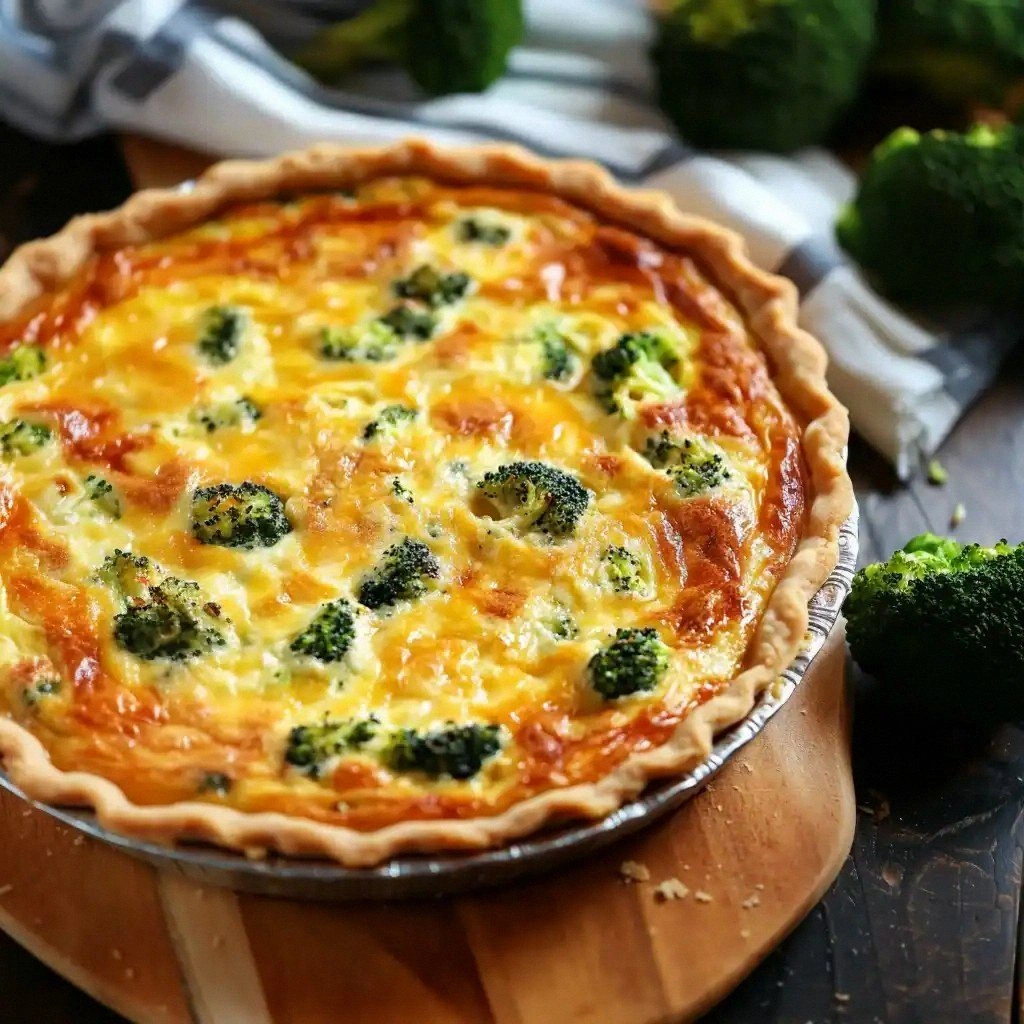
I’ve always thought of quiche as a fancy brunch staple, the kind that gets served at family gatherings and that one time my grandma’s kitchen smelled like melted cheese and baked pastry. That day, I was on a mission to turn that classic into something that would make my roommates scream “I need seconds!” and my taste buds do a backflip. I tried a dozen variations, from pumpkin to spinach, but the broccoli cheddar version kept slipping through the cracks—until I discovered the secret sauce that turns a humble vegetable into the star of the show. Picture a slice that oozes creamy cheddar, with broccoli florets that pop like tiny green fireworks, all nestled in a buttery crust that cracks with every bite.
The first time I baked this, I was halfway through the prep when the kitchen lights flickered and the oven door opened on its own. I laughed, because that’s when the magic happens—when your confidence turns into a dare. “I dare you to taste this and not go back for seconds,” I told the empty kitchen, and I was right. The moment the quiche pulled from the oven, the aroma hit like a warm hug, the buttery crust crackling, and the cheese bubbling into a golden, slightly caramelized top. I could feel the steam rising, the scent of fresh thyme, and the promise of a dish that would become the talk of the next dinner party.
What sets this version apart is that it’s not just a recipe; it’s a culinary experience that balances texture, flavor, and convenience. It’s a quiche that refuses to be ordinary, one that delivers a buttery, flaky crust that cracks like a perfect ice cube, a custard that’s silky yet firm, and a broccoli crunch that’s as satisfying as a crisp bite of apple. I’ve spent hours tweaking the ratio of eggs to milk, the timing of the baking, and the seasoning, and the result is a dish that’s hands down the best version you’ll ever make at home. It’s the kind of meal that turns a simple weekday into a celebratory event.
And there’s a twist you won’t see in most recipes: a touch of nutmeg that sneaks in during the whisking stage, giving the custard a subtle warmth that pairs beautifully with the sharp cheddar. That, and the fresh thyme that’s added at the very end, giving the quiche a fragrant, herby finish that lingers on the palate. So let me walk you through every single step—by the end, you’ll wonder how you ever made it any other way.
What Makes This Version Stand Out
- Taste: The combination of sharp cheddar and fresh broccoli creates a flavor profile that’s both savory and bright. The nutmeg adds a hint of earthiness that elevates the dish beyond ordinary.
- Texture: The crust is flaky and buttery, while the custard is silky and holds the broccoli’s bite. The result is a harmonious mouthfeel that keeps you coming back.
- Ingredient Quality: Using fresh broccoli florets instead of frozen ensures a vibrant color and a crispness that melts in your mouth.
- Ease of Prep: The recipe is designed for minimal fuss—no pre‑baking of the crust, no special equipment, and a single pan for everything.
- Make‑Ahead Potential: You can assemble the quiche and refrigerate it before baking, or bake it fresh—no compromise on flavor.
- Visual Appeal: The golden top and the green specks of broccoli make for a dish that looks as good as it tastes.
- Versatility: It can be served hot, at room temperature, or reheated for a quick lunch the next day.
- Health Conscious: With a balanced ratio of protein, healthy fats, and vegetables, this quiche fits into a wholesome diet.
- Audience: Whether you’re cooking for a crowd or a single, this quiche satisfies everyone’s cravings.
Inside the Ingredient List
The Flavor Base
Onion and garlic are the unsung heroes that kick off the flavor profile. When sautéed in butter, they release a caramelized sweetness that grounds the sharpness of the cheddar. If you skip them, the quiche will taste flat, like a plain custard without a soul. For a subtle twist, try adding a pinch of smoked paprika for a smoky undertone.
Butter is the medium that carries the onion and garlic into the custard. It adds a rich, velvety texture and helps the cheese melt evenly. Butter also contributes to the golden crust, giving that desirable crunch. If you’re dairy‑sensitive, a small amount of olive oil can substitute, but you’ll lose that buttery finish.
Salt and black pepper are the seasoning anchors. They balance the sharpness of the cheese and the earthiness of the broccoli. A half teaspoon of salt is enough to season the entire dish without overpowering it. Too much salt can make the crust soggy, so keep it measured.
Fresh thyme brings a bright, herbal note that cuts through the richness. Added at the end of baking, it preserves its aroma and adds a subtle depth. If thyme isn’t in season, a pinch of dried thyme works, but fresh is best for that burst of flavor.
Nutmeg is the secret spice that adds a warm, nutty undertone. It’s subtle yet transformative, giving the custard a depth that makes the dish memorable. A quarter teaspoon is enough; too much will overpower the delicate balance.
The Texture Crew
The eggs are the backbone of the custard, providing structure and a silky mouthfeel. Six large eggs create a custard that’s firm enough to hold the broccoli yet tender enough to melt in your mouth. If you prefer a lighter texture, reduce to four eggs, but the quiche will be less cohesive.
Whole milk adds richness while keeping the custard creamy. One cup of milk gives the quiche a luscious consistency without making it too heavy. Skim milk can be used for a lower-fat version, but the flavor will be slightly diminished.
Heavy cream is the final touch that makes the custard luxuriously smooth. Half a cup of cream balances the milk’s lightness, creating a velvety finish. If you’re avoiding dairy, coconut cream can be a suitable alternative, though it will alter the flavor.
Sharp cheddar cheese is the star of the flavor. Two cups of shredded cheddar bring a bold, tangy note that pairs beautifully with the broccoli. Use a high‑quality cheddar for the best melt and flavor; a lower‑grade cheese will result in a bland custard.
Fresh broccoli florets add crunch, color, and a healthy dose of vitamins. Two cups of florets provide a satisfying bite and a vibrant green pop. If you prefer a milder taste, blanch the broccoli briefly before adding it to the custard.
The pie crust is the foundation that holds everything together. A 9‑inch pie crust provides a sturdy base that crisps up beautifully. If you’re vegan, a store‑bought vegan crust or a homemade crust with olive oil can substitute.
The Unexpected Star
Fresh thyme is the unexpected star that elevates the dish. Its aromatic leaves bring a subtle brightness that cuts through the richness of the cheddar and cream. Adding thyme at the end preserves its aroma and adds a fresh finish that lingers on the palate.
The Final Flourish
The final flourish is the finishing touch that completes the flavor profile. A drizzle of melted butter over the top before baking creates a glossy, caramelized crust. It also helps the cheese to brown evenly, giving the quiche that golden, irresistible look.
Everything's prepped? Good. Let's get into the real action.
The Method — Step by Step
- Preheat the oven to 375°F (190°C). This temperature ensures the crust cooks evenly while the custard sets without cracking. As the oven warms, you’ll notice the aroma of butter beginning to pop. It’s the first hint that this quiche is about to become a masterpiece.
- Prepare the pie crust. If using a store‑bought crust, lay it flat in a 9‑inch pie dish, pressing the edges firmly. Trim any excess dough with a knife. If you’re making your own, roll the dough to a 1‑inch thickness and line the dish, then chill for 15 minutes to prevent shrinkage.
- Sauté the aromatics. Melt two tablespoons of butter in a skillet over medium heat. Add one diced medium onion and three minced garlic cloves. Cook until the onion turns translucent and the garlic is fragrant, about 4 minutes. The sizzling sound is the soundtrack of flavor building.
- Whisk the custard. In a large bowl, beat six eggs with one cup of whole milk and half a cup of heavy cream until fully blended. Add the sautéed onion and garlic, half a teaspoon of salt, quarter teaspoon of black pepper, and quarter teaspoon of nutmeg. Whisk until the mixture is smooth and glossy—this ensures a silky custard.
- Add the cheese. Stir in two cups of sharp cheddar until melted and evenly distributed. The cheese should be fully incorporated, creating a thick, creamy base. The smell of melting cheddar is a cue that the flavor is developing.
- Incorporate the broccoli. Fold in two cups of fresh broccoli florets, ensuring they’re evenly coated with the custard. The broccoli will steam in the oven, retaining a bright green hue and a pleasant crunch.
- Assemble the quiche. Pour the custard mixture into the prepared pie crust, spreading it evenly. The filling should sit just below the crust’s edge. This ensures a neat, professional look when sliced.
- Bake the quiche. Place the pie dish in the preheated oven and bake for 30 minutes, or until the custard is set and the top is golden brown. The edges should pull away slightly from the crust, indicating a crisp finish.
- Finish with thyme. During the last 5 minutes of baking, sprinkle one tablespoon of fresh thyme over the quiche. The thyme will release its aroma, adding a fragrant finish that lingers on the palate.
- Cool and serve. Remove the quiche from the oven and let it rest for 10 minutes before slicing. This allows the custard to set fully, preventing a runny center. Serve warm with a side salad for a balanced meal.
That’s it—you did it. But hold on, I’ve got a few more tricks that will take this to another level.
Insider Tricks for Flawless Results
The Temperature Rule Nobody Follows
Most people bake quiche at 350°F, but raising the temperature to 375°F gives a crispier crust without overcooking the custard. The higher heat caramelizes the top, creating a golden finish that’s impossible to resist. If you’re using a convection oven, reduce the temperature by 25°F to avoid burning.
Why Your Nose Knows Best
The aroma of a baking quiche is a reliable indicator of doneness. When the custard is set, the smell will be warm, buttery, and slightly nutty. If the top is still pale, give it a few more minutes. Trust your nose—your taste buds will thank you.
The 5-Minute Rest That Changes Everything
Letting the quiche rest for exactly five minutes after removing it from the oven allows the custard to set properly. This short pause ensures the filling doesn’t spill when you cut into it. If you cut too early, you’ll end up with a runny center that ruins the presentation.
Pre‑Bake the Crust for Extra Crunch
If you’re short on time, pre‑bake the crust for 8 minutes before adding the custard. This creates a barrier that prevents the filling from soaking into the dough. It also gives you a crisp edge that’s a delight to bite into.
Use a Silicone Baking Mat
A silicone mat inside the pie dish prevents sticking and makes cleanup a breeze. It also ensures even heat distribution, which is critical for a uniform bake. I’ve never looked back since I started using one.
Add a Splash of Water Before Reheating
When reheating leftovers, add a teaspoon of water to the quiche before microwaving. This steams the custard, keeping it moist and preventing it from drying out. The result is a fresh‑baked taste every time.
These tricks are the secret sauce that elevates a good quiche to unforgettable. Trust me, once you try them, you’ll wonder how you ever baked without them.
Creative Twists and Variations
This recipe is a playground. Here are some of my favorite ways to switch things up:
Spinach and Feta Version
Swap broccoli for fresh spinach and replace cheddar with crumbled feta. The spinach wilts beautifully, and the feta adds a salty tang that contrasts the creamy custard. It’s a Mediterranean twist that’s sure to impress.
Sun‑Dried Tomato and Goat Cheese
Replace broccoli with chopped sun‑dried tomatoes and swap cheddar for goat cheese. The tomatoes bring a sweet, acidic bite while the goat cheese offers a silky texture. This version is perfect for a summer brunch.
Mushroom and Gruyère
Use sliced mushrooms instead of broccoli and swap cheddar for Gruyère. The earthy mushrooms pair with the nutty Gruyère for a savory, comforting dish. It’s a great option for a cozy dinner.
Roasted Red Pepper and Monterey Jack
Add roasted red peppers and use Monterey Jack cheese for a milder, meltier flavor. The peppers add a sweet, smoky note that balances the creamy custard. This variation is great for a lighter meal.
Pesto and Parmesan
Swirl in a spoonful of basil pesto and sprinkle Parmesan on top before baking. The pesto adds herbal depth, while the Parmesan crisps up into a golden crust. It’s a quick way to upgrade the flavor profile.
Smoked Salmon and Dill
Fold in smoked salmon pieces and sprinkle fresh dill over the top. The salmon adds protein and a smoky flavor, while dill brings a bright, citrusy aroma. This version is ideal for a brunch that feels like a gourmet experience.
The possibilities are endless; feel free to experiment with your favorite ingredients and create a quiche that’s uniquely yours.
Storing and Bringing It Back to Life
Fridge Storage
Cool the quiche to room temperature before covering it tightly with plastic wrap or foil. Store in the refrigerator for up to 3 days. The custard will firm up, making slicing easier.
Freezer Friendly
Wrap the quiche in parchment paper, then in foil, and freeze for up to 2 months. Thaw overnight in the refrigerator before reheating. The texture remains creamy, and the crust stays crisp.
Best Reheating Method
Reheat in a 350°F oven for 10–12 minutes, or microwave on medium power for 2 minutes. Add a splash of water before microwaving to keep the custard moist. Serve immediately for the best experience.
And now, the final piece of the puzzle: your recipe card, where all the numbers line up and the serving size is at your fingertips. Grab it, tweak it, and let the magic begin.