
Dan Dan Noodles
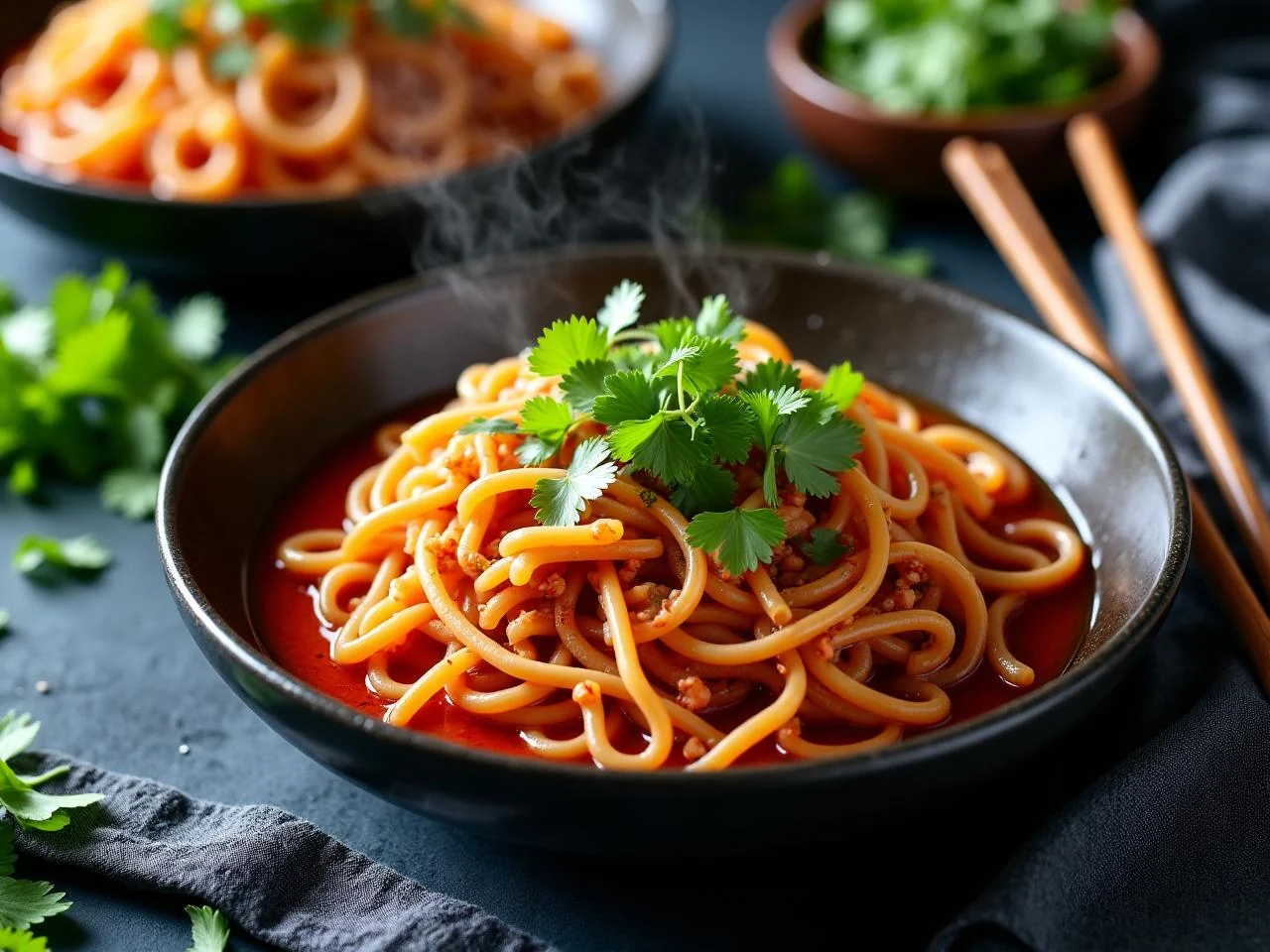
I still remember the first time I had Dan Dan noodles at a small Sichuan restaurant in my hometown. The combination of spicy sauce, savory pork, and silky noodles was love at first bite. Since then, I've been on a mission to perfect my own recipe for this beloved dish. Today, I'm excited to share it with you.
Dan Dan noodles are a staple of Sichuan cuisine, and for good reason. They're quick, easy, and packed with flavor. The best part? You can make them in the comfort of your own home, using ingredients that are easily accessible at most Asian markets or well-stocked supermarkets.
What makes this recipe special is the balance of flavors and textures. The spicy sauce, made with a combination of chili oil, soy sauce, and vinegar, is the perfect complement to the savory pork and soft noodles. And the best part? It's ready in under 30 minutes, making it perfect for a quick weeknight dinner or a casual dinner party.
If you're new to cooking Sichuan cuisine, don't worry. This recipe is approachable and easy to follow, with step-by-step instructions and tips to ensure that you get it just right. And if you're a seasoned cook, you'll appreciate the nuances of flavor and technique that make this dish truly special.
So go ahead, give this recipe a try, and experience the bold flavors and spices of Sichuan cuisine in the comfort of your own home.
Why You’ll Love This Recipe
- This recipe is quick and easy to make, perfect for a weeknight dinner or a casual dinner party
- The combination of spicy sauce, savory pork, and soft noodles is a match made in heaven
- The recipe is approachable and easy to follow, with step-by-step instructions and tips to ensure success
- The dish is highly customizable, with options to add or substitute ingredients to suit your taste
- The recipe makes a large batch of noodles, perfect for feeding a crowd or meal prep
- The dish is budget-friendly and uses ingredients that are easily accessible at most Asian markets or well-stocked supermarkets
- The recipe is perfect for spice lovers, with a spicy sauce that is both bold and balanced
Why This Recipe Works
The key to making great Dan Dan noodles is in the balance of flavors and textures. The spicy sauce, made with a combination of chili oil, soy sauce, and vinegar, is the perfect complement to the savory pork and soft noodles. By cooking the noodles al dente and then tossing them in the spicy sauce, we create a dish that is both flavorful and satisfying.
Another important aspect of this recipe is the use of layered seasoning. By adding aromatics like ginger and garlic to the pork, and then seasoning the sauce with soy sauce and vinegar, we create a depth of flavor that is hard to achieve with a single seasoning step. This technique is common in Sichuan cuisine, where the goal is to create a harmonious balance of flavors and textures.
Finally, the use of high heat and quick cooking times is essential to making great Dan Dan noodles. By cooking the pork and noodles quickly over high heat, we preserve their texture and flavor, and create a dish that is both spicy and savory.
Ingredients You’ll Need
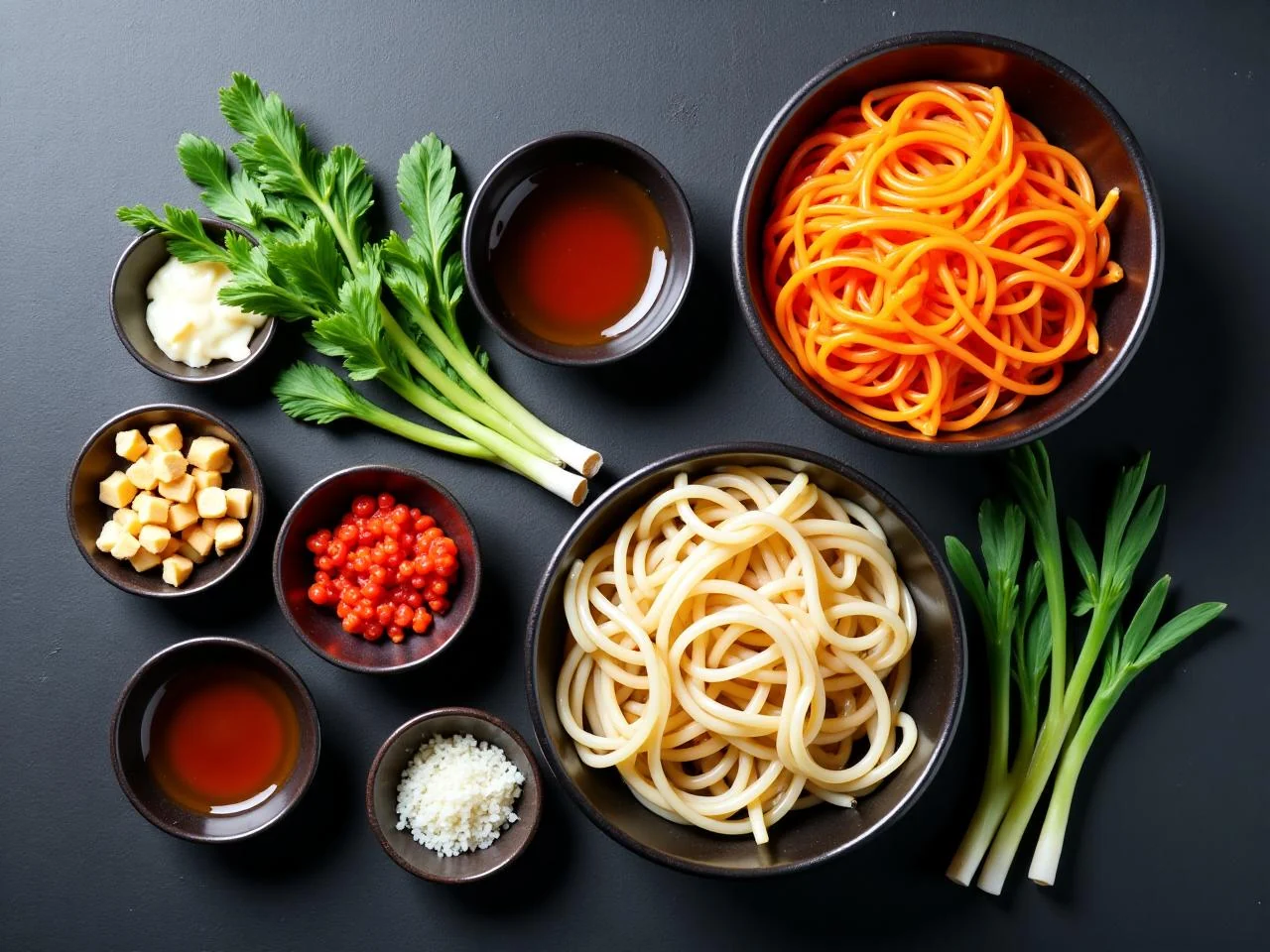
To make this recipe, you'll need a few key ingredients, including wheat noodles, ground pork, and a variety of aromatics like ginger and garlic. You'll also need some pantry staples like soy sauce, vinegar, and chili oil. Don't worry if you can't find some of these ingredients at your local supermarket - they're easily accessible at most Asian markets or online.
- 1 lb (450g) wheat noodlesLook for wheat noodles that are specifically labeled as 'Dan Dan noodles' or 'Sichuan noodles'. These noodles are typically thinner and more delicate than other types of wheat noodles, and are designed to hold onto the spicy sauce without becoming too soggy.
- 1/2 lb (225g) ground porkYou can use either lean or regular ground pork for this recipe, depending on your preference. If you're using lean ground pork, you may need to add a little more oil to the pan to prevent it from drying out.
- 2 cloves garlic, mincedFresh garlic is essential to this recipe, so be sure to use the good stuff. You can mince the garlic by hand or use a garlic press to get the job done.
- 1-inch (2.5cm) piece of fresh ginger, gratedFresh ginger adds a warm, spicy flavor to the dish that is essential to Sichuan cuisine. Be sure to use a microplane or fine grater to get the best results.
- 2 tbsp soy sauceSoy sauce is a key component of the spicy sauce, and adds a rich, savory flavor to the dish. Look for a high-quality soy sauce that is low in sodium and made with fermented soybeans.
- 2 tbsp vinegarVinegar adds a bright, tangy flavor to the dish that helps to balance out the richness of the pork and noodles. You can use either rice vinegar or apple cider vinegar for this recipe, depending on your preference.
- 1 tbsp chili oilChili oil is the key to making the spicy sauce, and adds a bold, spicy flavor to the dish. Look for a high-quality chili oil that is made with Sichuan peppercorns and chili peppers.
- 1 tsp sesame oilSesame oil adds a rich, nutty flavor to the dish that is essential to Sichuan cuisine. Be sure to use a high-quality sesame oil that is cold-pressed and fragrant.
- 1/4 cup (60g) scallions, choppedScallions add a fresh, oniony flavor to the dish that is essential to Sichuan cuisine. Be sure to use the green and white parts of the scallion, and chop them finely before adding them to the dish.
- Salt and pepper to tasteSalt and pepper are used to season the dish and bring out the flavors of the other ingredients. Be sure to use them sparingly, as the dish can quickly become too salty or peppery.
- 2 tbsp vegetable oilVegetable oil is used to cook the pork and aromatics, and adds a neutral flavor to the dish. Look for a high-quality vegetable oil that is low in sodium and made with healthy fats.
Equipment You’ll Need
How to Make Dan Dan Noodles
- 1Bring a large pot of salted water to a boil, and cook the wheat noodles according to the package instructions until they are al dente. Reserve 1 cup of the cooking water before draining the noodles.
- 2In a small bowl, whisk together the soy sauce, vinegar, chili oil, and sesame oil to make the spicy sauce. Set the sauce aside until ready to use.
- 3In a large heavy skillet or wok, heat 1 tablespoon of vegetable oil over high heat until it is almost smoking. Add the ground pork and cook, breaking it up with a spatula, until it is no longer pink, about 3-4 minutes.
- 4Add the minced garlic and grated ginger to the skillet and cook, stirring constantly, until they are fragrant and slightly softened, about 1 minute.
- 5Add the chopped scallions to the skillet and cook, stirring constantly, until they are slightly softened, about 1 minute.
- 6Add the spicy sauce to the skillet and stir to combine. Bring the sauce to a simmer and cook, stirring constantly, until it has thickened slightly and reduced by about half, about 2-3 minutes.
- 7Add the cooked noodles to the skillet and toss them in the spicy sauce until they are well coated. If the sauce seems too thick, add a little of the reserved cooking water to thin it out.
- 8Season the noodles with salt and pepper to taste, and serve them immediately, garnished with additional scallions and chili oil if desired.
- 9To make the dish more substantial, you can add some diced vegetables, such as bell peppers or carrots, to the skillet with the pork and aromatics.
- 10To make the dish spicier, you can add more chili oil or use hotter peppers, such as habaneros or ghost peppers.
- 11To make the dish more authentic, you can use Sichuan peppercorns and chili peppers to make the spicy sauce from scratch.
- 12To store the dish, you can cool the noodles and sauce to room temperature, then refrigerate or freeze them for later use.
- 13To reheat the dish, you can simply microwave the noodles and sauce until they are hot and steaming, or reheat them in a skillet over low heat, stirring constantly.
Expert Tips
- Use high-quality ingredients, such as fresh garlic and ginger, to get the best flavor.
- Don't overcook the noodles, as they can become mushy and unappetizing.
- Add the spicy sauce gradually, as it can be quite potent.
- Use a variety of aromatics, such as scallions and ginger, to add depth and complexity to the dish.
- Don't be afraid to experiment and add your own favorite ingredients to the dish.
- Use a wok or large skillet to cook the dish, as it allows for quick and even cooking.
- Add a little oil to the pan before cooking the pork and aromatics, as it helps to prevent them from sticking and adds flavor.
- Use a spatula or whisk to stir the sauce constantly, as it can thicken and stick to the pan if not stirred.
Common Mistakes to Avoid
- Overcooking the noodles, which can make them mushy and unappetizing.
- Not using high-quality ingredients, such as fresh garlic and ginger, which can result in a bland and unflavorful dish.
- Adding too much spicy sauce, which can overpower the other flavors in the dish.
- Not stirring the sauce constantly, which can cause it to thicken and stick to the pan.
- Not using enough oil in the pan, which can cause the pork and aromatics to stick and become dry.
- Not seasoning the dish with salt and pepper, which can result in a bland and unappetizing flavor.
Variations and Substitutions
- Add some diced vegetables, such as bell peppers or carrots, to the skillet with the pork and aromatics.
- Use different types of protein, such as chicken or beef, instead of pork.
- Add some fermented ingredients, such as kimchi or pickled ginger, to the dish for extra flavor and nutrition.
- Use different types of noodles, such as rice noodles or glass noodles, instead of wheat noodles.
- Add some eggs to the dish, either scrambled or fried, for extra protein and creaminess.
- Use different types of chili peppers or hot sauce to change the level of heat in the dish.
- Add some nuts or seeds, such as peanuts or sesame seeds, to the dish for extra crunch and nutrition.
What to Serve With Dan Dan Noodles
Dan Dan noodles are typically served as a main dish, but they can also be served as a side dish or appetizer. They pair well with a variety of other dishes, such as stir-fries, braises, and roasted vegetables.
Some popular options to serve with Dan Dan noodles include:
Make-Ahead, Storage, Freezing and Reheating
To store Dan Dan noodles, you can cool them to room temperature and then refrigerate or freeze them for later use. The noodles and sauce can be stored separately or together, depending on your preference.
To refrigerate the noodles and sauce, place them in an airtight container and store them in the refrigerator for up to 3 days. To freeze the noodles and sauce, place them in an airtight container or freezer bag and store them in the freezer for up to 3 months.
To reheat the noodles and sauce, you can simply microwave them until they are hot and steaming, or reheat them in a skillet over low heat, stirring constantly.
It's also a good idea to label the container or bag with the date and contents, so you can easily keep track of how long it's been stored.
Frequently Asked Questions
What type of noodles should I use for Dan Dan noodles?
You should use wheat noodles that are specifically labeled as 'Dan Dan noodles' or 'Sichuan noodles'. These noodles are typically thinner and more delicate than other types of wheat noodles, and are designed to hold onto the spicy sauce without becoming too soggy.
Can I use different types of protein instead of pork?
Yes, you can use different types of protein, such as chicken or beef, instead of pork. However, keep in mind that the flavor and texture may be slightly different, and you may need to adjust the cooking time and seasoning accordingly.
How spicy is the spicy sauce?
The spicy sauce is quite spicy, but you can adjust the level of heat to your liking by adding more or less chili oil. You can also use different types of chili peppers or hot sauce to change the level of heat in the dish.
Can I make the dish ahead of time?
Yes, you can make the dish ahead of time and store it in the refrigerator or freezer for later use. However, keep in mind that the noodles and sauce may become slightly soggy or dry if they are stored for too long, so it's best to make the dish fresh if possible.
What are some common mistakes to avoid when making Dan Dan noodles?
Some common mistakes to avoid when making Dan Dan noodles include overcooking the noodles, not using high-quality ingredients, adding too much spicy sauce, not stirring the sauce constantly, and not seasoning the dish with salt and pepper.
Can I add other ingredients to the dish?
Yes, you can add other ingredients to the dish, such as diced vegetables or nuts, to change the flavor and texture. However, keep in mind that the dish may become too complicated or overwhelming if you add too many ingredients, so it's best to start with a simple recipe and adjust to taste.
How do I reheat the noodles and sauce?
You can reheat the noodles and sauce by microwaving them until they are hot and steaming, or by reheating them in a skillet over low heat, stirring constantly.
Can I freeze the dish?
Yes, you can freeze the dish, but it's best to freeze the noodles and sauce separately to prevent them from becoming soggy or dry. You can also freeze the dish in an airtight container or freezer bag, and store it in the freezer for up to 3 months.
Ingredients
- 1 lb (450g) wheat noodles
- 1/2 lb (225g) ground pork
- 2 cloves garlic, minced
- 1-inch (2.5cm) piece of fresh ginger, grated
- 2 tbsp soy sauce
- 2 tbsp vinegar
- 1 tbsp chili oil
- 1 tsp sesame oil
- 1/4 cup (60g) scallions, chopped
- Salt and pepper to taste
- 2 tbsp vegetable oil
Instructions
- Bring a large pot of salted water to a boil, and cook the wheat noodles according to the package instructions until they are al dente. Reserve 1 cup of the cooking water before draining the noodles.
- In a small bowl, whisk together the soy sauce, vinegar, chili oil, and sesame oil to make the spicy sauce. Set the sauce aside until ready to use.
- In a large heavy skillet or wok, heat 1 tablespoon of vegetable oil over high heat until it is almost smoking. Add the ground pork and cook, breaking it up with a spatula, until it is no longer pink, about 3-4 minutes.
- Add the minced garlic and grated ginger to the skillet and cook, stirring constantly, until they are fragrant and slightly softened, about 1 minute.
- Add the chopped scallions to the skillet and cook, stirring constantly, until they are slightly softened, about 1 minute.
- Add the spicy sauce to the skillet and stir to combine. Bring the sauce to a simmer and cook, stirring constantly, until it has thickened slightly and reduced by about half, about 2-3 minutes.
- Add the cooked noodles to the skillet and toss them in the spicy sauce until they are well coated. If the sauce seems too thick, add a little of the reserved cooking water to thin it out.
- Season the noodles with salt and pepper to taste, and serve them immediately, garnished with additional scallions and chili oil if desired.
- To make the dish more substantial, you can add some diced vegetables, such as bell peppers or carrots, to the skillet with the pork and aromatics.
- To make the dish spicier, you can add more chili oil or use hotter peppers, such as habaneros or ghost peppers.
- To make the dish more authentic, you can use Sichuan peppercorns and chili peppers to make the spicy sauce from scratch.
- To store the dish, you can cool the noodles and sauce to room temperature, then refrigerate or freeze them for later use.
- To reheat the dish, you can simply microwave the noodles and sauce until they are hot and steaming, or reheat them in a skillet over low heat, stirring constantly.