When I first tried to whip up a quick dinner, I pulled out a jar of miso, a bag of ramen, and a handful of mushrooms. The kitchen erupted in a smoky haze, the broth boiling over, and I was left with a half‑cooked pot of disappointment. That night, I was craving something comforting, savory, and plant‑based, yet I had no idea I was about to stumble into the most addictive bowl of soup I’ve ever tasted. The next morning, my friends called, begging for the recipe, and I realized I had just discovered a culinary secret worth sharing with the world.
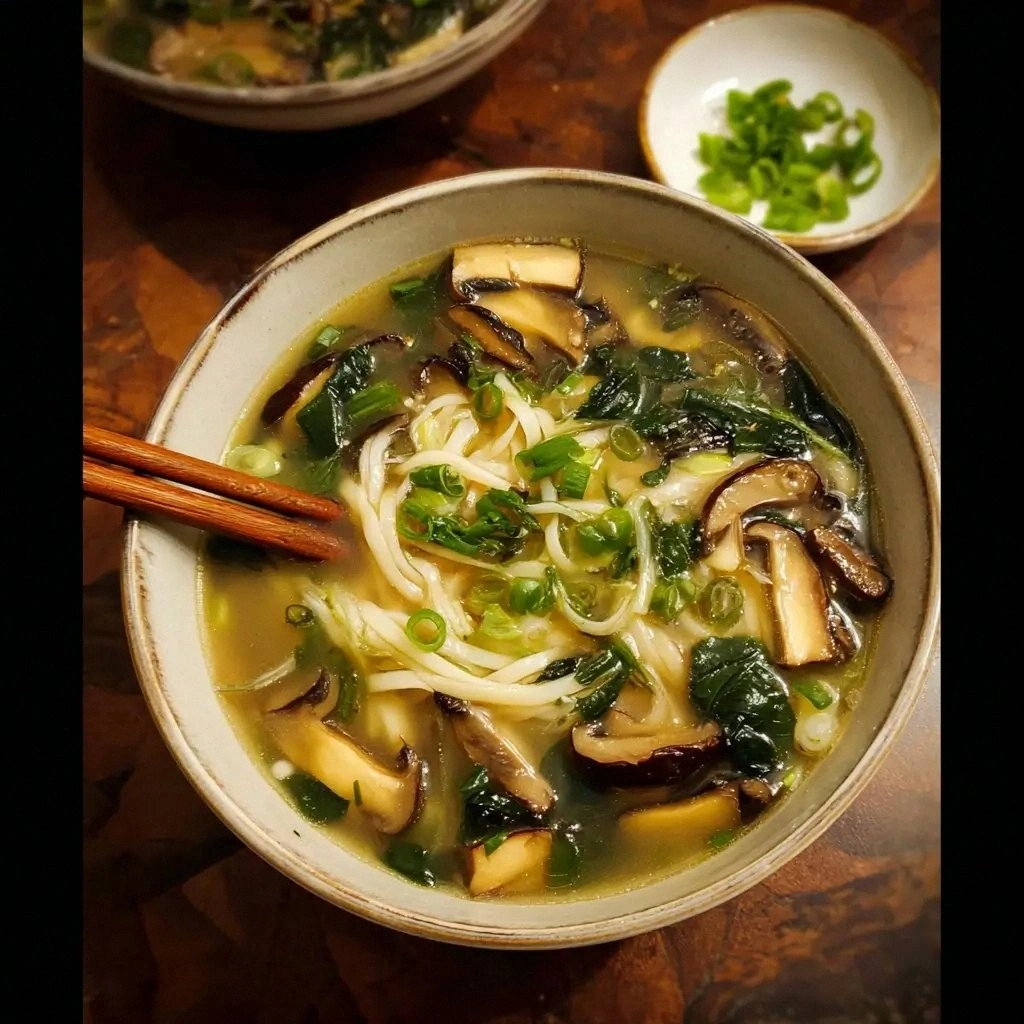
Picture the first spoonful: the broth glows like liquid amber, the miso’s umami depth mingles with a whisper of sweetness, and the tofu cubes sink into the sauce like tiny moons. The mushrooms release a forest‑floor aroma that lingers, while the bok choy adds a satisfying crunch that snaps with every bite. The noodles, al dente and silky, are coated in a velvety sauce that clings without clinging too hard, and a drizzle of sesame oil gives the dish a nutty finish that rounds out the flavor profile. It’s a symphony of textures and tastes, a bowl that feels like a hug from the inside out.
What makes this version stand out? First, it’s entirely vegetarian, yet it delivers the deep, complex flavors you’d expect from a meaty broth. Second, the miso paste is the star, not a background player. Third, the mushrooms are sautéed until caramelized, creating a subtle caramel flavor that contrasts beautifully with the bright broth. Fourth, the tofu is silken, not firm, so it melts into the soup, providing protein without heaviness. Fifth, the quick‑cook ramen noodles are added at the end, ensuring they stay al dente and absorb the soup’s flavors. Lastly, the finishing touch of toasted sesame seeds and scallions adds a layer of texture and a pop of color that elevates the dish from simple to spectacular.
There’s a trick I’ve learned over the years that will change the game: always whisk the miso paste with a small amount of hot broth before adding it to the pot. This technique ensures the miso dissolves smoothly, preventing clumps that can mar the texture of the soup. I dare you to taste this and not go back for seconds. Let me walk you through every single step — by the end, you’ll wonder how you ever made it any other way.
What Makes This Version Stand Out
- Flavor Depth: The miso paste is the cornerstone, offering a rich, umami backbone that’s both comforting and complex. The subtle sweetness from the rice vinegar balances the saltiness, creating a broth that’s never one‑dimensional.
- Texture Play: Silken tofu melts into the broth, while the caramelized mushrooms add a chewy bite. The ramen noodles are tossed just before serving, keeping them al dente and allowing them to soak up the sauce.
- Ingredient Simplicity: Only a handful of pantry staples are needed, yet each plays a pivotal role. This makes the recipe approachable for beginners and satisfying for seasoned cooks.
- Protein Power: With silken tofu and miso, the soup packs over 25 grams of plant‑based protein per serving, making it a hearty meal that feels indulgent without the heaviness.
- Make‑Ahead Friendly: The broth can be prepared in advance, and the noodles can be cooked separately, allowing you to assemble the dish quickly when you’re ready to eat.
- Audience Appeal: Friends, family, and even the skeptical carnivores will rave about this bowl. It’s a crowd‑pleaser that brings people together around a steaming pot.
Inside the Ingredient List
The Flavor Base
At the heart of this soup is a broth that’s both aromatic and comforting. The 4 cups of vegetable broth form the canvas, while 3 tablespoons of white miso paste paint the canvas with umami. Adding 2 tablespoons of soy sauce introduces a savory depth that’s reminiscent of a classic ramen base. A tablespoon of sesame oil brings a nutty undertone that lingers on the palate. Finally, a tablespoon of rice vinegar cuts through the richness, adding a subtle brightness that keeps the soup from feeling heavy.
The Texture Crew
Silken tofu, diced into 200 grams, offers a silky, almost buttery texture that melts into the broth, delivering protein without bulk. 150 grams of sliced shiitake mushrooms are sautéed until caramelized, creating a sweet, earthy bite that balances the broth’s brightness. 100 grams of chopped bok choy provide a crisp, green crunch that contrasts with the soft tofu. 50 grams of julienned carrots add a pop of color and a subtle sweetness that rounds out the flavor profile.
The Unexpected Star
Ramen noodles, 200 grams, are the vehicle that carries the broth’s flavors. When cooked al dente and tossed with the soup at the last minute, they absorb the sauce beautifully while maintaining a firm bite. 2 sliced green onions and 1 teaspoon of toasted sesame seeds garnish the bowl, adding a fresh, aromatic finish and a subtle crunch that elevates the dish’s texture.
The Final Flourish
Seasoning is the finishing touch. A pinch of salt and pepper to taste allow you to adjust the soup’s balance to your preference. The combination of all these elements creates a bowl that is both hearty and light, satisfying the hunger while keeping you feeling fresh.
Everything's prepped? Good. Let's get into the real action...
The Method — Step by Step
- Prepare the Broth: In a medium pot, bring 4 cups of vegetable broth to a gentle simmer. Add 3 tablespoons of white miso paste, whisking continuously until fully dissolved. This step is critical; a clumpy miso will ruin the soup’s silky texture. The aroma should fill the kitchen, hinting at the savory journey ahead. I swear, that scent alone can make your stomach growl.
- Infuse the Aromatics: Add 2 tablespoons of soy sauce, 1 tablespoon of sesame oil, and 1 tablespoon of rice vinegar to the pot. Stir to combine. Then drop in 1 teaspoon of grated ginger and 2 minced garlic cloves. Let the mixture simmer for 5 minutes, allowing the flavors to marry. If you’re feeling adventurous, you can add a pinch of red pepper flakes for a subtle heat.
- Sauté the Mushrooms: While the broth simmers, heat a tablespoon of vegetable oil in a skillet over medium heat. Toss in 150 grams of sliced shiitake mushrooms. Sauté until they release their juices and start to brown, about 4–5 minutes. Sprinkle a teaspoon of soy sauce in the last minute to deepen their flavor. This caramelization creates a sweet, earthy counterpoint to the broth.
- Cook the Noodles: In a separate pot, boil water and add 200 grams of ramen noodles. Cook according to package instructions, usually 3–4 minutes, until al dente. Drain and rinse under cold water to stop the cooking process. Set aside; you’ll add them to the soup at the final step.
- Add the Vegetables: Stir in 200 grams of diced silken tofu, 100 grams of chopped bok choy, and 50 grams of julienned carrots into the simmering broth. Allow them to cook for 3 minutes, just until the vegetables are tender but still bright and crisp. The tofu should remain soft, not mushy.
- Combine the Mushrooms: Fold the sautéed mushrooms into the pot, letting them mingle with the broth and vegetables. The aroma will intensify, and the mushrooms’ caramelized flavor will seep into the liquid.
- Finish with Noodles and Garnish: Add the cooked ramen noodles to the pot, tossing gently to coat them with the sauce. Let everything simmer for an additional minute to heat through. Then ladle the soup into bowls, sprinkle with 2 sliced green onions, 1 teaspoon of toasted sesame seeds, and a drizzle of sesame oil. The final touch is a sprinkle of fresh parsley or cilantro if you like a herbal note.
- Serve Immediately: The soup is best enjoyed hot, as the noodles and tofu are at their freshest. Serve with a side of pickled daikon or a simple cucumber salad to add a refreshing crunch.
That's it — you did it. But hold on, I've got a few more tricks that'll take this to another level...
Insider Tricks for Flawless Results
The Temperature Rule Nobody Follows
Many cooks keep the broth at a rolling boil, but that’s a recipe for bitterness. The broth should remain at a gentle simmer, just below boiling. This allows the miso to integrate smoothly and prevents the tofu from breaking apart. I once tried boiling the broth and ended up with a slightly bitter soup that no one wanted. Keep the heat low, and the flavor will bloom.
Why Your Nose Knows Best
When you’re near the end of cooking, take a deep breath. The aroma will tell you if the broth is ready. If it smells bright and slightly sweet, it’s perfect. If it smells flat, add a splash more soy sauce or a pinch of salt. Your nose is a reliable judge of flavor balance.
The 5-Minute Rest That Changes Everything
After the soup is finished, let it rest for 5 minutes off the heat. This brief pause allows the flavors to settle, and the tofu to absorb more broth. It also lets the noodles finish their final absorption of the sauce, resulting in a richer, more cohesive bite. Trust me, this small step makes the difference between good and great.
Use Fresh Tofu for Creaminess
Silken tofu is the key to a silky texture. If you’re using a brand that’s too watery, drain it gently on a paper towel before adding. A slightly firmer tofu will hold its shape better, while still melting into the broth. This small tweak ensures each bite is smooth without becoming mushy.
Keep the Noodles Al Dente
Overcooked noodles become mushy and lose their ability to absorb the broth. Cook them just until they’re firm to the bite, then rinse with cold water to stop the cooking process. This technique ensures the noodles maintain their texture and soak up the savory sauce beautifully.
Creative Twists and Variations
This recipe is a playground. Here are some of my favorite ways to switch things up:
Spicy Sriracha Kick
Stir in 1 tablespoon of sriracha during the final simmer. The heat will cut through the richness and add a playful bite. Pair with a side of pickled jalapeños for extra zing.
Thai Coconut Twist
Replace half the vegetable broth with coconut milk and add a splash of lime juice. The result is a creamy, tropical version that’s both comforting and exotic. Garnish with fresh cilantro for a bright finish.
Protein-Packed Quinoa
Swap the ramen noodles for cooked quinoa. This adds a nutty flavor and a protein boost, turning the dish into a wholesome, gluten‑free option. The quinoa’s texture pairs nicely with the silky broth.
Garden Veggie Boost
Add a handful of diced zucchini, bell pepper, and spinach during the last 2 minutes of cooking. This not only adds color but also boosts the nutritional profile, making the soup even more filling.
Umami Explosion with Shiitake Dried
Rehydrate dried shiitake mushrooms in hot water for 20 minutes, then slice and sauté them as usual. Their intensified umami flavor will deepen the broth, creating a richer, more complex taste.
Breakfast Bowl
Serve the soup over a bed of steamed rice instead of noodles, and top with a fried egg. This transforms the dish into a hearty breakfast that’s both satisfying and energizing.
Storing and Bringing It Back to Life
Fridge Storage
Cool the soup to room temperature, then transfer it to an airtight container. Store in the refrigerator for up to 3 days. The broth’s flavors will mellow, making it even more delicious.
Freezer Friendly
Divide the soup into freezer‑safe portions and freeze for up to 2 months. When you’re ready to eat, thaw overnight in the refrigerator. Reheat on the stovetop until steaming hot.
Best Reheating Method
To restore the soup’s original texture, reheat gently over low heat, adding a splash of water or broth to loosen the consistency. Stir occasionally until hot. A quick microwave burst can work, but be careful not to overheat, or the tofu may become rubbery.