Picture this: I’m standing in my kitchen, the stove humming, the air thick with the scent of caramelized onions, and I’ve just pulled a pot of boiling water from the sink. My friend, a self‑proclaimed culinary wizard, throws a challenge my way: “Make the best vegetable au gratin you’ve ever tasted, and I’ll buy you dinner.” I laugh, but I’m already thinking about the golden crust, the creamy melt, and that unmistakable crunch that makes every bite feel like a small victory. The moment the pot clatters and the steam rises, I know I’m about to rewrite the entire story of this humble dish.
I’ve tried the classic stovetop versions, the ones that end up soggy or over‑seasoned, and I’ve seen the oven‑baked ones that come out with a crust that’s either too pale or too charred. What I crave is a harmony of textures—soft, tender vegetables that give way to a glossy, cheese‑laden sauce, crowned with a crisp, buttery breadcrumb topping that crackles like fresh snow underfoot. The aroma that fills the kitchen when the gratin bakes is intoxicating: a buttery, nutty perfume that makes even the most skeptical food critic pause. I’m not just cooking; I’m creating a sensory experience that will have people asking for seconds—and maybe even thirds.
This isn’t just another casserole. It’s a carefully balanced symphony where each ingredient has a role, and every technique is a note that elevates the whole piece. I’ll show you how to layer flavors, how to use a splash of cream to keep the sauce silky, and how a handful of fresh thyme can turn an ordinary dish into a showstopper. The secret? A dash of nutmeg, a generous swirl of melted butter, and a final flourish of panko breadcrumbs that gives that coveted golden crunch. Trust me, this is hands down the best version you’ll ever make at home.
If you’ve ever felt the disappointment of a mediocre gratin, you’re not alone. I’ve been there, watching a pot of vegetables steam away while the sauce clings stubbornly to the bottom. But I’ve also tasted the triumph of a perfectly baked gratin, and I’m ready to share every single step. Let me walk you through the process, from the first sauté to the final, glorious bake, and by the end, you’ll wonder how you ever made it any other way.
What Makes This Version Stand Out
- Flavor Depth: A subtle nutmeg infusion and fresh thyme elevate the earthy vegetables, creating a complex flavor profile that lingers on the palate.
- Texture Contrast: The creamy sauce clings to the vegetables, while the panko topping delivers a satisfying crunch that shatters like thin ice.
- Simplicity: Only nine main ingredients, but each one is essential; no gimmicks, just pure, honest cooking.
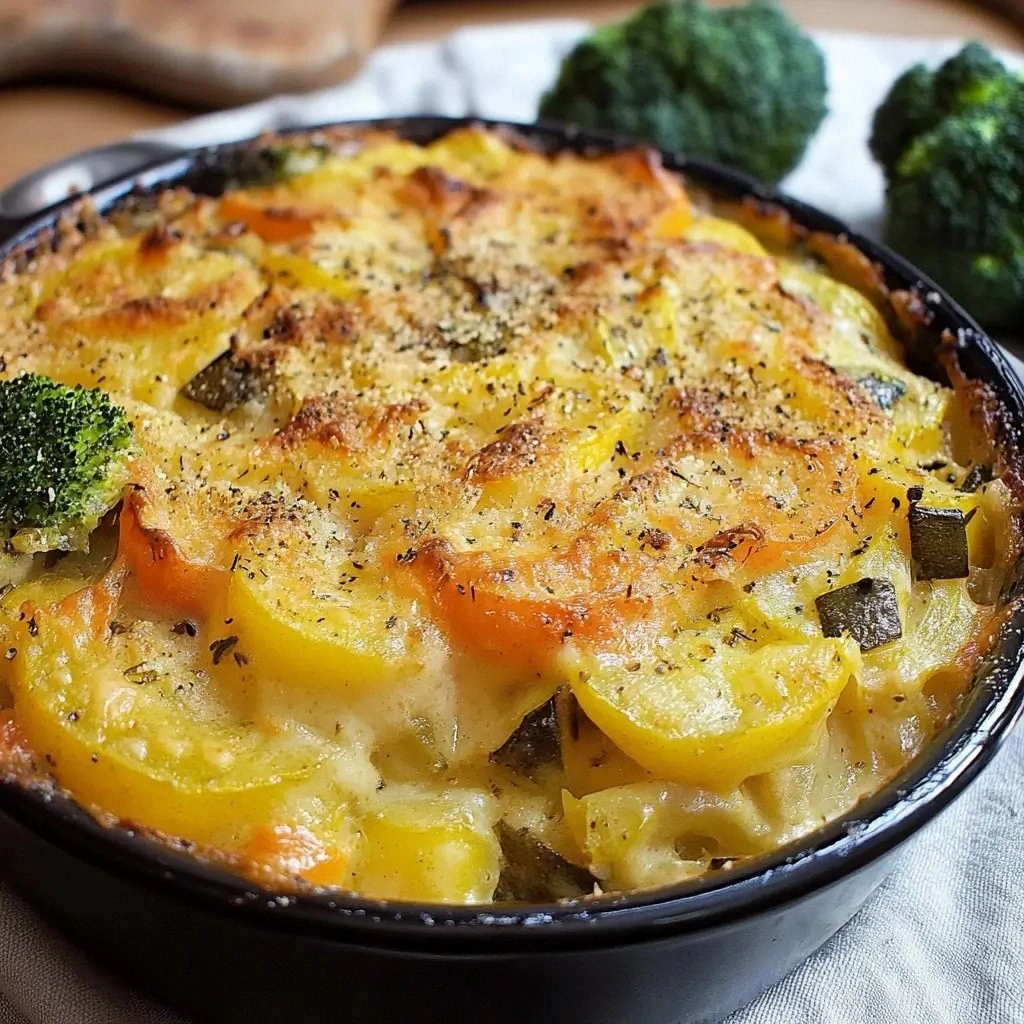
- Visual Appeal: The golden crust, speckled with melted cheese, is as beautiful to look at as it is delicious.
- Audience Reaction: Guests leave the table asking for the recipe, and the dish becomes a conversation starter.
- Ingredient Quality: Fresh, seasonal vegetables and high‑quality cheeses make all the difference; the dish truly shines when you use the best produce.
- Cooking Method: A single oven bake after a quick sauté saves time and reduces cleanup.
- Make‑Ahead Potential: Assemble the gratin the night before, refrigerate, and bake in the morning—perfect for busy schedules.
Alright, let’s break down exactly what goes into this masterpiece…
Inside the Ingredient List
The Flavor Base
Onions and Garlic: They form the aromatic foundation, releasing sweet, savory notes that permeate every bite. Sautéing them until translucent brings out their natural sugars, which caramelize slightly during baking, adding depth. Skipping them would leave the dish feeling flat and under‑seasoned, as the vegetables would lack that necessary savory backbone.
Milk and Heavy Cream: These liquids create the velvety sauce that coats each vegetable. The cream adds richness, while the milk keeps the mixture from becoming too heavy. If you replace the cream with a lighter alternative, the sauce may become thin and watery, compromising the classic gratin texture.
The Texture Crew
Potatoes, Carrots, Broccoli, Cauliflower, and Zucchini: Each vegetable brings a distinct bite and color, contributing to a rainbow of textures. The starchy potatoes absorb the sauce, the carrots add a subtle sweetness, and the cruciferous veggies offer a slight crunch. If you omit any of these, the dish loses its balanced composition and visual appeal.
Panko Breadcrumbs: They provide the signature crunchy top layer that crisps up into a golden crust. Their airy texture absorbs excess moisture, preventing the gratin from becoming soggy. A regular breadcrumb would make the topping heavy and less flaky.
The Unexpected Star
Gruyère Cheese: Its nutty, slightly salty flavor melts beautifully, creating a silky coating that binds the vegetables together. The cheese’s high melting point ensures it stays firm enough to form a crust without becoming oily. If you use a milder cheese, the gratin may lack the bold, savory finish that defines this recipe.
Parmesan Cheese: Adds a sharp, umami kick that balances the richness of the Gruyère. It also contributes to the golden crust’s color and texture. Skipping it would result in a less complex flavor profile.
The Final Flourish
Fresh Thyme, Nutmeg, Salt, and Pepper: These seasonings bring bright herbal notes and a subtle warmth that lifts the dish. Thyme’s earthiness complements the vegetables, nutmeg adds a whisper of spice, and salt and pepper enhance all flavors. Ignoring these would leave the gratin bland and unremarkable.
Everything’s prepped? Good. Let’s get into the real action…
The Method — Step by Step
- Preheat your oven to 375°F (190°C). While the oven heats, bring a large pot of salted water to a gentle boil. Add the sliced potatoes, carrots, broccoli, cauliflower, and zucchini. Cook for 5 minutes until they’re just tender but still firm, then drain and set aside. This parboiling step ensures even cooking and prevents the vegetables from becoming mushy during the bake.
- In a large skillet, melt the butter over medium heat. Add the diced onions and minced garlic, sautéing until translucent and fragrant—about 3 minutes. This is the moment of truth: the onions should be soft but not browned, preserving their sweet undertone.
- Pour in the milk and heavy cream, stirring to combine. Bring the mixture to a gentle simmer, allowing the sauce to thicken slightly. The sizzle and steam that rise are a sign that the sauce is developing its rich, velvety body.
- Add the Gruyère and Parmesan cheeses to the sauce, stirring until fully melted and smooth. The cheese should coat the back of a spoon, indicating a glossy consistency that will cling to the veggies. If the mixture starts to separate, lower the heat to keep it silky.
- Season the sauce with salt, pepper, nutmeg, and fresh thyme. Stir until the herbs are evenly distributed. The nutmeg’s warm spice should be barely perceptible, enhancing rather than overpowering the dish.
- In a large baking dish, layer the parboiled vegetables evenly. Pour the cheese sauce over the vegetables, ensuring every piece is coated. The sauce should rise slightly above the top of the veggies, creating a luscious, glossy surface.
- Sprinkle the panko breadcrumbs over the sauce, then drizzle the remaining melted butter on top. This combination will form the coveted golden crust. The butter helps the breadcrumbs crisp up and adds a subtle, buttery flavor that complements the cheeses.
- Bake in the preheated oven for 25–30 minutes, or until the top is golden brown and the sauce is bubbling. As the gratin bakes, the edges will pull away from the dish, signaling that the vegetables are perfectly cooked. If the top browns too quickly, tent the dish with foil to prevent burning.
- Remove the gratin from the oven and let it rest for 5 minutes. This short rest allows the sauce to set, making it easier to slice and ensuring each bite is cohesive. The aroma that fills the kitchen during this time is pure comfort.
- Serve hot, straight from the oven, perhaps with a side of crusty bread or a fresh green salad. The contrast between the warm, cheesy gratin and the crisp salad creates a balanced meal that satisfies both the palate and the soul.
That’s it— you did it. But hold on, I’ve got a few more tricks that will take this to another level.
Insider Tricks for Flawless Results
The Temperature Rule Nobody Follows
Many cooks bake gratins at a high temperature for a short time, resulting in a burnt top and under‑cooked veggies. I recommend baking at 375°F (190°C) for 25–30 minutes. This moderate heat allows the sauce to thicken evenly, the cheese to melt without scorching, and the vegetables to finish cooking without drying out.
Why Your Nose Knows Best
Trust your nose during the baking process. When the sauce starts to bubble and the aroma turns to a warm, buttery scent, it’s time to peek. The scent is a reliable indicator that the gratin is nearing perfection, even if the timer says otherwise.
The 5‑Minute Rest That Changes Everything
Letting the gratin rest for five minutes after baking is crucial. The sauce settles, making it easier to cut clean slices. It also allows the flavors to meld, so each bite is balanced and cohesive.
Use Fresh Herbs, Not Dried
Fresh thyme provides a brighter, more vibrant flavor than dried. If you must use dried, double the amount, but the fresh version remains the gold standard for this dish.
Don’t Skimp on Butter
Butter isn’t just a flavor enhancer; it’s the secret to a crisp, golden breadcrumb topping. Use a generous amount to coat the breadcrumbs, and the result will be a crust that’s both crunchy and buttery.
Pre‑Sauté the Vegetables for Extra Flavor
A quick sauté of the parboiled vegetables in a little butter before layering them in the dish adds depth and prevents them from releasing too much water during baking. This step is optional but highly recommended for a richer taste.
Creative Twists and Variations
This recipe is a playground. Here are some of my favorite ways to switch things up:
Cheesy Broccoli and Cauliflower
Swap the potatoes and carrots for extra broccoli and cauliflower florets. The result is a lighter, more vegetable‑centric gratin that still delivers on flavor. It’s a great option for those watching their carb intake.
Mediterranean Flair
Add chopped sun‑dried tomatoes, Kalamata olives, and a sprinkle of feta cheese. The briny olives and tangy feta introduce a Mediterranean twist that pairs wonderfully with the creamy sauce.
Spicy Cajun Kick
Stir in a tablespoon of Cajun seasoning and a pinch of cayenne pepper. The heat balances the richness, giving the dish a lively, bold character that’s perfect for a summer gathering.
Vegan Version
Replace the dairy with a plant‑based milk and vegan cheese, and use a vegan butter alternative. The texture and flavor remain remarkably similar, making this version inclusive for all.
Butternut Squash Twist
Use diced butternut squash instead of potatoes. Its natural sweetness and orange hue add a festive touch, especially during fall or holiday meals.
Herb‑Infused Breadcrumbs
Mix dried oregano, basil, and rosemary into the panko breadcrumbs before baking. The herbs permeate the crust, offering a subtle aromatic layer that complements the cheese.
Storing and Bringing It Back to Life
Fridge Storage
Cool the gratin completely, then cover tightly with plastic wrap or foil. Store in the refrigerator for up to 3 days. Reheat in the oven at 350°F (175°C) for 15 minutes, or until warmed through.
Freezer Friendly
Wrap the cooled gratin in foil, then place in a freezer bag. It will keep for up to 2 months. Thaw overnight in the refrigerator, then reheat at 350°F (175°C) for 25 minutes, or until hot.
Best Reheating Method
Add a splash of milk or water before reheating; this steams the dish back to a silky, creamy consistency. The moisture prevents the sauce from drying out, keeping the gratin as delightful as when it was first baked.