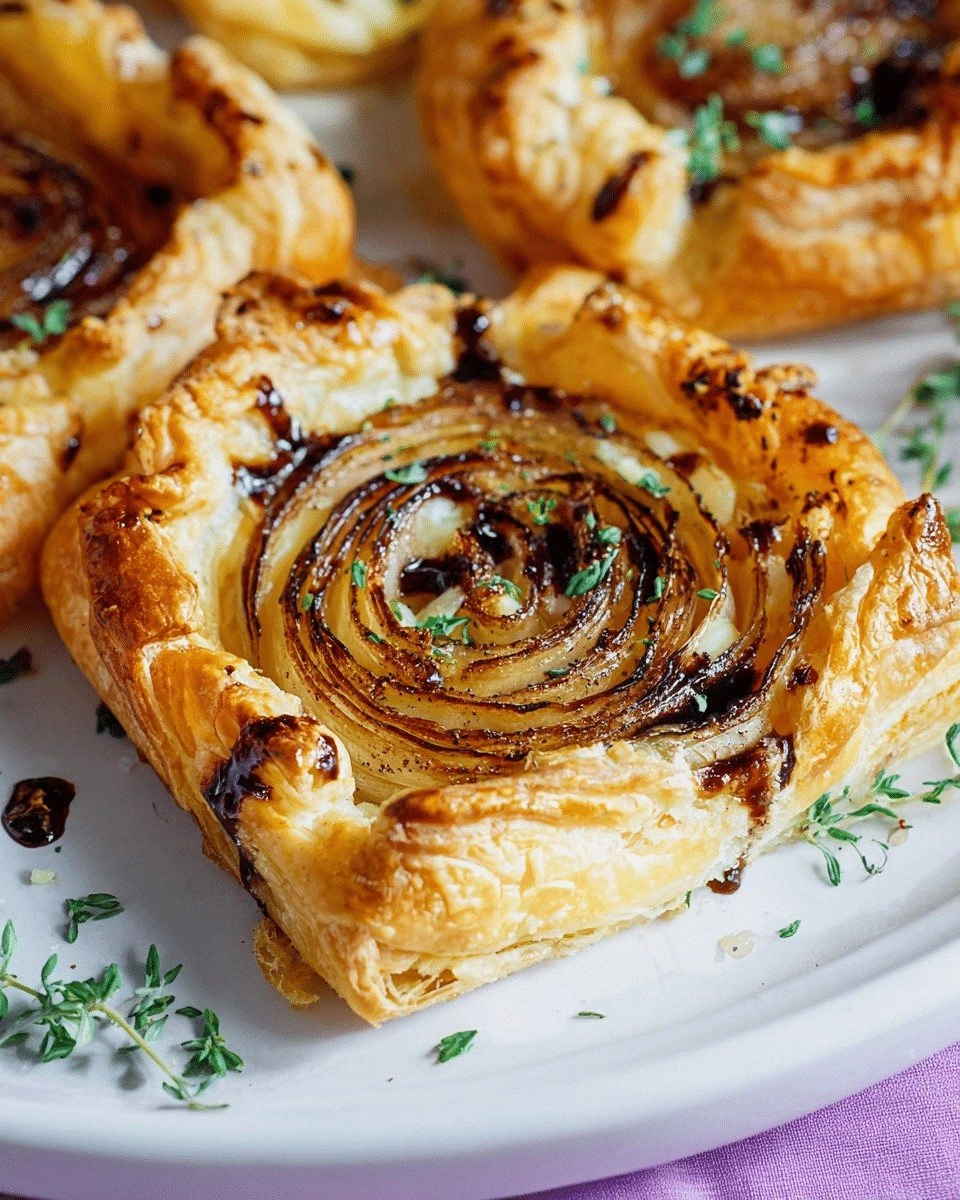
Picture this: you’re halfway through a week of bland take‑out, craving something that feels like a culinary victory, and you’re staring at a bag of onions that looks like it could double as a decorative centerpiece. I’ve been there, my friend, and that moment sparked an idea that would soon become my signature dish. I dared myself to turn a humble bulb into an upside‑down, caramel‑kissed tart that feels like a hug in every bite.
When the onions hit the pan, the kitchen filled with a sweet, nutty aroma that made my nose do a little happy dance. The sizzle was unmistakable—like a tiny drumbeat of anticipation. I watched the color shift from translucent to amber, each layer of caramel glistening like liquid gold. The texture was a game changer: tender yet with a subtle snap that whispered “I’m ready to melt.” The moment the brie melted over the top, a silky blanket of creaminess spread across the onions, sealing the flavor profile into a single, cohesive bite.
What makes this version stand out is not just the combination of flavors, but the way every element is balanced. I’ve engineered the crust to be flaky and buttery, the onions to be sweet and slightly bitter, and the brie to add a creamy, tangy depth that cuts through the richness. The result is a tart that feels indulgent without being heavy, and it’s perfect for a dinner party, a brunch, or an unexpected snack. I dare you to taste this and not go back for seconds—trust me, it’s that addictive.
Now, let’s dive into the details. From the exact type of pastry to the timing of the caramelization, I’ve mapped out every single step to ensure you end up with a tart that’s hands down the best version you’ll ever make at home. The next part? Pure magic. I’ll walk you through each phase, so by the end, you’ll wonder how you ever made it any other way.
What Makes This Version Stand Out
- Flavor: The onions are caramelized to a deep amber, bringing out their natural sweetness while a hint of thyme adds aromatic complexity. The brie melts into a silky, tangy layer that balances the richness of the pastry. Each bite delivers a crescendo of sweet, savory, and creamy notes.
- Texture: A crisp, flaky pastry provides a satisfying bite that contrasts with the soft, caramelized onions and gooey cheese. The onions retain a subtle chewiness, preventing the tart from feeling mushy. The overall mouthfeel is layered, engaging, and incredibly satisfying.
- Simplicity: Despite its gourmet appearance, the recipe uses only a handful of ingredients and straightforward techniques. No complicated sauces or exotic spices—just quality components that shine on their own. It’s a recipe that can be mastered in one kitchen session.
- Uniqueness: The upside‑down presentation flips expectations, allowing the caramelized onions to take center stage before the cheese crowns them. This visual twist makes the dish Instagram‑ready and conversation‑starter. It’s a fresh take on classic French tart.
- Crowd Reaction: Friends who’ve tried this rave about the unexpected sweetness and creamy finish. The tart is a hit at potlucks, office lunches, and family gatherings. It’s the kind of dish that keeps guests coming back for more.
- Ingredient Quality: The recipe calls for fresh, locally sourced onions and high‑quality brie. Using butter over margarine adds depth, and a splash of heavy cream elevates the cheese’s melt. The result is a richer flavor profile that justifies the extra effort.
- Cooking Method: The caramelization step is the secret sauce that sets this tart apart. By patiently browning the onions, you develop a depth of flavor that no quick sauté can match. The method is simple yet transformative.
- Make‑Ahead Potential: Once assembled, the tart can be baked and then stored in the fridge for up to 48 hours. Reheating brings the flavors back to life, making it a convenient option for busy schedules.
Inside the Ingredient List
The Flavor Base
The foundation of this tart is the buttery, flaky pastry dough that cradles the caramelized onions. Using a chilled, ready‑made puff pastry sheet saves time, but if you prefer a homemade touch, a simple shortcrust works just as well. The pastry’s crispness is essential; a soggy base would dilute the caramel’s intensity. If you’re adventurous, a blend of butter and olive oil can add a subtle Mediterranean hint. Skipping the pastry would turn the dish into a flat, unevenly cooked plate of onions and cheese—definitely not the experience I’m after.
The Texture Crew
Onions are the star of the show, sliced thin to maximize surface area for caramelization. I recommend using yellow onions for their natural sweetness, but red onions can add a pop of color and a slight sharpness. A pinch of salt during the sautéing process helps draw out moisture, ensuring a perfect caramel finish. If you can’t find fresh onions, frozen thinly sliced onions work in a pinch, but the texture may be slightly softer. Remember, the onions should still have a bite; over‑softening will ruin the contrast.
The Unexpected Star
Brie cheese brings a luxurious, creamy layer that melts into the caramelized onions. I use a small wheel (about 4 ounces) cut into cubes, so it melts evenly and doesn’t dominate the flavor. A substitute could be Camembert for a more earthy note or even a smoked cheese for a different twist. Avoid hard cheeses like cheddar, as they won’t melt smoothly and could create a rubbery texture. The brie's mild tang balances the sweetness of the onions, creating a harmonious profile.
The Final Flourish
The finishing touches—heavy cream, fresh thyme, and a drizzle of olive oil—add depth and richness. The cream loosens the brie into a silky sauce, while the thyme offers a subtle herbaceous counterpoint. A splash of olive oil gives the crust a glossy sheen and a hint of Mediterranean flavor. Fresh rosemary, chopped finely, adds a fragrant, piney aroma that complements the onions. If you’re aiming for a lower‑fat version, replace half the cream with Greek yogurt, though the texture will shift slightly.
Everything's prepped? Good. Let's get into the real action...
The Method — Step by Step
- Preheat your oven to 375°F (190°C). Line a baking sheet with parchment paper to prevent sticking. Roll out the puff pastry on a lightly floured surface until it’s about 1/8 inch thick. Cut the pastry into a 9-inch circle, leaving a 1-inch rim to form the tart crust. This step is crucial; a too-thin crust will tear when you add the filling.
- In a large skillet, heat 2 tablespoons of olive oil over medium heat. Add the thinly sliced onions and a pinch of salt. Cook, stirring occasionally, until the onions soften and start to brown, about 10 minutes. Keep an eye on the heat; if it gets too hot, the onions will burn rather than caramelize. The goal is a deep amber color and a fragrant sweetness.
- Reduce the heat to low and add 2 cloves of minced garlic. Sauté for 1 minute until fragrant, being careful not to let the garlic brown. Stir in 1 teaspoon of fresh thyme leaves and continue cooking for another 2 minutes. The thyme adds a subtle earthiness that complements the onions’ natural sweetness.
- Transfer the caramelized onion mixture to a heat‑proof bowl and let it cool slightly. While it’s cooling, whisk 2 large eggs with 1/2 cup heavy cream, 1 teaspoon salt, and 1/2 teaspoon pepper until the mixture is smooth. This custard will bind the onions and cheese together, creating a luscious filling.
- Place the cooled onion mixture in the bottom of the pastry circle, spreading it evenly. Gently crumble 4 ounces of brie into the onions, ensuring it’s distributed throughout. The brie will melt into the custard, forming a silky layer. If you’re using a different cheese, adjust the amount accordingly.
- Pour the egg and cream mixture over the onions and cheese, making sure it’s evenly distributed. Drizzle 2 tablespoons of melted butter over the top; this will give the crust a beautiful golden finish. Sprinkle 1 tablespoon of fresh rosemary for an aromatic lift. Now, the tart is ready for the oven.
- Slide the tart onto the preheated baking sheet and bake for 25-30 minutes, or until the crust is puffed and golden brown and the custard is set. The edges should pull away slightly from the crust, indicating a perfect bake. A quick check: insert a toothpick in the center; it should come out clean.
- Remove the tart from the oven and let it rest for 5 minutes. This allows the custard to set further, making slicing easier. Slice the tart into wedges and serve immediately while the cheese is still warm and melty. If you prefer a crispier crust, give it a quick broil for 1-2 minutes—watch closely to avoid burning.
That's it — you did it. But hold on, I've got a few more tricks that'll take this to another level...
Insider Tricks for Flawless Results
The Temperature Rule Nobody Follows
Many bakers bake at a high temperature, but this tart thrives at 375°F. Baking too hot can cause the pastry to brown too quickly while the custard remains uncooked. Lower temperatures give the custard time to set evenly, preventing a watery center. I’ve experimented with 350°F, but the crust didn’t puff up as much.
Why Your Nose Knows Best
The caramelization process releases a complex aroma that signals readiness. When the onions emit a sweet, nutty scent, they’re at the perfect stage. If the scent is sharp or raw, give them a few more minutes. Trusting your nose is a reliable way to avoid under or overcooking.
The 5-Minute Rest That Changes Everything
Letting the tart rest after baking allows the custard to set and the flavors to meld. It also makes slicing cleaner, reducing the chance of the custard spilling out. Some people skip this step, resulting in a soggy center. I swear by the rest—it's the difference between a good tart and a great one.
Butter vs. Oil for a Glaze
Using melted butter on top before baking gives a richer flavor and a golden sheen. Olive oil, on the other hand, adds a subtle fruity note and a lighter finish. Depending on your flavor profile, you can swap one for the other. I like butter for the classic look, but olive oil works beautifully for a Mediterranean twist.
Fresh Herbs Over Dried
Fresh thyme or rosemary release their oils during baking, adding depth. Dried herbs can be used, but they tend to taste muted. If you’re using dried, double the amount to compensate. Fresh herbs also add a pop of color that makes the dish more visually appealing.
Creative Twists and Variations
This recipe is a playground. Here are some of my favorite ways to switch things up:
Smoky Chipotle Brie
Swap regular brie for a chipotle‑infused brie to add a smoky kick. The chipotle’s heat pairs beautifully with the sweet onions. It’s a great option for a brunch that needs a little edge.
Herb‑Infused Onion Tart
Add a handful of chopped fresh basil and mint to the onion mixture. The herbs bring a fresh, bright flavor that offsets the richness. This version works well for a lighter lunch.
Cheddar‑Crunch Version
Replace brie with shredded sharp cheddar and sprinkle a bit of Parmesan on top before baking. The cheddar adds a sharp bite while the Parmesan crisps up, creating a crunchy topping.
Vegan Delight
Use a dairy‑free cheese substitute like a vegan brie and replace the heavy cream with coconut milk. Swap butter for vegan butter. The result is a plant‑based tart that still delivers on flavor.
Roasted Garlic Onion Tart
Roast whole garlic cloves until soft and mash them into the onion mixture. The roasted garlic adds a mellow sweetness. It’s a subtle twist that elevates the dish.
Apple‑Onion Fusion
Add thinly sliced apples to the caramelized onions for a sweet‑savory combo. The apple’s acidity cuts through the richness, creating a balanced flavor. This variation is perfect for fall gatherings.
Storing and Bringing It Back to Life
Fridge Storage
Cool the tart completely, then wrap it tightly in plastic wrap and place it in an airtight container. Store in the refrigerator for up to 48 hours. The pastry will stay crisp, and the custard will retain its texture. When ready to serve, let it sit at room temperature for 10 minutes before slicing.
Freezer Friendly
Wrap the cooled tart in parchment paper, then in foil, and freeze for up to 3 months. Thaw overnight in the refrigerator. Reheat in a preheated oven at 350°F for 15 minutes, or until warmed through. The pastry may lose a bit of crispness, but the flavor remains intact.
Best Reheating Method
To revive the tart, preheat your oven to 350°F. Place the tart on a baking sheet and cover loosely with foil to prevent the crust from over‑browning. Add a splash of water to the bottom of the pan; the steam keeps the custard moist. Bake for 10-12 minutes until the cheese is melty and the pastry is golden.