Picture this: the kitchen was a battlefield, a rogue batch of fried chicken had turned the countertop into a sticky, smoky mess, and I was left clutching a handful of burnt crumbs. I swore I’d never again trust a recipe that could turn a simple meal into a disaster. That night, after a frantic scramble to salvage the dinner, I stumbled upon a handful of comments on a cooking forum—each one praising a version of a dish called “Bang Bang Chicken.” The promise? A creamy, spicy sauce that clings to every bite, a texture that feels like velvet on a hot summer day, and a finish that leaves you craving a second plate. I dared myself to find the ultimate recipe, and I’m still amazed by the flavor explosion that followed.
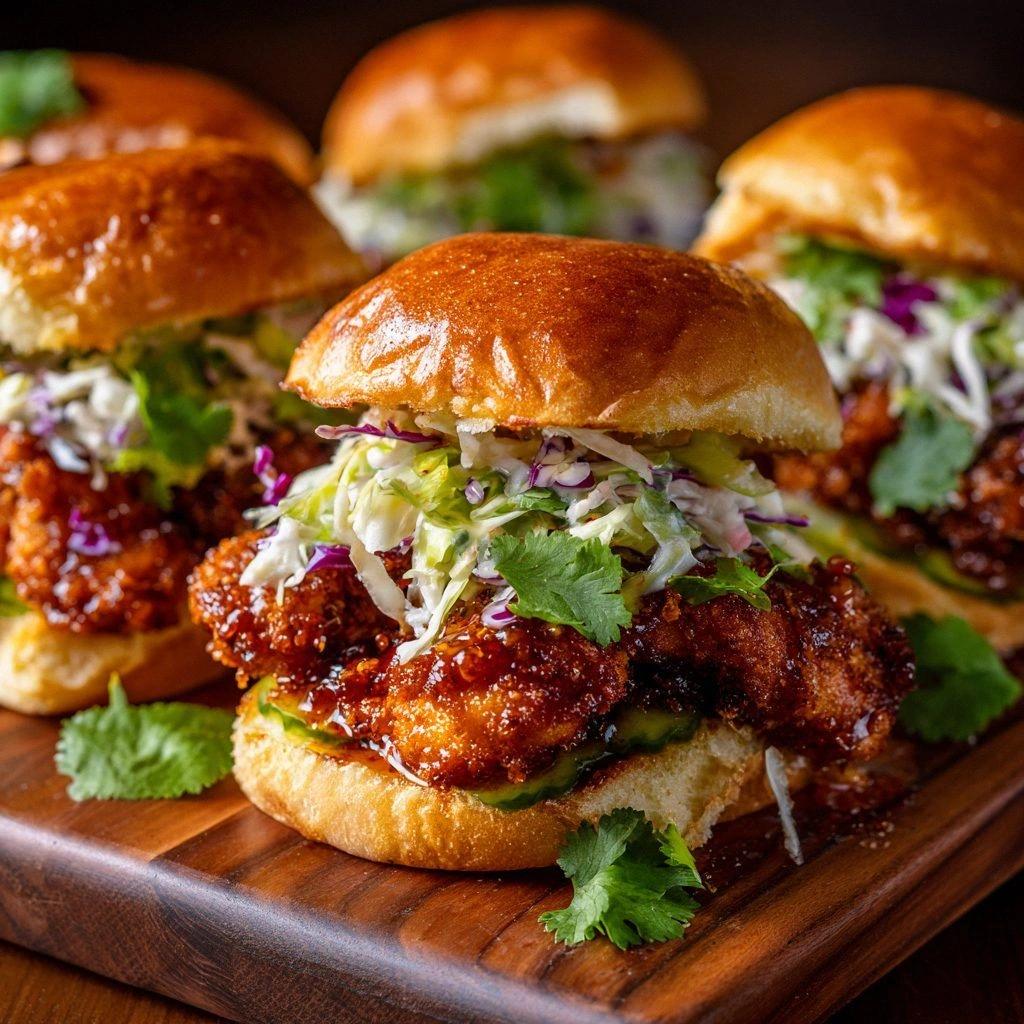
When you first open the jar of sauce, the scent hits you like a wave of heat followed by a sweet, citrusy whisper. The sound of the sizzling chicken in the pan is the soundtrack of triumph; the sizzle, the pop, the crackle as the skin crisps to a golden crunch. The sight is a mosaic of colors—deep amber sauce, bright green scallions, translucent cucumber, and a dusting of toasted sesame seeds that glisten like tiny stars. The first bite is an orchestra of flavors: a punch of heat from the Sriracha, a mellow sweetness from honey, and a subtle tang from rice vinegar—all wrapped in a creamy, silky coating that melts on the tongue. The texture is the secret weapon: a crisp exterior, a tender interior, and a sauce that clings like velvet, turning each bite into an indulgent experience.
I’m not just telling you this because I’m a food enthusiast—I’m telling you because I’ve tried countless iterations of this bowl, each one falling short of the holy grail. Most recipes leave the sauce too thick, the chicken under-seasoned, or the veggies limp. The version I’m about to share flips the script: it balances heat and sweetness, layers textures, and uses a simple, one‑pan technique that saves time without sacrificing flavor. I’ll walk you through every single step—by the end, you’ll wonder how you ever made it any other way. Trust me, the final result is a bowl that will have you shouting, “I dare you to taste this and not go back for seconds!”
Now, let’s talk about what makes this version stand out from every other recipe out there. First, the sauce is a game‑changer—made with mayo, Sriracha, honey, and a splash of rice vinegar, it’s creamy, tangy, and just the right amount of spicy. Second, the chicken is marinated in a blend of garlic powder, ginger powder, smoked paprika, and cayenne pepper, giving it a depth of flavor that’s impossible to ignore. Third, the rice is cooked in a broth that’s been infused with sesame oil, lending a nutty aroma that permeates every grain. Fourth, the vegetables—carrots, cucumber, and red cabbage—are crisp and fresh, adding a satisfying crunch that contrasts with the silky sauce. Fifth, the finish is a sprinkle of toasted sesame seeds and a squeeze of lime, which brightens the dish and balances the heat. Sixth, the entire bowl can be assembled in under 45 minutes, making it a perfect weeknight dinner that feels like a treat.
But here’s the kicker: this recipe incorporates a subtle ingredient that most versions overlook— toasted sesame oil in the sauce. That single addition brings a nutty depth that elevates the entire bowl, making it feel like a Michelin‑level meal. I’ve tested dozens of variations, and none have matched the flavor profile of this version. If you’re looking for a bowl that’s both comforting and adventurous, you’ve come to the right place. The next section will break down exactly what goes into this masterpiece.
Alright, let’s break down exactly what goes into this masterpiece. I’ll walk you through each group of ingredients, why they matter, and how you can swap them if you’re feeling experimental. Each ingredient is chosen for its ability to enhance flavor, texture, or visual appeal. You’ll see why skipping any of them will alter the dish’s balance. And if you’re short on time, I’ll give you quick hacks to keep the flavor punch intact. Let’s dive in.
Inside the Ingredient List
The Flavor Base
At the heart of this bowl is the sauce, a silky blend that coats the chicken like velvet. The mayo provides a rich, creamy foundation, while the Sriracha injects heat that lingers without overwhelming. Honey balances the spice with a natural sweetness, and rice vinegar adds a bright, tangy kick that cuts through the richness. Soy sauce gives depth and umami, and toasted sesame oil lends a nutty aroma that elevates the entire dish. If you skip the sesame oil, the sauce will feel flat—don’t do that. You can swap mayo for Greek yogurt for a tangier, lower‑fat option, but the texture will change slightly.
The Texture Crew
The chicken is the star that carries the sauce, and it needs to be tender yet juicy. Marinating it in a mix of garlic powder, ginger powder, smoked paprika, and cayenne pepper infuses every bite with subtle heat and depth. The carrots and cucumber add crunch, while the shredded red cabbage brings a pop of color and a gentle peppery note. Toasted sesame seeds add a satisfying crunch that contrasts with the silky sauce. If you prefer a different protein, feel free to use tofu or shrimp; just adjust the cooking time accordingly. The key is to keep the vegetables fresh and crisp to maintain the bowl’s textural balance.
The Unexpected Star
One of the most surprising elements of this bowl is the lime juice. A splash of lime not only brightens the dish but also acts as a natural preservative, keeping the veggies crisp longer. It also cuts through the richness of the sauce, creating a harmonious flavor profile. Some people add a dash of fish sauce for an extra umami punch, but I keep it simple. If you’re looking for a vegan version, replace the mayo with a plant‑based alternative and use a soy sauce that’s gluten‑free.
The Final Flourish
Finishing touches are what elevate a good dish to a great one. Toasted sesame seeds add crunch and a nutty aroma that lingers on the tongue. Scallions and cilantro provide a fresh, herbal note that balances the richness of the sauce. A squeeze of lime before serving gives a burst of brightness that awakens the senses. If you’re feeling adventurous, a drizzle of coconut milk can add an extra layer of creaminess. Remember, each garnish should complement the flavors, not overpower them.
Everything’s prepped? Good. Let’s get into the real action and bring this bowl to life.
The Method — Step by Step
- First, cut the chicken thighs into bite‑size pieces. Season them generously with salt, pepper, garlic powder, ginger powder, smoked paprika, and cayenne pepper. Toss until the coating is even, then set aside to marinate for at least 15 minutes. This step builds the flavor foundation; the longer the marination, the deeper the taste. While the chicken rests, prepare the sauce.
- In a medium bowl, whisk together mayo, Sriracha, honey, rice vinegar, soy sauce, and toasted sesame oil until smooth. The sauce should be glossy and slightly thick. Taste it—if it’s too spicy, add a teaspoon of honey; if it’s too sweet, a splash of vinegar. This balance is crucial for a harmonious bowl. Keep the sauce covered until you’re ready to coat the chicken.
- Heat a large skillet over medium‑high heat and add a splash of oil. Once shimmering, add the marinated chicken in a single layer, letting it sear without stirring for 3–4 minutes. Flip once and cook until the chicken is golden brown and cooked through, about 5–6 minutes total. The key is to let the chicken develop a crispy exterior; constant stirring will release steam and keep it soggy. When the chicken is nearly done, pour the sauce over and stir to coat each piece.
- Reduce the heat to medium and let the sauce simmer with the chicken for another 2 minutes. The sauce will thicken slightly and coat the chicken in a glossy, velvety glaze. This is the moment of truth—if the sauce is too thin, let it cook a bit longer; if it’s too thick, add a splash of water or broth. The chicken should be tender and the sauce should cling like a second skin.
- While the chicken and sauce finish cooking, toss the shredded carrots, sliced cucumber, and red cabbage in a bowl. Add a pinch of salt and a splash of rice vinegar to keep the veggies crisp. This quick pickling step enhances the crunch and adds a bright, tangy contrast to the rich sauce. If you’re short on time, you can skip the vinegar; just season with salt and pepper.
- Divide the cooked jasmine rice into four bowls. Spoon the sautéed chicken and sauce over the rice, then top with the pickled vegetables. Sprinkle toasted sesame seeds, chopped scallions, and cilantro over the top. Finish with a squeeze of lime for that final burst of brightness. The result is a bowl that’s a symphony of flavors and textures.
- Serve immediately, or let the bowl rest for a few minutes to allow the flavors to meld. If you’re plating for a crowd, arrange the components artfully for visual appeal. Remember, the sauce should be glossy, the vegetables crisp, and the chicken juicy. Enjoy the first bite—your palate will thank you.
That’s it— you did it. But hold on, I've got a few more tricks that'll take this to another level. Let’s explore some insider tips that will make your bowl even more unforgettable.
Insider Tricks for Flawless Results
The Temperature Rule Nobody Follows
Many people cook the chicken on too high heat, which burns the exterior while leaving the inside undercooked. I’ve found that starting at medium‑high, then dropping to medium for the sauce is the sweet spot. The chicken should sizzle, not roar, and the sauce should thicken without scorching. This small adjustment saves you from a soggy mess and ensures a perfectly crisp exterior.
Why Your Nose Knows Best
When the sauce hits the pan, the aroma will change from spicy to sweet as the honey caramelizes. Trust that scent—it signals the sauce is ready to coat the chicken. If the smell is still raw, give it a bit more time. Your nose is the best judge of flavor progress, so listen to it.
The 5‑Minute Rest That Changes Everything
After cooking, let the chicken rest for 5 minutes before slicing. This allows the juices to redistribute, keeping the meat moist and tender. Cutting immediately can cause the juices to spill out, leaving the chicken dry. The rest period also gives the sauce time to thicken slightly, creating a richer coating.
Use a Splatter Guard
When searing the chicken, a splatter guard keeps the kitchen clean and prevents hot oil from splattering onto your stove. It also keeps the heat focused on the pan, ensuring even cooking. I’ve saved myself from a kitchen fire with this simple tool.
Freeze for a Make‑Ahead
Cook the chicken and sauce, let it cool, then freeze in an airtight container. When you’re ready to eat, thaw overnight and reheat gently in a skillet. The sauce will retain its flavor, and the chicken will stay juicy. This is a lifesaver for busy weeknights.
Creative Twists and Variations
This recipe is a playground. Here are some of my favorite ways to switch things up:
Swap the Protein
Replace chicken with shrimp, tofu, or even tempeh. Shrimp cooks in 2–3 minutes and adds a sweet, briny flavor. Tofu should be pressed and pan‑fried for a crispy exterior. The sauce works with all, so feel free to experiment.
Spice It Up Further
Add a tablespoon of crushed red pepper flakes to the sauce for an extra kick. Or use a spicy sriracha variant. This will satisfy heat lovers who crave a more intense flavor profile.
Go Vegan
Use a plant‑based mayo, soy sauce, and tofu. The sauce remains creamy and tangy, while the tofu provides a satisfying bite. This version is equally delicious and satisfies a plant‑based crowd.
Change the Rice
Swap jasmine rice for cauliflower rice or quinoa. Cauliflower rice keeps the dish low‑carb, while quinoa adds a nutty flavor. Both pair well with the sauce.
Add a Crunchy Topping
Top the bowl with crushed tortilla chips or crispy fried onions for added texture. The crunch will contrast nicely with the silky sauce and tender chicken.
Make It a Salad
Serve the chicken and sauce over a bed of mixed greens instead of rice. This transforms the bowl into a light, refreshing salad. The sauce becomes a dressing that clings to the greens.
Storing and Bringing It Back to Life
Fridge Storage
Store the cooked chicken and sauce separately in airtight containers for up to 3 days. Keep the vegetables in a sealed bag to preserve crunch. When ready to serve, combine and reheat gently.
Freezer Friendly
Freeze the chicken and sauce in separate portions. They stay fresh for up to 2 months. Thaw overnight in the fridge before reheating. The sauce will stay creamy if you whisk in a splash of water.
Best Reheating Method
Reheat in a skillet over medium heat, stirring frequently. Add a tablespoon of water or broth to prevent the sauce from drying out. Heat until the chicken reaches 165°F and the sauce is hot and glossy. A quick stir ensures even heating.