I remember the night I almost burned down the kitchen because I tried to make that “instant” stir‑fry on a hot summer evening. The pot was a mess, the sauce was bland, and my friends left with a sigh that said, “That’s not how you do it.” I was determined to reverse that disaster, so I set out to create a version of Bami Goreng that would make you shout, “I dare you to taste this and not go back for seconds.”
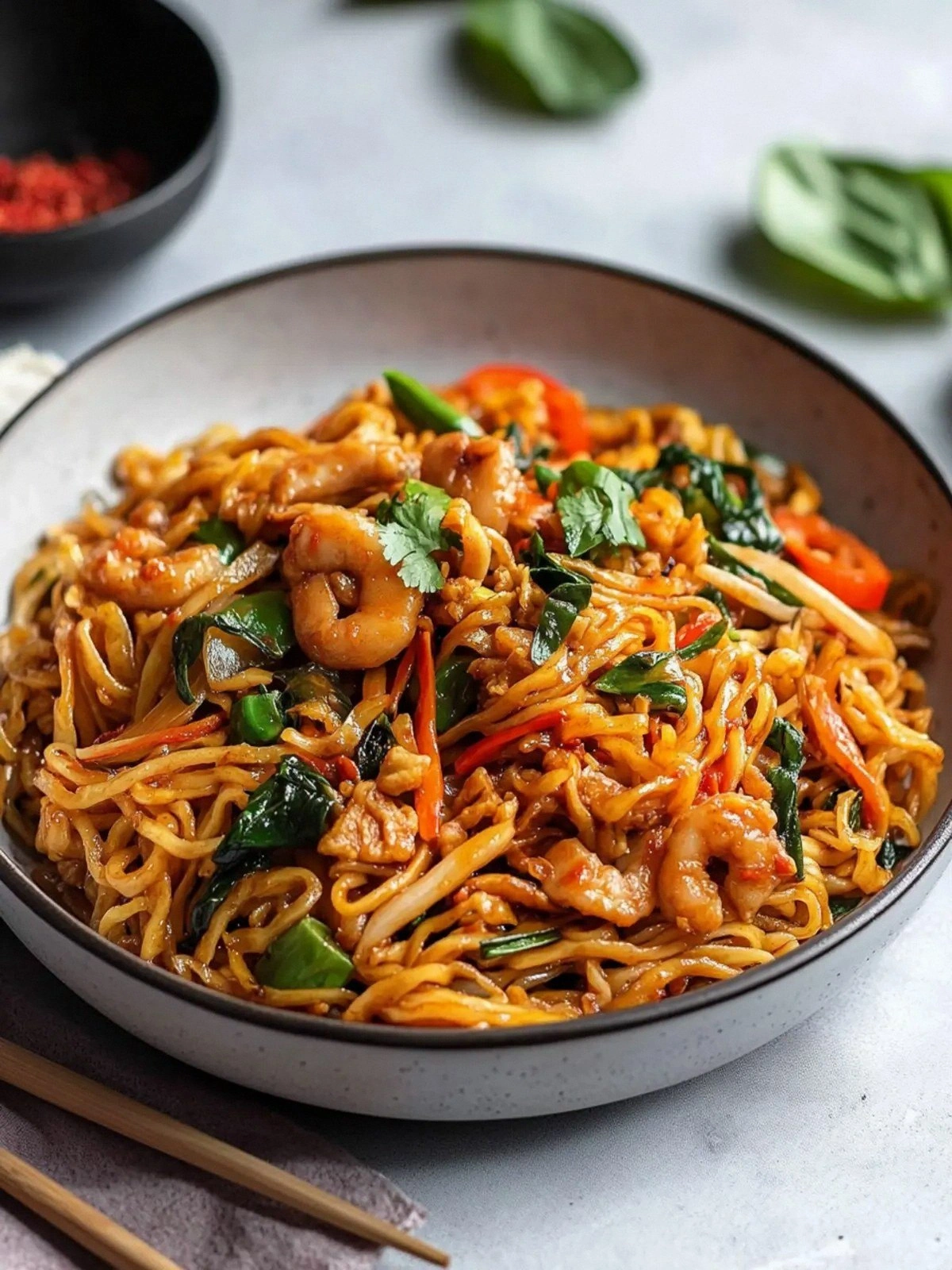
Picture this: a sizzling wok, the aroma of caramelized garlic and fresh ginger drifting through the air, a splash of sweet kecap manis that turns the noodles into a glossy, silky ribbon. The sound of the noodles hitting the hot oil is a satisfying crackle that signals the start of something delicious. You can feel the heat radiating from the pan, the gentle tug of the noodles as they stir, and the anticipation building in your chest. The first bite is a burst of umami, a hint of heat, and that unmistakable crunch that only fresh bean sprouts and napa cabbage can provide.
What makes this version stand out is that it’s a marriage of tradition and personal touch. I’ve trimmed down the prep time by using fresh egg noodles instead of dried, added a splash of sambal oelek for a subtle kick, and finished with a drizzle of sesame oil that gives the dish a nutty aroma. The sauce isn’t just a glaze; it’s a flavor symphony that coats every strand like velvet. And best of all, the dish is so adaptable that you can swap in whatever protein you have on hand, turning it into a quick week‑night meal or a show‑stopping dinner party staple.
So if you’ve ever struggled with the classic Bami Goreng recipe and felt it was missing that “wow” factor, you’re in the right place. I’ve broken down every ingredient, every technique, and every little hack that will elevate this dish from ordinary to unforgettable. Let me walk you through every single step — by the end, you’ll wonder how you ever made it any other way.
What Makes This Version Stand Out
- Flavor: The combination of kecap manis, oyster sauce, and a dash of sambal oelek creates a balanced sweet, salty, and spicy profile that is both comforting and exciting.
- Texture: Fresh egg noodles bring a tender chew that contrasts perfectly with crisp napa cabbage and crunchy bean sprouts.
- Speed: By using pre‑cut veggies and fresh noodles, you can have a full‑flavored plate on the table in under 30 minutes.
- Simplicity: Only one pan is required, reducing cleanup and letting you focus on the flavor.
- Uniqueness: The splash of sesame oil and the finishing garnish of fried shallots give it a signature aroma that sets it apart from other versions.
- Scalability: Whether you’re cooking for two or twelve, the ratios stay consistent, making it a crowd‑pleaser at parties or a comforting solo meal.
- Nutrition: Packed with protein from chicken and eggs, fiber from veggies, and healthy fats from sesame oil, it’s a balanced dish that satisfies without guilt.
- Make‑ahead Potential: Leftovers can be reheated with a splash of water, and the flavors only deepen as they sit.
Alright, let's break down exactly what goes into this masterpiece…
Inside the Ingredient List
The Flavor Base
The foundation of this Bami Goreng is a trio of sauces that together create a depth of flavor. Kecap manis, a sweet Indonesian soy sauce, provides a syrupy sweetness that caramelizes when heated. Oyster sauce adds savory depth, while light soy sauce gives a subtle saltiness. Dark soy sauce contributes a rich umami undertone and a deep color that makes the noodles look as good as they taste.
If you’re allergic to shellfish, simply omit the oyster sauce and double the kecap manis to maintain that savory sweetness. The balance of sweet and salty is delicate; too much soy sauce can overpower the delicate egg noodles, so measure carefully.
The Texture Crew
Fresh egg noodles are the star of the show. Their silky texture holds the sauce beautifully, and the slight chew adds a satisfying bite. Fresh napa cabbage and bean sprouts provide crunch and a refreshing bite that cuts through the richness of the sauce. Garlic chives and green onions add a mild oniony note that brightens the dish.
If you can’t find fresh egg noodles, you can substitute with wide rice noodles, but be careful not to overcook them; they should stay al dente to avoid mushiness.
The Unexpected Star
Sambal oelek is the secret weapon that gives this dish its subtle heat. A teaspoon is enough to add a whisper of spice without making the dish too fiery. The heat from sambal oelek complements the sweetness of the kecap manis, creating a flavor profile that is both complex and harmonious.
If you’re sensitive to heat, you can reduce the amount to half a teaspoon or replace it with a milder chili paste. The key is to let the heat linger on the palate, not overwhelm it.
The Final Flourish
A drizzle of sesame oil at the end adds a nutty aroma that elevates the dish to restaurant‑quality. The final garnish of sliced green onions and crispy fried shallots provides color contrast and an additional layer of crunch. These finishing touches transform a simple stir‑fry into a dish that feels indulgent and thoughtfully prepared.
Remember, the garnish is not just decorative; it adds a burst of flavor that ties all the elements together. A sprinkle of toasted sesame seeds would also add a pleasant crunch if you’re looking to experiment.
Everything's prepped? Good. Let's get into the real action…
The Method — Step by Step
- Begin by heating a large wok or skillet over high heat until it’s smoking. Add 2 teaspoons of sesame oil and swirl to coat. Once the oil shimmers, add the thinly sliced chicken thighs. Cook until the edges start to brown, about 3 minutes, stirring frequently. This is the moment of truth—watch the chicken release its juices and develop a caramelized crust.
- Push the chicken to one side of the pan, crack the 2 eggs into the empty space, and scramble until just set. Then mix the eggs with the chicken so they’re evenly distributed. This technique locks in moisture and gives the dish a silky texture.
- Add the minced garlic, sliced shallot, and thinly sliced carrot to the pan. Sauté until the aromatics are fragrant and the carrot begins to soften, about 2 minutes. The scent of garlic should fill your kitchen like a warm hug.
- Pour in the kecap manis, oyster sauce, light soy sauce, and dark soy sauce. Stir vigorously to coat all the ingredients. Let the sauce bubble and thicken slightly, which will take about 1 minute. The noodles will start to absorb this glossy mixture.
- Add the fresh egg noodles, breaking them if necessary to fit the pan. Toss everything together so the noodles are fully coated in sauce. Cook for 2-3 minutes, letting the noodles soak up the flavors. Keep the heat high so the noodles stay al dente.
- Introduce the napa cabbage, bean sprouts, garlic chives, and green onions. Stir-fry for another 2 minutes, ensuring the vegetables are slightly wilted but still crisp. This step adds a refreshing crunch that balances the richness.
- Finally, pour the sambal oelek over the mixture and give it one last toss. The heat will rise, and the dish will emit a subtle, inviting aroma. Taste and adjust salt if necessary.
- Remove from heat, drizzle with the remaining 1 tablespoon of sesame oil, and sprinkle the sliced green onions and fried shallots on top. Serve immediately while the noodles are still hot and glossy.
That’s it — you did it. But hold on, I've got a few more tricks that'll take this to another level…
Insider Tricks for Flawless Results
The Temperature Rule Nobody Follows
Cooking at the right heat is crucial. If the wok is too hot, the noodles will burn; too cool, and they’ll steam instead of fry. Aim for a medium‑high heat that keeps the sauce bubbling but not smoking. A quick test is to flick a few drops of water into the pan; if they dance and evaporate immediately, the heat is perfect.
Why Your Nose Knows Best
When the sauce starts to thicken, the aroma will shift from sweet to caramelized. Trust that scent as a cue to add the noodles. A well‑developed caramel aroma indicates the sugars in the kecap manis are ready to coat the noodles beautifully.
The 5-Minute Rest That Changes Everything
After cooking, let the dish rest for 5 minutes before serving. This allows the flavors to meld and the sauce to thicken into a glossy coating. I’ve seen friends who skip this step complain that the noodles feel soggy; the rest period fixes that.
The Secret to Crispy Fried Shallots
Use thinly sliced shallots and fry them at a lower temperature until golden brown. Stir occasionally to prevent burning. The result is a crunchy garnish that adds a delightful contrast to the silky noodles.
Balancing Sweet and Spicy
If you prefer a milder dish, reduce the sambal oelek to a quarter teaspoon. Alternatively, add a splash of lime juice to cut through the sweetness. The acidity will brighten the overall flavor profile.
The One-Ingredient Upgrade
Swap the chicken for shrimp or tofu for a different protein experience. Shrimp cooks in just 2 minutes and brings a briny sweetness, while tofu offers a neutral base that soaks up the sauce.
Creative Twists and Variations
This recipe is a playground. Here are some of my favorite ways to switch things up:
Seafood Splash
Swap the chicken for a mix of shrimp and scallops. Sauté the seafood just until pink, then proceed with the recipe. The briny flavor pairs wonderfully with the sweet sauce.
Vegetarian Delight
Omit the chicken and add extra tofu cubes or tempeh. Marinate the tofu in a splash of soy sauce and a pinch of sugar before frying for extra depth.
Spicy Extra Kick
Add a tablespoon of fresh sliced chilies or a spoonful of chili paste to the sauce. This elevates the heat level without overpowering the sweetness.
Mushroom Medley
Stir in sliced shiitake or button mushrooms with the carrots. The umami from the mushrooms enhances the sauce’s depth.
Noodle Swap
Use wide rice noodles or even soba noodles for a different texture. Just be mindful of the cooking time; rice noodles need less time to stay al dente.
Herb Infusion
Finish the dish with fresh basil or cilantro instead of green onions. The herbaceous aroma adds a fresh, tropical twist.
Storing and Bringing It Back to Life
Fridge Storage
Store leftovers in an airtight container for up to 3 days. Keep the noodles separate if possible to prevent them from becoming soggy. When ready to eat, heat on low with a splash of water to re‑moisturize.
Freezer Friendly
Freeze in portioned containers for up to 2 months. Thaw overnight in the refrigerator, then reheat in a skillet with a splash of water or broth. The sauce will re‑sear and regain its glossy finish.
Best Reheating Method
Reheat in a hot wok or skillet, adding a teaspoon of water or broth to keep the noodles from drying out. Toss frequently until hot and the sauce is steaming. A quick stir with a splash of sesame oil will restore the dish’s signature aroma.