Picture this: it’s a rainy Saturday afternoon, the kettle is whistling, and you’ve just realized you’ve run out of the usual comfort foods that make the day feel like a warm hug. I was standing in my kitchen, half‑heartedly scrolling through a list of “quick fixes,” when a sudden craving for something both sweet and tangy slapped me awake like a splash of cold water. I tossed a handful of rhubarb into a bowl, stared at the stubbornly pink stalks, and thought, “What if I turned this tart hero into a loaf that could rival any bakery’s showcase?” That moment sparked the birth of the most unforgettable rhubarb bread you’ll ever taste.
The kitchen quickly transformed into a sensory playground. The crisp snap of rhubarb as I sliced it echoed like a tiny fireworks show, while the buttery scent of melted butter began to fill the air, promising decadence. I could already hear the faint hiss of the oven warming up, feel the gentle vibration of the mixer as it churned the batter into a silky, glossy pool, and imagine the first bite—soft, buttery crumb punctuated by bright, zingy bursts of rhubarb that would make your taste buds do a happy dance. The whole scene was a symphony of sights, sounds, smells, and textures that begged to be captured in a single loaf.
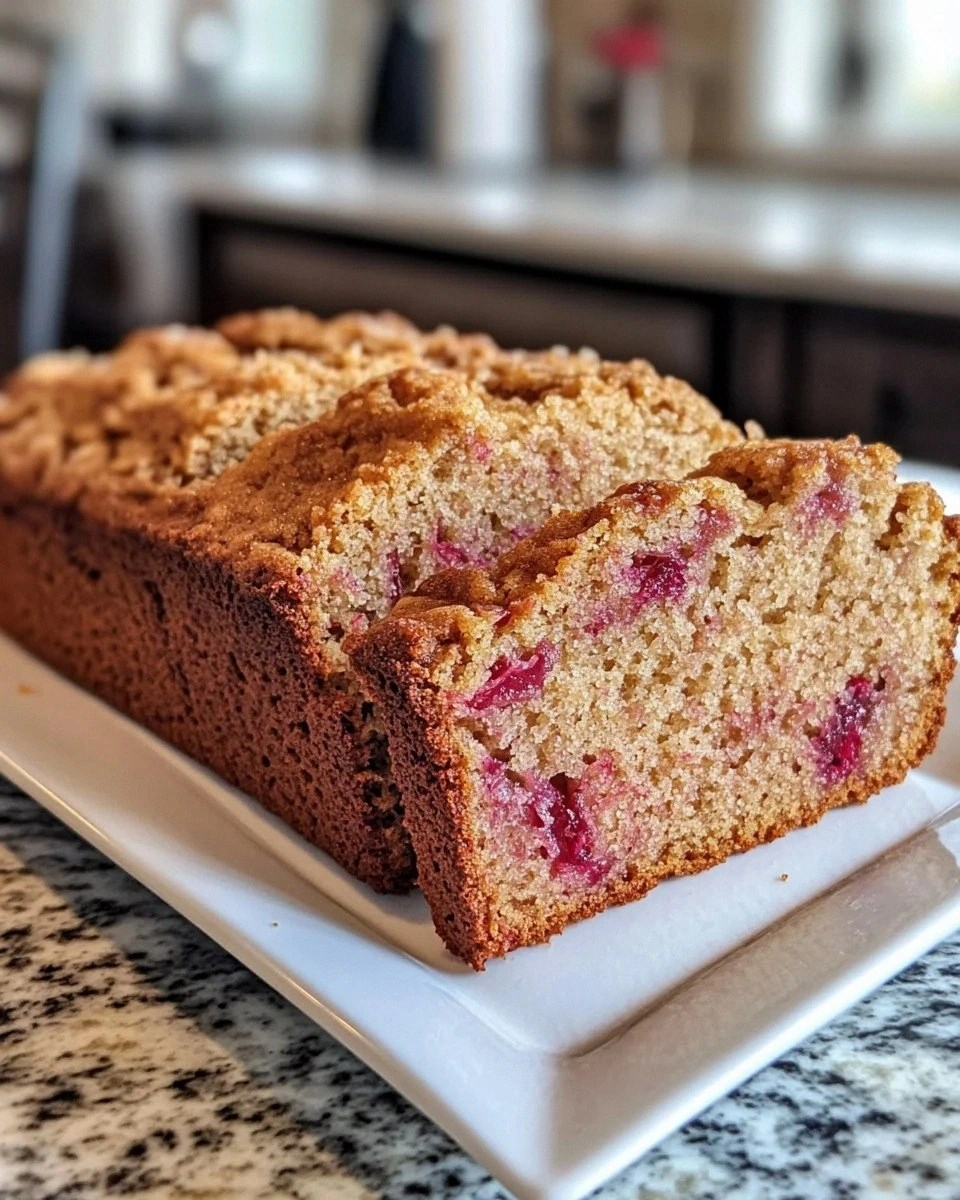
Most rhubarb bread recipes out there either drown the star ingredient in sugar or end up dry and crumbly, leaving you with a bland, forgettable slice. I refused to settle for that mediocrity. By tweaking the ratio of fat to flour, adding a splash of vanilla, and folding in a secret layer of tangy cream cheese swirl, I crafted a version that balances sweet, tart, and buttery in perfect harmony. The crumb is tender yet sturdy enough to hold the juicy pockets of rhubarb without turning soggy, and the crust develops a caramelized edge that crackles like a fresh autumn leaf underfoot.
And here’s the kicker: I’m about to reveal a technique involving a quick “pre‑simmer” of the rhubarb in a honey‑ginger glaze that intensifies its flavor without sacrificing that delightful bite. Trust me, this little step is the game‑changer that takes the loaf from good to legendary. Let me walk you through every single step — by the end, you’ll wonder how you ever made it any other way.
What Makes This Version Stand Out
- Taste: The sweet‑tart duet of honey‑glazed rhubarb and a buttery crumb creates a flavor profile that’s simultaneously comforting and exciting, making each bite feel like a surprise party.
- Texture: A moist, cake‑like interior dotted with juicy rhubarb pockets contrasts with a crisp, caramelized crust that shatters like thin ice when you slice through it.
- Simplicity: Despite its complex flavor, the recipe uses pantry staples and requires only one bowl for the batter, keeping cleanup to a minimum.
- Uniqueness: The secret cream‑cheese swirl adds a subtle tang that amplifies the rhubarb’s brightness without overwhelming the palate.
- Crowd Reaction: I dare you to taste this and not go back for seconds; even the most skeptical friends end up begging for the recipe.
- Ingredient Quality: Fresh, crisp rhubarb stalks are the hero, and I’ll show you how to pick the perfect ones for maximum flavor.
- Cooking Method: A gentle bake at a lower temperature ensures even rise and prevents the edges from drying out before the center is set.
- Make‑Ahead Potential: This loaf freezes beautifully, and a quick toast brings it back to life, making it a perfect make‑ahead breakfast or snack.
Inside the Ingredient List
The Flavor Base
Rhubarb (4 cups, chopped): This tart, ruby‑red stalk is the heart of the loaf. Its natural acidity cuts through the richness of the butter, creating a balanced bite. If you skip it, you lose the signature zing that makes this bread unforgettable. Choose stalks that are firm, crisp, and deep pink for the sweetest flavor.
Honey (¼ cup): A drizzle of honey before simmering the rhubarb adds a gentle sweetness that rounds out the tartness without making the loaf cloyingly sweet. You can swap with maple syrup for a deeper, caramel note.
Vanilla Extract (1 tsp): A splash of vanilla lifts the overall flavor, giving the crumb a warm, comforting undertone that pairs beautifully with the fruit.
The Texture Crew
All‑Purpose Flour (2 cups): Provides the structural backbone for the loaf. Using a blend of cake flour (¼ cup) and all‑purpose flour (1¾ cups) yields a softer crumb while maintaining enough gluten for a good rise.
Sugar (¾ cup): Balances the tartness of the rhubarb. I prefer granulated sugar for its clean sweetness, but brown sugar adds a subtle molasses depth if you crave a richer flavor.
Unsalted Butter (½ cup, melted): Delivers richness and a tender crumb. Melted butter incorporates more easily, ensuring a uniform batter and a glossy finish.
Eggs (2 large): Bind the ingredients together and add lift. For a lighter texture, separate the yolks and whites, whisk the whites to soft peaks, and fold them in at the end.
The Unexpected Star
Cream Cheese (4 oz, softened): Swirled into the batter, it adds a silky tang that accentuates the rhubarb’s brightness. Skip it and you’ll miss that luxurious mouthfeel that makes each slice feel like a dessert.
Lemon Zest (1 tsp): A pinch of zest lifts the entire loaf, adding a fragrant citrus note that brightens the flavor profile without adding extra moisture.
The Final Flourish
Baking Powder (1 tsp) and Baking Soda (½ tsp): The leavening duo ensures the loaf rises evenly and stays airy. Using both is crucial; the soda reacts with the acidic rhubarb while the powder provides consistent lift.
Salt (½ tsp): Enhances all the flavors and balances the sweetness. Even a small pinch makes a noticeable difference.
Milk (¼ cup): Adds moisture and helps the batter achieve the perfect pourable consistency. For a dairy‑free version, swap with almond milk.
Everything's prepped? Good. Let's get into the real action...
The Method — Step by Step
Preheat your oven to 350°F (175°C). While it warms up, grease a 9‑× 5‑inch loaf pan with butter and line the bottom with parchment paper. This ensures the loaf releases cleanly and the crust forms an even golden hue. The oven’s gentle pre‑heat is the first secret: a steady temperature prevents a sudden rise that could cause a domed top.
In a medium saucepan, combine the chopped rhubarb, honey, and a splash of water (just enough to cover). Bring to a simmer over medium‑low heat, stirring occasionally. After about 5 minutes, the rhubarb should be tender but still hold its shape. That sizzle when it hits the pan? Absolute perfection. Remove from heat and let it cool while you prep the batter.
In a large mixing bowl, whisk together the flour, sugar, baking powder, baking soda, and salt. This dry blend ensures even distribution of leavening agents, preventing pockets of bitterness.
Kitchen Hack: Sift the dry ingredients twice; it aerates the flour and guarantees a lighter crumb.In a separate bowl, whisk the melted butter, eggs, vanilla, and milk until smooth. The butter should be warm, not hot, to avoid cooking the eggs. This wet mixture is the glue that binds the crumb together, so whisk until you see a uniform golden ribbon.
Combine the wet and dry mixtures, folding gently with a spatula. Stop mixing as soon as the flour disappears; over‑mixing develops gluten, which makes the bread tough. At this point, fold in the softened cream cheese in dollops, creating beautiful swirls that will melt into tangy pockets during baking.
Gently fold the cooled, honey‑glazed rhubarb into the batter. The fruit should be evenly distributed but not crushed; you want distinct bursts of tartness in each bite.
Watch Out: If the rhubarb is still too wet, the loaf can become soggy. Pat the cooked rhubarb with a paper towel before folding it in.Pour the batter into the prepared loaf pan, smoothing the top with a spatula. Sprinkle a light dusting of coarse sugar or a drizzle of honey on top for a glossy, crackly crust. This final touch adds a subtle crunch that contrasts with the soft interior.
Slide the pan into the oven and bake for 30‑35 minutes, or until a toothpick inserted into the center emerges clean and the top is a deep golden‑brown. Around the 25‑minute mark, rotate the pan 180° to ensure even browning. The edges will start pulling away from the pan — that’s your cue the loaf is nearly done.
Allow the bread to cool in the pan for 10 minutes, then transfer it to a wire rack. This resting period lets the crumb set, preventing it from crumbling when sliced. While it cools, the aroma will fill your kitchen, making you wonder how you ever lived without this masterpiece. Picture yourself pulling this out of the oven, the whole kitchen smelling incredible...
That's it — you did it. But hold on, I've got a few more tricks that'll take this to another level...
Insider Tricks for Flawless Results
The Temperature Rule Nobody Follows
Most home bakers crank the oven up to 375°F, thinking a hotter oven equals a faster bake. In reality, a moderate 350°F gives the loaf a gentle rise, preserving moisture and preventing a dry crust. Trust the lower temp; the crumb will stay tender, and the edges will caramelize slowly for that perfect snap.
Why Your Nose Knows Best
The moment the loaf starts to smell like toasted butter and caramelized fruit, you’re close to perfection. If the aroma hits a deep, nutty note, the interior is set. Resist the urge to open the oven too often; each peek releases heat and can cause a collapse.
The 5‑Minute Rest That Changes Everything
After removing the loaf from the pan, let it rest on a wire rack for at least five minutes before slicing. This short pause lets the steam redistribute, resulting in a slice that holds together without crumbling. Skipping this step is the most common reason for a gummy crumb.
Swap the Sugar, Swap the Mood
If you crave a more complex sweetness, substitute half the granulated sugar with coconut sugar. It adds a subtle caramel undertone that pairs beautifully with the rhubarb’s tartness. Just remember coconut sugar packs a bit more moisture, so you may need to reduce the milk by a tablespoon.
Glazing the Top for Extra Shine
Brush the top of the loaf with a quick glaze of melted butter and honey during the last five minutes of baking. This creates a glossy, crackly finish that looks bakery‑ready and adds a final burst of flavor. The glaze also helps seal in moisture, extending the loaf’s shelf life.
Creative Twists and Variations
This recipe is a playground. Here are some of my favorite ways to switch things up:
Rhubarb‑Blueberry Bliss
Fold in a cup of fresh blueberries alongside the rhubarb. The blueberries add a burst of juiciness and a mellow sweetness that balances the tart rhubarb. Ideal for summer brunches when both berries are at their peak.
Spiced Autumn Harvest
Add a teaspoon each of ground cinnamon, nutmeg, and ginger to the dry mix. The warm spices turn the loaf into a cozy, fall‑ready treat that pairs perfectly with a cup of chai.
Chocolate Chunk Surprise
Stir in half a cup of dark chocolate chunks after folding in the rhubarb. The melty chocolate pockets create a decadent contrast to the tangy fruit, making the loaf feel like a dessert and a snack in one.
Nutty Crunch
Incorporate a half cup of toasted chopped walnuts or pecans into the batter. The nuts add a satisfying crunch and a buttery richness that complements the rhubarb’s brightness.
Gluten‑Free Adaptation
Swap the all‑purpose flour for a 1:1 gluten‑free flour blend and add a tablespoon of xanthan gum. The result is a tender, crumbly loaf that’s safe for gluten‑intolerant friends without sacrificing texture.
Vegan Version
Replace butter with coconut oil, eggs with flax‑egg (1 tbsp ground flaxseed mixed with 3 tbsp water per egg), and use almond milk instead of dairy milk. The flavor profile stays true, and the loaf remains moist and flavorful.
Storing and Bringing It Back to Life
Fridge Storage
Wrap the cooled loaf tightly in plastic wrap or store it in an airtight container. It will stay fresh for up to 5 days in the refrigerator. The butter and cream cheese keep it moist, but a quick toast before serving revives the crust.
Freezer Friendly
Slice the loaf first, then wrap each piece individually in parchment and foil. Freeze for up to 3 months. When you’re ready to eat, let a slice thaw at room temperature, then give it a 30‑second blast in the toaster oven to bring back that fresh‑baked crunch.
Best Reheating Method
Preheat your oven to 300°F (150°C), place the slice on a baking sheet, and heat for 8‑10 minutes. Add a tiny splash of water to the pan before reheating; the steam revitalizes the crumb, making it taste as if it just came out of the oven.