I was halfway through a week of bland dinners, craving something that could make a regular Tuesday feel like a weekend feast, when my roommate challenged me to create the ultimate flank steak. The result? A dish that turned my kitchen into a flavor laboratory and left everyone asking for seconds. This isn’t just another recipe; it’s a carefully engineered masterpiece that balances umami, sweetness, and a touch of heat, all wrapped in a silky glaze that clings to every slice. I’ll walk you through the exact steps, the secrets I discovered, and the little tweaks that elevate this from good to unforgettable.
Picture the moment the steak hits the grill: a crackle, a burst of aroma that signals the start of something extraordinary. The air fills with the scent of soy and honey, the sound of sizzling, and the anticipation of that first bite. The texture is a paradox—crisp edges that crackle like thin ice, a tender interior that melts in your mouth, and a glaze that coats like velvet. You’ll feel the heat of the grill, the weight of the steak, and the satisfaction of a job well done. That sizzle when it hits the pan? Absolute perfection.
What makes this version stand out is that it’s built around a single, bold flavor profile that doesn’t rely on excess spices or complicated techniques. It’s the kind of dish that invites conversation, not confusion. I dare you to taste this and not go back for seconds. The glaze is a sweet‑savory balance that lingers, the steak is marinated to lock in moisture, and the finishing touch of green onions adds a bright, almost citrusy lift. If you’ve ever struggled to get flank steak juicy, you’re not alone—and I’ve got the fix.
Most recipes get this completely wrong by over‑seasoning or under‑marinating, but I’ve distilled the process to its essentials. I’ll keep the steps clear, the ingredients honest, and the flavor profile unmistakably yours. Picture yourself pulling this out of the grill, the whole kitchen smelling incredible, and your guests reaching for seconds. And now, let’s dive into the details so you can replicate this at home and maybe even surpass it.
What Makes This Version Stand Out
- Flavor: The glaze marries the saltiness of soy with the natural sweetness of honey, creating a depth that cuts through the beef’s richness. Every bite is a burst of umami followed by a lingering sweet finish.
- Texture: The steak’s exterior crisps to a golden crust while the interior stays succulent, thanks to a precise marinating time and a quick sear.
- Simplicity: No fancy equipment, no exotic spices—just pantry staples that deliver maximum impact.
- Uniqueness: The addition of seasoned rice vinegar gives a subtle tang that elevates the glaze, setting this dish apart from classic marinades.
- Crowd‑Pleaser: Whether it’s a family dinner or a potluck, this steak commands attention and garners compliments.
- Ingredient Quality: Using a good‑quality flank steak and fresh honey ensures that each component shines on its own.
- Cooking Method: A quick grill or pan sear locks in juices without overcooking, giving you control over the final doneness.
- Make‑Ahead: The steak can marinate up to 24 hours, allowing you to prep in advance for a stress‑free dinner.
Alright, let’s break down exactly what goes into this masterpiece…
Inside the Ingredient List
The Flavor Base
Less‑Sodium Soy Sauce (½ cup): This is the backbone of the glaze, providing umami and a subtle salt kick. It also reacts with the honey to create a glossy finish. Skipping it would leave the dish flat and lacking depth. If you’re on a sodium‑free diet, a low‑sodium version works but the glaze will be noticeably lighter.
Honey (¼ cup): The natural sweetness balances the acidity and brings a caramelized sheen. Honey also adds a slight floral note that complements the ginger. Using raw honey gives a richer flavor; a lighter honey will be sweeter but less complex.
Vegetable Oil (¼ cup): Oil prevents the glaze from burning and helps the steak sear evenly. It also carries the flavors across the surface. If you prefer a cleaner taste, a neutral oil like canola or grapeseed works just as well.
The Texture Crew
Seasoned Rice Vinegar (2 tbsp): This adds a subtle tang that brightens the glaze and helps break down the meat’s fibers. Without it, the steak could become too sweet or heavy. A dash of rice wine vinegar can substitute, but the seasoned variety offers a pre‑mixed blend of salt and sugar.
Dried Ginger Powder (1 tsp): Ginger gives a warm, peppery note that pairs beautifully with soy and honey. It also aids in tenderizing the steak. Fresh ginger could be used, but the powdered form ensures even distribution.
Garlic Powder (1 tsp): A quick way to add depth without clumps. Garlic powder integrates smoothly into the glaze. If you’re sensitive to garlic, reduce to ½ tsp.
The Unexpected Star
Flank Steak (1.5–2.5 lbs): The heart of the dish. Flank steak is lean, flavorful, and responds well to marinating. If you’re short on time, a 1.5‑lb piece is fine; a 2.5‑lb steak gives a more generous serving. Always choose a steak with a good marbling of fat for extra juiciness.
Green Onions (2 tbsp, chopped): The final flourish adds a fresh, almost citrusy brightness that cuts through the richness of the glaze. Green onions also bring a mild crunch if you sprinkle them on top after slicing. If you don’t have green onions, scallions work just as well.
Everything's prepped? Good. Let's get into the real action…
The Method — Step by Step
- In a medium bowl, whisk together the soy sauce, honey, vegetable oil, seasoned rice vinegar, ginger powder, and garlic powder until the honey fully dissolves and the mixture is smooth. The glaze should look glossy and slightly thickened, ready to coat. This step is critical; any clumps will show on the steak. If the mixture is too thick, add a teaspoon of water to thin it slightly.
- Trim any excess fat from the flank steak and pat it dry with paper towels. This ensures the glaze adheres properly and the steak sears nicely. Place the steak in a large zip‑lock bag or shallow dish and pour the glaze over it. Seal the bag or cover the dish, then refrigerate for at least 30 minutes, ideally 2–4 hours. The longer the marination, the deeper the flavor.
- Preheat your grill or a cast‑iron skillet to medium‑high heat. If using a skillet, add a splash of oil to prevent sticking. A properly heated surface is essential for that coveted sear. The grill should produce a hiss when the steak lands, a sign that the temperature is just right.
- Remove the steak from the fridge and let it rest at room temperature for about 10 minutes. This helps the meat cook evenly. Pat the steak dry again to remove any excess glaze that could burn. Lay it on the grill or skillet and sear for 3–4 minutes on each side, depending on thickness, until a dark crust forms.
- Reduce the heat to medium and continue cooking until the internal temperature reaches 130°F (54°C) for medium‑rare, 140°F (60°C) for medium. Use a meat thermometer for precision. The steak should still be pink in the middle for a juicy bite.
- Once cooked to your liking, transfer the steak to a cutting board and let it rest for 5–7 minutes. This allows the juices to redistribute, preventing them from spilling out when sliced. The rest period is a secret weapon for tenderness.
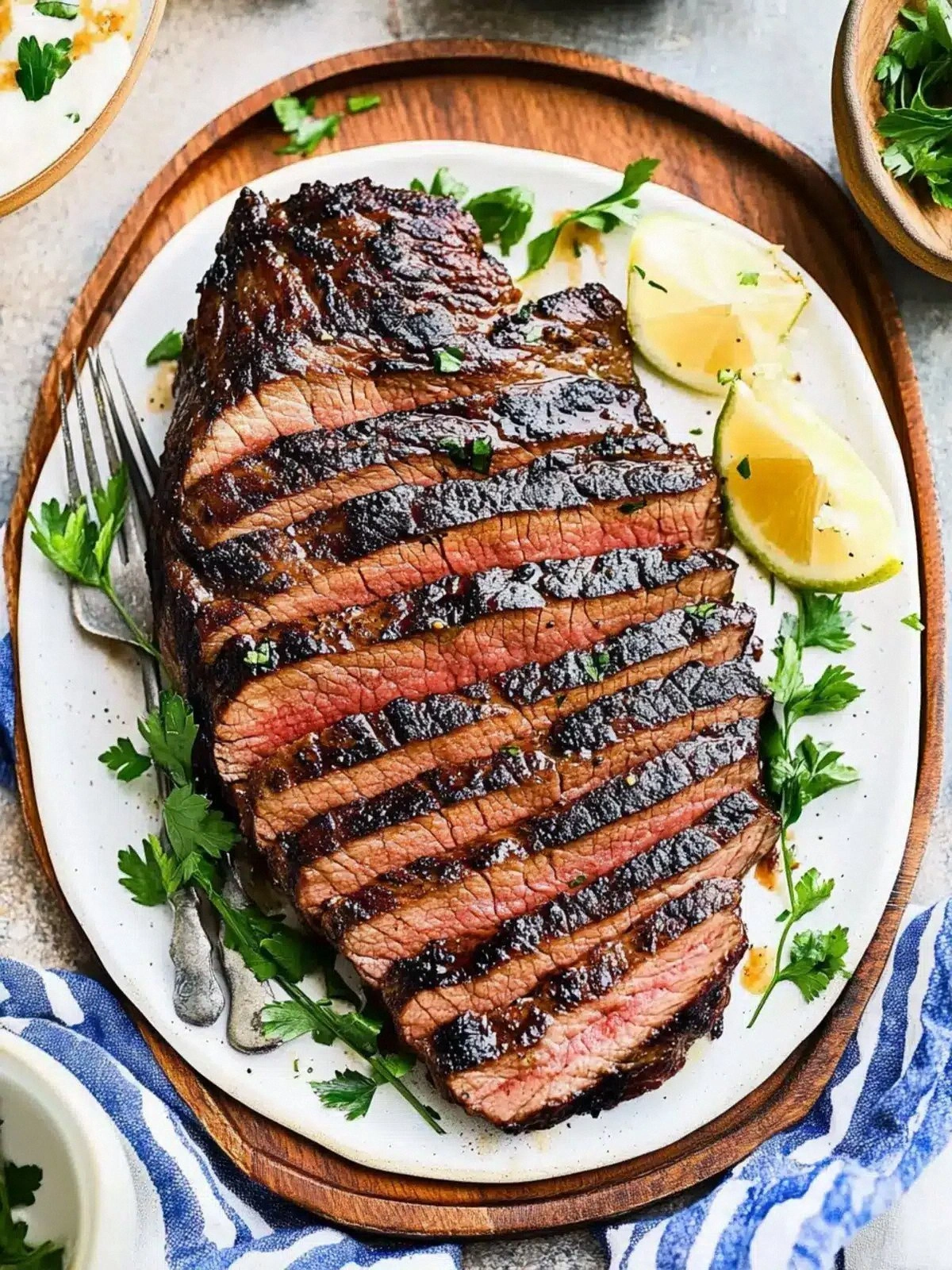
- Slice the steak against the grain into thin strips, about 1/4 inch thick. Cutting against the grain breaks down muscle fibers, ensuring each bite is tender. Arrange the slices on a platter, drizzle any remaining glaze, and sprinkle with chopped green onions. Serve immediately with your favorite sides.
That’s it—you did it. But hold on, I’ve got a few more tricks that will take this to another level…
Insider Tricks for Flawless Results
The Temperature Rule Nobody Follows
Many cooks think a higher heat always gives a better crust, but with flank steak, medium‑high is optimal. Too high and the outside burns while the inside stays under‑cooked; too low and you lose that essential sear. I’ve found that a quick 3‑minute sear followed by a 2‑minute finish at medium works best for a 1.5‑lb steak. Adjust the time slightly if you’re using a thicker cut.
Why Your Nose Knows Best
The aroma of soy and honey is a telltale sign that the glaze is caramelizing properly. If you notice a sharp, burnt smell, reduce the heat immediately. The scent should be sweet with a hint of umami, not acrid. Your nose is a reliable gauge of doneness.
The 5‑Minute Rest That Changes Everything
Resting the steak after cooking is not optional; it’s a game‑changer. During rest, the muscle fibers relax and reabsorb juices that would otherwise escape when sliced. A 5‑minute rest on a warm plate or a slightly cooled cutting board keeps the steak from cooling too quickly. I’ve seen a difference in juiciness that’s almost measurable.
Slice Against the Grain for Supreme Tenderness
Flank steak’s grain runs in one direction. Cutting across it shortens the fibers, making each bite soft. If you cut with the grain, the steak feels chewy and tough. Even a single mistake in slicing can ruin the experience, so be deliberate.
Use a Meat Thermometer for Precision
A digital thermometer is a small investment that pays off big. Flank steak is lean, and a slight overcooking can dry it out. Aim for 130°F for medium‑rare, 140°F for medium. Remember, the steak will continue to cook slightly while resting.
Keep the Marinade Ready for Future Use
After marinating, you can save the leftover glaze in the fridge for up to 48 hours. It’s perfect for drizzling over grilled vegetables or using as a dipping sauce for bread. The flavors mellow, making it a versatile pantry staple.
Creative Twists and Variations
This recipe is a playground. Here are some of my favorite ways to switch things up:
Spicy Sriracha Kick
Add a tablespoon of sriracha to the glaze for heat that balances the sweetness. The chili’s bright flavor pairs well with the soy‑honey base, creating a bold, smoky bite that’s perfect for those who love a little fire.
Smoky Chipotle Flair
Replace the seasoned rice vinegar with chipotle‑in‑adobo vinegar for a smoky depth. The chipotle adds a subtle peppery warmth, turning the dish into a smoky, savory delight that works great with corn‑bread.
Herb‑Infused Variation
Stir in a tablespoon of chopped fresh rosemary or thyme into the glaze. The herbs bring earthiness that complements the steak’s natural flavor, creating a Mediterranean twist that’s both aromatic and comforting.
Asian Noodle Side
Serve the steak over a bed of rice noodles tossed in a light sesame dressing. The noodles absorb the glaze, and the combination of textures elevates the dish to a full Asian‑inspired meal.
Citrus Zest Finish
Grate a lemon or lime zest over the finished steak for a bright, fresh note that cuts through the richness. The citrus adds a clean, vibrant finish that’s especially refreshing on a hot day.
Cheese‑Stuffed Steak
Create a small pocket in the steak and fill it with a mixture of cream cheese and chopped herbs before searing. The melt‑in‑your‑mouth cheese adds a creamy layer that pairs wonderfully with the glaze’s sweet‑savory profile.
Storing and Bringing It Back to Life
Fridge Storage
Store leftover steak in an airtight container for up to 3 days. Keep it separate from raw meats to avoid cross‑contamination. If you’ve leftover glaze, keep it in a small jar; it will stay fresh for a week.
Freezer Friendly
Wrap the steak tightly in parchment paper and then in foil, or place it in a freezer bag. It will keep for up to 3 months. When ready, thaw overnight in the fridge before reheating.
Best Reheating Method
Reheat in a skillet over medium heat, adding a splash of water or broth to create steam. This prevents the steak from drying out. Alternatively, microwave on low power, then finish in a hot skillet for a crisp exterior.
Add a tiny splash of water before reheating—it steams back to perfection and keeps the texture buttery.