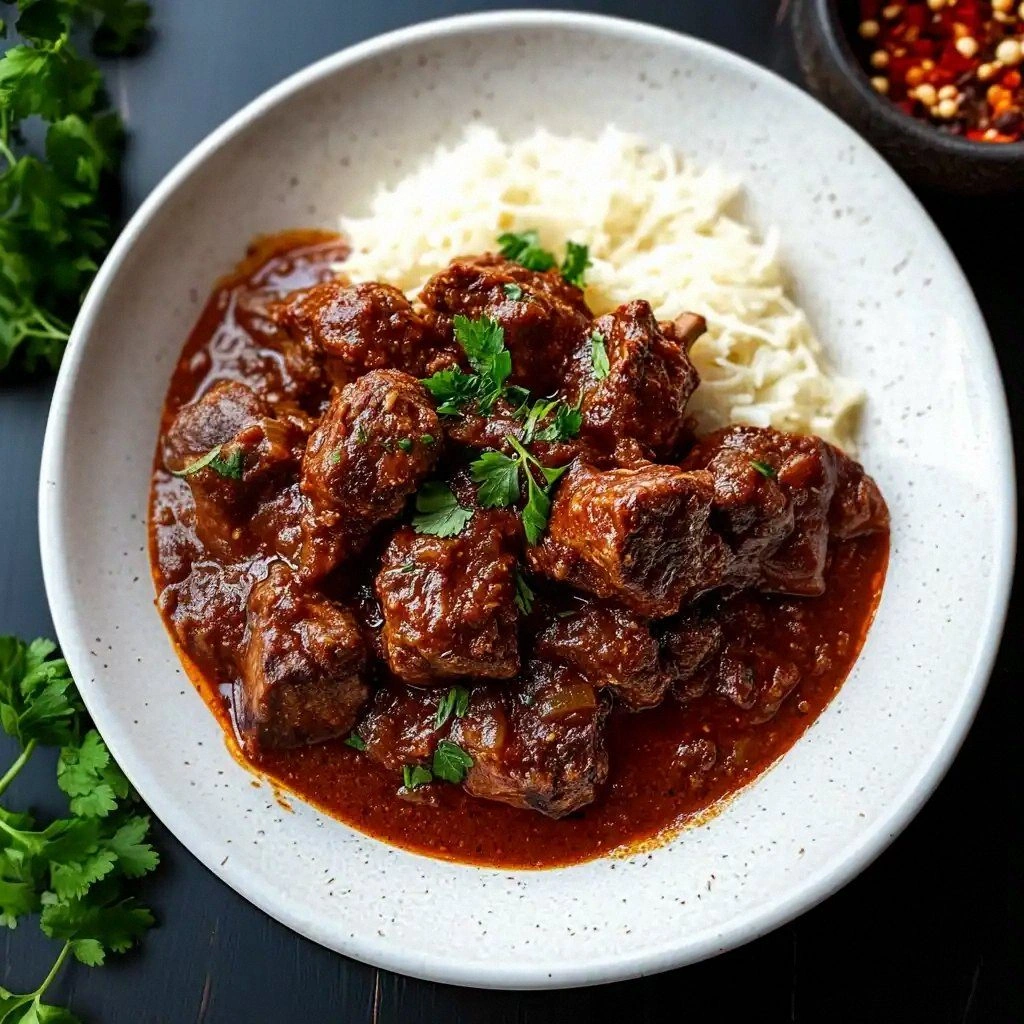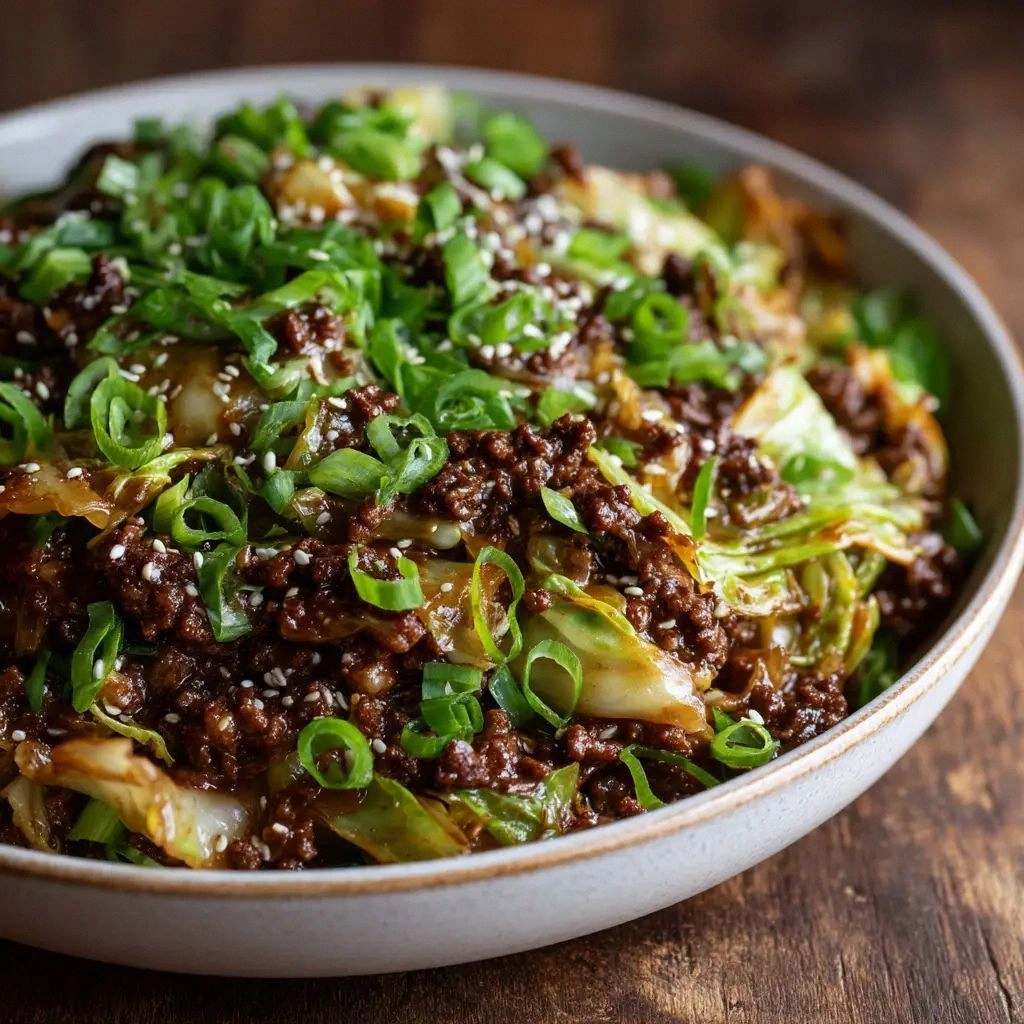
I still remember the night I nearly burned the kitchen down while chasing a midnight craving for something Asian‑inspired, yet low‑carb. The smell of sizzling garlic and ginger hit me like a punch, and I realized I had just stumbled onto a culinary revelation. I was staring at a bag of ground beef, a splash of coconut aminos, and a handful of green onions, and thought, “Why not turn this into a Mongolian‑style stir‑up that won’t spike my insulin?” The result? A dish that’s silky, sweet, and savory, all in one pan, and the kind of flavor that makes you say, “I dare you to taste this and not go back for seconds.”
Picture the scene: the skillet glows orange, the beef browning with a golden crust that shatters like thin ice when you press it, the air thick with the aroma of fresh ginger and garlic. The sound of the pan is a low, steady hiss, a soundtrack to the sizzling symphony. As the sauce thickens, it coats the meat like velvet, turning each bite into a melt‑in‑your‑mouth experience. And the best part? The whole thing comes together in twenty minutes, so you can jump back on the bus, finish a meeting, or just enjoy the moment without waiting for a pot to boil.
What makes this version stand out isn’t just the ingredients, though they’re all top‑tier. It’s the technique, the balance of sweetness and umami, the way the xanthan gum gives that silky finish without any heavy sauces, and the fact that you’re cooking a protein‑rich, low‑carb meal that still feels indulgent. I’ll be honest — I ate half the batch before anyone else got to try it. Most recipes get this completely wrong, but here’s what actually works: a quick sear, a controlled sauce reduction, and a final splash of sesame oil that locks in flavor. If you’ve ever struggled with making a quick yet satisfying dinner, you’re not alone — and I’ve got the fix.
This dish is a game‑changer. Imagine pulling it out of the pan, the kitchen smelling incredible, and knowing you’ve created a crowd‑pleaser that can be plated over cauliflower rice or served as is. Let me walk you through every single step — by the end, you’ll wonder how you ever made it any other way.
What Makes This Version Stand Out
- Flavor: The blend of coconut aminos and a brown sugar substitute creates a sweet, savory sauce that’s deeper than soy sauce alone. The fresh ginger and garlic add a punch that keeps the dish from feeling flat.
- Texture: The beef is cooked to a perfect medium‑rare, maintaining juiciness while still crisping up the edges. Xanthan gum gives the sauce a silky coating that clings to each bite.
- Simplicity: All steps happen in one pan, no extra bowls or utensils. The recipe is a true “one‑pan wonder” that saves cleanup time.
- Low‑Carb Focus: By substituting coconut aminos for soy sauce and using a sugar substitute, the carb count drops dramatically while flavor stays intact.
- Make‑Ahead Potential: The sauce’s flavor deepens when stored, making this a great dish to prepare ahead of a busy week.
- Ingredient Quality: Using avocado oil for its high smoke point keeps the beef from burning, while sesame oil adds a nutty finish that elevates the dish.
- Visual Appeal: The green onions and sesame seeds add a pop of color, turning a simple stir‑fry into a feast for the eyes.
- Versatility: Serve over cauliflower rice, zucchini noodles, or a simple side of steamed broccoli for a complete low‑carb meal.
Alright, let's break down exactly what goes into this masterpiece...
Inside the Ingredient List
The Flavor Base
Ground Beef: The star of the show, it provides protein and a savory backbone. Choosing a leaner cut (about 85% lean) keeps the dish juicy without excess fat. If you skip the beef, the dish loses its hearty core and becomes a sauce‑only experience.
Avocado Oil: This oil’s high smoke point means you can sear the meat without burning it. It also adds a subtle buttery note that complements the ginger. Swap it for grapeseed or canola oil if you’re on a budget, but expect a slightly different flavor profile.
The Aroma Crew
Fresh Ginger: Fresh ginger is far more aromatic than powdered. It cuts through the richness of the beef, giving the dish a bright, zesty lift. If you’re out of fresh ginger, a teaspoon of ground ginger can work, but the aroma will be muted.
Garlic: Garlic brings depth and a touch of heat. Mince it finely so it releases maximum flavor. If you prefer a milder taste, reduce to two cloves.
The Sweet & Umami Layer
Coconut Aminos: This is a soy‑sauce alternative that’s lower in sodium and has a sweeter, nuttier taste. It’s essential for the sauce’s umami punch. If you can’t find coconut aminos, tamari or low‑sodium soy sauce is a decent substitute, but you’ll need to adjust the sugar substitute.
Brown Sugar Substitute: A low‑carb sweetener keeps the sauce from being overly sweet while maintaining the caramelized finish. Use a blend of erythritol and stevia for a balanced sweetness. If you prefer a sweeter dish, add a pinch more.
The Final Flourish
Sesame Oil: A drizzle of toasted sesame oil at the end adds a nutty aroma that ties all flavors together. It also gives the sauce a glossy finish. If you don’t have sesame oil, a splash of toasted sesame seeds can mimic the aroma.
Sesame Seeds: Sprinkled on top, they add a subtle crunch and a pop of color. They also reinforce the sesame flavor introduced by the oil. If you’re allergic, replace with pumpkin seeds for a similar crunch.
Xanthan Gum: This thickening agent gives the sauce a silky coat without the heaviness of cornstarch. It’s essential for the dish’s mouthfeel. If you don’t have xanthan gum, a teaspoon of arrowroot powder can work, but it may alter the texture slightly.
Green Onions: These add a fresh, slightly sharp note that cuts through the richness. They also provide a bright color contrast. If you can’t find fresh green onions, scallions or leeks can be used, but the flavor will be milder.
Everything's prepped? Good. Let's get into the real action...
The Method — Step by Step
- Heat a large skillet over medium‑high heat and add the avocado oil. Once the oil shimmers, drop in the ground beef in a single layer. Let it sear without moving for about 2 minutes until the edges start to brown. This creates a caramelized crust that locks in flavor. The smell of searing meat should fill the kitchen, and that’s a good sign.
- Break the beef into smaller cubes using a spatula. Stir occasionally until the meat is browned on all sides and no longer pink inside, about 4–5 minutes. Avoid overcrowding the pan; if it steams instead of sears, reduce the heat slightly.
- Add the minced garlic and grated ginger to the pan. Sauté for 30 seconds until fragrant, being careful not to burn the garlic. The aroma should be sharp and inviting. This step infuses the meat with a bright, aromatic base.
- Pour in the coconut aminos and brown sugar substitute. Stir until the sugar is fully dissolved. The sauce should begin to thicken slightly. Keep an eye on the heat; a lower setting prevents the sauce from burning while still allowing it to reduce.
- Add 1/2 cup of water to the skillet. This creates steam that helps the sauce coat the meat. Let the mixture simmer for 3 minutes, allowing the flavors to meld. The liquid should reduce to a glossy glaze.
- Sprinkle the xanthan gum over the sauce, then whisk vigorously. The sauce should thicken to a silky consistency within a minute. If it’s still too thin, add a pinch more xanthan gum, but be cautious as it thickens quickly.
- Stir in the sesame oil and chopped green onions. Reduce the heat to low and let the mixture simmer for an additional 2 minutes. The green onions should soften slightly but retain their bright color. This final stir brings everything together.
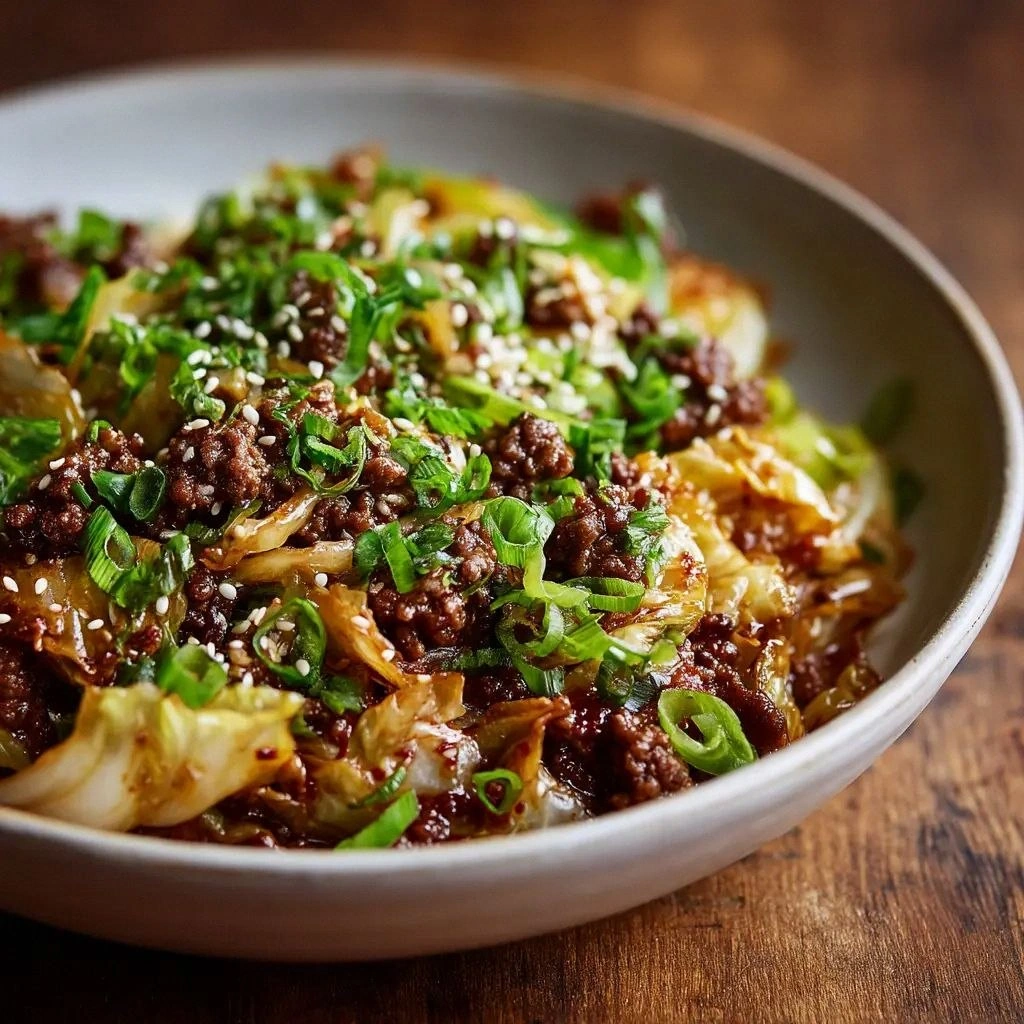
- Turn off the heat. Sprinkle the sesame seeds over the top. The dish should look glossy, with the beef coated in a sweet, umami sauce and the onions and seeds providing a pop of color.
- Serve immediately over cauliflower rice or your preferred low‑carb side. The dish is best enjoyed hot, but it can be reheated with a splash of water to restore its silky texture.
That's it — you did it. But hold on, I've got a few more tricks that'll take this to another level...
Insider Tricks for Flawless Results
The Temperature Rule Nobody Follows
Many people cook the beef over medium heat, which can cause it to steam rather than sear. Keep the heat high enough to create a caramelized crust, but watch the pan closely to avoid burning. If the oil starts smoking, lower the heat and continue searing.
Why Your Nose Knows Best
Trust your nose when the sauce begins to thicken. The aroma of caramelized sugar and toasted sesame oil is a reliable indicator that the sauce is ready. If you’re unsure, taste a tiny spoonful; it should be sweet with a savory bite.
The 5-Minute Rest That Changes Everything
After removing the pan from heat, let the dish rest for five minutes. This allows the juices to redistribute, ensuring each bite is juicy and flavorful. Many cooks skip this step, resulting in a drier texture.
The Secret to Perfect Green Onions
Chop the green onions finely and separate the white and green parts. Cook the white parts first for a milder flavor, then add the greens at the end for crunch and color. This technique preserves the crispness of the greens.
Avoiding a Sticky Sauce
If the sauce becomes too thick or sticky, add a splash of water or broth to thin it out. Stir until it reaches the desired consistency. Remember, the sauce should coat the beef like a velvet drizzle.
The Final Touch of Sesame Oil
Add the sesame oil at the very end, after the sauce has thickened. This preserves its delicate aroma and prevents it from burning. The oil should give the dish a glossy sheen and a nutty finish.
Creative Twists and Variations
This recipe is a playground. Here are some of my favorite ways to switch things up:
Spicy Sriracha Kick
Add a tablespoon of sriracha to the sauce for heat. The chili’s tanginess pairs beautifully with the sweet coconut aminos, creating a balanced kick.
Mushroom Medley
Sauté sliced shiitake or cremini mushrooms with the beef. They absorb the sauce and add an earthy depth, turning the dish into a hearty vegetarian option when you replace beef with tempeh.
Citrus Brightness
Finish the dish with a squeeze of fresh lime or lemon. The citrus brightens the sauce and cuts through the richness, giving a fresh, zesty finish.
Herbaceous Twist
Stir in chopped fresh cilantro or basil at the end. The herbs add a fresh layer of flavor that contrasts with the sweet sauce, making the dish feel lighter.
Nutty Crunch
Add toasted slivered almonds or cashews. The crunch provides texture contrast, and the nuts’ mild flavor complements the savory sauce.
Low‑Calorie Swap
Use ground turkey or chicken instead of beef to lower the calorie count. The cooking time remains the same, and the dish still retains its sweet, savory profile.
Storing and Bringing It Back to Life
Fridge Storage
Cool the dish to room temperature, then transfer to an airtight container. Store in the refrigerator for up to 3 days. The sauce will thicken slightly; a quick stir will restore its silky texture.
Freezer Friendly
Divide the dish into individual portions and place in freezer‑safe containers or bags. Freeze for up to 2 months. Thaw overnight in the refrigerator before reheating.
Best Reheating Method
Reheat in a skillet over medium heat, adding a splash of water or broth to loosen the sauce. Stir frequently until heated through and silky again. Avoid microwaving, which can make the beef rubbery.