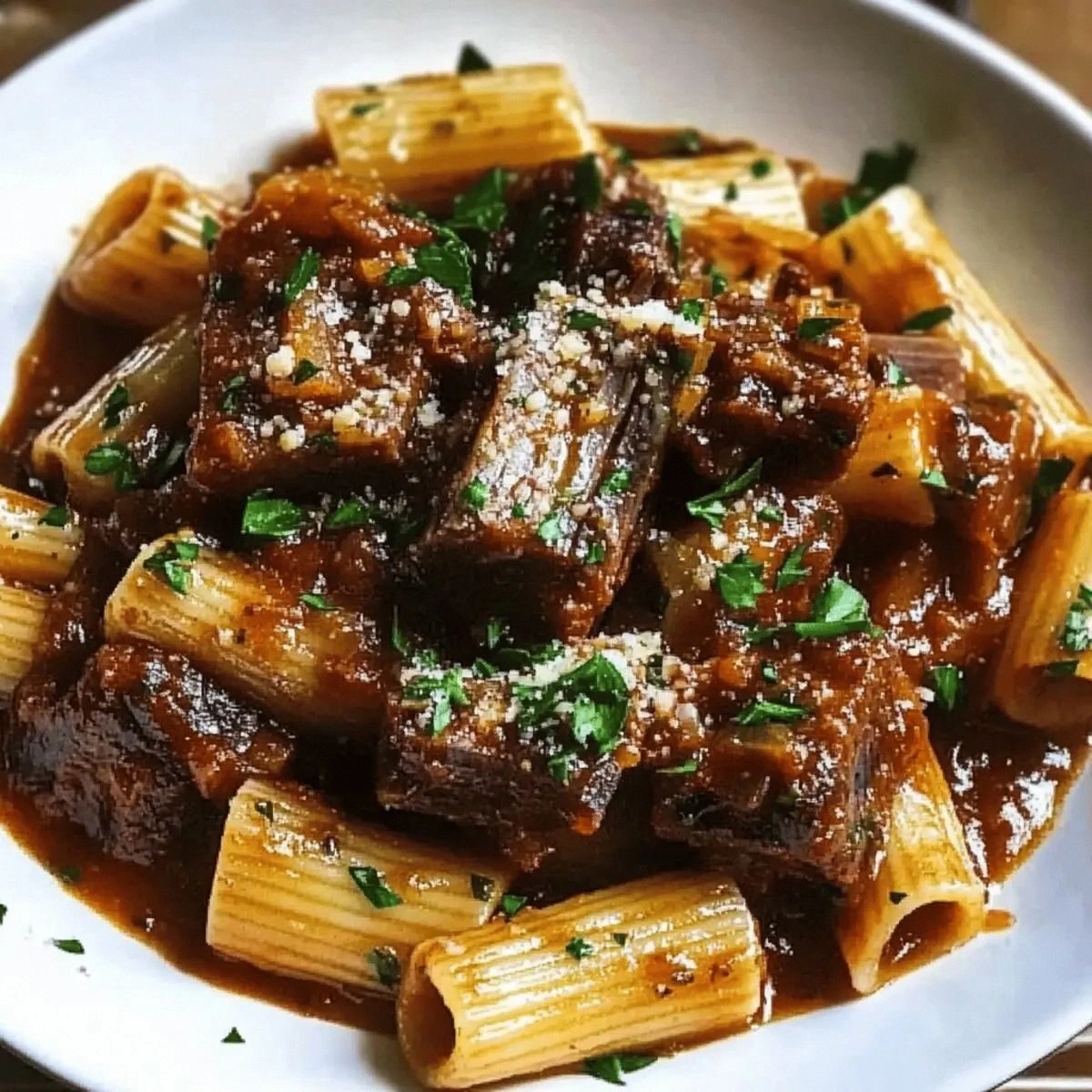
Picture this: it’s a rainy Thursday night, the kind where the wind whines against the windows and you’re staring at a pantry that looks like a sad, half‑empty desert. I was halfway through a bowl of cereal, cursing my lack of motivation, when my roommate tossed a half‑hearted dare over the kitchen island – “Make something that actually makes us want to stay in and not binge‑watch another series.” I laughed, grabbed the nearest thing that screamed comfort, and that’s how the legend of the Hearty Braised Short Rib Ragu Pasta was born. The first time I pulled the pot from the oven, the kitchen smelled like a Tuscan trattoria on a Sunday, and I swear the pasta itself seemed to hum with anticipation. I dared you to taste this and not go back for seconds – that’s a promise you can’t keep.
The moment the short ribs hit the hot pan, there’s a sizzle that feels like applause from the universe. The olive oil shimmers, the onions start to caramelize, and the garlic releases a perfume that makes you want to inhale deeply enough to fill your lungs with pure joy. As the wine deglazes, the kitchen fills with a sweet‑tart note that’s both comforting and sophisticated, like a well‑told story that starts with a whisper and ends in a roar. The sauce thickens, hugging the ribbons of pappardelle like velvet, each forkful delivering a melt‑in‑your‑mouth tenderness that only a few hours of slow braising can achieve.
Most recipes get this completely wrong – they either skimp on the braising time, resulting in a rubbery rib that could double as a chew toy, or they drown the meat in a watery tomato sea that lacks depth. This version, however, embraces a low‑and‑slow approach that coaxed every ounce of flavor from the beef, while the combination of crushed tomatoes, beef broth, and a splash of Chianti creates a sauce that’s rich, layered, and impossibly silky. The secret? A humble bay leaf and a dash of dried oregano that turn the whole thing into a fragrant, aromatic masterpiece. I’ll be honest — I ate half the batch before anyone else got a chance to try it, and I have no regrets.
Okay, ready for the game‑changer? I’m about to reveal a technique that most home cooks overlook: searing the short ribs twice – once on high heat for that caramelized crust, then again after the braise to finish them off with a buttery glaze. Trust me, this extra step is pure magic. Let me walk you through every single step — by the end, you’ll wonder how you ever made it any other way.
What Makes This Version Stand Out
- Depth of Flavor: The long braise melds beef, wine, and herbs into a sauce that tastes like it’s been simmering in a grandma’s kitchen for generations.
- Texture Harmony: Tender, fall‑off‑the‑bone ribs meet al‑dente pappardelle, creating a contrast that’s both comforting and exciting.
- Simplicity Meets Sophistication: Only a handful of pantry staples are needed, yet the result feels restaurant‑worthy.
- Ingredient Quality: Using bone‑in short ribs ensures gelatin‑rich broth, while a good Chianti adds acidity and fruit notes.
- Crowd‑Pleaser Factor: This dish consistently gets rave reviews at family gatherings; it’s the kind of comfort food that sparks conversation.
- Make‑Ahead Potential: The ragu improves after a night in the fridge, making it perfect for meal‑prep or a stress‑free dinner.
- Versatile Pairings: Swap pappardelle for tagliatelle, or serve over creamy polenta for a new twist without losing the core magic.
- Season‑Proof: Whether it’s a chilly winter night or a breezy autumn evening, this ragu delivers warmth and heartiness.
Inside the Ingredient List
The Flavor Base
First up, the aromatic trio – onion, carrots, and celery. These vegetables are the holy trinity of flavor, providing sweetness, earthiness, and a subtle crunch that dissolves into the sauce. If you skip them, you’ll lose that foundational depth, and the ragu will taste flat, like a song missing its bass line. A good tip: finely dice them so they melt into the sauce faster, but if you love texture, keep them a bit larger for occasional bites.
Onion (1 large): Adds a sweet, mellow backbone. Choose a yellow onion for balanced flavor; red onions can add a sharp edge you might not want. If you only have shallots, use three of them – they’re sweeter and will give a nuanced aroma.
Carrots (2 medium): Bring natural sweetness that counteracts the acidity of the tomatoes. Peel them for a smoother texture; leaving the skins on adds a rustic, earthy note.
Celery (2 stalks): Provides a faint peppery bite and a fresh crunch. For a deeper flavor, you can add a small piece of fennel bulb – it’s subtle but elevates the herbaceous profile.
The Texture Crew
The short ribs themselves are the star of the show. Their marbled fat renders slowly, creating a gelatin‑rich broth that thickens the sauce without any added thickener. If you opt for a leaner cut, you’ll miss out on that luscious mouthfeel, and the sauce may turn greasy instead of silky.
Beef Short Ribs (3 pounds): Look for bone‑in ribs with a good amount of marbling; the marrow adds an umami punch that’s impossible to replicate. When buying, feel the meat – it should be firm but give slightly under pressure.
Olive Oil (2 tablespoons): A high‑quality extra‑virgin olive oil helps sear the ribs and carries the aromatics. If you’re out of olive oil, canola or grapeseed works, but you’ll lose some of the fruity notes.
The Unexpected Star
Enter the wine and tomato duo – the Chianti’s bright acidity lifts the richness, while the crushed tomatoes provide body and a slight tang. Skipping the wine means you’ll miss that subtle fruitiness; skipping the tomato paste means the sauce won’t have that concentrated umami depth.
Red Wine (1 cup Chianti): The wine deglazes the pan, pulling up all the browned bits. If you’re not a wine drinker, substitute with a cup of beef broth plus a splash of balsamic vinegar.
Crushed Tomatoes (28 ounces): Use high‑quality San Marzano if possible; they’re sweeter and less acidic. If you prefer a chunkier texture, blend half the can and leave the rest whole.
Tomato Paste (2 tablespoons): This is the flavor booster that adds depth and a velvety texture. Roast it briefly with the aromatics for a caramelized nuance.
The Final Flourish
Herbs and seasoning are the finishing touches that turn good into unforgettable. Fresh parsley adds a bright, herbaceous lift right before serving, while grated Parmesan introduces a salty, nutty finish that ties everything together.
Dried Oregano (1 teaspoon) & Dried Thyme (1 teaspoon): These dried herbs release their oils slowly, infusing the sauce with earthy, aromatic layers. Fresh herbs can be used, but the dried version offers consistency.
Bay Leaf (1): A single leaf adds a subtle, floral note that rounds out the sauce. Remember to remove it before serving – it’s not meant to be chewed.
Salt & Pepper (to taste): Season gradually; you’ll adjust after the sauce reduces. Too much salt early on can mask the wine’s acidity.
Pasta (12 ounces, Pappardelle or Tagliatelle): Wide ribbons capture the thick sauce, ensuring each bite is coated perfectly. If you’re gluten‑free, a sturdy rice noodle works, but the texture will differ.
Fresh Parsley (to taste) & Grated Parmesan Cheese (to taste): Sprinkle both just before serving for a fresh, bright contrast and a salty umami finish.
Everything's prepped? Good. Let's get into the real action…
The Method — Step by Step
Start by patting the short ribs dry with paper towels – moisture is the enemy of a good sear. Heat 2 tablespoons of olive oil in a large Dutch oven over medium‑high heat until it shimmers. Place the ribs in the pot, leaving space between each piece, and sear for about 3‑4 minutes per side until a deep, caramelized crust forms. Resist the urge to crowd the pan; you want that golden‑brown color, not a steam bath. That sizzle when it hits the pan? Absolute perfection.
Once browned, transfer the ribs to a plate and set aside. In the same pot, add the diced onion, carrots, and celery. Cook, stirring occasionally, until the vegetables soften and the onion turns translucent, about 6‑8 minutes. This is where the flavor base builds, so listen for the faint aroma of caramelizing sugars – that’s your cue to move on.
Now, add the minced garlic and let it bloom for 30 seconds, just until fragrant.
Kitchen Hack: If you’re worried about burning the garlic, splash a splash of water before adding it; the steam will protect it while still releasing flavor.Deglaze the pot with 1 cup of Chianti, scraping the browned bits from the bottom with a wooden spoon. Let the wine reduce by half, which should take about 4‑5 minutes. This step concentrates the wine’s fruitiness and lifts the fond – the caramelized treasure trove of flavor you don’t want to lose.
Stir in the tomato paste, letting it cook for another 2 minutes until it darkens slightly. Then pour in the 28‑ounce can of crushed tomatoes and 2 cups of beef broth. Add the dried oregano, thyme, and the single bay leaf. Bring the mixture to a gentle simmer, then nestle the seared ribs back into the pot, making sure they’re mostly submerged.
Cover the Dutch oven and transfer it to a pre‑heated oven set at 300°F (150°C). Let the ribs braise for 2½ to 3 hours, or until the meat is so tender it falls off the bone with a gentle nudge.
Watch Out: Opening the oven too often releases heat and can extend cooking time; trust the timer and resist the temptation to peek.While the ribs are doing their thing, bring a large pot of salted water to a rolling boil. Add the pappardelle (or tagliatelle) and cook until al dente, usually 2‑3 minutes less than the package suggests because the pasta will finish in the sauce. Reserve 1 cup of pasta cooking water before draining.
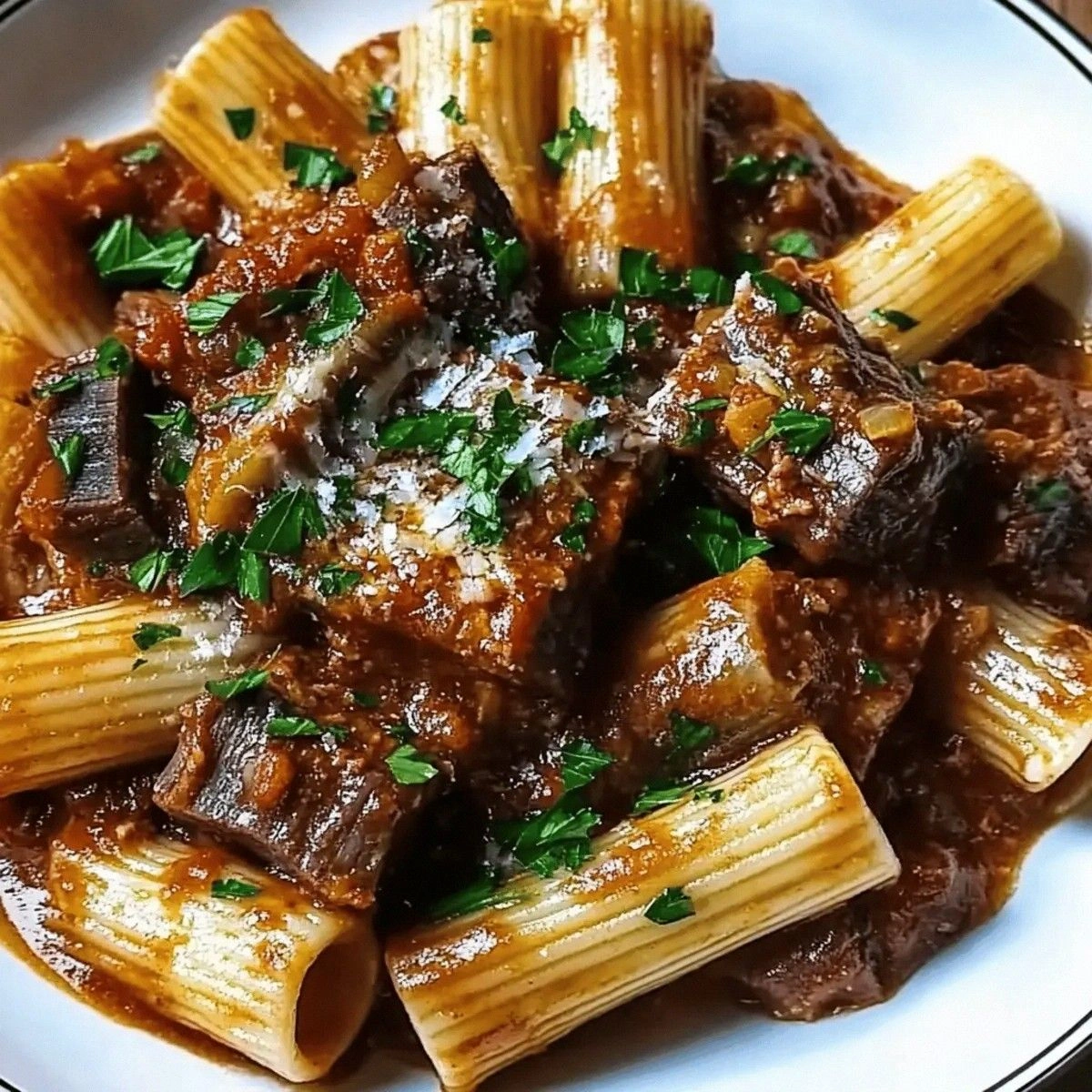
When the ribs are fall‑apart tender, remove them from the pot and set aside on a warm plate. Skim any excess fat from the surface of the sauce, then stir in a splash of the reserved pasta water to loosen the sauce if it looks too thick. Return the meat to the pot, break it into bite‑sized pieces, and let everything mingle for another 5 minutes. Finally, toss the cooked pasta directly into the sauce, coating each ribbon thoroughly. Finish with a generous handful of fresh parsley and a shower of grated Parmesan. Serve immediately, and watch your family dive in with gusto.
Insider Tricks for Flawless Results
The Temperature Rule Nobody Follows
Most home cooks think “low and slow” means any low temperature will do. In reality, 300°F is the sweet spot for breaking down collagen without evaporating the liquid too quickly. If you raise the oven to 350°F, you’ll end up with a thinner sauce and tougher meat. Keep the heat steady, and trust the timer – patience is the secret ingredient.
Why Your Nose Knows Best
Before you even taste the sauce, sniff it. If you detect a raw tomato scent, the sauce needs more time to develop. If you smell a hint of burnt sugar, you’ve likely over‑caramelized the aromatics – a quick stir and a splash of broth can rescue it. Your olfactory sense is a built‑in quality control.
The 5‑Minute Rest That Changes Everything
Once the pasta and sauce are combined, remove the pot from heat and let it sit, covered, for five minutes. This pause lets the pasta absorb the sauce’s richness, creating a cohesive dish where every strand is drenched. Skipping this step is like serving a cake before it cools – it just doesn’t hold together.
Don’t Skip the Final Sear
After the ribs finish braising, give them a quick flash sear in a hot skillet with a knob of butter. This adds a glossy finish and a buttery flavor that the oven can’t achieve. The result is a glossy, caramelized exterior that makes the meat look restaurant‑ready.
Season in Layers, Not All at Once
Season the aromatics, the sauce, and the finished dish separately. Add a pinch of salt while sautéing the vegetables, another pinch after the wine reduces, and a final adjustment after the pasta joins the sauce. This layered seasoning builds depth and prevents a flat taste.
Creative Twists and Variations
This recipe is a playground. Here are some of my favorite ways to switch things up:
Smoky Chipotle Twist
Swap half the Chianti for a smoky chipotle‑infused broth and add a teaspoon of chipotle pepper in adobo sauce. The result is a subtle heat that pairs beautifully with the richness of the short ribs.
Mushroom Medley
Introduce a mix of cremini, shiitake, and portobello mushrooms after the aromatics. They add an earthy umami boost and a meaty texture that complements the beef without overpowering it.
Herb‑Infused Polenta Bed
Instead of pasta, serve the ragu over creamy, rosemary‑infused polenta. The soft, buttery base soaks up the sauce, turning each bite into a comforting spoonful of heaven.
White Wine Variation
Replace Chianti with a dry white wine like Pinot Grigio and add a splash of heavy cream at the end. This creates a lighter, silkier sauce that’s perfect for spring evenings.
Spicy Sausage Add‑In
Brown a couple of Italian sausage links with the short ribs for added protein and a punch of fennel flavor. Slice the sausage thinly before serving to distribute the spice evenly.
Vegan Adaptation
Swap the short ribs for hearty jackfruit or seitan, and use vegetable broth instead of beef broth. The cooking technique remains the same, delivering a plant‑based version that still feels indulgent.
Storing and Bringing It Back to Life
Fridge Storage
Allow the ragu to cool to room temperature, then transfer it to an airtight container. It will keep for up to 4 days. When reheating, add a splash of water or broth and stir gently over low heat to revive the sauce’s silky texture.
Freezer Friendly
Portion the sauce (without pasta) into freezer‑safe bags or containers. It freezes beautifully for up to 3 months. Thaw overnight in the refrigerator, then reheat gently, adding a bit of broth to loosen it before tossing with freshly cooked pasta.
Best Reheating Method
For the ultimate comeback, reheat the sauce in a skillet over medium heat, stirring in a tablespoon of olive oil and a splash of water. Once bubbling, toss in freshly cooked pasta and finish with parsley and Parmesan. This method restores the sauce’s glossy sheen and ensures the pasta stays perfectly coated.