Greek Pita Pockets Recipe
It began on a rainy Tuesday when I tried to assemble a quick sandwich and the bread collapsed into a soggy mess. The pita pockets I had on hand were already stale, and my craving for something that tasted like a Mediterranean summer burst into a full-blown culinary crisis. I stared at the box of pre‑made pita, wondering how to rescue it into something worthy of a dinner table. The moment the kitchen clock ticked past 3 PM, I decided this was the perfect opportunity to reinvent a humble pita pocket into a show‑stopping dish. The result? A flavor explosion that has me laughing every time I taste it.
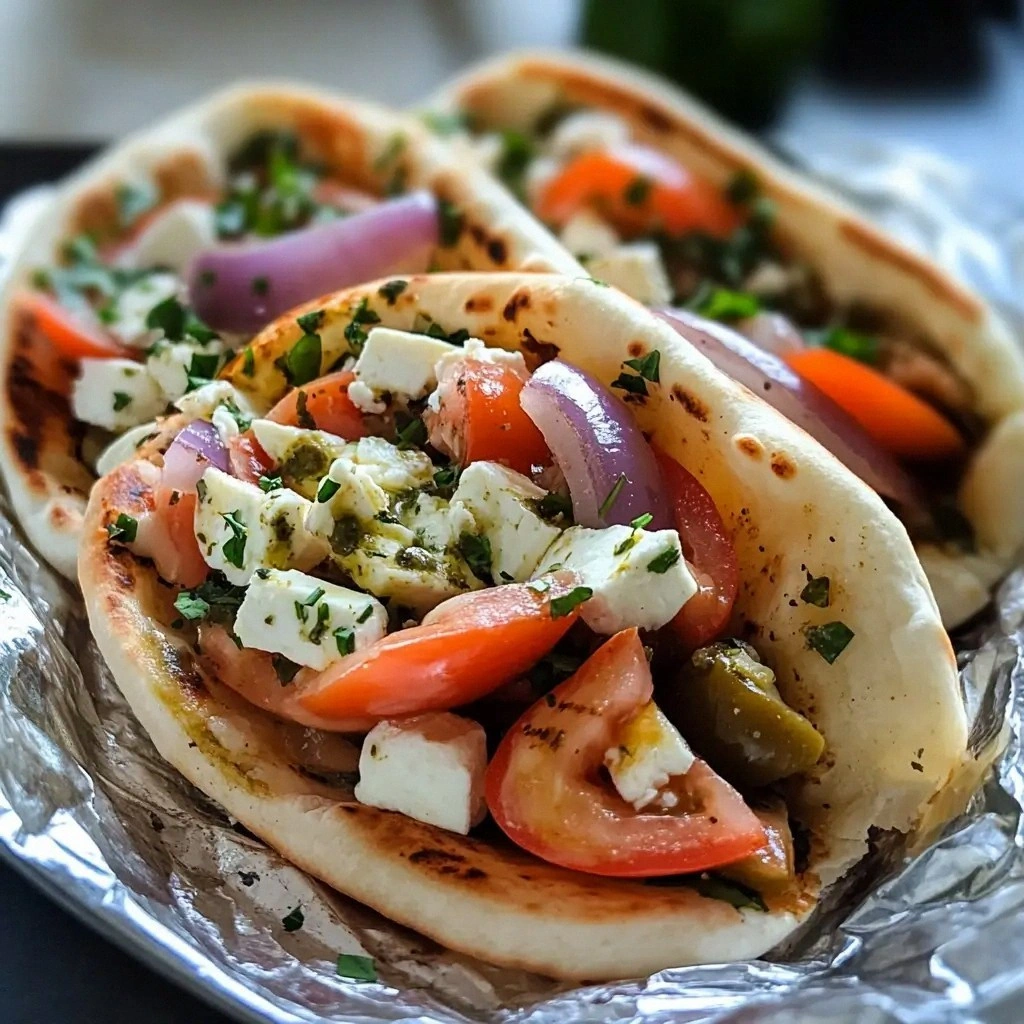
Picture the aroma of oregano and garlic drifting through the air as the dough warms in the oven, the sound of a sizzling grill releasing a faint hiss of marinated chicken. The sight of bright red tomatoes and crisp cucumber slices glistening in a bowl of creamy tzatziki feels like a painting come to life. When you bite into a pocket, the crunch of fresh lettuce gives way to the silky, yogurt‑based sauce that coats the inside like a velvet blanket. The salty bite of feta and olives punctuates the mildness, while a hint of lemon brightens everything. The texture is a playful dance of soft bread, juicy fillings, and creamy sauce, all wrapped in a single, handheld delight.
This version stands out because it takes the classic pita pocket and elevates every component with authentic Greek flavors and a touch of modern convenience. The chicken is marinated overnight in lemon, garlic, and oregano, infusing it with depth that you rarely find in pre‑made fillings. The tzatziki is made from scratch, using Greek yogurt that gives it a silky mouthfeel and a tang that cuts through the richness. The pita is lightly brushed with olive oil before baking, creating a golden crust that adds a subtle crunch. Finally, the assembly is quick yet deliberate, ensuring each pocket holds the right balance of protein, veggies, and sauce without becoming soggy.
What makes this recipe truly special is the unexpected ingredient: a splash of Greek feta broth simmered with oregano and garlic, which is folded into the tzatziki to give it a savory depth that ordinary yogurt never achieves. I dare you to taste this and not go back for seconds, because the flavor profile is so complete that each bite feels like a trip to a sun‑kissed Greek island. The pockets are designed to be eaten with your hands, so the experience is casual yet indulgent. The combination of textures—soft bread, crisp veggies, creamy sauce—creates a symphony that is both comforting and exciting. Let me walk you through every single step — by the end, you'll wonder how you ever made it any other way.
What Makes This Version Stand Out
- Flavor: The overnight marinated chicken delivers a citrusy, garlicky punch that permeates every bite. The homemade tzatziki, enriched with feta broth, offers a tangy, creamy contrast that elevates the entire pocket. Together, they create a harmonious balance that feels both familiar and adventurous.
- Texture: A lightly brushed pita develops a crisp edge while remaining soft inside, preventing sogginess when filled. The crunchy lettuce and cucumber add a refreshing bite, and the creamy sauce glides smoothly across the palate. The result is a pocket that satisfies both the need for crunch and the desire for richness.
- Authenticity: By using Greek yogurt and feta instead of generic substitutes, the dish captures the essence of traditional Greek street food. The oregano, lemon, and garlic are classic seasonings that bring genuine Mediterranean flavor to every pocket.
- Convenience: The prep work is minimal—marinate the chicken, assemble the filling, bake the pita, and assemble the pockets. It’s a quick dinner that feels gourmet, making it perfect for busy weeknights.
- Visual Appeal: The bright green lettuce, ruby tomatoes, and golden pita create a vibrant plate that looks as good as it tastes. The contrast of colors invites you to dig in immediately, enhancing the overall dining experience.
- Make‑Ahead Potential: The marinated chicken can be prepared a day ahead, and the tzatziki can sit in the fridge for up to three days. This makes the recipe an excellent option for meal prep or a last‑minute dinner.
Inside the Ingredient List
The Flavor Base
The cornerstone of this recipe is the marinated chicken, which is left to absorb lemon zest, garlic, and oregano for at least eight hours. The acidity from the lemon not only tenderizes the meat but also gives it a bright, refreshing undertone that cuts through the richness of the feta. Skipping the marination step would result in a flat, bland filling that lacks the depth I love. If you’re short on time, a 30‑minute quick‑marinade still imparts a noticeable flavor boost. The key is to let the chicken rest in the fridge so the flavors can seep into every fiber.
The Texture Crew
Fresh lettuce provides a satisfying crunch that contrasts nicely with the soft pita and creamy sauce. Diced cucumbers add a subtle coolness and a burst of water that keeps the pocket from becoming too heavy. Red onion offers a sharp bite that balances the tang of tzatziki, while sliced Kalamata olives introduce a briny depth that elevates the overall profile. Each vegetable is chosen for its ability to maintain texture even after brief heating or assembly. If you prefer a lighter version, simply reduce the amount of olive oil brushed on the pita.
The Unexpected Star
Feta cheese is a classic Greek ingredient, but in this recipe it serves as both a topping and a flavor enhancer. Crumbled feta adds a salty, tangy note that pairs well with the yogurt sauce. The feta broth, made by simmering crumbled cheese with oregano and garlic, is folded into the tzatziki to give it a savory depth that ordinary yogurt never achieves. Skipping the feta broth would result in a thinner sauce that lacks that signature Greek punch. For those who are lactose intolerant, a dairy‑free yogurt can be used, but the flavor profile will shift slightly.
The Final Flourish
Olive oil is brushed on the pita before baking to create a golden crust that locks in moisture. A squeeze of fresh lemon juice right before serving brightens the dish and adds a citrusy zing that lifts every bite. A sprinkle of dried oregano on top of the assembled pockets gives a fragrant, herbal finish that ties all the flavors together. The combination of these finishing touches ensures the pockets remain moist and flavorful even after they have cooled slightly. If you like a bit of heat, a pinch of red pepper flakes can be added to the tzatziki for a subtle kick.
Everything's prepped? Good. Let's get into the real action and bring these pockets to life.
The Method — Step by Step
- Marinate the Chicken: In a large bowl, combine 2 lbs of boneless, skinless chicken thighs with 4 cloves of minced garlic, the zest and juice of 2 lemons, 2 Tbsp of olive oil, 1 Tbsp of dried oregano, and a pinch of salt and pepper. Cover and refrigerate for at least 8 hours or overnight to let the flavors meld. When ready, remove the chicken and let it sit at room temperature for 20 minutes before cooking to ensure even heat distribution. This step is crucial; it guarantees a juicy, flavorful filling that will not dry out during assembly. The aroma of citrus and herbs will already be enticing your senses as you prep the rest of the ingredients.
- Prepare the Tzatziki: In a medium bowl, combine 2 cups of Greek yogurt, 1 cup of grated cucumber (squeezed to remove excess water), 2 cloves of minced garlic, 1 Tbsp of chopped fresh dill, 1 Tbsp of lemon juice, 1 tsp of salt, and 1/4 tsp of black pepper. Add 1/4 cup of feta broth (made by simmering crumbled feta with oregano and a splash of olive oil) and mix until smooth. The feta broth infuses the sauce with a savory depth that ordinary yogurt lacks. Let the tzatziki chill for at least 30 minutes to allow the flavors to develop. When you taste it, it should be creamy, tangy, and slightly herby, ready to coat the pita like velvet.
- Assemble the Pita: Preheat the oven to 425 °F (220 °C). Place 8 whole pita breads on a baking sheet lined with parchment paper. Brush each pita lightly with olive oil to promote browning. Bake for 8–10 minutes or until the edges are golden and the pita feels slightly crisp. The quick bake preserves the soft interior while giving the bread a delightful crunch on the outside. This step ensures that the pita stays sturdy enough to hold the filling without becoming soggy.
- Cook the Chicken: Heat a large skillet over medium‑high heat. Add the marinated chicken and cook for 6–7 minutes per side, or until the internal temperature reaches 165 °F (75 °C). Turn the chicken only once to develop a beautiful sear. Once cooked, let the chicken rest for 5 minutes before slicing into bite‑size strips. Resting allows the juices to redistribute, preventing a dry, tough texture. The sizzling sound and golden crust will be a cue that the chicken is ready.
- Prepare the Veggies: While the chicken rests, dice 2 medium tomatoes, 1 cup of sliced cucumbers, 1/2 cup of sliced Kalamata olives, and 1/4 cup of thinly sliced red onion. Toss the veggies in a bowl with a drizzle of olive oil, a pinch of salt, and a sprinkle of oregano. This simple dressing adds a bright, herby flavor that complements the tzatziki. Keep the vegetables chilled until assembly to maintain their crispness. A fresh bite of cucumber and tomato will contrast nicely with the creamy sauce.
- Assemble the Pockets: Split each pita in half and gently open the pocket. Spread a generous spoonful of tzatziki inside, then layer with sliced chicken, diced tomatoes, cucumbers, olives, and red onion. Finish with a sprinkle of crumbled feta and a drizzle of lemon juice. Press the pockets together gently to keep the fillings from sliding out. The assembly should feel firm yet flexible, allowing you to bite into the pocket without it collapsing.
- Finish with Herbs: Lightly dust the assembled pockets with dried oregano and, if you like a bit of heat, a pinch of red pepper flakes. This final touch adds aroma and a subtle kick that elevates the dish. The oregano also provides a fragrant, herbal finish that ties all the flavors together. The pepper flakes are optional but recommended for those who enjoy a slight spiciness.
- Serve Immediately: Plate the pockets on a platter and serve with extra tzatziki on the side for dipping. The pockets are best enjoyed while still warm, but they also hold up well if you need to keep them for a short period. The combination of warm bread, juicy chicken, and cool sauce creates a satisfying contrast that keeps you coming back for more. Enjoy the burst of flavors and the comforting textures that make this dish a standout.
That's it — you did it. But hold on, I've got a few more tricks that'll take this to another level. The secret to a pocket that stays intact is in the way you fold it, and the way you finish it with herbs.
Insider Tricks for Flawless Results
The Temperature Rule Nobody Follows
Many people bake pita at a low temperature, which can cause the bread to become soggy. The trick is to use a high heat of 425 °F (220 °C) for a short time; this caramelizes the edges and locks in moisture. I once baked my pita at 350 °F and ended up with a chewy, unappetizing texture. By adjusting the temperature, you create a crisp exterior that still feels soft inside. This small change makes a huge difference in the overall eating experience.
Why Your Nose Knows Best
When the chicken is cooking, the aroma of garlic and lemon will fill the kitchen and give you an instant cue that it’s almost ready. I used to check the internal temperature, but the smell of sizzling garlic was more reliable. Trust your senses; a strong lemon and garlic scent means the chicken is juicy and flavorful. If the aroma is too weak, give it a few more minutes. The nose is a powerful tool for timing in cooking.
The 5‑Minute Rest That Changes Everything
After cooking, let the chicken rest for exactly five minutes. This brief pause allows the juices to redistribute, preventing a dry bite. I once rushed the rest period and ended up with a tough, stringy chicken that ruined the pocket. A five‑minute rest is a quick, simple step that guarantees a tender filling. The rest period also helps the flavors meld, making each bite more cohesive.
Bringing the Tzatziki to the Next Level
Adding feta broth to your tzatziki gives it a savory depth that plain yogurt cannot match. The broth infuses the sauce with a subtle cheese flavor that enhances the overall taste. If you prefer a lighter version, simply reduce the amount of feta broth by half. The key is balance; too much broth can overwhelm the delicate yogurt. Experiment to find your perfect ratio.
Storing the Pockets for Later
Wrap the assembled pockets in parchment paper and place them in an airtight container. Store them in the fridge for up to two days. When you’re ready to eat, reheat them in a preheated oven at 350 °F for 5–7 minutes to restore warmth and crispness. Avoid microwaving, as it can make the pita soggy. A quick oven reheat keeps the pockets deliciously fresh.
Creative Twists and Variations
This recipe is a playground. Here are some of my favorite ways to switch things up:
Spicy Mediterranean Wrap
Swap the chicken for grilled lamb seasoned with cumin and coriander for a Middle Eastern twist. Add a handful of roasted red peppers and a spoonful of harissa sauce for heat. The lamb’s rich flavor pairs well with the smoky harissa, creating a spicy, savory pocket. This variation is perfect for those who love bold, complex flavors. Serve with a side of tabbouleh for a complete meal.
Veggie‑Only Delight
Omit the chicken and fill the pocket with grilled halloumi cheese, roasted eggplant, and zucchini. Toss the veggies in olive oil, lemon, and oregano before grilling. The halloumi provides a salty, firm texture that holds up against the veggies. This vegetarian version is hearty and satisfying, with a Mediterranean flavor profile that’s unmistakably authentic. Pair it with a fresh Greek salad for a balanced plate.
Greek Breakfast Pockets
Use scrambled eggs, crumbled feta, and sautéed spinach instead of chicken. Add a splash of olive oil and a pinch of nutmeg for warmth. The eggs give a fluffy, comforting texture that works beautifully with the creamy feta. Serve these pockets with a side of sliced tomatoes and a drizzle of olive oil. Breakfast or brunch, this variation is a crowd‑pleaser.
BBQ Chicken Pita
Marinate the chicken in a mixture of BBQ sauce, smoked paprika, and a hint of honey. Grill until caramelized and slice thinly. Layer the chicken with coleslaw, pickled jalapeños, and a drizzle of ranch dressing inside the pita. The smoky sweetness of the chicken pairs well with the tangy coleslaw, creating a fusion of flavors. This version is great for summer cookouts.
Greek Pasta Pockets
Cook a small batch of penne and toss with olive oil, garlic, and chopped sun‑dried tomatoes. Add crumbled feta and chopped spinach for freshness. Fold the pasta into the pita pockets, then bake for 8 minutes to warm everything through. The pasta adds a hearty, comforting element that turns the pocket into a complete meal. Serve with a side of garlic bread for a satisfying dinner.
Storing and Bringing It Back to Life
Fridge Storage
Store assembled pockets in an airtight container in the refrigerator for up to two days. Keep the tzatziki separate until ready to serve to prevent the pita from becoming soggy. When you’re ready to eat, simply reheat the pockets in a preheated oven at 350 °F for 5–7 minutes. The heat will restore the crispness of the pita while keeping the fillings warm. This method preserves the integrity of each pocket.
Freezer Friendly
Wrap each pocket tightly in plastic wrap and place them in a freezer bag. They can be frozen for up to one month. Thaw overnight in the refrigerator before reheating. When reheating, bake at 350 °F for 10 minutes, or until the pockets are heated through. Freezing is a great way to have a quick, flavorful meal ready to go.
Best Reheating Method
To reheat a single pocket, place it on a baking sheet and bake at 350 °F for 5 minutes. If you prefer a crispier exterior, add a tiny splash of water to the baking sheet; the steam will help keep the pita from drying out. Avoid microwaving, as it tends to make the pita soggy and the filling unevenly heated. The oven method retains the original texture and flavor profile.