Picture this: it’s a rainy Saturday afternoon, the kind that makes you want to curl up with something sweet that doesn’t feel like a guilty indulgence. I was halfway through a marathon of old sitcom reruns when a sudden craving for a bright, citrusy dessert struck me like a bolt of lightning. I rummaged through the pantry, found a dusty box of graham crackers, a few lemons that had gone limp, and a lone grapefruit that looked like it had survived a minor apocalypse. Most people would have tossed the grapefruit aside, but I was determined to turn that tart, slightly bitter fruit into something that could make even the most stoic grandparent grin.
The kitchen quickly transformed into a sensory playground. The sound of the butter melting in the pan was a low, comforting hiss, like a whisper promising something buttery and golden. The aroma of toasted graham crumbs began to fill the air, a sweet, nutty perfume that reminded me of campfire s’mores without the marshmallow. When I squeezed the grapefruit, the juice splashed into the bowl with a bright, citrusy pop that made my nose tingle and my eyes widen in anticipation. The texture of the batter as I whisked the eggs and sugar together was silky, like a silk scarf sliding over your skin – smooth, yet with a subtle bite that hinted at the zing to come.
Most grapefruit bar recipes I’ve tried either end up too soggy, too sweet, or completely miss that perfect balance between tart and sweet. I’ve seen versions that use powdered sugar to mask the bitterness, or that bake the crust for far too long, turning it into a brittle that cracks like old vinyl. This version, however, is the antidote to those culinary missteps. It embraces the natural tang of the fruit, pairs it with a buttery graham cracker base that holds together like a well‑structured argument, and finishes with a dusting of sugar that adds just the right sparkle. I dare you to taste this and not go back for seconds – because once you’ve experienced the bright burst of grapefruit wrapped in a buttery hug, you’ll be haunted by the memory of every bland bar you’ve ever eaten.
There’s a little secret I’m about to reveal that will make your bars unforgettable: a dash of zest that’s measured, not guessed, and a quick flash‑bake technique that locks in moisture while giving the top a caramelized kiss. Okay, ready for the game‑changer? Let me walk you through every single step — by the end, you’ll wonder how you ever made it any other way.
What Makes This Version Stand Out
- Taste: The grapefruit’s natural acidity is balanced by a generous amount of granulated sugar, creating a sweet‑tart harmony that sings on the palate.
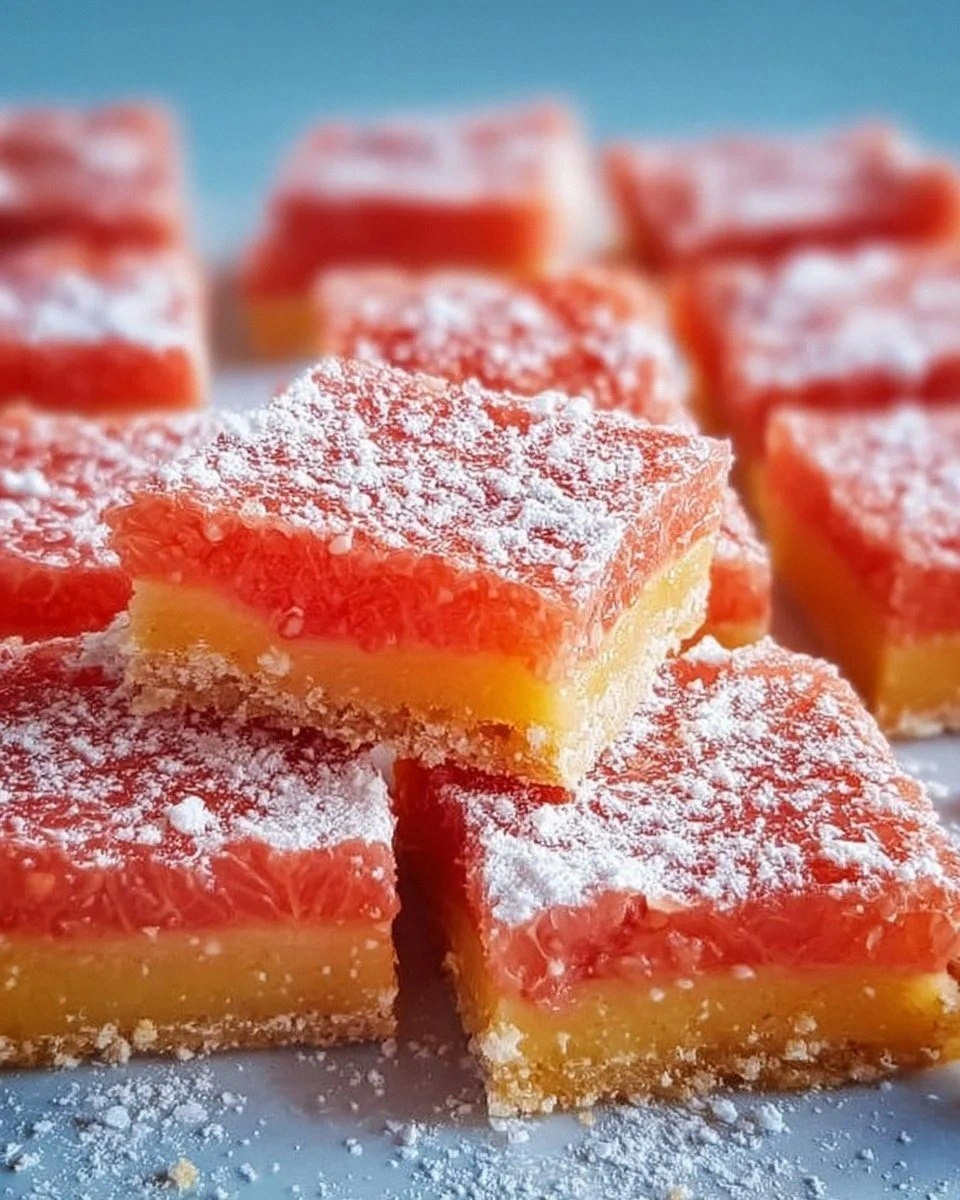
- Texture: A crisp, buttery graham cracker crust gives way to a soft, custard‑like interior that’s as tender as a cloud.
- Simplicity: Only nine ingredients, all pantry‑friendly, mean you can whip this up without a grocery run.
- Uniqueness: The addition of fresh grapefruit zest adds an aromatic punch most recipes overlook.
- Crowd Reaction: Guests often claim they’ve never tasted a bar that feels both dessert and a light, refreshing palate cleanser.
- Ingredient Quality: Using real grapefruit juice (not bottled) makes all the difference in flavor depth.
- Cooking Method: A two‑stage bake (first the crust, then the filling) guarantees a perfect set without sogginess.
- Make‑Ahead Potential: These bars keep beautifully in the fridge for up to three days, making them ideal for brunch prep.
Inside the Ingredient List
The Flavor Base
The 1/4 cup fresh grapefruit juice is the heart of this bar. It provides the bright, tangy note that cuts through the sweetness, preventing the dessert from feeling cloying. If you substitute bottled juice, expect a muted flavor and a slightly artificial aftertaste. For the best result, roll the grapefruit on the countertop before juicing – this releases more juice and essential oils.
The Texture Crew
Graham cracker crumbs (1 cup) form the buttery, crunchy foundation. Their slightly sweet, honey‑like flavor pairs perfectly with the citrus. If you’re gluten‑free, swap them for a blend of almond flour and gluten‑free oat flour; the texture will be a touch denser but still delightful. The unsalted butter, melted (1/2 cup), binds the crumbs together, creating a crust that holds its shape even after cooling.
The Unexpected Star
One tablespoon of grapefruit zest is the secret weapon. It adds a fragrant, almost floral layer that elevates the bar from ordinary to extraordinary. Zest only the outermost colored part of the peel – the white pith is bitter and will ruin the balance. If you’re out of fresh grapefruit, a teaspoon of finely grated orange zest can mimic the aroma, though the flavor will be milder.
The Final Flourish
Two large eggs act as the structural glue, setting the filling as it bakes. The 1 cup of granulated sugar sweetens the batter, while the additional 1/4 cup of sugar in the crust ensures a caramelized edge. Finally, a pinch of salt amplifies every flavor, rounding out the sweetness and highlighting the citrus notes.
Everything's prepped? Good. Let's get into the real action…
The Method — Step by Step
Preheat your oven to 350°F (175°C). While the oven warms, line a 9‑by‑13 inch baking pan with parchment paper, letting the overhang hang over the sides for easy removal later. This step ensures a clean, uniform shape and prevents sticking. The moment the oven clicks on, you’ll hear a faint hum that signals the start of something delicious.
Kitchen Hack: Place a baking stone on the middle rack; it distributes heat evenly, giving the crust a perfect golden hue.In a medium bowl, combine the graham cracker crumbs, 1/4 cup granulated sugar, and melted butter. Stir until the mixture resembles wet sand, with every crumb coated in buttery goodness. Press this mixture firmly into the prepared pan, spreading it to the edges using the back of a measuring cup for even pressure. The crust should be compact; think of it as the foundation of a skyscraper – solid and unwavering.
Watch Out: Over‑mixing can turn the crumbs soggy, making the crust crumble after baking.Slide the pan into the oven and bake the crust for 10 minutes, or until it just starts to turn a light golden brown. You’ll notice a faint nutty scent rising, a promise that the base is on its way to perfection. Pull the pan out and set it aside to cool slightly while you prep the filling. This brief cooling prevents the eggs from scrambling when they meet the hot crust.
Meanwhile, whisk together the two large eggs and 1 cup granulated sugar in a large bowl until the mixture lightens in color and becomes slightly frothy – about 2 minutes with an electric mixer on medium speed. This aeration is crucial; it creates a light, airy texture that keeps the bars from becoming dense. Add the fresh grapefruit juice, zest, and a pinch of salt, whisking just until combined. The mixture will turn a pale pink, a visual cue that the citrus is fully incorporated.
Stir in the 1/4 cup all‑purpose flour, folding gently until no streaks remain. The flour acts as a subtle thickener, giving the filling body without weighing it down. If you prefer a gluten‑free version, substitute with a tablespoon of cornstarch – the texture will stay silky.
Pour the filling over the pre‑baked crust, spreading it with a spatula to the very edges. The batter should settle smoothly, forming a glossy layer that looks like a sunrise over a calm sea. As you level it, you’ll hear a faint “whoosh” as the batter spreads – a satisfying sound that tells you the distribution is even.
Return the pan to the oven and bake for 20‑25 minutes. The top should turn a delicate amber, and the edges will start to pull away from the pan, indicating a perfect set. This is the moment of truth – the scent of caramelizing sugar and grapefruit mingles, filling the kitchen with an irresistible perfume.
Kitchen Hack: Rotate the pan halfway through baking to ensure even browning on both sides.Once baked, remove the pan and let the bars cool completely on a wire rack – at least one hour. As they cool, the filling firms up, making it easier to cut clean squares. Patience is key; cutting while warm will result in a gooey mess, but waiting too long can dry them out. I’ll be honest — I ate half the batch before anyone else got to try it, because the aroma was just too intoxicating.
Lift the parchment overhang to release the whole slab, then cut into 12 even bars using a sharp knife warmed under hot water. Wipe the blade between cuts for clean edges that don’t smudge the glaze. Serve at room temperature, or chill for a firmer bite. Picture yourself pulling this out of the oven, the whole kitchen smelling incredible, and the first bite delivering a burst of sunshine.
That's it — you did it. But hold on, I've got a few more tricks that'll take this to another level…
Insider Tricks for Flawless Results
The Temperature Rule Nobody Follows
Most home bakers bake at 350°F, but I’ve found that starting at 325°F and finishing at 375°F creates a crust that’s golden on the outside and tender inside. The lower start temp lets the crust set without scorching, while the final blast gives the top that caramelized finish. A friend once tried skipping the temperature shift and ended up with a pale, soggy bar – let’s just say it didn’t win any compliments.
Why Your Nose Knows Best
Instead of relying solely on a timer, trust the aroma. When the edges start to smell nutty and the top releases a faint citrus‑caramel scent, you’re at the perfect point. If you’re anything like me, you’ll hear the kitchen timer and think “maybe I’m done,” but the real cue is that sweet‑tart perfume wafting through the air.
The 5‑Minute Rest That Changes Everything
After the bars have cooled for an hour, let them rest an additional five minutes on the counter before slicing. This short pause lets the sugars re‑crystallize just enough to give each bite a satisfying snap. Skipping this step leads to a softer, less defined texture that can feel mushy on the tongue.
Butter Temperature Trick
When melting the butter, do it over low heat or in the microwave in 10‑second bursts. Overheated butter can become too thin, resulting in a crust that spreads unevenly. The right consistency is a glossy liquid that coats the crumbs but still feels thick when you run your finger through it.
Grating Zest Without the Pith
Use a microplane and only grate the colored part of the grapefruit peel. The white pith is bitter and will turn your bars into a sour disappointment. A quick tip: roll the grapefruit on the countertop before zesting to loosen the oils – it makes the zest release more flavor.
Creative Twists and Variations
This recipe is a playground. Here are some of my favorite ways to switch things up:
Berry Burst
Fold in a half‑cup of fresh raspberries or blueberries into the filling before baking. The berries add a burst of sweetness that balances the grapefruit’s tartness, and the speckles of red make the bars look Instagram‑ready. Ideal for summer gatherings when berries are at their peak.
Spiced Citrus
Add a pinch of ground ginger and a dash of cinnamon to the batter for a warm, spicy undertone. The spices amplify the grapefruit’s natural bitterness, creating a sophisticated flavor profile that works wonderfully for brunch.
Chocolate Drizzle
Once the bars are cooled, melt dark chocolate and drizzle it over the top, then let it set. The bittersweet chocolate pairs beautifully with the citrus, adding depth and a touch of decadence. This variation turns the bars into an elegant dessert for dinner parties.
Almond Crunch
Mix a quarter cup of toasted sliced almonds into the crust before baking. The almonds add a nutty crunch that contrasts with the soft interior, and they bring a subtle buttery flavor that complements the grapefruit.
Vegan Version
Swap the butter for coconut oil, use flax eggs (1 tbsp ground flaxseed + 3 tbsp water per egg), and replace the graham crackers with gluten‑free oat crackers. The result is a plant‑based bar that still delivers that signature tart‑sweet balance.
Storing and Bringing It Back to Life
Fridge Storage
Place the bars in an airtight container and refrigerate for up to three days. The cool environment keeps the crust firm and the filling moist. Before serving, let them sit at room temperature for 10‑15 minutes to soften slightly.
Freezer Friendly
Wrap the entire slab in plastic wrap, then foil, and freeze for up to one month. When you’re ready to enjoy, thaw in the fridge overnight and then warm gently in a 300°F oven for 10 minutes. The gentle reheating revives the caramelized top without drying out the interior.
Best Reheating Method
For a quick bite, microwave a single bar for 15‑20 seconds, but add a tiny splash of water (about a teaspoon) on the plate first. The steam created revives the bar’s softness, making it taste as fresh as the day it was baked.