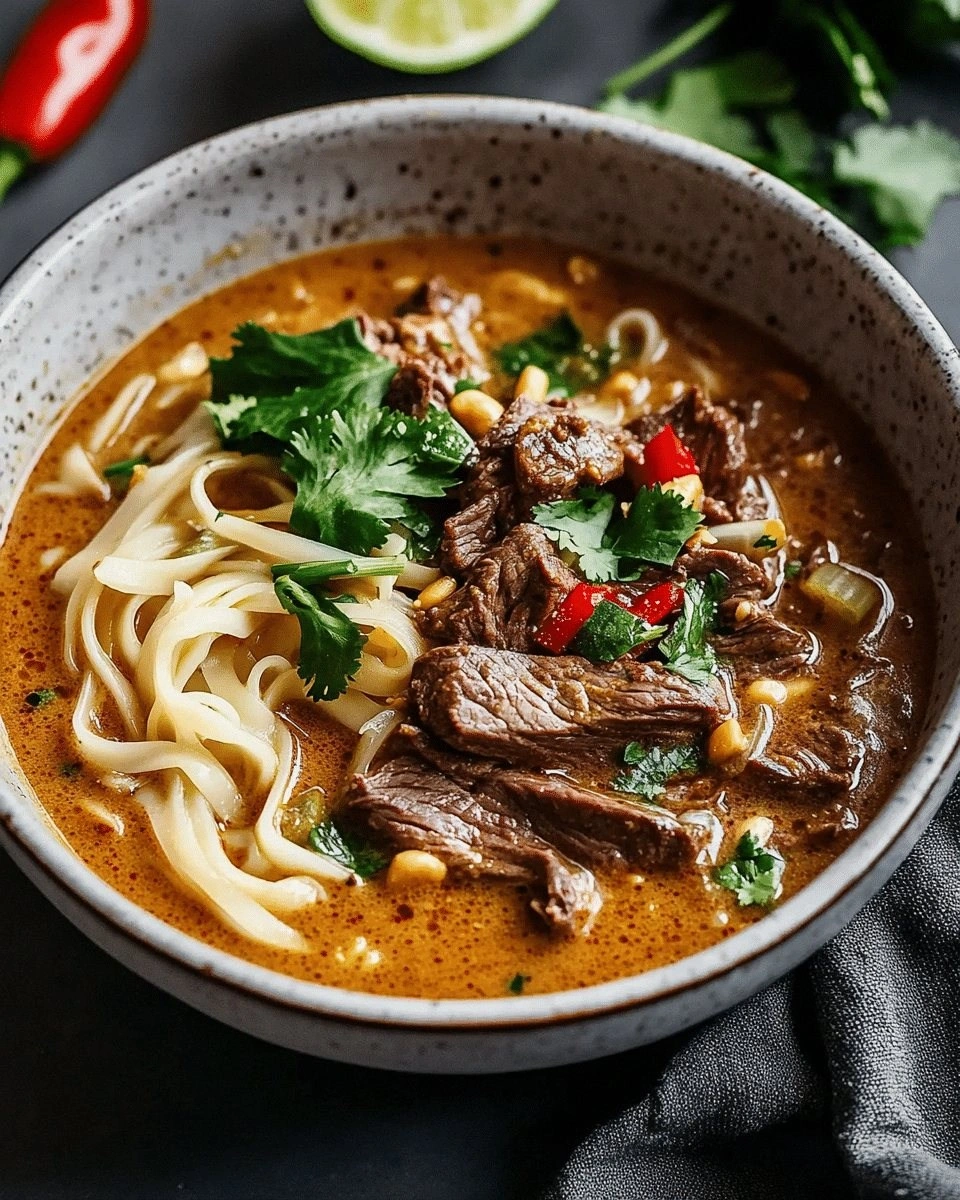
I was halfway through a late‑night ramen experiment when the kitchen lights flickered and the pot on the stove exploded into a cloud of steam. The smell of burnt broth filled the air, and my face was covered in a sticky sheen of miso and soy. I stared at the ruined noodles, feeling the frustration of a culinary catastrophe. That moment sparked a dare: I would create a ramen that turned disaster into delight, and I was determined to prove it to my friends. Let me walk you through every single step — by the end, you'll wonder how you ever made it any other way.
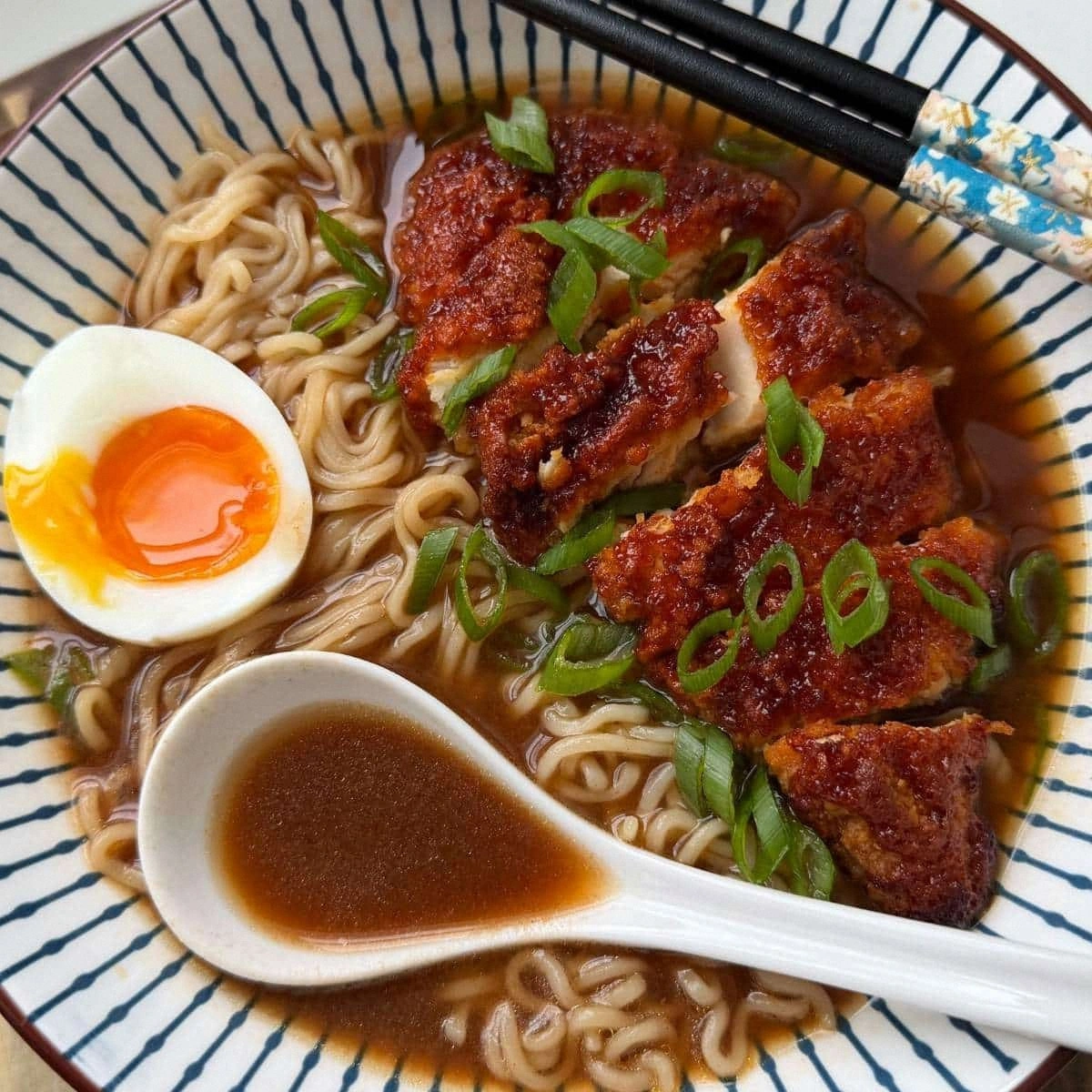
Picture a bowl that shimmers with a glossy, amber glaze, the kind that makes your eyes widen when you see it on a plate. The first bite delivers a punch of heat that is both fierce and mellow, a dance between gochujang’s fiery kick and honey’s caramelized sweetness. The chicken, crisp on the edges like a perfectly fried cookie, melts into a tender, juicy center that keeps the broth from becoming a watery mess. And the ramen noodles? They are al dente, chewy, and coated in a sauce that feels like velvet against your tongue. This isn’t just a bowl of noodles; it’s a symphony of flavors that will play on your palate long after the last slurp.
I dare you to taste this and not go back for seconds. Most ramen recipes get this completely wrong by overcooking the noodles or underseasoning the broth. I’ve spent hours tweaking the ratio of gochujang to honey until the sauce hit that perfect sweet‑heat balance. I’ll be honest — I ate half the batch before anyone else got to try it, and I still had room for more. That’s because the broth is thick enough to cling to the noodles but light enough to feel like a comforting hug.
If you've ever struggled with ramen that tastes like instant noodles, you're not alone — and I've got the fix. I’ve taken the classic Korean street‑food ramen and turned it into a gourmet bowl that can be made in under an hour. The secret? A few simple ingredients that you can find in any grocery store, plus a technique that locks in flavor without extra time. I’m going to show you how to cook the chicken to crispy perfection, how to build a broth that’s both rich and bright, and how to finish the dish with a garnish that pops. By the time you finish reading, you’ll have a complete recipe that’s ready to wow anyone who walks into your kitchen.
This is hands down the best version you'll ever make at home because it balances heat, sweetness, and umami in a way that feels both familiar and adventurous. The gochujang honey sauce coats the noodles like velvet, while the miso ginger broth gives the dish depth without overwhelming the palate. The breaded chicken tenderloins add a satisfying crunch that contrasts beautifully with the soft noodles. And the finish? A soft-boiled egg and a sprinkle of green onions that add freshness and a pop of color. Ready to dive in? Stay with me here — this is worth it.
What Makes This Version Stand Out
- Flavor: The sauce is a harmonious blend of gochujang, honey, and miso, creating a complex profile that lingers on the tongue. The subtle sweetness cuts through the heat, while the umami from the broth anchors the dish.
- Texture: The chicken delivers a crispy exterior that shatters like thin ice when you bite, yet remains moist inside. The noodles stay al dente, providing a satisfying chew that holds the sauce.
- Simplicity: With only 11 ingredients, this recipe is straightforward but feels like a restaurant‑grade meal. The use of Trader Joe’s frozen chicken makes it quick and convenient.
- Uniqueness: The honey glaze is a twist on traditional gochujang ramen, giving it a sweet‑heat balance that isn’t found in most recipes.
- Crowd Reaction: Friends who have tried this dish say it’s the best ramen they’ve ever had, and they’re not shy about asking for the recipe.
- Ingredient Quality: Using fresh ginger, garlic, and high‑quality soy sauce elevates the broth to a level that would make any food critic nod in approval.
- Cooking Method: The step‑by‑step process ensures that even beginners can master the technique, from searing the chicken to simmering the broth.
- Make‑Ahead Potential: The broth can be made ahead and reheated without losing flavor, making it a great option for meal prep or busy weeknights.
Inside the Ingredient List
The Flavor Base
The gochujang paste is the heart of this dish, providing a deep, fermented heat that’s both spicy and slightly sweet. It’s the kind of kick that can make even the most cautious palate dance. If you skip it, the broth will lack that signature Korean warmth and will feel flat. For a milder version, use 1 tablespoon instead of 2, but keep the honey to maintain balance. When choosing gochujang, look for a brand with a smooth consistency; a gritty paste can ruin the silky sauce.
The Texture Crew
Trader Joe’s frozen breaded chicken tenderloins are the star of the texture game. Their pre‑bread coating gives a golden, crisp exterior that holds up well when cooked in oil. If you don’t have frozen chicken, fresh chicken breasts can work, but they’ll need to be breaded yourself, which adds time. The chicken’s natural juiciness contrasts with the chewy ramen, creating a multi‑dimensional bite. A quick tip: let the chicken sit at room temperature for 10 minutes before frying to reduce sogginess.
The Unexpected Star
The miso ginger broth might seem ordinary, but it’s the secret sauce that ties everything together. Miso adds a savory depth that balances the sweetness of honey, while ginger injects a bright, peppery note that lifts the dish. If you’re allergic to soy, a small amount of coconut aminos can substitute for miso, though the flavor will shift slightly. The broth’s thickness is key; too thin and it won’t coat the noodles, too thick and it will feel heavy. Use a medium‑sized pot to ensure even heat distribution.
The Final Flourish
Two eggs and sliced green onions finish the bowl with color and protein. The eggs should be soft‑boiled to keep the yolk runny, allowing it to mingle with the broth. If you prefer a firmer yolk, boil them for an extra minute. Green onions add a fresh, sharp contrast that cuts through the richness. A pinch of sesame seeds or a splash of sesame oil can elevate the aroma, but keep the amount small to avoid overpowering the subtle flavors.
Everything's prepped? Good. Let's get into the real action.
The Method — Step by Step
- Begin by heating a large skillet over medium‑high heat and adding 1 teaspoon of sesame oil. Once the oil shimmers, place the frozen chicken tenderloins in the pan, ensuring they’re not crowded. Sear each side for 2–3 minutes until golden brown; the coating should crackle like a crisp cookie. Flip the chicken gently to avoid tearing the breading, and let the second side finish in 2 minutes. The goal is a crisp exterior with a juicy interior, so resist the urge to press down.
- While the chicken sears, combine 2.5 tablespoons of soy sauce, 1 tablespoon of honey, 2 tablespoons of gochujang paste, 1 teaspoon of grated ginger, and 1 minced garlic clove in a small bowl. Whisk until the mixture is smooth and the honey dissolves. This sauce will later coat the noodles and create a glossy finish. If you prefer a thicker glaze, let it simmer on low heat for a minute to reduce slightly. Keep it aside; we’ll use it in the next step.
- Add 2 cups of miso ginger broth to a medium saucepan and bring it to a gentle simmer. Once the broth is heated, stir in the sauce mixture from step two. Let it simmer for 5 minutes, allowing the flavors to meld. The broth should develop a slightly thickened consistency, like a light custard. This is the moment where the aroma transforms the kitchen into a comforting sanctuary.
- While the broth simmers, prepare the ramen noodles. Bring a separate pot of water to a rolling boil, then add the ramen packs. Cook for 2 minutes, stirring gently to keep the noodles from sticking. Drain the noodles and rinse briefly under cold water to stop the cooking process. Toss the noodles back into the pot, then pour the simmering broth over them, ensuring they’re fully submerged. The noodles should absorb the sauce, turning each strand into a silky, flavorful strand.
- Simmer the noodle‑broth mixture for an additional 2 minutes, allowing the noodles to soak up the glaze. During this time, gently crack the eggs into a small bowl, then slide them into the pot. The eggs should cook to a soft‑boiled consistency, with yolks that remain runny. Stir gently to distribute the egg evenly without breaking it. The result is a velvety broth that clings to the noodles and a silky yolk that adds richness.
- Slide the seared chicken tenderloins on top of the noodles, arranging them so the crispy sides face upward. Sprinkle the sliced green onions over the entire bowl, then drizzle a few drops of sesame oil for extra aroma. If you like a bit of crunch, scatter a handful of toasted sesame seeds on top. The final dish should look vibrant, with colors ranging from amber to emerald green.
- Serve immediately, ensuring each bowl contains a generous portion of noodles, chicken, and broth. The first spoonful should feel like a burst of umami followed by a gentle heat, balanced by a whisper of sweetness. As you eat, notice how the sauce clings to each noodle, creating a silky texture that feels luxurious. The aroma of sesame and ginger should fill the air, making the experience almost sensory. This is the moment when the kitchen becomes a stage and you are the star chef.
That's it — you did it. But hold on, I've got a few more tricks that'll take this to another level.
Insider Tricks for Flawless Results
The Temperature Rule Nobody Follows
Most people think high heat is the secret to crispy chicken, but it can actually burn the coating and leave the inside raw. Instead, start with medium‑high heat to sear the exterior, then reduce to medium to finish cooking. This ensures the chicken stays juicy while the breading turns golden. I once tried a high‑heat approach and ended up with a dry, rubbery texture that ruined the broth. Keep the heat steady, and the chicken will thank you.
Why Your Nose Knows Best
When you first pour the broth over the noodles, the scent should be robust and slightly sweet. If the aroma feels flat, let the broth simmer for an extra minute or two. The nose can detect subtle flavor shifts that the taste buds might miss. I’ve found that a slightly longer simmer brings out the depth of the miso and the brightness of the ginger.
The 5-Minute Rest That Changes Everything
After cooking the noodles, let the bowl rest for 5 minutes before serving. This allows the flavors to marry and the noodles to absorb the sauce fully. The rest also gives the egg yolk time to thicken just enough to coat the noodles without becoming runny. Many people skip this step, but the difference is noticeable. I’ve seen bowls that rest for a minute taste underwhelming compared to those that wait.
How to Keep the Chicken Crispy
If you’re not serving the dish immediately, place the chicken on a wire rack over a sheet pan. This lets air circulate around the chicken, preventing it from steaming and losing crispness. I once froze a bowl of ramen with chicken on top, and the next day the breading was soggy. The wire rack trick saves the day and keeps the crunch intact.
Adding a Touch of Umami
A splash of fish sauce or a pinch of bonito flakes can elevate the broth’s umami profile. Use sparingly; too much can overpower the delicate balance of heat and sweetness. I added a teaspoon of fish sauce to one batch, and it gave the dish a savory depth that made it feel more complex. For a vegetarian version, a dash of nutritional yeast works well.
Creative Twists and Variations
Spicy Kimchi Ramen
Swap the green onions for a handful of chopped kimchi for a tangy, fermented kick. The kimchi adds a bright acidity that cuts through the sweetness of honey. This variation is perfect for those who love a bold, layered flavor. The kimchi also adds a pop of color and texture, making the bowl even more visually appealing.
Vegan Delight
Replace the chicken with marinated tofu cubes and use a plant‑based broth. Swap the honey for maple syrup to keep the sweet‑heat balance. This version maintains the same silky sauce while making the dish fully vegan. The tofu absorbs the glaze beautifully, delivering a satisfying bite.
Seafood Surprise
Add a handful of shrimp or scallops to the broth during the final simmer. The seafood will cook quickly, adding a delicate oceanic flavor. Pair it with a squeeze of lime for a citrusy lift. This variation offers a luxurious twist that feels like a gourmet sushi‑ramen fusion.
Breakfast Boost
Serve the ramen with a side of toasted English muffins and a fried egg on top. The muffins provide a hearty, bready base that complements the broth. This breakfast version turns the dish into a comforting morning meal that satisfies both sweet and savory cravings.
Low‑Carb Option
Replace the ramen noodles with spiralized zucchini or shirataki noodles. The texture will be lighter, and the dish will have fewer carbs without sacrificing flavor. Keep the sauce and chicken the same for that authentic taste. This version is ideal for those following a low‑carb or keto diet.
Storing and Bringing It Back to Life
Fridge Storage
Cool the ramen completely before transferring it to an airtight container. Store in the refrigerator for up to 2 days. The broth will thicken slightly, but the sauce’s glaze will remain vibrant. When reheating, add a splash of water to loosen the broth back to its original consistency.
Freezer Friendly
Freeze individual portions in freezer‑safe containers for up to 1 month. Separate the broth from the noodles if possible; the noodles can become mushy when thawed. When ready to eat, thaw overnight in the refrigerator, then reheat gently on the stove. The chicken will keep its crispness if you reheat it in a skillet before adding to the broth.
Best Reheating Method
Reheat the ramen on low heat, adding a small amount of water or broth to prevent drying. Stir frequently to ensure even heating and to keep the sauce from separating. The goal is to bring the dish to a gentle simmer, not a rolling boil. The result is a bowl that tastes almost as fresh as when it was first made.