When I first tried to make French toast, my kitchen exploded with a sticky mess of flour and eggs. The batter was thick enough to clump in the pan, and the final result was a soggy, bland slab that tasted like a burnt pancake. I was convinced that French toast was a lost art, destined to remain a guilty pleasure that never quite lived up to the buttery, caramelized promise of breakfast lore.
But then I discovered a gluten‑free flour blend that had a surprisingly fine, almost almond‑like texture, and a friend dared me to make French toast without the usual wheat‑based batter. I mixed it with eggs, milk, vanilla, and cinnamon, and the aroma that filled my kitchen was the scent of toasted sugar and vanilla clouds. That moment was a revelation: the batter was silky, the edges crisped to a golden perfection, and the center stayed tender like a custard.
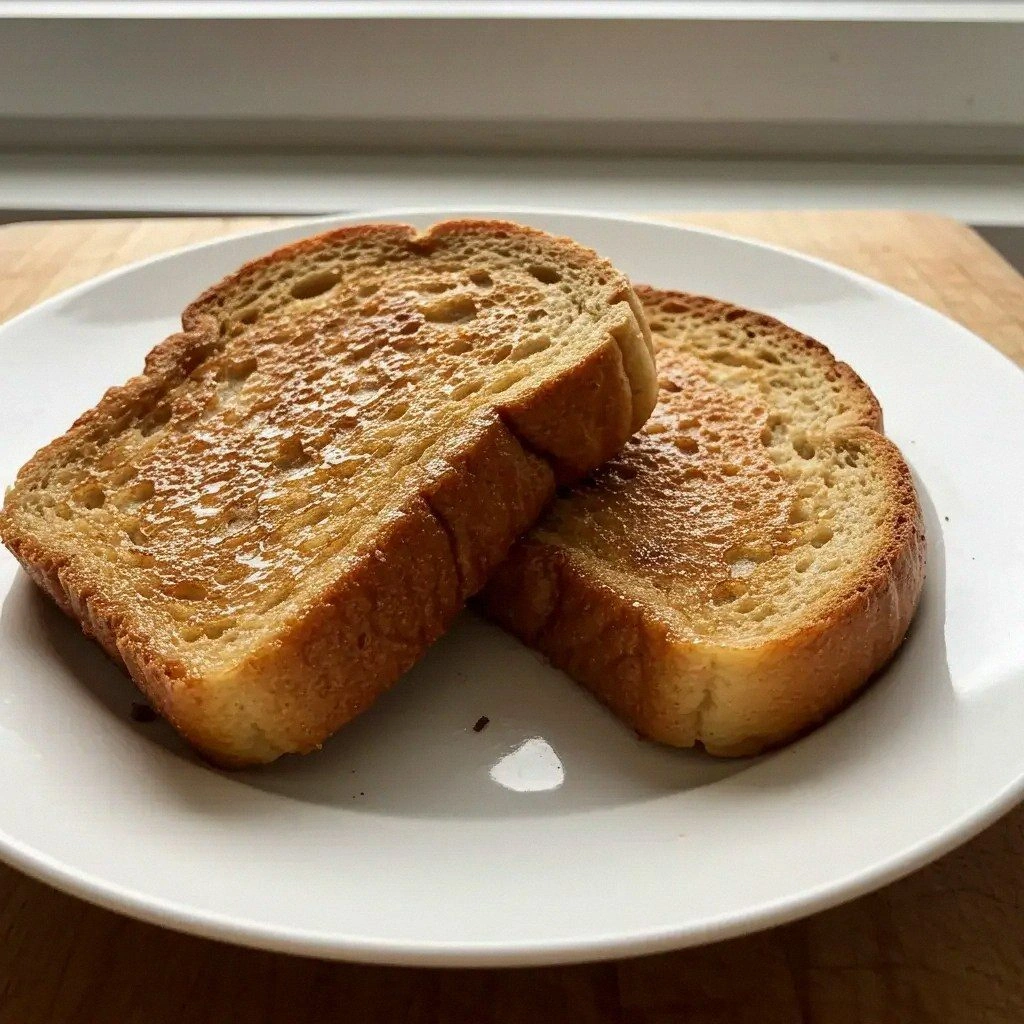
From that day forward, I’ve been on a mission to refine this humble breakfast into a masterpiece that can be shared, stored, and enjoyed time and again. I’ve tweaked ratios, experimented with different milks, and even tried adding a splash of orange zest for a citrus lift. The result? A gluten‑free French toast that is hands down the best version you’ll ever make at home, with a crunch that shatters like thin ice and a custard‑like interior that melts in your mouth.
Picture yourself pulling this out of the pan, the kitchen smelling of caramelized sugar and toasted flour, the plate glistening with a drizzle of maple syrup. I dare you to taste this and not go back for seconds. If you’ve ever struggled with a batter that turns into a pancake, you’re not alone — and I’ve got the fix. Stay with me here; the next part is pure magic.
What Makes This Version Stand Out
- Flavor: The blend of vanilla and cinnamon creates a warm, aromatic base that elevates the simple French toast into a comforting breakfast. The maple syrup finish adds a natural sweetness that balances the savory notes.
- Texture: The gluten‑free flour gives a light, airy crumb while the eggs and milk lock in moisture, producing a custard‑like interior with crisp edges that crackle like fresh popcorn.
- Simplicity: Only ten core ingredients, no hidden additives or fancy equipment. Anyone can whip this up with a skillet and a whisk.
- Uniqueness: The use of a high‑protein gluten‑free blend keeps the toast firm and reduces the risk of sogginess, a common issue in traditional recipes.
- Crowd Reaction: Friends and family rave about the texture and taste, often asking for the recipe after the first bite.
- Ingredient Quality: Choosing organic, non‑GMO ingredients ensures the best flavor profile and supports sustainable agriculture.
- Cooking Method: A two‑step process—batter soak followed by a quick pan‑fry—keeps the cooking time under 30 minutes while delivering maximum flavor.
- Make‑Ahead Potential: The batter can be prepared up to 24 hours ahead, allowing you to focus on plating when guests arrive.
Alright, let's break down exactly what goes into this masterpiece…
Inside the Ingredient List
The Flavor Base
Gluten‑free flour is the foundation of this recipe, providing a neutral canvas that absorbs the eggs, milk, and spices. It’s the star that keeps the toast from falling apart while still allowing the other flavors to shine through. Skipping it would mean you’re left with a batter that clumps and doesn’t coat the bread evenly.
Vanilla extract gives a subtle sweetness and depth, acting as the backbone of the custard interior. If you can’t find pure vanilla, a splash of almond extract can provide a similar warmth, though it will slightly alter the final flavor profile. Always use a high‑quality vanilla for the best results.
Cinnamon is the spice that brings warmth and a hint of spice that lingers on the palate. It also pairs beautifully with the maple syrup drizzle, creating a harmonious balance of sweet and warm spices. If you’re allergic to cinnamon, a dash of nutmeg can serve as a suitable substitute.
The Texture Crew
Eggs bind the batter and give it that silky, custard‑like consistency inside the toast. They also help the batter set quickly when cooked, ensuring a crisp exterior. If you’re vegan, try using a flaxseed‑egg substitute or a commercial egg replacer; the texture will differ slightly but still hold together.
Whole milk adds richness and helps the batter thin to the right consistency. Skim milk will produce a lighter toast but may not provide the same depth of flavor. For a dairy‑free version, oat or soy milk works well, though you might need to adjust the liquid amount slightly.
Unsalted butter is used for cooking and adds a buttery finish that enhances the overall mouthfeel. Melt it just before adding the batter to the pan; this ensures a golden crust without burning. Butter also contributes to the slight caramelization that makes the edges irresistible.
The Unexpected Star
Granulated sugar is essential for caramelizing the batter and giving the toast a subtle sweet crust. Without sugar, the toast would taste flat and lack the golden finish. If you prefer a low‑sugar version, try using a sugar substitute like erythritol or a small amount of honey.
Maple syrup is the final flourish, drizzled over the toast to add natural sweetness and a glossy finish. It also provides a subtle earthy undertone that complements the cinnamon. If you’re not a fan of maple, a light drizzle of honey or agave syrup will work, though the flavor will shift slightly.
Everything's prepped? Good. Let's get into the real action…
The Method — Step by Step
- In a medium bowl, whisk together the gluten‑free flour, cinnamon, sugar, and salt until evenly mixed. The dry mix should look like fine sand. This step ensures that the spices are evenly distributed, preventing any clumps in the batter.
- In a separate bowl, beat the eggs, milk, vanilla extract, and melted butter until the mixture is smooth and slightly frothy. The butter should be at room temperature to blend seamlessly. The result is a silky liquid that will soak the bread perfectly.
- Combine the wet and dry ingredients, stirring until a thick, glossy batter forms. The batter should be thick enough to coat a spoon but thin enough to seep through the bread. If it’s too thick, add a splash of milk; if too thin, add a bit more flour.
- Cut your favorite bread—thick‑cut brioche or challah works best—into 1‑inch slices. Place each slice in a shallow dish and pour enough batter over them to coat both sides. Let the bread soak for 30 seconds on each side; it should absorb the batter but still remain pliable.
- Heat a non‑stick skillet over medium heat and add a small pat of butter. Once the butter melts and begins to foam, lay the soaked slices in the pan. Do not crowd the pan; give each slice space to cook evenly.
- Cook the slices for 2–3 minutes on each side, or until they develop a golden‑brown crust and the edges start pulling away. The aroma should be a sweet, buttery scent that fills the kitchen. Flip only once to preserve the batter’s structure.
- Once all slices are cooked, dust them lightly with powdered sugar for a decorative finish. The powdered sugar should melt slightly on the warm surface, creating a subtle glaze. This step is optional but adds an elegant touch.
- Serve immediately with a generous drizzle of maple syrup, fresh berries, or a dollop of whipped cream. The contrast between the warm toast and cool toppings is a delightful sensory experience. Enjoy while the toast is still crisp and the batter is still silky.
That's it — you did it. But hold on, I've got a few more tricks that'll take this to another level…
Insider Tricks for Flawless Results
The Temperature Rule Nobody Follows
Many people cook French toast on high heat, which can burn the exterior while leaving the inside raw. I’ve discovered that a steady medium heat (about 350 °F on a stovetop) gives the best balance of browning and custard setting. Keep a thermometer handy if you’re unsure.
Why Your Nose Knows Best
As soon as the batter hits the pan, a sweet, buttery aroma will fill the room. That scent is your cue that the crust is forming. If the smell is too faint, the pan is too hot; if it’s too strong, the heat is too high. Trust your nose, it’s a reliable indicator of doneness.
The 5-Minute Rest That Changes Everything
After cooking, let the slices rest on a wire rack for five minutes. This brief rest allows the steam to escape and the crust to set, preventing the toast from becoming soggy. The rest also gives the maple syrup a chance to soak into the warm crumb.
Use Fresh Bread for a Better Bite
Fresh, slightly stale bread is ideal because it holds the batter better than fresh bread. If you’re using supermarket bread, let it sit out for an hour or two before slicing. Fresh bread will absorb the batter too quickly and become mushy.
Keep the Batter Cool
When you’re ready to cook, keep the batter in the refrigerator until the last minute. Warm batter can cause the bread to soak too fast, leading to a soggy interior. A chilled batter maintains a firmer structure.
Make‑Ahead Batter Works Wonders
You can prepare the batter up to 24 hours in advance and store it in an airtight container in the fridge. The flavors will meld, and the batter will be ready to go when you need it. Just give it a quick stir before use.
Creative Twists and Variations
This recipe is a playground. Here are some of my favorite ways to switch things up:
Berry Bliss
Top the toast with a mix of fresh strawberries, blueberries, and raspberries. The berries add a juicy burst that cuts through the sweetness of the maple syrup. Serve with a dollop of Greek yogurt for a tangy contrast.
Nutty Crunch
Sprinkle chopped pecans or walnuts over the finished toast before drizzling maple syrup. The nuts add a satisfying crunch and a buttery flavor that complements the custard interior. A light dusting of cinnamon enhances the nutty aroma.
Chocolate Drizzle
Replace maple syrup with a homemade chocolate sauce made from melted dark chocolate and a splash of cream. The chocolate creates a decadent coating that pairs beautifully with the warm toast. Add a pinch of sea salt for a sweet‑salty finish.
Spiced Citrus
Add a splash of orange zest to the batter for a bright, citrusy note. The zest brings a fresh, aromatic lift that pairs well with the cinnamon. Finish with a drizzle of honey for a subtle floral sweetness.
Savory Savant
For a brunch twist, top the toast with sautéed spinach, goat cheese, and a drizzle of balsamic reduction. The savory elements balance the sweet batter and create a complex flavor profile. This variation is great for a midday meal.
Vegan Victory
Use a flaxseed‑egg substitute, oat milk, and plant‑based butter to make the recipe fully vegan. The texture will be slightly denser, but the flavor remains rich and comforting. Serve with a vegan maple syrup alternative for a complete plant‑based breakfast.
Storing and Bringing It Back to Life
Fridge Storage
Store cooked slices in an airtight container in the refrigerator for up to 2 days. Keep them on a paper towel to absorb excess moisture. Reheat gently in a toaster or oven at 350 °F for 5 minutes to revive the crispness.
Freezer Friendly
Wrap each slice individually in parchment paper and place them in a freezer bag. They can be frozen for up to 2 weeks. When ready, thaw at room temperature and reheat in a skillet over low heat until warmed through.
Best Reheating Method
To restore the original texture, lightly brush each slice with a splash of milk before reheating. This adds moisture back into the crumb and helps the butter melt evenly. A quick 30‑second burst in a microwave is fine if you’re in a hurry, but the skillet method preserves the crisp edge.