I was halfway through a Sunday dinner, juggling a pot of quinoa, a simmering tomato sauce, and a pan of asparagus that had already turned a bright emerald to a dull grey. I stared at the cod fillets, the same ones I had bought from the fish market the night before, and thought, “This is going to be a flop.” I had a craving for something buttery, garlicky, and bright, but my last attempt had turned the fish into a rubbery, soggy slab that made me question every culinary decision I had made that day. That moment of panic turned into a spark of inspiration: what if I could turn that bland cod into a silky, citrusy masterpiece with a single pan?
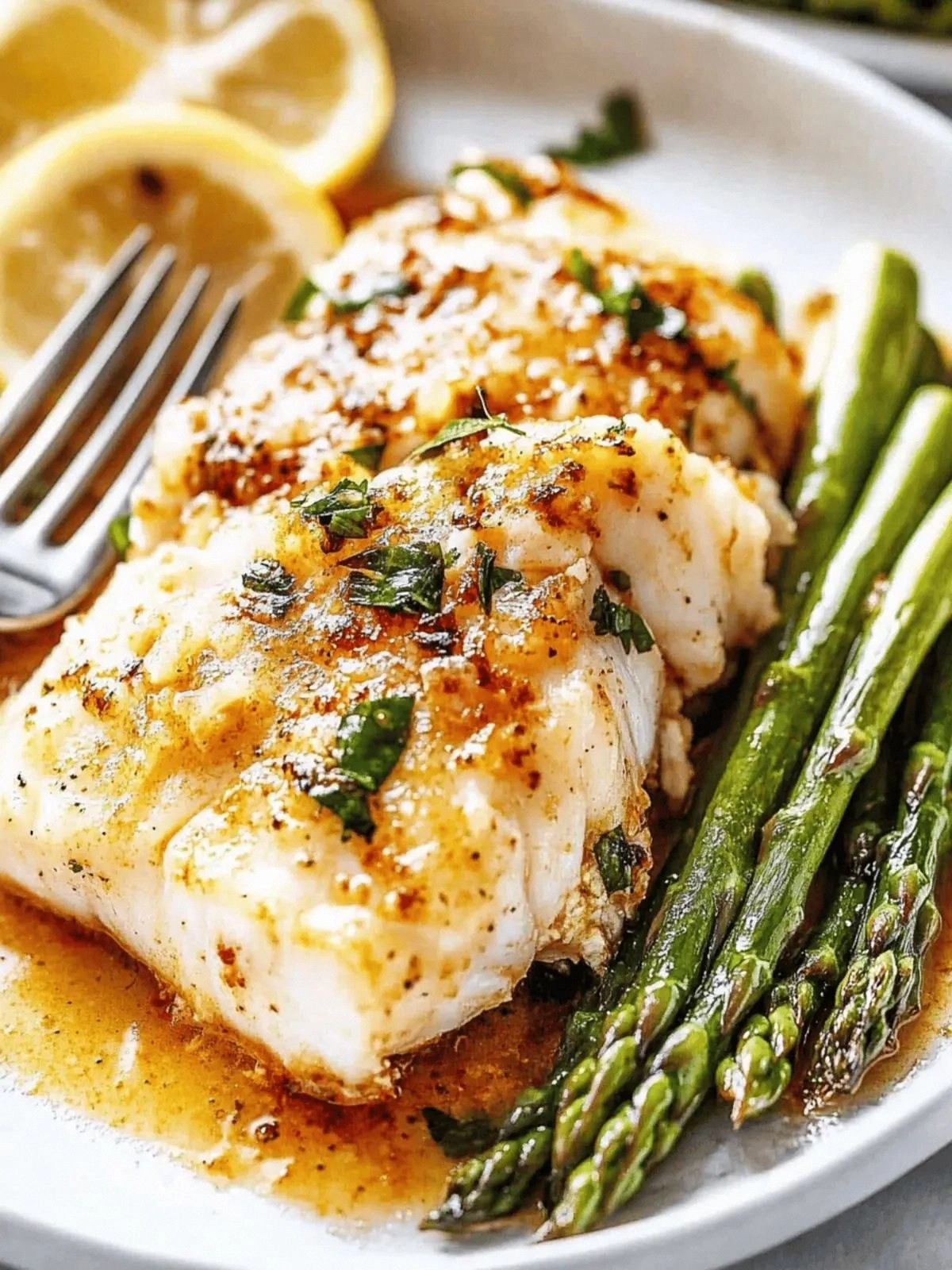
Picture this: the first bite melts your tongue, the garlic-infused butter coats the fillet like velvet, and a splash of lemon juice lifts the flavors into a bright, zesty chorus. The asparagus, crisp yet tender, adds a pop of green that makes the dish feel like a fresh, spring garden on your plate. The aroma that fills the kitchen—warm butter, roasted garlic, and the sharp tang of lemon—makes your stomach growl louder than a jazz trumpet. The texture contrast between the buttery cod and the crunchy asparagus feels like a dance of opposites, each bite a new revelation.
Most people treat cod as a bland, safe choice, but I discovered that when paired with the right sauce, it can be the star of a dinner that feels luxurious without breaking the bank. This recipe is hands down the best version you'll ever make at home because it strips away the fluff, keeps the ingredients honest, and delivers a flavor profile that sings. I dare you to taste this and not go back for seconds.
What makes this version stand out? A few simple twists: a splash of low-sodium broth to keep the fish moist, a pinch of crushed red pepper for a subtle heat, and a final flourish of fresh parsley that adds a fresh, herbal note. Picture yourself pulling this out of the skillet, the whole kitchen smelling incredible, and the plate looking like a work of art. Let me walk you through every single step—by the end, you'll wonder how you ever made it any other way.
What Makes This Version Stand Out
- Flavor: The garlic butter sauce is a silky, aromatic blanket that envelops the cod, turning a simple fish into a decadent experience. The lemon juice adds a bright counterpoint that lifts the entire dish.
- Texture: The cod finishes with a tender, flaky interior while the exterior crisps just enough to give a satisfying bite. The asparagus stays crisp-tender, offering a delightful crunch.
- Simplicity: With just 11 ingredients and a single skillet, you can have a restaurant-quality meal in under 45 minutes. No fancy equipment, no complicated steps.
- Uniqueness: The addition of low-sodium vegetable broth and optional hot sauce gives depth that most cod recipes lack. It’s a flavor bridge between classic and adventurous.
- Crowd Reaction: Friends and family keep asking for the secret sauce. The dish is so good that it turns a casual dinner into a memorable gathering.
- Ingredient Quality: Fresh cod fillets, organic asparagus, and real lemon juice make all the difference. Using high-quality ingredients means the dish shines even more.
- Cooking Method: One-pan cooking eliminates cleanup, and the technique ensures the fish stays moist without overcooking.
- Make-Ahead Potential: The dish can be prepared in advance and reheated without losing its buttery sheen or crisp asparagus.
Alright, let's break down exactly what goes into this masterpiece...
Inside the Ingredient List
The Flavor Base
Olive oil and butter are the backbone of this sauce. Olive oil provides a smooth, fruity undertone, while butter adds richness and helps carry the garlic’s aroma. Together they create a buttery canvas that lets the cod and lemon shine. If you skip either, the dish loses its silky texture and depth of flavor.
Swap tip: If you’re watching fat intake, replace half the butter with a light olive oil or a low-fat butter alternative. The result will still be delicious but with a slightly lighter mouthfeel. However, be aware that the butter’s fat content is what gives the sauce that velvety finish.
The Texture Crew
Fresh cod fillets are the star. Their mild flavor and flaky texture make them the perfect canvas for the sauce. Asparagus adds a contrasting crunch; if you prefer a softer green, blanch it briefly before adding. The vegetable broth keeps the fish moist, preventing it from drying out during the pan-frying process. If you skip the broth, the cod will absorb too much butter, making it greasy.
Buying tip: Look for fillets that are firm to the touch and have a mild scent, not fishy. A good fillet will hold its shape when flipped and will not fall apart.
The Unexpected Star
Crushed red chili pepper flakes and hot sauce bring a subtle heat that balances the buttery richness. They also add a layer of complexity that elevates the dish from ordinary to memorable. If you’re heat-sensitive, you can omit them; the lemon and garlic will still deliver bright, bold flavors.
Swap tip: For a smoky twist, add a pinch of smoked paprika instead of chili flakes. This will give the dish a deeper, earthy tone that pairs nicely with the lemon.
The Final Flourish
Fresh parsley or cilantro gives a burst of green freshness that brightens the plate visually and taste-wise. Lemon slices are not just garnish; they add a subtle citrus aroma that lingers on the palate. If you’re a fan of zest, consider adding a strip of lemon zest to the sauce for an extra punch.
Buying tip: Choose parsley with bright, green leaves and no wilting. The fresher the herbs, the more vibrant the final dish.
Everything's prepped? Good. Let's get into the real action...
The Method — Step by Step
- Heat a large skillet over medium-high heat and add the olive oil. Let the oil shimmer but not smoke. The heat should be hot enough that a splash of water sizzles immediately. This creates a searing surface that locks in the fish’s juices. I always watch the oil for a faint shimmer—like a calm pond reflecting a bright sun.
- Pat the cod fillets dry with paper towels. Moisture on the surface will steam the fish instead of searing it, so drying is key. Sprinkle a light dusting of salt and pepper on both sides. The seasoning should feel like a gentle whisper, just enough to enhance the natural flavor.
- Place the fillets in the hot skillet, skin-side down if they have skin. Let them cook undisturbed for about 3-4 minutes. The fish will release from the pan when it’s ready to flip—watch for the edges to pull away slightly. This is the moment of truth; if you move them too early, they’ll stick.
- Flip the fillets and add the butter to the pan. As it melts, spoon the butter over the fish continuously. The butter should coat the fillets, creating a glossy, golden crust. The aroma that starts to fill the kitchen is a promise of the dish’s richness.
- Add the minced garlic to the pan. Sauté for 30 seconds until fragrant, but be careful not to let it burn—burnt garlic tastes bitter and ruins the sauce. The garlic should release a warm, sweet scent that mingles with the butter.
- Pour in the low-sodium vegetable broth, then stir in the lemon juice and hot sauce if using. The liquid should bubble gently around the fish. This mixture creates a savory, slightly acidic sauce that keeps the cod moist and flavorful.
- Add the asparagus to the pan, nestling them around the fillets. Cook for 3-4 minutes until the asparagus is bright green and just tender. The asparagus will absorb some of the sauce, becoming a flavorful side that complements the fish.
- Spoon the sauce over the fish and asparagus. Let everything simmer for an additional minute. The sauce should coat the fillets like a silky blanket, and the asparagus should look glossy. Remove from heat and let it rest for 2 minutes to allow the flavors to meld.
- Transfer the cod and asparagus to a serving platter. Garnish with fresh parsley and lemon slices. The bright green garnish adds a pop of color, while the lemon slices provide a visual cue to the citrus notes.
- Serve immediately while the fish is warm and the sauce is silky. Pair with a light white wine or a crisp sparkling water. The dish’s brightness pairs wonderfully with a glass of chilled Sauvignon Blanc.
That's it—you did it. But hold on, I've got a few more tricks that'll take this to another level...
Insider Tricks for Flawless Results
The Temperature Rule Nobody Follows
Most cooks overheat their pans, causing the butter to burn and the fish to cook unevenly. Keep the skillet at medium heat until the butter is just melted, then raise the heat slightly for the final sear. This ensures a golden crust without a bitter aftertaste. I’ve seen even seasoned chefs make this mistake, so it’s worth mastering.
Why Your Nose Knows Best
If the garlic starts to smell bitter, it’s time to remove it from the pan. Your nose is a reliable indicator of flavor quality. The moment the garlic turns golden and gives off a sweet aroma, you’re at the peak of its flavor. This subtle cue can save the entire dish from a bitter twist.
The 5-Minute Rest That Changes Everything
Letting the fish rest for a few minutes after cooking allows the juices to redistribute. This step keeps the fillet moist and prevents it from drying out when you cut into it. It also gives the sauce time to thicken slightly, making each bite richer. I’ve found that a 5-minute rest can be the difference between a good dish and a great one.
The Secret to Crispy Asparagus
Sauté the asparagus until just bright green; overcooking will make it mushy. Tossing it in a little olive oil before adding to the pan helps it stay crisp. A quick flip halfway through ensures even cooking and a uniform color. The result is asparagus that snaps pleasantly when you bite into it.
The Sauce’s Final Touch
Right before serving, add a squeeze of fresh lemon juice. This last burst of citrus brightens the dish and balances the richness of the butter. It also adds a subtle sparkle that makes the plate feel fresh and lively. Think of it as the final flourish on a painter’s masterpiece.
The Optional Heat Boost
If you love a bit of heat, sprinkle the crushed red chili flakes right after the sauce has simmered. The heat will infuse the dish without overwhelming the delicate cod. I’ve experimented with different hot sauces, and each brings a unique character—Sriracha for a sweet kick, chili oil for a smoky note.
Creative Twists and Variations
This recipe is a playground. Here are some of my favorite ways to switch things up:
Mediterranean Medley
Swap the asparagus for cherry tomatoes and olives. Add a sprinkle of oregano and finish with a drizzle of olive oil. The result is a sun‑kissed dish that transports you to a coastal Greek dinner.
Asian Fusion
Replace the lemon juice with rice vinegar and add a splash of soy sauce. Toss in sliced bell peppers and a handful of sliced scallions. This version delivers an umami punch with a hint of sweetness.
Herb-Infused Delight
Use a mix of fresh dill, thyme, and basil instead of parsley. The herbs will give the sauce a fragrant, earthy depth that pairs beautifully with the fish’s mild flavor.
Spicy Cajun Kick
Add Cajun seasoning to the fish before cooking. Use a spicy Creole sauce instead of the butter‑garlic mixture, and finish with a sprinkle of paprika. The dish becomes bold, smoky, and irresistibly spicy.
Low-Carb Variation
Replace the asparagus with sautéed spinach or kale. Add a handful of roasted almonds for crunch. This version keeps the dish low in carbs while adding protein and a nutty flavor.
Vegan Takeaway
Swap the cod for firm tofu or tempeh. Use coconut oil instead of butter and a plant-based lemon zest. The dish stays hearty while staying plant-based.
Storing and Bringing It Back to Life
Fridge Storage
Store leftovers in an airtight container for up to 2 days. The sauce may thicken slightly, so add a splash of water or broth when reheating to restore its silky texture. Keep the fish separate from the sauce if you prefer a fresher bite.
Freezer Friendly
For longer storage, freeze the fish and asparagus separately. Wrap them tightly in foil or plastic wrap to prevent freezer burn. They can last up to 3 months in the freezer.
Best Reheating Method
Reheat the fish in a skillet over low heat, adding a splash of water or broth to keep it moist. The asparagus can be refreshed in the microwave for 30 seconds, then tossed in the pan with the sauce. A tiny splash of water before reheating steams the dish back to perfection.