I was in the middle of a Sunday brunch raid when my kitchen turned into a disaster zone. I had just sliced a half‑sized butternut squash, and the knife slipped, sending a splatter of orange flesh across the counter. The aroma that filled the room was a mix of caramelized sugar and earthy root—an accidental invitation to create something extraordinary. That moment sparked the idea for a fall harvest salad that would turn a kitchen mishap into a culinary triumph. I dared myself to turn that mess into a dish that would make your taste buds dance and your guests ask for the recipe.
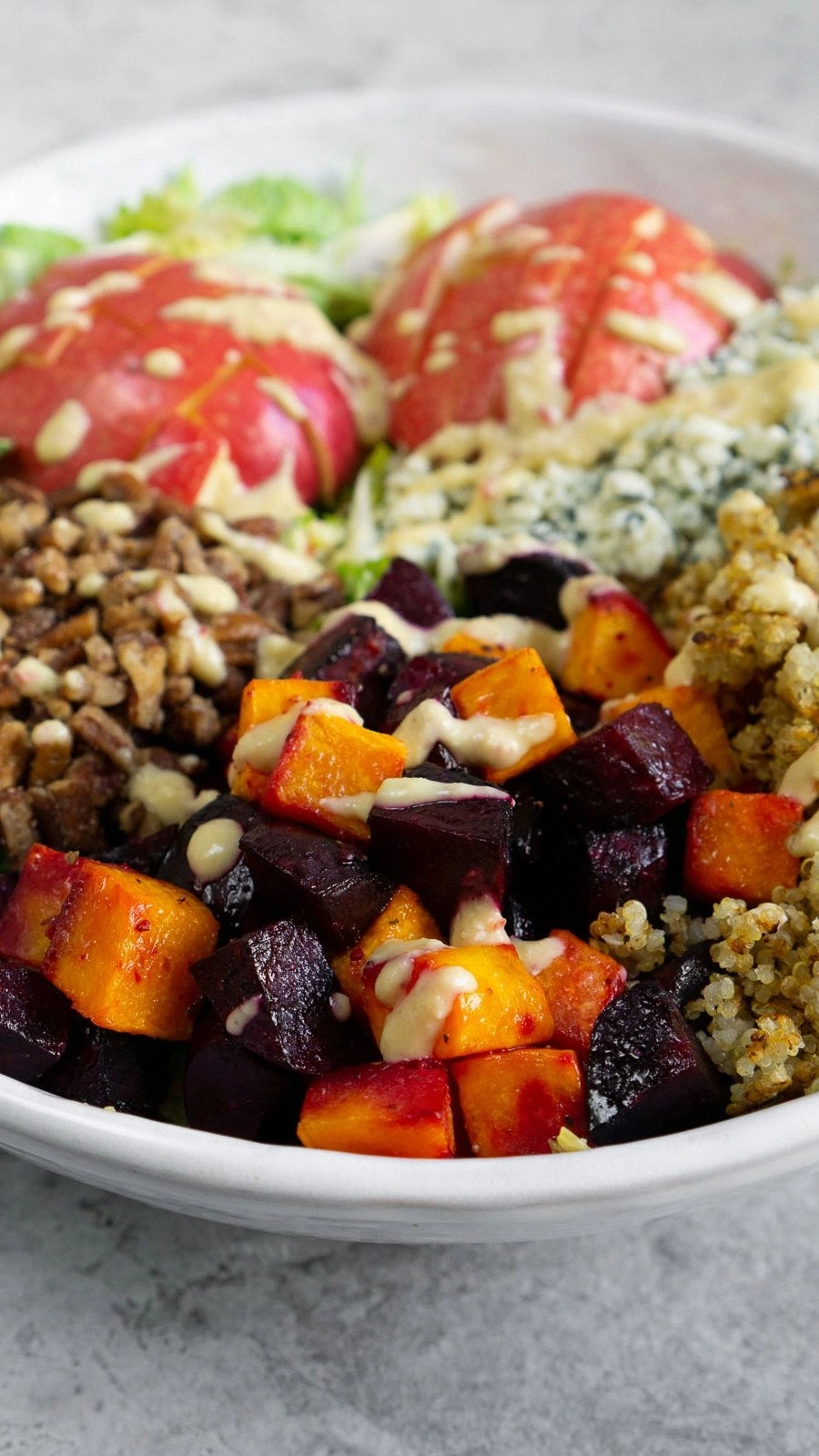
Picture this: a bowl brimming with glossy, roasted Brussels sprouts, their edges crisped to a golden amber that crackles like a tiny campfire. Beside them, tender beet cubes glimmer with a ruby sheen, their natural sweetness amplified by a splash of apple cider vinegar. The butternut squash, diced into bite‑sized cubes, is roasted until it melts into a buttery softness that melts in your mouth. The quinoa adds a subtle nutty crunch, while the apples provide a crisp, juicy counterpoint. The finishing touch? A drizzle of champagne vinegar and a whisper of honey that coats everything like a velvet ribbon.
This version is the best you’ll ever make at home because it balances sweet, savory, and tangy in a way that feels both indulgent and wholesome. The secret is the apple‑cider vinaigrette, which uses champagne vinegar for a refined acidity that cuts through the richness of the roasted veggies. I’ve perfected the roasting temperature so that the Brussels sprouts develop a caramelized char without burning, giving them that smoky undertone. The blue cheese is crumbled just enough to melt into pockets of creamy briny goodness, while the pecans add a satisfying crunch that echoes the crunch of freshly fallen leaves. Every bite is a symphony of textures and flavors that will leave you craving more.
I’ll be honest—my friends kept asking for seconds after the first bite, and I almost had to hide the last handful in my pantry. The anticipation of the first forkful is pure magic, and the moment you taste that sweet‑savory blend, you’ll think, “I dare you to taste this and not go back for seconds.” The best part? This salad is a canvas: you can tweak the ingredients to suit your mood or what’s in season. If you’re looking for a crowd‑pleaser that feels like a celebration, this is it. Let me walk you through every single step—by the end, you’ll wonder how you ever made it any other way.
What Makes This Version Stand Out
- Flavor Depth: The apple‑cider vinaigrette balances sweet, tart, and umami, turning simple vegetables into a complex tasting experience.
- Texture Contrast: Roasted Brussels sprouts, tender quinoa, crunchy pecans, and creamy blue cheese create layers that keep each bite exciting.
- Visual Appeal: The vibrant colors of beet, squash, and apple give the salad a festive look that’s perfect for fall gatherings.
- Make‑Ahead Friendly: The salad holds its flavors for up to 24 hours, making it ideal for dinner parties or busy weekdays.
- Ingredient Quality: Fresh, seasonal produce ensures each component shines, and the use of champagne vinegar adds a touch of elegance.
- Balanced Nutrition: Packed with fiber, vitamins, and healthy fats, it’s a meal that satisfies without compromising health goals.
- Time Efficiency: With a prep time of just 15 minutes and cooking time of 30 minutes, you get a gourmet salad without a gourmet budget.
- Audience Appeal: Whether you’re a vegetarian, a meat lover, or a health‑conscious foodie, this salad wins over everyone at the table.
Alright, let's break down exactly what goes into this masterpiece…
Inside the Ingredient List
The Flavor Base
The apple‑cider vinaigrette is the heart of this salad. Champagne vinegar adds a subtle, refined acidity that elevates the sweetness of the apples and the earthiness of the beets. A splash of honey balances the sharpness, while Dijon mustard brings a silky, peppery undertone. If you’re not a fan of mustard, you can replace it with a teaspoon of whole‑grain mustard for a milder kick.
Choosing the right vinegar is key. Champagne vinegar is lighter than balsamic or red wine vinegar, allowing the fresh produce to shine. If you can’t find it, a good quality apple cider vinegar will do, but be prepared to add a pinch more honey to keep the vinaigrette balanced.
The Texture Crew
Roasted Brussels sprouts provide that satisfying crunch that shatters like thin ice when you bite into them. The quinoa adds a subtle nutty bite, giving the salad a hearty backbone that keeps you full. Pecans contribute a buttery crunch that echoes the texture of roasted nuts, while the blue cheese offers a creamy, tangy contrast that melts in your mouth.
If you’re watching calories, you can swap the blue cheese for a smaller portion of goat cheese or a sprinkle of nutritional yeast for a nutty flavor without the fat. The quinoa can be replaced with bulgur or farro for a different grain texture; just keep the cooking time in mind.
The Unexpected Star
The butternut squash is the unsung hero of this dish. Its natural sweetness and buttery texture create a harmony that balances the tartness of the vinaigrette. Roasting it to a caramelized finish brings out deep, caramel notes that make the salad feel indulgent without being heavy.
If you’re not a fan of squash, you can swap it for roasted sweet potatoes or parsnips. Just remember to cut them into bite‑sized cubes so they cook evenly and blend seamlessly with the rest of the ingredients.
The Final Flourish
The apples are the final flourish that adds a crisp, juicy bite. The 1.5 apples are diced and tossed into the vinaigrette, then mixed with the roasted veggies. The apples’ natural sugars provide a sweet counterpoint to the savory and tangy elements, making each bite a balanced adventure.
If you’re in a pinch, you can use pears for a slightly different flavor profile—just make sure they’re ripe and not too soft. Pears pair wonderfully with the vinaigrette’s acidity, creating a sweet‑savory harmony that’s just as delightful.
Everything's prepped? Good. Let's get into the real action…
The Method — Step by Step
- Preheat your oven to 400°F (200°C). Trim the ends of the Brussels sprouts, halve them, and toss them with 2 tablespoons of olive oil, salt, and pepper. Spread them out on a baking sheet in a single layer. Roast for 20 minutes, then flip them over and continue roasting for an additional 10 minutes until they’re caramelized and crisp. The key is high heat for a short time to lock in the sugars.
- While the sprouts roast, dice the butternut squash into ½‑inch cubes. Toss the cubes with a tablespoon of olive oil, a pinch of salt, and a dash of pepper. Spread them on a separate baking sheet and roast alongside the sprouts for 25 minutes, stirring halfway through. The squash should be tender on the inside and slightly caramelized on the edges.
- In a small bowl, whisk together 2 tablespoons of champagne vinegar, 2 tablespoons of honey, 2 tablespoons of Dijon mustard, 2 tablespoons of lemon juice, and ½ cup of extra‑virgin olive oil. Season with salt and pepper to taste. This vinaigrette will coat the veggies like velvet, giving each bite a glossy finish.
- Cook the quinoa according to package instructions, using 1 cup of water for ¼ cup of quinoa. Once cooked, fluff with a fork and let it cool to room temperature. Quinoa adds a subtle nutty flavor that pairs wonderfully with the roasted vegetables.
- Dice the apples into bite‑sized cubes and toss them in a bowl with the vinaigrette. Let them sit for 5 minutes so they soak up the sweet‑tart dressing. This step is crucial for achieving the perfect balance of flavors.
- In a large salad bowl, combine the roasted Brussels sprouts, roasted butternut squash, cooled quinoa, and apple cubes. Add the crumbled blue cheese and pecans. Toss everything together gently to ensure an even distribution of flavors.
- Drizzle the remaining vinaigrette over the salad and toss again. The dressing should coat each component, creating a glossy, cohesive dish. Adjust seasoning with salt and pepper if needed.
- Serve immediately, or cover and refrigerate for up to 24 hours. When ready to serve, give the salad a quick toss, and if desired, add a light drizzle of olive oil for extra shine.
That's it — you did it. But hold on, I've got a few more tricks that'll take this to another level…
Insider Tricks for Flawless Results
The Temperature Rule Nobody Follows
Many people roast veggies at 350°F, but that temperature is too low to achieve that caramelized crust. Raising the heat to 400°F gives the Brussels sprouts a crispy exterior while keeping the interior tender. This trick is especially useful for those who want a contrast of textures in every bite.
Why Your Nose Knows Best
When the Brussels sprouts hit the oven, the scent of caramelizing sugar will fill the kitchen. Trust that aroma—if it smells like toasted marshmallows, you’re on the right track. This sensory cue is often more reliable than the clock.
The 5‑Minute Rest That Changes Everything
After roasting, let the Brussels sprouts rest for 5 minutes before mixing with the vinaigrette. This pause allows the steam to finish cooking the edges, giving the sprouts a perfect bite. Skipping this step can leave them a little mushy.
The Sweet‑Savory Balance
If the vinaigrette tastes too sharp, add a teaspoon of maple syrup instead of honey. Maple syrup brings a deeper sweetness that pairs beautifully with the earthy flavors of the squash and beets.
The Quick Crunch
If you’re serving the salad cold, add a handful of toasted pumpkin seeds just before plating. They’ll add a fresh crunch that contrasts the roasted veggies and keeps the texture lively.
Creative Twists and Variations
This recipe is a playground. Here are some of my favorite ways to switch things up:
Pomegranate Power
Add a handful of pomegranate seeds for a pop of color and a burst of tartness that complements the sweet vinaigrette. The seeds also bring a pleasant crunch that pairs well with the pecans.
Herb‑Infused Vinaigrette
Stir in chopped fresh rosemary or thyme into the vinaigrette. The earthy herbs add depth and a fragrant aroma that elevates the dish to a gourmet level.
Swap the Blue Cheese
Use goat cheese for a tangier, milder alternative, or sprinkle some crumbled feta for a Mediterranean twist. Each cheese brings its own unique character to the salad.
Add Protein
Roasted chickpeas or grilled chicken breast slices can transform this salad into a hearty main course. The protein adds substance without compromising the fresh flavors.
Winter Greens Upgrade
Swap out the quinoa for farro or barley for a chewier grain texture. The nutty flavor of farro pairs beautifully with the roasted veggies and vinaigrette.
Storing and Bringing It Back to Life
Fridge Storage
Store the salad in an airtight container for up to 24 hours. Keep the vinaigrette separate until ready to serve to avoid soggy greens. If you need to hold it longer, place a paper towel at the bottom of the container to absorb excess moisture.
Freezer Friendly
The roasted veggies and quinoa freeze well. Store them separately in freezer bags for up to 3 months. When ready to use, thaw overnight in the fridge and toss with the vinaigrette.
Best Reheating Method
Reheat the roasted veggies in a skillet over medium heat for 2-3 minutes, adding a splash of water to steam them back to perfection. The quick heat preserves their crispness while restoring flavor.