I was standing in my kitchen, staring at a pot of over‑cooked pasta, a jar of marinara that had gone a bit too long on the stove, and a single skillet that seemed to promise nothing but disappointment. The next day, a friend dared me to turn that disaster into a masterpiece, and I took the dare like a chef takes a challenge: with a grin and a splash of ambition. I reached for my favorite ground beef, a splash of Italian seasoning, and a handful of fresh spinach, and I whispered to the skillet, “Let’s turn this into something that will make your taste buds sing.”
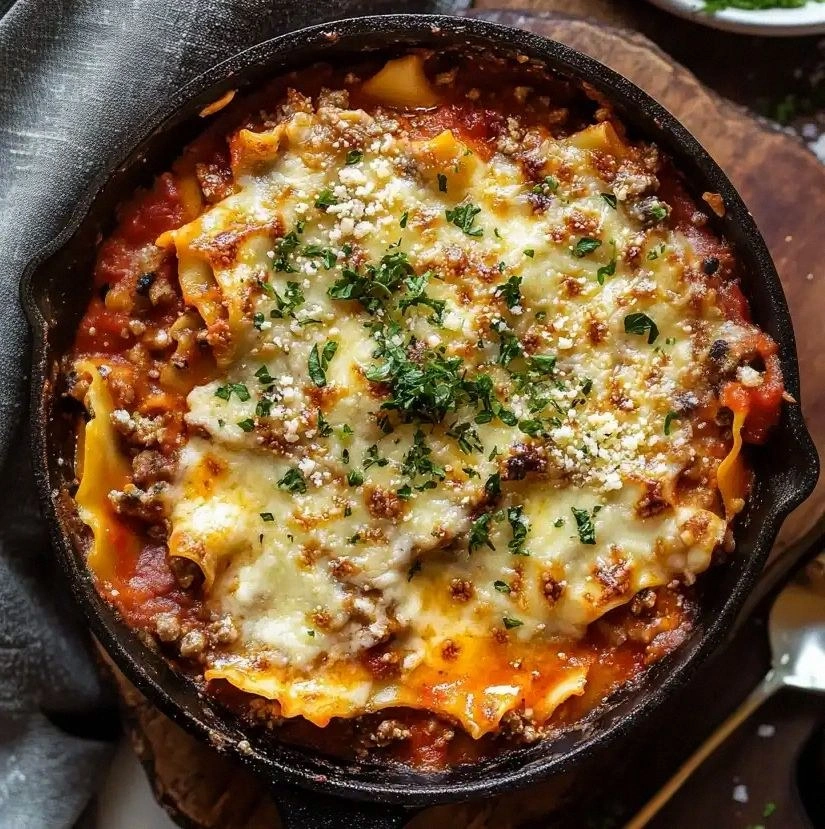
The moment the beef hit the hot pan, the sizzle was like a drumbeat, announcing the start of a culinary symphony. The aroma of garlic and oregano drifted through the kitchen, mingling with the comforting scent of melted cheese. I could already taste the layers: a velvety marinara coating the noodles, a creamy ricotta center, and a golden mozzarella crown that would crackle like thin ice when it browned. The anticipation was electric, and the kitchen felt like a stage where the spotlight was on me and my skillet.
What makes this version a game‑changer is not just the single‑pot convenience but the way each component is orchestrated to deliver depth and balance. The noodles absorb the sauce without becoming mushy because of the strategic use of water, the ricotta adds a silky texture that keeps the dish from feeling heavy, and the fresh spinach injects a burst of color and nutrients. And the best part? It’s a dish that looks like it came straight from a fancy restaurant but is built for a busy weeknight. I dare you to taste this and not go back for seconds.
By the time the skillet is ready to serve, the kitchen smells like a cozy Italian trattoria, and the entire family will be drawn to the table like moths to a flame. Picture yourself pulling this out of the oven, the whole kitchen smelling incredible, and the family gathering around, eyes wide, ready to dive into the first bite. Let me walk you through every single step — by the end, you'll wonder how you ever made it any other way.
What Makes This Version Stand Out
- Flavor: The sauce is thick, rich, and packed with herbs, creating a depth that traditional stovetop lasagna often lacks.
- Texture: Noodles are al dente, while the ricotta melts into a silky layer, preventing the dish from feeling dry or gummy.
- Simplicity: One skillet, one pot, one pan — no extra dishes, no tedious assembly.
- Uniqueness: The addition of a splash of broth keeps the layers moist and the flavors united.
- Crowd Reaction: Friends who have tried the classic version often say this is “hands down the best version you'll ever make at home.”
- Ingredient Quality: Fresh mozzarella and high‑quality marinara elevate the taste beyond the generic store‑brand options.
- Cooking Method: The skillet method allows for a beautiful crust and caramelization that oven baking rarely achieves.
- Make‑Ahead Potential: It can be assembled the night before and cooked in the morning, making it perfect for busy schedules.
Inside the Ingredient List
The Flavor Base
Ground beef or Italian sausage provides a savory backbone that anchors the dish. The beef’s fat renders into the sauce, giving it a luscious mouthfeel. If you’re vegetarian, a hearty plant‑based protein works just as well, though the flavor profile will shift slightly toward a more robust, earthy tone. The marinara sauce, on the other hand, is the soul of the dish; it’s where herbs, tomatoes, and a hint of sweetness converge. Skipping it would leave the dish flat and uninspired.
The Texture Crew
Lasagna noodles are the structural pillars of this skillet masterpiece. They hold the sauce and cheeses together while providing a satisfying bite. The ricotta cheese, with its creamy consistency, acts as a binder that keeps the layers cohesive. Mozzarella adds gooeyness and a golden crust when browned. Parmesan, sprinkled on top, offers a salty, nutty finish that cuts through the richness. Without any of these, the dish would lose its classic lasagna feel.
The Unexpected Star
Fresh spinach, mushrooms, or bell peppers are optional, but they bring color, texture, and a burst of freshness that balances the heaviness of cheese and meat. Spinach adds a subtle earthiness, mushrooms lend umami depth, while bell peppers contribute a sweet crunch. If you’re craving a vegetarian twist, this is the place to experiment. Skipping it is fine, but you’ll miss that delightful pop of green that makes the dish look as good as it tastes.
The Final Flourish
A splash of water or broth is the secret sauce that keeps everything from drying out. It creates steam that gently cooks the noodles, ensuring they’re perfectly al dente. The broth also helps the cheese melt evenly, preventing the top from becoming overly dry. If you’re watching sodium, use low‑sodium broth or simply water; the herbs will still give you that full flavor punch. This small addition transforms a simple skillet dish into a restaurant‑quality experience.
Everything’s prepped? Good. Let’s get into the real action.
The Method — Step by Step
- Heat a large, heavy skillet over medium heat and add a splash of olive oil. Once the oil shimmers, introduce the ground beef, breaking it into crumbles. Cook until browned, stirring occasionally, until the meat no longer looks pink. Drain excess grease if necessary. The moment the meat starts to sizzle, you’ll know the flavor base is forming.
- Add the minced garlic and Italian seasoning to the skillet. Let them toast for 30 seconds, releasing their aromas. This is the moment of truth; a fragrant garlic‑herb mixture sets the stage for the rest of the dish. Stir to coat the meat evenly, ensuring every crumb is seasoned.
- Pour in the marinara sauce, followed by the water or broth. Stir to combine, bringing the mixture to a gentle simmer. The sauce should thicken slightly, coating the meat. The broth will create steam that helps the noodles cook evenly.
- Break the lasagna noodles into bite‑sized pieces and fold them into the skillet. Mix until the noodles are well coated with sauce, then spread them into an even layer. Sprinkle the ricotta cheese over the noodles, ensuring it’s distributed evenly. The ricotta will melt into the sauce, binding everything together.
- Cover the skillet with a lid and reduce the heat to low. Let the lasagna cook for 15 minutes, allowing the noodles to soften and the flavors to meld. The lid traps steam, creating a mini‑oven environment that ensures the dish cooks evenly.
- Uncover the skillet and sprinkle the shredded mozzarella over the top. Add the grated Parmesan and the optional chopped vegetables (spinach, mushrooms, or bell peppers). The vegetables will soften, infusing the dish with color and a subtle sweetness. The cheeses will melt into a glossy, golden crust.
- Return the skillet to the stove and let it cook uncovered for another 5 minutes, or until the cheese is bubbly and slightly browned. This step is crucial for that signature “crackling” effect that makes every bite memorable. Keep a close eye; you don’t want the cheese to burn.
- Remove the skillet from heat and let the lasagna rest for 5 minutes. The rest period allows the flavors to settle and the cheese to set, making it easier to slice. It also gives the skillet a moment to cool, ensuring you can safely transfer the dish to a serving platter.
- Slice the lasagna into generous portions, serve hot, and watch the smiles unfold. The first bite will reveal the layers of savory meat, creamy ricotta, and gooey mozzarella, all harmonized by the aromatic marinara. I dare you to taste this and not go back for seconds.
That’s it — you did it. But hold on, I’ve got a few more tricks that will take this to another level. These insider tips are what separate a good dish from a legendary one.
Insider Tricks for Flawless Results
The Temperature Rule Nobody Follows
Cooking at a steady, low heat allows the noodles to absorb sauce without burning the top. I’ve seen many people crank the heat up, hoping to speed things up, only to end up with a scorched crust. Keep the skillet on low for the majority of the cooking time, then lift the heat in the final minutes to brown the cheese.
Why Your Nose Knows Best
When the sauce starts to bubble and the cheese turns golden, that’s the sweet spot. Your nose is a better judge of doneness than the timer. If you’re a visual person, look for the edges of the noodles to start pulling away from the skillet; that’s the sign it’s ready.
The 5‑Minute Rest That Changes Everything
Letting the lasagna rest after you remove it from the heat gives the cheese a chance to set and the flavors to meld. It also prevents the dish from spilling over when you cut it, making for cleaner slices. I’ve seen people skip this step, resulting in a messy, unstructured mess.
Use Fresh Mozzarella for a Creamier Bite
If you have fresh mozzarella, cut it into small cubes and add it in the last 5 minutes. The result is a meltier, silkier texture that’s hard to resist. Fresh mozzarella also carries a subtle tang that balances the richness of the ricotta and Parmesan.
Add a Touch of Red Pepper Flakes
For a subtle kick, sprinkle a pinch of red pepper flakes into the sauce before you add the noodles. It adds a gentle heat that elevates the dish without overpowering the delicate flavors.
Creative Twists and Variations
This recipe is a playground. Here are some of my favorite ways to switch things up:
Mediterranean Flair
Swap the ground beef for lamb or use chickpeas for a vegetarian option. Add a handful of kalamata olives, a splash of lemon juice, and fresh oregano. The result is a dish that feels like a Mediterranean feast.
Spicy Italian
Introduce a teaspoon of crushed red pepper flakes or a dash of hot Italian sausage. The heat cuts through the richness, creating a balanced, fiery flavor profile that will excite adventurous palates.
Mushroom & Truffle Delight
Replace the spinach with a mix of wild mushrooms and finish with a drizzle of truffle oil. The earthy aroma and depth of flavor elevate this dish to gourmet territory.
Cheese‑Heavy Indulgence
Add a handful of shredded provolone or a splash of gorgonzola to the cheese layer. The additional cheeses will create a richer, more complex melt.
Low‑Carb Version
Use zucchini or eggplant slices in place of lasagna noodles. The veggies absorb the sauce and keep the dish light while staying low in carbs.
Vegan Edition
Swap the meat for lentils or tofu, use a plant‑based marinara, and replace the cheeses with vegan ricotta and mozzarella. The flavors remain hearty, and the dish stays plant‑friendly.
Storing and Bringing It Back to Life
Fridge Storage
Cool the lasagna completely, then cover it tightly with plastic wrap or foil. It will keep in the refrigerator for up to 3 days. When you’re ready, reheat it in the oven at 350°F for 15 minutes, or microwave on high for 3 minutes.
Freezer Friendly
Wrap the lasagna in aluminum foil and place it in a freezer‑safe container. Freeze for up to 2 months. To thaw, leave it overnight in the fridge, then reheat in the oven at 350°F for 25 minutes.
Best Reheating Method
Add a splash of water or broth before reheating to restore moisture. Cover the skillet or baking dish to trap steam, ensuring the dish stays juicy. Reheat gently to avoid overcooking the cheese.