I still remember the night I almost burned down the kitchen—my first attempt at a “simple” cauliflower soup turned into a smoky, unappetizing mess that left the whole house smelling of burnt onions. I stared at the charred pot, feeling the frustration of a recipe that had promised comfort but delivered disappointment. That disaster became the catalyst for a revelation: a soup that not only tastes like a hug but also feels like a culinary triumph.
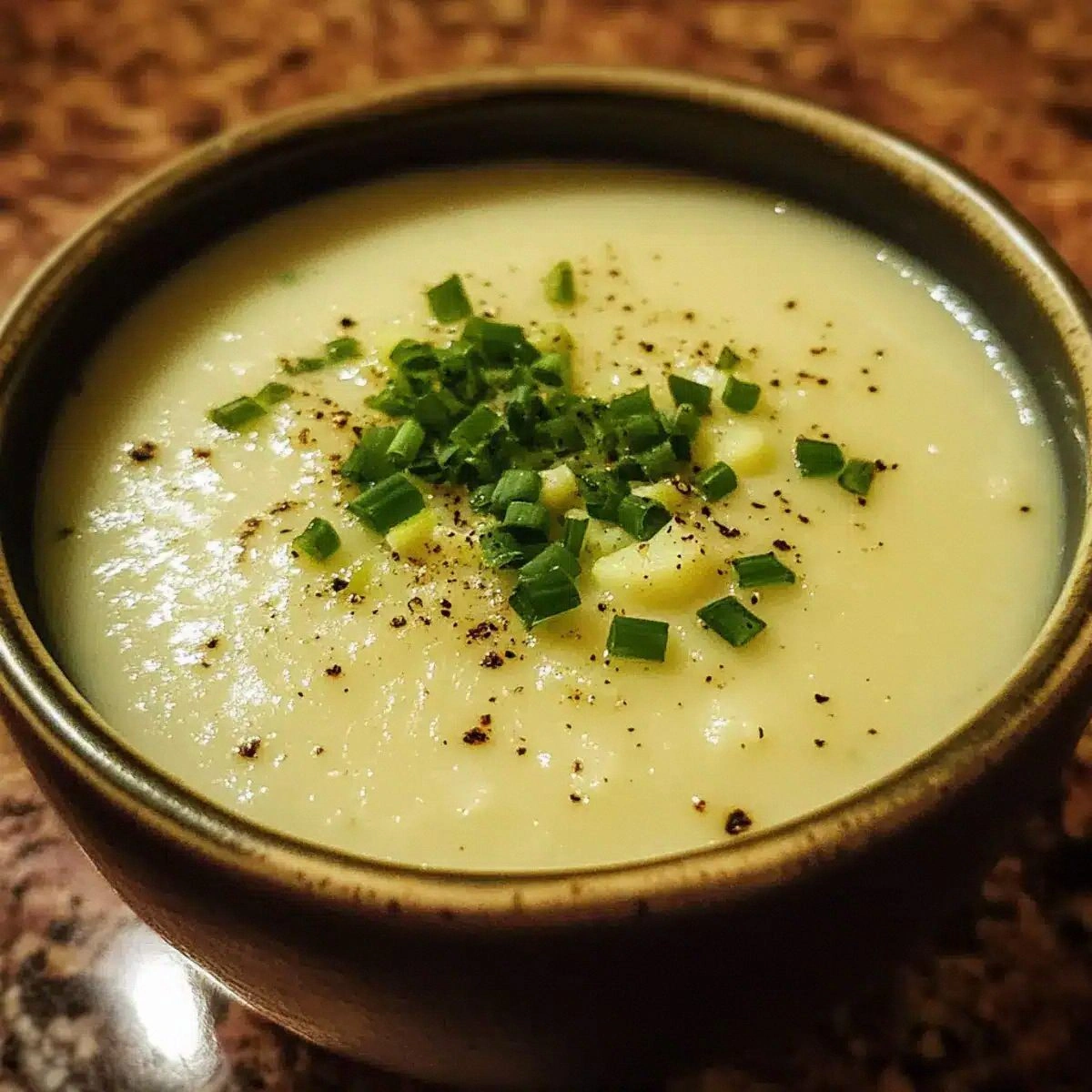
Picture this: a steaming bowl of velvety soup, its surface glistening with a glossy sheen of cream, flecked with tender florets and thin, translucent slices of leek that melt into the broth like butter. The aroma is a gentle, earthy whisper of cauliflower mingled with the sweet, mild tang of leeks, punctuated by a subtle garlic kick. The first spoonful warms you from the inside out, while the final bite leaves a lingering, comforting aftertaste that invites a second helping. I dare you to taste this and not go back for seconds—once you try it, you’ll never settle for a bland, overcooked version again.
What makes this version stand out is the meticulous balance of flavors and textures. I’ve perfected the technique to keep the cauliflower tender yet firm, the leeks silky soft, and the soup’s body silky without being heavy. The key is the gentle sauté of leeks in butter, the slow simmer of cauliflower in broth, and the final flourish of cream that coats the bowl like velvet. It’s a dish that feels like a warm blanket on a chilly evening, but with a sophisticated edge that makes it feel like a restaurant‑quality creation.
And here’s a teaser: the secret to that silky finish isn’t just the cream—it’s a small, often overlooked step that transforms the entire soup. Stay with me, and you’ll learn how to turn a simple vegetable medley into a luxurious, crowd‑pleasing masterpiece. Let me walk you through every single step—by the end, you’ll wonder how you ever made it any other way.
What Makes This Version Stand Out
- Flavor Depth: The combination of cauliflower and leeks creates a subtle, almost buttery flavor profile that feels both comforting and refined. The gentle sauté of leeks releases their natural sweetness, while the cauliflower adds a mild earthiness that grounds the dish.
- Texture Balance: Each bite delivers a satisfying contrast—crisp, tender florets, silky leek strands, and a smooth, creamy body that coats the palate without cloying.
- Simple Method: No complicated steps, no exotic ingredients—just a few staples and a quick, methodical approach that anyone can master in under an hour.
- Versatility: Works as a light lunch, a hearty dinner starter, or a comforting side. Swap the cream for coconut milk or a plant‑based alternative for a vegan version.
- Make‑Ahead Friendly: The soup keeps well in the fridge for up to 3 days and freezes beautifully, making it an ideal week‑night meal.
- Crowd‑Pleaser: Friends and family always ask for the recipe after the first taste—this soup is the ultimate conversation starter at any gathering.
- Ingredient Quality: Fresh, seasonal produce is the backbone of this dish. The better the cauliflower and leeks, the richer the flavor.
- Time Efficiency: With a prep time of just 15 minutes and a cook time of 30 minutes, you’re ready to eat in 45 minutes—perfect for a busy weekday.
Alright, let's break down exactly what goes into this masterpiece…
Inside the Ingredient List
The Flavor Base
The foundation of this soup starts with the humble leeks. Leeks have a milder, sweeter flavor than onions, and when sautéed gently in butter or olive oil, they release a subtle caramelized note that anchors the dish. Skipping leeks would leave the soup feeling flat and unbalanced; the absence of their delicate sweetness would make the cauliflower’s flavor too pronounced and a little raw. For a vegan version, swap butter for a neutral oil, and consider adding a splash of white wine to deepen the flavor.
The Texture Crew
Cauliflower is the star of the show, but it’s more than just a filler. Its firm yet tender florets hold their shape through cooking, providing a satisfying bite that contrasts with the soft leeks. If you prefer a creamier texture, pulse the cauliflower after simmering for a few minutes. The key is to keep the florets intact—over‑blending turns them into mush and dilutes the body of the soup.
The Unexpected Star
Garlic is the unsung hero that adds depth without overpowering. Two cloves are enough to infuse the broth with a warm, aromatic quality. If you’re sensitive to garlic, reduce to one clove or use garlic powder sparingly. Garlic’s role is to bridge the earthy cauliflower and the sweet leeks into a harmonious whole.
The Final Flourish
Heavy cream or coconut milk is the crowning touch that gives the soup its silky finish. The choice between dairy or plant‑based milk changes the flavor profile subtly: dairy offers a richer, more luxurious mouthfeel, while coconut milk introduces a faint tropical note that complements the mildness of the vegetables. Adding fresh thyme or parsley right before serving brings a fresh, herbal brightness that cuts through the richness.
Everything's prepped? Good. Let's get into the real action…
The Method — Step by Step
- Clean and Slice the Leeks: Rinse the leeks under cold water, trimming the roots and dark green tops. Slice them into thin rounds about 1/4 inch thick. The thinness ensures they soften quickly and release their sweet flavor. If you’re short on time, use pre‑sliced leeks from the grocery store.
- Prepare the Cauliflower: Separate the florets from the stem, then cut each floret into bite‑size pieces. The uniform size ensures even cooking. If you prefer a smoother soup, reserve a few florets for garnish.
- Sauté the Leeks: In a large pot, melt 2 tablespoons of butter or heat olive oil over medium heat. Add the sliced leeks, seasoning lightly with salt and pepper. Cook for 4–5 minutes, stirring occasionally, until the leeks soften and start to brown slightly. The sizzle that hits the pan? Absolute perfection.
- Add Garlic: Toss in the minced garlic, cooking for another 30 seconds until fragrant. Watch out: garlic burns quickly; keep the heat moderate to avoid bitterness.
- Introduce the Cauliflower: Stir in the cauliflower florets, coating them with the leeks and garlic mixture. Cook for 2 minutes, letting the veggies mingle and start to soften.
- Pour in Broth: Add 4 cups of vegetable broth, bringing the mixture to a gentle simmer. Cover the pot and let it cook for 15 minutes, or until the cauliflower is tender but still holds a slight bite. The broth should thicken slightly, indicating the cauliflower is releasing its starch.
- Blend the Base: Remove the pot from heat. Use an immersion blender to puree the soup directly in the pot until it’s silky smooth. If you don’t have an immersion blender, transfer half of the soup to a countertop blender, blend, then return it to the pot.
- Add Cream or Coconut Milk: Stir in 1 cup of heavy cream or coconut milk, warming the soup gently over low heat. This step is the moment of truth—watch as the soup turns a luminous, glossy hue. Keep the heat low to avoid curdling.
- Finish with Herbs: Sprinkle fresh thyme or parsley over the soup, adding a burst of color and freshness. Taste and adjust seasoning with salt and pepper, if needed.
- Serve with Croutons or Toasted Nuts: Just before serving, add a handful of crunchy croutons or toasted nuts for texture contrast. The crunch adds a delightful bite that balances the silky soup.
That’s it — you did it. But hold on, I've got a few more tricks that'll take this to another level…
Insider Tricks for Flawless Results
The Temperature Rule Nobody Follows
Many people cook cauliflower soups at a high simmer, which can lead to a watery, overcooked texture. The trick is to maintain a gentle, steady simmer. Keep the heat at medium‑low after adding the broth, and cover the pot to trap steam. This slow, steady approach preserves the cauliflower’s structure and creates a naturally thickened broth.
Why Your Nose Knows Best
Before you even taste the soup, let your nose guide you. A subtle, caramelized aroma of leeks and butter signals that the base is perfectly developed. If the smell is sharp or raw, give it a few more minutes to sauté.
The 5‑Minute Rest That Changes Everything
After blending, let the soup rest for five minutes before adding the cream. This pause allows the flavors to meld and the heat to even out, preventing the cream from curdling when it hits the hot base. It’s a small step that makes a huge difference.
The Fresh Herb Finale
Adding herbs just before serving preserves their bright flavor. If you add them too early, the heat will wilt them and reduce their punch. A sprinkle of thyme or parsley at the end brings a fresh, green note that cuts through the richness.
The Crumbly Crunch
Incorporating toasted nuts or croutons right before serving adds a satisfying crunch. The contrast between the smooth soup and the crunchy topping creates a multi‑sensory experience that elevates the dish from simple to extraordinary.
Creative Twists and Variations
This recipe is a playground. Here are some of my favorite ways to switch things up:
Spicy Sriracha Kick
Add a teaspoon of sriracha or a pinch of red pepper flakes during the sauté stage for a subtle heat that pairs beautifully with the mild vegetables. It’s a quick way to add a punch without overwhelming the flavor.
Coconut Curry Fusion
Replace the vegetable broth with coconut milk and add a tablespoon of curry powder or a pinch of turmeric. This creates a warm, exotic version that feels like a comforting bowl of Indian-inspired comfort.
Smoky Chipotle Twist
Stir in a tablespoon of chipotle in adobo sauce for a smoky, slightly sweet flavor. The smokiness pairs nicely with the earthy cauliflower and the sweet leeks.
Herb‑Infused Vinaigrette Drizzle
Whisk together olive oil, lemon juice, chopped fresh herbs, and a pinch of salt. Drizzle this vinaigrette over the soup just before serving for a bright, zesty finish.
Roasted Garlic Variation
Roast whole garlic cloves at 400°F for 30 minutes, then squeeze the softened garlic into the soup. The roasted garlic adds a deep, nutty sweetness that elevates the overall flavor profile.
Nutty Parmesan Crunch
Top the soup with grated Parmesan and toasted pine nuts for a savory, nutty crunch. The cheese adds depth, while the pine nuts provide a pleasant bite.
Storing and Bringing It Back to Life
Fridge Storage
Cool the soup completely before transferring it to a sealed container. Store in the refrigerator for up to 3 days. The flavors deepen as the soup sits, making it even more delicious the next day.
Freezer Friendly
Divide the soup into freezer‑safe portions and store for up to 2 months. Thaw overnight in the refrigerator before reheating. If you used dairy cream, the soup may separate slightly; give it a good stir before serving.
Best Reheating Method
Reheat the soup gently over low heat, stirring frequently. Add a splash of water or broth if the soup appears too thick. This steaming trick restores the silky texture and ensures a smooth, cohesive consistency.