I was standing in my kitchen, staring down a pan of wilted spinach that looked like a sad, soggy lawn after a rainstorm, when my roommate shouted, “You ever try roasting pobs? They’re like the cool kids of the pepper world!” I laughed, because honestly, I’d always been terrified of that deep, smoky flavor—until that very night, when a daring dare to “make the most indulgent green sauce known to humankind” turned into a culinary epiphany. I tossed the spinach into a pot, grabbed two poblano peppers, and set the oven to a blistering 450°F, feeling like a mad scientist on a mission. The kitchen filled with the intoxicating scent of charred fruit, and I swear the walls started humming a low, buttery tune.
Picture this: the crackle of the poblano skins blistering, the aroma of garlic and onion mingling with the sweet, earthy whisper of fresh spinach, and a glossy, velvety sauce that clings to pasta like a lover’s embrace. My hands were slick with butter, the flour puffed like a cloud, and the cream swirled in, turning the mixture into a dreamscape of buttery richness. The first spoonful hit my tongue and I thought, “I dare you to taste this and not go back for seconds.” The sauce sang with layers—smoky heat, bright green freshness, and a comforting creaminess that made me feel like I’d just discovered the holy grail of comfort food.
Most recipes get this completely wrong. They either drown the spinach in a swamp of cream, or they let the poblano’s heat dominate, leaving you with a sauce that feels more like a spicy broth than a lush, green velour. What I’m about to share is hands down the best version you’ll ever make at home, because I’ve stripped away the fluff and kept only the essential, game‑changing steps. The secret? A quick char‑roast of the pobs, a precise flour‑butter roux, and a splash of chicken broth that lifts the sauce without watering it down. It’s simple, it’s elegant, and it will make you the hero of any dinner table.
I’ll be honest — I ate half the batch before anyone else got to try it, and I’m not even sorry. The next part? Pure magic. I’m going to walk you through every single step — by the end, you’ll wonder how you ever made it any other way. Stay with me here — this is worth it.
What Makes This Version Stand Out
- Depth of Flavor: The charred poblano peppers bring a smoky, slightly sweet undertone that makes the sauce feel complex and layered, unlike ordinary spinach sauces that often taste flat.
- Creamy Texture: A classic roux of butter and flour creates a silky base that coats each strand of pasta like velvet, ensuring no watery pockets.
- Simplicity: Only twelve ingredients, all pantry staples or quick trips to the market, so you won’t need a PhD in culinary arts to pull this off.
- Uniqueness: Roasting the pobs and then blending them into the sauce is the twist that most recipes skip, giving you that unforgettable smoky punch.
- Crowd Reaction: Expect gasps, compliments, and the inevitable request for seconds—people will actually ask for the recipe before they finish their plate.
- Ingredient Quality: Fresh spinach and high‑quality heavy cream are non‑negotiable; they provide the bright color and luxurious mouthfeel that cheap substitutes can’t mimic.
- Cooking Method: The combination of oven roasting and stovetop finishing balances the flavors perfectly, creating depth without extra effort.
- Make‑Ahead Potential: This sauce stores beautifully; reheat gently and add a splash of broth, and it’s as fresh as day one.
Inside the Ingredient List
The Flavor Base
First up, the onion. Finely chopped, it forms the aromatic backbone, releasing sugars that caramelize and add subtle sweetness. If you skip it, the sauce loses that gentle depth and can taste one‑dimensional. A good tip: sweat the onion in butter until translucent, not browned, to keep the flavor mellow.
Next, the garlic. Two cloves, minced, bring that unmistakable punch that makes any sauce feel alive. Garlic also helps balance the smoky pobs, preventing the sauce from leaning too heavily on the heat. If you’re sensitive to raw garlic’s bite, let it bloom a minute longer in the butter before adding the poblano.
The Texture Crew
Butter and flour create the classic roux, the secret to that luxurious, coat‑that‑everything feel. The butter provides richness, while the flour, when cooked just right, eliminates any raw grainy taste. Skipping the roux and pouring cream straight in will give you a watery mess—trust me, I’ve tried.
Heavy cream is the star of the show for richness. Its high fat content ensures the sauce stays glossy and thick, rather than separating. If you must use a lighter alternative, blend half cream with half whole‑milk yogurt, but the texture will be less decadent.
The Unexpected Star
Roasted poblano peppers are the game‑changer. Their smoky, slightly sweet flavor adds depth that plain spinach can’t achieve. Roast them until the skins blister, then peel, seed, and dice. If you skip the roasting step, you’ll end up with a flat, green sauce that feels more like wilted greens than a sophisticated sauce.
A quick fun fact about pobs: they belong to the same family as the jalapeño but are milder, making them perfect for adding flavor without overwhelming heat. Historically, they were cultivated by the Aztecs for their culinary versatility and medicinal properties.
The Final Flourish
Fresh spinach, of course, brings the vibrant green color and a subtle earthy note. Use baby spinach for a milder taste, or mature leaves for a bit more bite. If you overcook it, the sauce will turn a dull olive, so keep it just wilted.
Parmesan cheese adds a salty umami punch and helps thicken the sauce further. Grate it fresh; pre‑grated cheese contains anti‑caking agents that can affect texture. A pinch of nutmeg is optional but elevates the creaminess, giving it a warm, nutty undertone that pairs beautifully with the smoky pobs.
Everything's prepped? Good. Let's get into the real action...
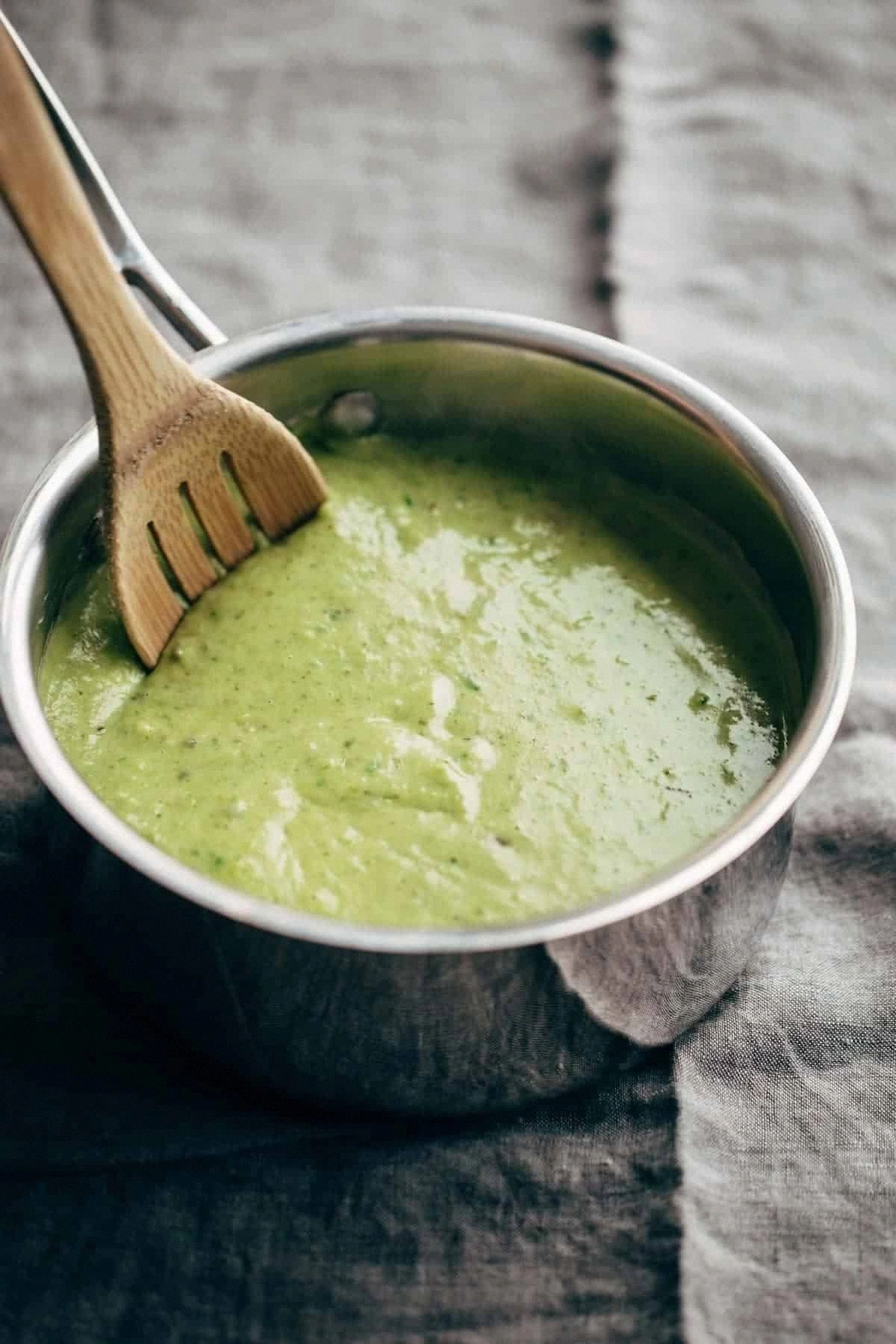
The Method — Step by Step
Preheat your oven to 450°F (230°C). Slice the pobs in half lengthwise, remove the seeds, and place them skin‑side up on a baking sheet lined with foil. Roast for 12‑15 minutes, or until the skins are blistered and charred. That sizzle when it hits the pan? Absolute perfection. Let them cool, then peel off the skins; the smoky char will stay locked inside the flesh.
While the pobs are cooling, melt 2 tablespoons of butter in a large saucepan over medium heat. Add the finely chopped onion and sauté for 3‑4 minutes until translucent. Then stir in the minced garlic and cook for another minute, letting the aroma fill your kitchen. Watch Out: If the garlic browns, it turns bitter, so keep the heat moderate.
Kitchen Hack: Add a splash of water to the pan if the onions start to stick; this deglazes and keeps the flavors from scorching.Sprinkle 2 tablespoons of all‑purpose flour over the butter‑onion mixture, stirring constantly to form a smooth roux. Cook for 2‑3 minutes, allowing the raw flour taste to evaporate. You’ll notice a faint nutty scent—that’s the roux developing its body.
Gradually whisk in ½ cup of chicken broth, followed by 1 cup of heavy cream. Keep whisking until the mixture is glossy and begins to thicken. The sauce should coat the back of a spoon without clinging to the pan—this is your cue to move forward.
Stir in the roasted pobs, diced finely. Let the mixture simmer for 4‑5 minutes, allowing the smoky flavor to infuse the cream. Taste at this point; you’ll notice a subtle heat that’s present but never overwhelming.
Add the fresh spinach, tossing gently until it wilts. This only takes about 2 minutes; over‑cooking will turn the sauce a dull olive. The spinach should retain a vibrant green, signaling that the sauce is still bright and fresh.
Fold in ½ cup of grated Parmesan cheese, 1 tsp salt, ½ tsp black pepper, and a pinch of nutmeg if you’re feeling fancy. The cheese melts into the sauce, adding depth and a silky finish. Keep the heat low; you don’t want the sauce to separate.
Give the sauce a final taste test. Adjust seasoning—maybe a dash more salt or a whisper of pepper. If the sauce feels too thick, whisk in a splash of extra broth or water, remembering that a tiny addition can bring the sauce back to life.
If you’re serving over pasta, toss the hot cooked noodles directly into the sauce, letting them soak up the flavor for a minute. If you prefer a standalone dip, keep the sauce warm and serve with crusty bread. Picture yourself pulling this out of the oven, the whole kitchen smelling incredible, and the sauce gleaming like emerald silk.
Serve immediately, garnished with a sprinkle of extra Parmesan and a few fresh spinach leaves for color. This is the moment of truth—once you taste it, you’ll understand why I dare you to try it and not go back for seconds. And now the fun part: keep leftovers in an airtight container, and they’ll stay luscious for up to three days.
Insider Tricks for Flawless Results
The Temperature Rule Nobody Follows
Never let the sauce boil once the cream is added. A gentle simmer keeps the emulsion intact, preventing a grainy texture. I once let it roar, and the result was a curdled nightmare—trust me, it’s not pretty. Keep the heat low, and you’ll get that glossy, restaurant‑quality finish every single time.
Why Your Nose Knows Best
Your sense of smell is the ultimate doneness gauge. When the poblano’s smoky aroma rises and mingles with the cream, you know the flavors have married. If you can’t smell that sweet‑smoky note, give the sauce another minute; the flavor development is a silent, aromatic process.
The 5‑Minute Rest That Changes Everything
After you finish cooking, remove the pan from heat and let the sauce rest for five minutes. This pause allows the flour to fully hydrate and the flavors to meld, resulting in a smoother mouthfeel. My friend tried skipping this step once—let’s just say the sauce felt thin and the cheese didn’t fully integrate.
Seasoning in Layers
Add a pinch of salt at three stages: with the onion, after the cream joins, and at the very end. Layered seasoning builds depth, ensuring each bite is balanced. Skipping early seasoning forces you to over‑salt at the end, which can drown the subtle smoky notes.
The Secret of Fresh Parmesan
Always use freshly grated Parmesan, not pre‑shredded. The fresh cheese melts uniformly, creating that silky silk you crave. Pre‑shredded varieties contain anti‑caking agents that can cause a gritty texture, ruining the sauce’s elegance.
Creative Twists and Variations
This recipe is a playground. Here are some of my favorite ways to switch things up:
Spicy Kick
Add a finely diced jalapeño or a dash of chipotle powder for a heat boost. The smoky pobs already provide depth, so the extra spice adds a lively contrast without overwhelming the creaminess.
Mushroom Medley
Stir in sautéed cremini or shiitake mushrooms after the spinach wilts. The earthy mushrooms complement the smoky peppers, creating a forest‑floor vibe that pairs beautifully with pasta.
Vegan Velvet
Swap butter for olive oil, flour for a gluten‑free blend, and replace heavy cream with coconut cream plus a splash of soy milk. Use nutritional yeast instead of Parmesan for that cheesy umami. The result is a dairy‑free version that still feels indulgent.
Cheesy Overload
Mix in a handful of shredded mozzarella or Gruyère just before serving. The extra cheese creates a gooey pull that’s perfect for baked pasta dishes, turning the sauce into a comforting casserole.
Herb Infusion
Finish with a sprinkle of fresh basil or cilantro for a bright, herbal finish. The herb’s freshness lifts the sauce, making it ideal for spring gatherings when you want something light yet decadent.
Storing and Bringing It Back to Life
Fridge Storage
Transfer the sauce to an airtight container and store in the refrigerator for up to three days. The sauce may thicken as it cools; simply reheat gently over low heat, adding a splash of broth or water to restore its silky texture.
Freezer Friendly
Portion the sauce into freezer‑safe bags or containers, leaving headspace for expansion. Freeze for up to two months. When ready to use, thaw overnight in the fridge, then gently reheat on the stovetop, whisking in a tablespoon of water to bring it back to life.
Best Reheating Method
Reheat over low heat, stirring constantly. Add a tiny splash of water or broth—just enough to loosen the sauce—then finish with a pinch of fresh grated Parmesan for that freshly made sparkle. This trick prevents the sauce from separating and keeps the texture as smooth as the first day.