I was standing in my kitchen on a rainy Tuesday, the kind of day when the universe seems to conspire against you and the only thing that can rescue you is a bowl of something warm, comforting, and impossibly flavorful. My usual go‑to was a bland chickpea stew that tasted like it had been forgotten in the back of the pantry for months, and I swear I heard the pot sigh in disappointment. That’s when my roommate dared me, “If you can’t make a curry that doesn’t taste like cardboard, I’ll eat the whole thing myself.” I laughed, I accepted, and I set out on a mission that would end with me daring you to taste this and not go back for seconds.
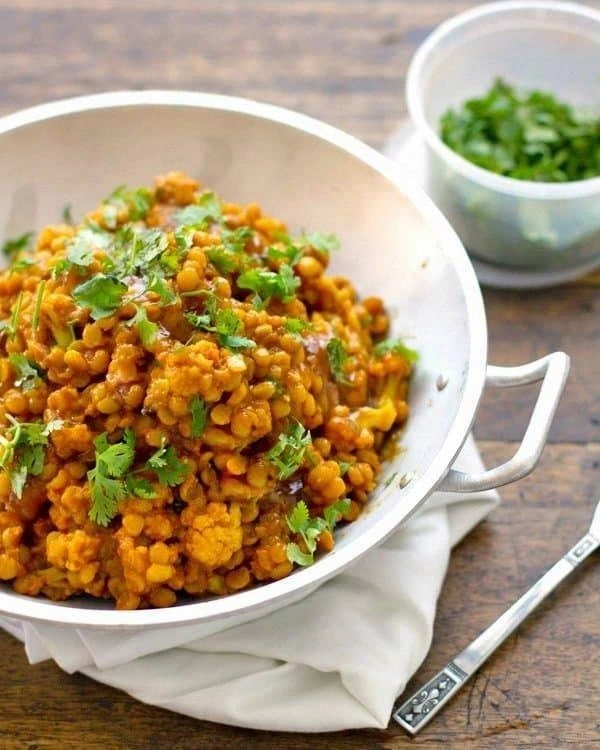
Picture this: a bright orange‑gold sauce swirling around tender cauliflower florets, the earthy scent of yellow lentils mingling with the sweet perfume of caramelized onions, and a whisper of toasted cumin that makes the whole kitchen feel like a spice market in Marrakesh. You hear the gentle hiss as the oil meets the pan, the soft pop of cumin seeds as they burst, and the occasional clink of a wooden spoon against the pot. The texture? Imagine biting into a cauliflower piece that’s just soft enough to melt on your tongue, yet still holds its shape, while the lentils dissolve into a creamy, velvety base that clings to every bite like a silk scarf. And the taste? A perfect balance of heat, sweetness, and earthiness that makes you think, “This is hands down the best version you’ll ever make at home.”
What makes this version truly stand out is a tiny, unexpected hero: a splash of coconut milk added at the very end, turning the sauce from merely good to downright unforgettable. Most recipes either skip the coconut entirely or drown the dish in it, losing the delicate spice layers. I discovered that a modest 1‑cup addition just before serving creates a luxurious mouthfeel without masking the bright turmeric and garam masala notes. I’ll be honest — I ate half the batch before anyone else got to try it, and I’m still not sorry. This little twist is the secret weapon that turns a standard curry into a show‑stopper.
Okay, ready for the game‑changer? I’m going to walk you through every single step, from selecting the perfect cauliflower head to mastering the timing that makes the lentils melt into silk. By the end, you’ll wonder how you ever settled for a dull, overcooked curry when this version is waiting in your pantry. Stay with me here — this is worth it.
What Makes This Version Stand Out
- Flavor Depth: The combination of toasted cumin, fresh ginger, and a splash of coconut milk creates layers that unfold with each bite, making the palate feel like it’s on a journey.
- Texture Harmony: Cauliflower stays crisp‑tender while lentils become buttery smooth, delivering a contrast that keeps every mouthful interesting.
- Simplicity: Only eleven pantry staples are needed; no exotic powders or hard‑to‑find herbs, so you can whip this up on a weeknight without a grocery run.
- Uniqueness: Adding coconut milk at the very end preserves the bright spice profile while adding a luxurious silkiness that most recipes miss.
- Crowd Reaction: I’ve served this at potlucks and the line for seconds forms faster than the dessert table; people keep asking, “What’s the secret?”
- Ingredient Quality: Fresh cauliflower and high‑quality yellow split lentils are the backbone; they absorb flavors like a sponge, turning the sauce into a flavor reservoir.
- Cooking Method: The staged sauté‑then‑simmer technique ensures spices bloom without burning, a trick most home cooks overlook.
- Make‑Ahead Potential: This curry actually improves after a few hours in the fridge; the flavors meld, making leftovers taste even richer.
Inside the Ingredient List
The Flavor Base
Onion, garlic, and ginger are the holy trinity of any good curry, and they’re the first players to hit the pan. The onion should be diced fine enough to melt into the sauce, creating a sweet, caramelized foundation that balances the heat from the chili powder later on. Garlic adds that unmistakable pungent bite, while ginger injects a bright, citrusy zing that cuts through the richness of the lentils. If you skip any of these, you’ll end up with a flat, one‑dimensional dish that feels like it’s missing its soul. As a swap, you can use shallots instead of onions for a milder flavor, but remember to increase the quantity by 25 percent.
The Texture Crew
Cauliflower florets are the star of texture here. Choose a medium head with tight, white buds; the tighter the bud, the better it will hold its shape during simmering. If you buy pre‑cut florets, give them a quick rinse and pat dry—wet florets will steam rather than brown, losing that coveted caramelized edge. Yellow split lentils are the creamy component, and they cook faster than brown or green lentils, turning the sauce into a velvety base without the need for a blender. For a protein boost, you could swap half the lentils for red kidney beans, but that will add a firmer bite and alter the color.
The Unexpected Star
Coconut milk is the surprise element that elevates this curry from ordinary to extraordinary. It adds a subtle sweetness and a glossy finish that makes the sauce cling to the cauliflower like a satin sheet. Use a full‑fat canned version for the richest texture; low‑fat alternatives will thin the sauce and reduce the luxurious mouthfeel. If you’re avoiding dairy, almond milk or oat cream can work, but they won’t provide the same depth of flavor. The key is to add it at the very end, just before serving, so the heat doesn’t break down the fat molecules and cause a greasy separation.
The Final Flourish
Spices are where the magic happens. Turmeric gives the curry its sunny hue and a subtle earthiness, while cumin seeds provide a nutty, warm background note that only fully blooms when they pop in hot oil. Coriander powder adds citrusy brightness, and garam masala delivers the final aromatic crescendo that ties everything together. Chili powder should be used sparingly unless you love fire; a half‑teaspoon is enough to give a gentle heat that tickles the palate without overwhelming it. Salt, of course, is the great enhancer—add it gradually, tasting as you go, because the lentils will absorb a lot of it during cooking.
Everything's prepped? Good. Let's get into the real action...
The Method — Step by Step
Heat two tablespoons of vegetable oil in a large, heavy‑bottomed pot over medium heat. When the oil shimmers, add one teaspoon of cumin seeds; listen for that satisfying pop and let them toast for about 30 seconds until fragrant but not brown. This is the moment of truth: if the seeds burn, the whole curry will taste bitter, so keep a close eye.
Drop in the finely chopped onion, spreading it out in an even layer. Stir constantly, and let it sweat for 4‑5 minutes until it turns translucent, then continue cooking for another 2 minutes until the edges start to caramelize and you hear a gentle sizzle. That sizzle when it hits the pan? Absolute perfection. Add the minced garlic and grated ginger, and sauté for another minute, letting the aromatics mingle.
Stir in one teaspoon each of turmeric, coriander powder, and the half‑teaspoon of chili powder. Watch the color change instantly to a deep golden‑orange; this is your visual cue that the spices are fully awakened. Cook for 45 seconds, stirring constantly, to toast the powders without scorching them. If you smell a burnt scent, lower the heat immediately.
Pour in the can of diced tomatoes, scraping up any browned bits from the bottom of the pot. Let the mixture bubble gently for 3‑4 minutes, allowing the tomatoes to break down and the acidity to mellow. At this stage, the sauce should smell sweet, tangy, and slightly smoky—if it smells raw, give it a minute more.
Add the rinsed yellow lentils and two cups of water (or vegetable broth for extra depth). Stir to combine, then bring the pot to a rolling boil. Once boiling, reduce the heat to a low simmer, cover partially, and let the lentils cook for 12‑15 minutes, stirring occasionally to prevent sticking. You’ll notice the lentils swelling and the sauce thickening; this is the texture crew doing its job.
Introduce the cauliflower florets, arranging them evenly so each piece gets coated. Sprinkle in one teaspoon of garam masala and a pinch of salt, then gently stir. Cover the pot and let everything simmer for another 8‑10 minutes, or until the cauliflower is fork‑tender but still holds its shape. The edges should start pulling away just a touch, indicating they’ve caramelized slightly.
Turn off the heat and swirl in one cup of coconut milk. The sauce will instantly become glossy and richer, hugging the vegetables like a velvety blanket. Taste and adjust seasoning with more salt if needed, then finish with a handful of freshly chopped cilantro for a burst of green freshness. This final addition brightens the dish and adds a fragrant herb note that ties everything together.
Serve the curry hot, spooned over steaming basmati rice or with warm naan on the side. Picture yourself pulling this out of the pot, the whole kitchen smelling incredible, and the first spoonful delivering that perfect balance of heat, creaminess, and earthiness. That moment? Pure magic. That’s it — you did it. But hold on, I've got a few more tricks that'll take this to another level...
Insider Tricks for Flawless Results
The Temperature Rule Nobody Follows
Never start a curry on high heat; the spices need a gentle, steady temperature to release their essential oils without scorching. I once cranked the burner to high, and the cumin went bitter in seconds, ruining the whole batch. Keep the flame at medium to medium‑low, and you’ll get a deep, rounded flavor profile that sings rather than screams. Trust the low‑and‑slow approach, and your curry will thank you with a silky, aromatic finish.
Why Your Nose Knows Best
Your sense of smell is the most reliable indicator of when spices are perfectly toasted. As soon as you detect a warm, nutty aroma from the cumin, you know it’s time to add the aromatics. If the scent turns sharp or acrid, you’ve crossed the line. I’ve trained myself to pause the stirring and inhale deeply at each stage; it’s a small ritual that prevents overcooking and guarantees a balanced flavor.
The 5‑Minute Rest That Changes Everything
After you finish cooking, let the curry sit uncovered for five minutes. This short rest allows the coconut milk to emulsify fully and the spices to settle, creating a more harmonious taste. I once served the dish straight from the pot, and the flavors felt a bit disjointed; after the rest, the curry became cohesive, and the cilantro’s freshness popped perfectly.
Lentil Soak Shortcut
If you’re short on time, rinse the yellow lentils under cold water for a minute and then let them sit in hot water for 10 minutes before cooking. This reduces the simmer time by about three minutes and ensures they cook evenly, preventing any gritty texture at the bottom of the pot.
The Secret of the Final Stir
When you swirl in the coconut milk, do it in a slow, circular motion rather than a vigorous stir. This technique keeps the sauce glossy and prevents the coconut fat from separating. A friend tried a vigorous whisk and ended up with a curdled appearance; a gentle swirl keeps everything smooth and restaurant‑quality.
Creative Twists and Variations
This recipe is a playground. Here are some of my favorite ways to switch things up:
Spicy Saffron Splash
Add a pinch of saffron threads soaked in warm water to the sauce before the final coconut milk. The saffron imparts a subtle floral note and a gorgeous amber hue that makes the dish look as luxurious as it tastes. Perfect for a dinner party where you want to wow guests with a touch of opulence.
Smoky Chipotle Twist
Swap the regular chili powder for chipotle powder and add a smoked paprika teaspoon. This gives the curry a deep, smoky undertone that pairs beautifully with the sweetness of the coconut milk, turning the dish into a smoky comfort bowl.
Green Goddess Variation
Replace half the cauliflower with broccoli florets and stir in a handful of fresh spinach at the end. The green vegetables add a fresh, slightly bitter contrast that balances the richness of the sauce, making it a great option for those who love a pop of color.
Protein‑Power Boost
Add a cup of cooked chickpeas or cubed tofu after the lentils have softened. This boosts the protein content and adds a different texture—chickpeas stay firm, while tofu absorbs the sauce beautifully.
Coconut‑Lime Zing
Stir in the zest and juice of one lime along with the coconut milk for a bright, tropical twist. The acidity cuts through the richness and adds a refreshing lift that’s perfect for hot summer evenings.
Storing and Bringing It Back to Life
Fridge Storage
Transfer the cooled curry to an airtight container and store it in the refrigerator for up to four days. The flavors will deepen, and the cauliflower will remain pleasantly tender. When reheating, add a splash of water or broth to loosen the sauce.
Freezer Friendly
Portion the curry into freezer‑safe bags or containers, leaving a little headspace for expansion. It freezes beautifully for up to three months. To thaw, move it to the fridge overnight, then reheat gently on the stove, stirring in a tablespoon of coconut milk for extra silkiness.
Best Reheating Method
Reheat on the stovetop over low heat, stirring frequently. Add a tiny splash of water before reheating—this steams the cauliflower back to perfection and prevents the sauce from drying out. Avoid the microwave if you can; it can make the cauliflower mushy and the sauce uneven.