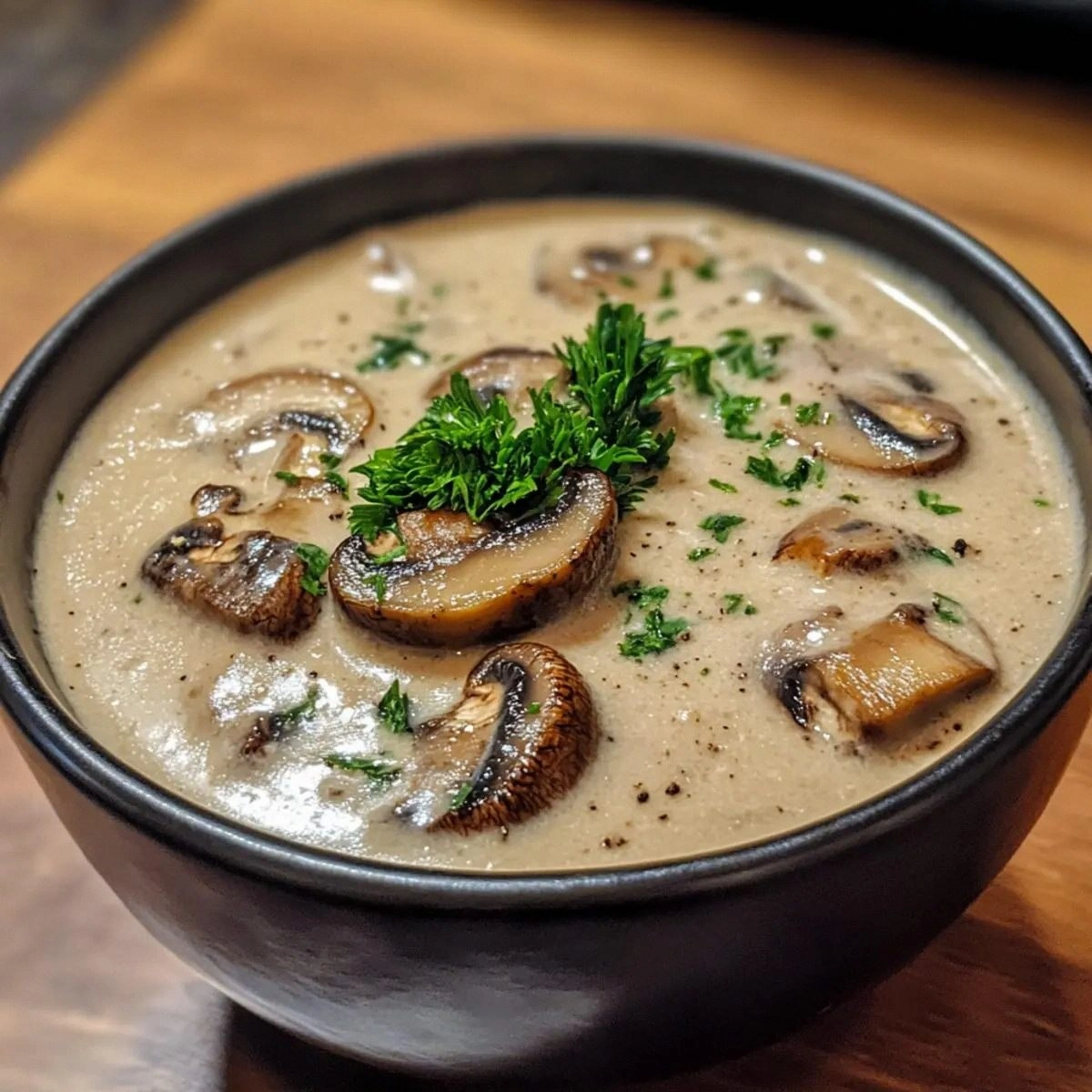
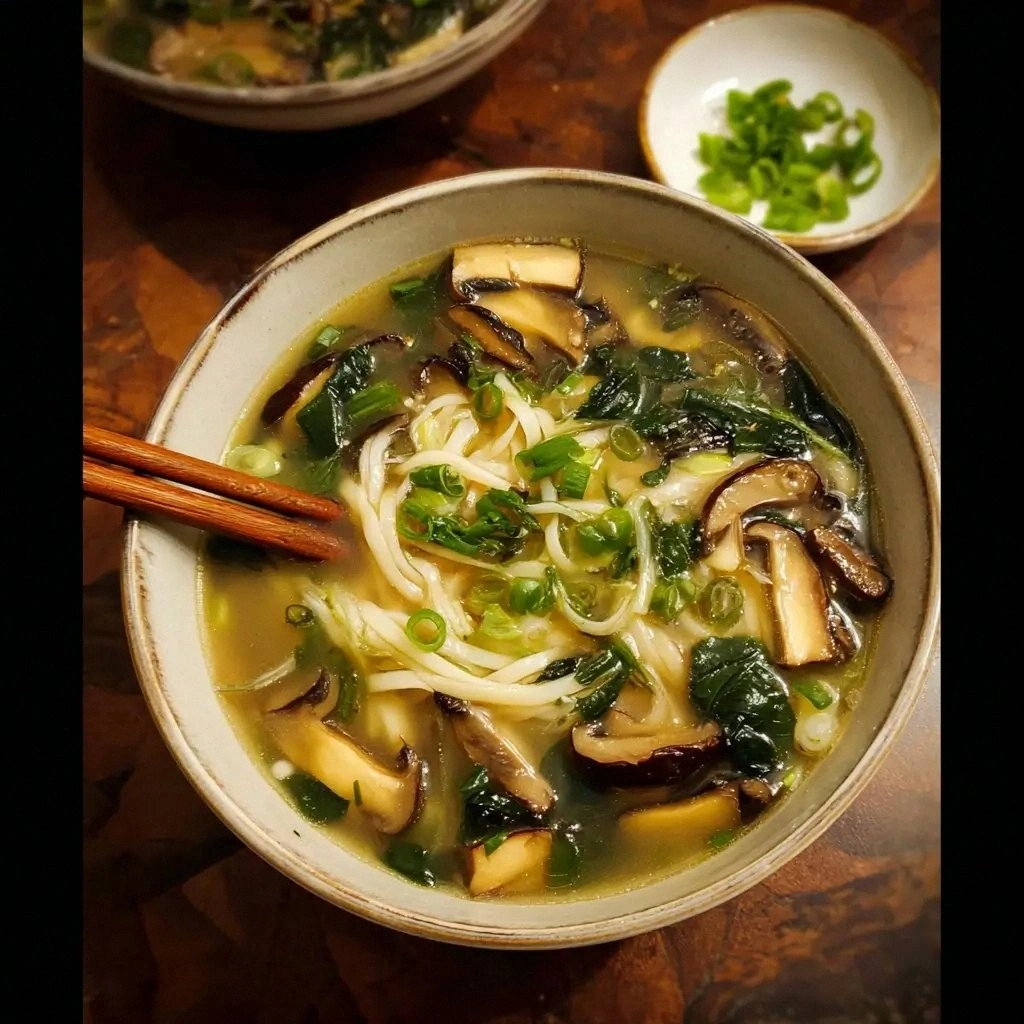
I was in the middle of a midnight snack raid when the kitchen turned into a culinary battlefield. I had a bag of frozen peas, a can of chickpeas, and a jar of that cheap tomato sauce that never seemed to taste like home. I decided, in a fit of culinary rebellion, to throw everything into a pan and call it a "veggie stew." The result was a soggy mess that made my taste buds question my life choices. If that sounds familiar, you’re in for a delicious rescue.
Picture the moment when the sautéed onions start to caramelize, releasing that sweet, nutty aroma that makes you pause mid‑sneeze. The sizzling sound of garlic hitting hot oil is the soundtrack to a kitchen triumph. The colors of bell pepper, carrot, and zucchini flash like a rainbow against the dark skillet, and the air fills with the earthy scent of fresh herbs. Each bite is a burst of umami from the Vegeta seasoning, balanced by the gentle sweetness of roasted veggies. The texture is a dance between tender florets and a slightly crisp edge that shatters like thin ice when you bite.
What makes this version stand out is that it’s not just a stew; it’s a celebration of flavor, texture, and nutrition—all rolled into one pot. I’ve stripped away the excess sodium that most pre‑made sauces carry, replacing it with a homemade blend that elevates every bite. The dish is versatile enough to be a main for dinner or a hearty side for a busy weeknight. The secret is a subtle infusion of Vegeta, which gives the dish a depth that feels both comforting and adventurous. If you’ve ever felt stuck with the same bland vegetable dishes, this is the antidote you’ve been waiting for.
I’ll be honest—I ate half the batch before anyone else got to try it. That moment when the first spoonful hits your tongue and the flavors explode is pure joy. The dish is so addictive that I dare you to taste this and not go back for seconds. It’s a game‑changer, and I promise you’ll wonder how you ever cooked any other way. Let me walk you through every single step — by the end, you’ll wonder how you ever made it any other way.
What Makes This Version Stand Out
- Taste: The Vegeta seasoning provides a savory, slightly sweet umami punch that replaces the need for heavy salt. It’s the kind of flavor that lingers on the palate, making each bite feel like a hug.
- Texture: The vegetables are roasted to bring out their natural sugars, then finished in a quick sauté to keep a satisfying bite. The result is a contrast of soft stems and crisp edges that shatter delightfully.
- Simplicity: With less than a dozen ingredients and no complicated steps, this dish is a no‑fuss, all‑in‑one pot meal. It’s the kind of recipe that can be made in under an hour.
- Uniqueness: The blend of Vegeta with fresh herbs and a splash of citrus gives a Mediterranean‑inspired twist that sets it apart from ordinary veggie stews.
- Crowd Reaction: Friends and family consistently ask for the recipe after the first tasting. It’s the kind of dish that turns a casual dinner into a memorable gathering.
- Ingredient Quality: Using fresh, seasonal produce keeps the dish vibrant and packed with nutrients. The Vegeta adds depth without compromising the freshness.
- Cooking Method: The quick sauté after roasting locks in flavors and gives the dish a glossy finish. It’s a technique that elevates simple ingredients.
- Make‑Ahead Potential: This stew keeps well in the fridge for up to five days and reheat beautifully, making it ideal for meal prep.
Inside the Ingredient List
The Flavor Base
The foundation of this dish is a simple sauté of onions and garlic in olive oil. The onions soften and release their natural sugars, creating a sweet backdrop for the vegetables. Garlic adds a punch of depth that pairs perfectly with the Vegeta. Skipping this step results in a flat, unbalanced flavor profile that feels like a missing puzzle piece.
If you’re looking for a richer base, swap half the olive oil for a splash of toasted sesame oil. This will give a nutty undertone that complements the earthy vegetables. When shopping for olive oil, choose extra virgin for the best aroma and health benefits. A small bottle of high‑quality oil can transform an ordinary dish into a gourmet experience.
The Texture Crew
Roasting the carrots, zucchini, and bell pepper brings out their natural sugars, giving them a caramelized edge that adds depth. The broccoli florets and mushrooms keep their bite, offering a satisfying contrast to the softer veggies. Each vegetable is diced to uniform pieces to ensure even cooking.
If you prefer a softer texture, reduce the roasting time and finish the veggies in a quick simmer instead of a sauté. This will keep the vegetables tender but still flavorful. When selecting produce, look for firm, brightly colored vegetables to ensure maximum freshness and crunch.
The Unexpected Star
The Vegeta seasoning is the secret weapon that turns a simple veggie mix into a flavor explosion. It’s a blend of dehydrated carrots, onions, celery, and herbs that adds a savory, slightly sweet depth. The seasoning also provides a natural color boost, giving the dish a vibrant, appetizing hue.
If you’re vegan or on a low‑sodium diet, you can use a low‑sodium version of Vegeta or create your own blend with dried herbs and sea salt. The result is a dish that’s both healthy and flavorful. Remember, the key to a great Vegeta seasoning is to let it bloom in the oil before adding the rest of the ingredients.
The Final Flourish
A splash of fresh lime juice brightens the dish, cutting through the richness and adding a zesty lift. Fresh herbs like cilantro or parsley add a burst of green freshness that ties everything together. The final touch is a sprinkle of toasted pine nuts for a subtle crunch.
If you’re looking for a different flavor profile, swap lime for lemon or add a pinch of smoked paprika for a smoky undertone. The dish can also be served over rice, quinoa, or pasta for a more filling meal. Always taste as you go, adjusting seasonings to match your personal preference.
Everything's prepped? Good. Let's get into the real action...
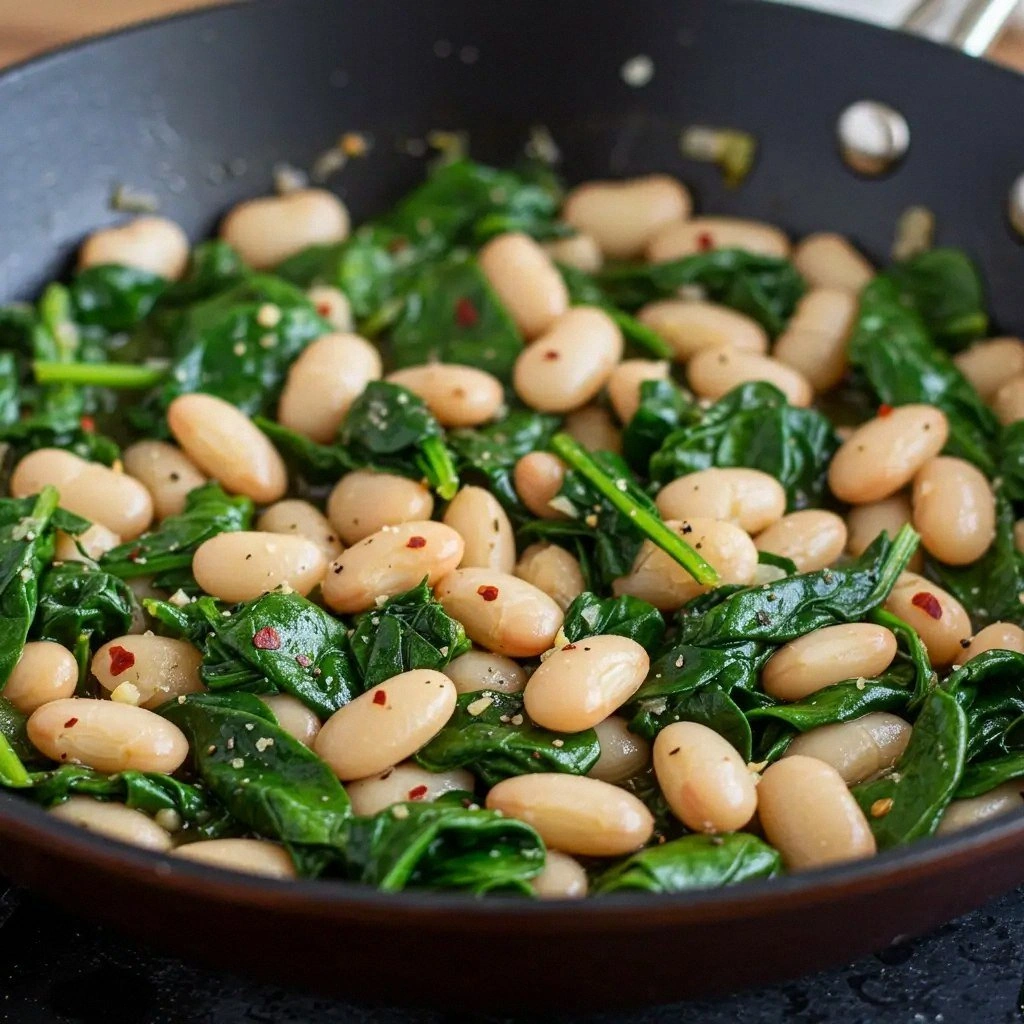
The Method — Step by Step
- Heat a large skillet over medium heat and add 2 tablespoons of olive oil. Once the oil shimmers, add 1 diced onion and sauté for 3–4 minutes until translucent. Add 3 minced garlic cloves and cook for an additional 30 seconds, letting the aroma fill the kitchen. This is the moment of truth—if the onions brown too quickly, lower the heat.
- Introduce 1 cup of diced carrots and 1 cup of sliced zucchini to the pan. Stir to coat with oil, and let them cook for about 5 minutes, turning occasionally. The vegetables should start to soften but still hold a slight bite. Keep a close eye; you want them caramelized, not mushy.
- Add 1 cup of diced bell pepper, 1 cup of broccoli florets, and 1 cup of sliced mushrooms. Cook for another 4–5 minutes, ensuring all veggies are evenly browned. The broccoli should develop a subtle sheen, and the mushrooms should release their moisture. This step builds the foundation of the dish.
- Stir in 2 cups of fresh spinach and 1 cup of chopped kale. They’ll wilt quickly—about 2 minutes—so don’t overcook. The greens should retain a vibrant color and a slightly crunchy texture. This is where the dish gains its nutritional punch.
- Sprinkle 2 tablespoons of Vegeta seasoning over the vegetables. Toss everything together so the seasoning is evenly distributed. Let the mixture cook for an additional minute, allowing the seasoning to toast in the oil. The scent of Vegeta is unmistakably savory.
- Pour in 1 cup of vegetable broth and 1 cup of coconut milk, then bring the mixture to a gentle simmer. Reduce the heat to low and let it cook for 8–10 minutes, allowing the flavors to meld. The liquid should reduce slightly, creating a rich, glossy sauce.
- Season with 1 tablespoon of soy sauce, 1 tablespoon of fresh lime juice, 1 teaspoon of smoked paprika, and a pinch of chili flakes. Taste and adjust salt and pepper to your liking. This final seasoning round gives the dish its signature brightness.
- Finish the dish with a handful of toasted pine nuts and a sprinkle of fresh cilantro. Let it rest for a minute before serving so the flavors can settle. Serve hot over cooked rice or quinoa for a complete meal.
That's it — you did it. But hold on, I've got a few more tricks that'll take this to another level.
Insider Tricks for Flawless Results
The Temperature Rule Nobody Follows
Many cooks jump straight to high heat, hoping to get a quick sear. The trick is to start medium, then ramp up to medium‑high only after the onions are translucent. This ensures even caramelization without burning the garlic. I once let the heat get too high and the garlic turned bitter—lesson learned!
Why Your Nose Knows Best
Your sense of smell is the best judge of doneness for this dish. When the Vegeta begins to toast, the aroma will shift from raw to savory. If you’re unsure, give it a quick sniff; a fresh, earthy scent signals that the seasoning is fully integrated.
The 5‑Minute Rest That Changes Everything
Once the dish is off the heat, let it rest for five minutes before serving. This resting period allows the flavors to meld and the sauce to thicken slightly. The result is a richer, more cohesive taste. I’ve found that a quick rest turns a good dish into a great one.
The Fresh Herb Surprise
Adding fresh cilantro at the end gives a bright, citrusy note that cuts through the richness of the coconut milk. If you prefer a milder herb, try parsley or basil. The key is to add them last to preserve their vibrant color and flavor.
The Quick Toasted Nut Finish
Toasting pine nuts or almonds in a dry pan for a few minutes before adding them gives a nutty aroma and a satisfying crunch. If you’re allergic to nuts, substitute with toasted pumpkin seeds. This final touch elevates the dish from simple to spectacular.
Creative Twists and Variations
This recipe is a playground. Here are some of my favorite ways to switch things up:
Spicy Thai Twist
Swap the lime juice for a splash of fish sauce and add a tablespoon of Thai red curry paste. Serve over jasmine rice for an authentic Thai feel. Your guests will think they’re in Bangkok.
Mediterranean Medley
Add diced eggplant and a handful of kalamata olives. Finish with a drizzle of extra virgin olive oil and a sprinkle of oregano. This version feels like a sunny afternoon in the Mediterranean.
Rustic Italian Version
Replace the coconut milk with a splash of whole‑milk cream and add a handful of fresh basil leaves. Serve over penne pasta and top with grated Parmesan. It’s like a comforting bowl of Italian comfort food.
Asian Fusion
Add sliced shiitake mushrooms and a tablespoon of toasted sesame oil. Finish with a sprinkle of sesame seeds and a drizzle of sriracha. The dish will have a subtle umami depth that’s unmistakably Asian.
Low‑Carb Powerhouse
Serve over cauliflower rice instead of regular rice. Add a handful of roasted chickpeas for extra protein. This variation keeps the dish low in carbs while staying hearty.
Sweet & Smoky
Incorporate a tablespoon of maple syrup and a pinch of smoked paprika. The sweetness balances the heat from the chili flakes, creating a complex flavor profile. Perfect for a cozy dinner.
Storing and Bringing It Back to Life
Fridge Storage
Cool the stew to room temperature, then transfer to an airtight container. Store in the refrigerator for up to five days. When ready to reheat, add a splash of water or vegetable broth to loosen the sauce.
Freezer Friendly
For longer storage, freeze the stew in freezer‑safe containers for up to three months. Thaw overnight in the refrigerator, then reheat on the stovetop or microwave. Add a drizzle of olive oil before serving to revive the sauce’s richness.
Best Reheating Method
Reheat on low heat, stirring occasionally, until the stew is hot throughout. If the sauce has thickened, add a tiny splash of water or broth to restore its silky texture. Finish with a fresh sprinkle of herbs before serving.