I’ll be honest — the first time I tried to make a kale‑pasta hybrid, I ended up with soggy greens, a clumpy sauce, and a kitchen that smelled like a wilted garden. I was ready to toss the whole thing out when my roommate dared me to “taste this and not go back for seconds.” That spark of competition turned my culinary disaster into a full‑blown obsession, and after three frantic experiments I finally nailed a version that makes the sauce coat the pasta like velvet while the kale stays bright and slightly crunchy. This isn’t just another “healthy” pasta; it’s a flavor bomb that hits you with buttery richness, a subtle garlic bite, and a salty cheese finish that makes you wonder why you ever settled for bland meals.
Picture this: the steam rising from a pot of al dente spaghetti, the faint crackle of garlic hitting hot oil, and the deep, earthy aroma of kale being sautéed until it releases a faint nutty perfume. The kitchen hums with the low whirr of the blender, and you can hear the faint pop of Parmesan melting into the cream, creating a sauce that shimmers like a sunrise on a lake. You’ll feel the heat of the pan on your fingertips, the slick slickness of the cream as you stir, and the satisfying snap when you toss the pasta through the glossy mixture. Every sense is engaged, and the final bite delivers a silky mouthfeel that practically melts on your tongue, leaving a lingering green‑peppery aftertaste that’s oddly comforting.
Most recipes get this completely wrong. They either overcook the kale, turning it into a limp mush, or they drown the dish in a heavy, cloying dairy swamp. What sets my version apart is the precise timing, the minimalist ingredient list, and a secret technique that uses the pasta water to create an emulsion that makes the sauce cling like a second skin. I dared you to taste this and not go back for seconds because the flavor is so balanced that you’ll be reaching for the bowl again before you even finish the first forkful. And the best part? You only need five ingredients, so there’s no excuse for a grocery run that ends up with a cart full of unnecessary extras.
Let me walk you through every single step — by the end, you’ll wonder how you ever made it any other way. Okay, ready for the game‑changer? This next part? Pure magic. Stay with me here — this is worth it.
What Makes This Version Stand Out
- Flavor Fusion: The combination of creamy dairy, garlicky heat, and kale’s earthy bite creates a harmony that feels both indulgent and wholesome. Each bite delivers a layered taste experience that keeps you guessing.
- Texture Triumph: The sauce envelops each strand of pasta in silk, while the kale retains a slight crunch, preventing the dish from turning into a soggy paste. It’s the perfect contrast that makes you want more.
- Simplicity Supreme: Only five ingredients, all pantry‑friendly, mean you can whip this up on a weeknight without a massive prep list. No fancy gadgets, just a trusty pot and a skillet.
- Unique Technique: Using pasta water as an emulsifier is the secret that most recipes overlook. It brings the sauce together without any thickening agents, giving it that glossy, restaurant‑quality finish.
- Crowd Reaction: I’ve served this at dinner parties and watched friends stare at their plates, then dive in for seconds without a word. That quiet awe? That’s the proof.
- Ingredient Quality: Fresh kale and good‑quality Parmesan make a world of difference. The greener the leaves, the brighter the flavor; the sharper the cheese, the richer the sauce.
- Cooking Method: A quick sauté followed by a gentle simmer ensures the kale doesn’t overcook, preserving its nutrients and vivid color. The method is forgiving yet precise.
- Make‑Ahead Potential: This dish stores beautifully; reheat with a splash of water, and it’s as fresh as the moment you made it. Perfect for meal‑preppers who crave comfort.
Inside the Ingredient List
The Flavor Base
First up, the heavy cream. This is the heart of the sauce, delivering that luxurious mouthfeel that makes every forkful feel like a treat. If you substitute with half‑and‑half, you’ll lose that silkiness, and the sauce may split. Look for a cream with at least 35% fat for the best emulsion; you’ll notice the difference immediately when it starts to thicken without a grainy texture.
The Garlic Punch
Two cloves of garlic, minced fine, provide the aromatic backbone that cuts through the richness. Garlic’s sulfur compounds bloom when sautéed, releasing a sweet, nutty scent that fills the kitchen. If you’re sensitive to raw garlic’s bite, let it sweat in the oil for a minute longer before adding the cream—this mellows the sharpness while preserving the depth.
The Green Powerhouse
Kale is the unexpected star that brings a fresh, slightly bitter edge to balance the creamy indulgence. Choose curly kale for a tender texture; the leaves wilt quickly yet retain a subtle chew. If you can’t find kale, try baby spinach, but expect a milder flavor and a softer texture. When selecting kale, look for deep green leaves without yellowing or wilting—those are signs of freshness.
The Cheese Finish
Parmesan cheese, freshly grated, adds umami and a salty snap that pulls the whole dish together. The cheese melts into the cream, creating a glossy coating that clings to each pasta strand. Avoid pre‑grated, packaged Parmesan; it contains anti‑caking agents that can cause a gritty texture. A good tip: zest a tiny bit of lemon over the finished dish for an extra pop of brightness that makes the cheese sing.
The Pasta Foundation
A sturdy pasta like penne or rigatoni is ideal because its ridges capture the sauce, ensuring every bite is fully coated. I use 12 oz of dry pasta, which cooks to about 340 g and feeds four hungry souls. If you prefer a thinner noodle, spaghetti works too, but be ready for a slightly different mouthfeel. Cook the pasta al dente; it should have a firm bite that holds up when tossed with the creamy sauce.
Everything’s prepped? Good. Let’s get into the real action…
The Method — Step by Step
-
Bring a large pot of salted water to a rolling boil. Add the pasta and cook according to the package directions, aiming for an al dente texture—usually about 9‑11 minutes. Stir occasionally to prevent sticking, and before you drain, scoop out a cup of the starchy water and set it aside. That water is the secret weapon that will later turn a thin sauce into a glossy, cling‑on‑everything emulsion.
Kitchen Hack: Toss the pasta with a drizzle of olive oil right after draining to keep the strands from clumping before they meet the sauce. -
While the pasta cooks, heat a large skillet over medium heat and add a splash of olive oil. Once shimmering, add the minced garlic and let it sizzle for about 30 seconds—listen for that subtle pop that signals the garlic is releasing its flavor without burning. If you hear a harsh crackle, you’ve gone too high; lower the heat and let the garlic sweat gently.
Watch Out: Burning garlic turns bitter fast—keep a close eye and remove from heat the instant it turns golden. -
Add the chopped kale to the skillet, tossing it with the garlic and oil. Sauté for 3‑4 minutes, stirring until the leaves wilt and turn a vibrant emerald, but still retain a slight bite. If the pan looks dry, splash in a tablespoon of the reserved pasta water; this prevents scorching and helps the kale release its natural moisture.
-
Reduce the heat to low and pour in the heavy cream, stirring constantly. As the cream warms, it will begin to thicken; this is the moment of truth where the sauce starts to become silky. Let it simmer gently for 2‑3 minutes, allowing the flavors to meld. The mixture should coat the back of a spoon without clumping—if it looks too thin, add a splash more pasta water.
-
Stir in the grated Parmesan cheese, letting it melt into the cream. You’ll hear a faint fizz as the cheese emulsifies, creating a glossy sheen. Keep the heat low; high heat can cause the cheese to separate, leading to a grainy texture. Once fully incorporated, taste and adjust with a pinch of salt if needed.
-
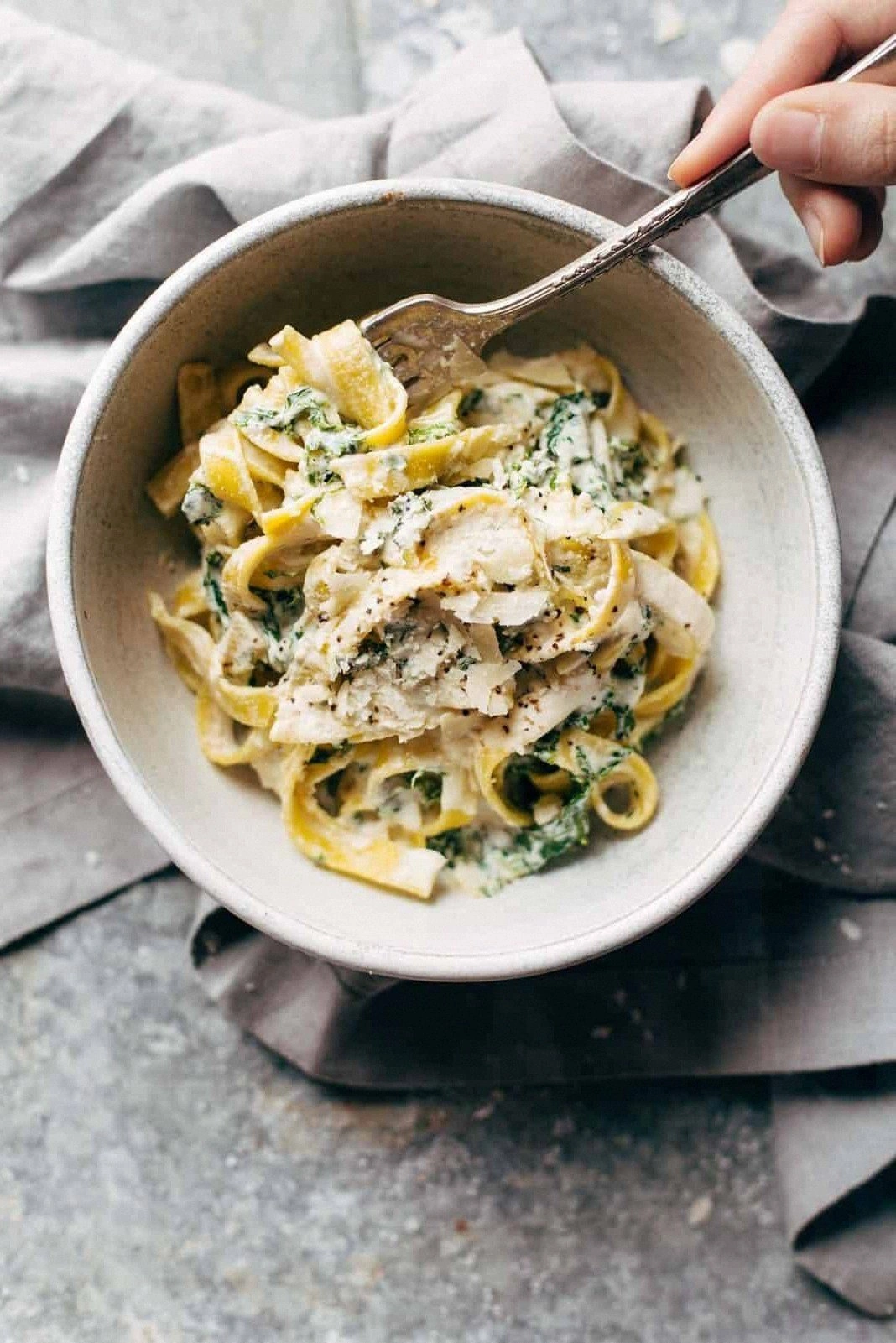
Now, bring the drained pasta into the skillet. Using tongs, toss the pasta vigorously, ensuring every strand is enveloped in the creamy kale sauce. If the sauce seems too thick, drizzle in the remaining reserved pasta water a tablespoon at a time until you reach a luxurious, coat‑everything consistency. The sauce should cling to the pasta like a second skin, sliding off the fork in ribbons.
Kitchen Hack: Finish the toss with a cold knob of butter; it adds shine and a buttery finish that elevates the dish. -
Turn off the heat and let the pasta rest in the pan for a minute. This brief rest allows the flavors to marry and the sauce to settle, preventing it from sliding off the pasta when plated. During this time, the residual heat continues to mellow the garlic and deepen the kale’s earthiness.
-
Plate the pasta in shallow bowls, garnish with an extra sprinkle of Parmesan and a drizzle of extra‑virgin olive oil if you like. Serve immediately while the sauce is still glossy and the kale retains its subtle crunch. That first bite? Pure magic. I dare you to taste this and not go back for seconds—trust me, you will.
That's it — you did it. But hold on, I've got a few more tricks that'll take this to another level. Okay, ready for the game‑changer? This next part? Pure magic.
Insider Tricks for Flawless Results
The Temperature Rule Nobody Follows
Never add the cream over high heat; the moment you see it start to bubble, dial the stove down to a gentle simmer. High heat makes the fats separate, resulting in a greasy, curdled sauce. By keeping the temperature low, the cream emulsifies smoothly with the cheese, giving you that velvety texture that feels like liquid gold on the palate. A friend once tried to speed things up with a blast of heat and ended up with a sauce that looked like a broken mirror—don’t be that friend.
Why Your Nose Knows Best
When sautéing garlic and kale, trust your nose more than the clock. The moment you smell a sweet, nutty aroma from the garlic, you know it’s perfectly browned. Likewise, when the kale releases a faint, earthy perfume, you’ve reached the optimal wilt without overcooking. If the scent turns sharp or burnt, you’ve overshot the mark; the flavor will be compromised.
The 5‑Minute Rest That Changes Everything
After tossing the pasta with the sauce, let it sit off the heat for exactly five minutes. This pause lets the starches in the pasta absorb the creamy coating, creating a thicker, more cohesive dish. The rest also allows the kale’s bitter compounds to mellow, delivering a balanced flavor profile. Skipping this rest results in a sauce that slides off the pasta, making the plate look sloppy.
Pasta Water Alchemy
Never underestimate the power of that starchy water you set aside. It acts like a natural thickener and binder, turning a thin liquid into a glossy glaze. Add it gradually—one tablespoon at a time—until you achieve the desired sheen. If you dump it all at once, you risk a watery mess; patience is key.
Cheese Timing Mastery
Grate the Parmesan yourself just before you need it. Freshly grated cheese melts faster and integrates better with the cream, preventing clumps. Pre‑grated cheese often contains anti‑caking agents that can make the sauce gritty. If you’re in a hurry, a micro‑grater works wonders, but the texture will still be superior to pre‑shredded.
Creative Twists and Variations
This recipe is a playground. Here are some of my favorite ways to switch things up:
Spicy Sriracha Swirl
Add a tablespoon of sriracha to the cream before it simmers. The heat cuts through the richness, giving the dish a bold, Asian‑inspired kick that pairs beautifully with the earthiness of kale. Perfect for those who love a little fire.
Mushroom Medley
Sauté a cup of mixed wild mushrooms alongside the garlic. Their umami depth amplifies the sauce, turning the dish into a hearty, autumn‑ready comfort food. Use cremini, shiitake, or oyster mushrooms for varied textures.
Lemon‑Zest Brightness
Stir in the zest of one lemon just before serving. The citrus spark lifts the heavy cream, adding a fresh, tangy pop that makes the kale sing. This version is ideal for spring gatherings when you want something light yet indulgent.
Vegan Velvet
Swap heavy cream for full‑fat coconut milk and replace Parmesan with nutritional yeast. The sauce stays creamy, and the yeast adds a cheesy, nutty flavor. Use a sturdy pasta like fusilli to hold the sauce well.
Smoky Bacon Crunch
Crisp up half a cup of chopped bacon, crumble it over the finished dish, and drizzle a little smoked paprika oil. The salty crunch adds texture, while the smoky notes complement the kale’s earthiness. This version is a hit at brunch tables.
Storing and Bringing It Back to Life
Fridge Storage
Let the pasta cool to room temperature, then transfer it to an airtight container. It will keep for up to three days in the refrigerator. When reheating, add a splash of the reserved pasta water or a tablespoon of milk to loosen the sauce, then warm gently on the stovetop while stirring.
Freezer Friendly
Portion the cooled pasta into freezer‑safe bags, removing as much air as possible. Freeze for up to two months. To reheat, thaw overnight in the fridge, then warm in a skillet with a drizzle of water or broth, stirring until the sauce regains its glossy sheen.
Best Reheating Method
The stovetop method wins every time: place the pasta in a non‑stick pan over low heat, add a tablespoon of water, and stir continuously. The gentle steam revives the cream without turning it grainy. Avoid microwaving at high power, as it can cause the sauce to separate and the kale to become mushy.